
Städte-Ratgeber zum Ruhestand
Ruhestand in Baguio, Philippinen
Die Bergstadt der Philippinen auf 1.540 m — Jackenwetter in einem tropischen Land
Baguio auf einen Blick
- Höhenlage & Umgebung
- ~1.540 m in den Cordillera-Bergen, Nordluzon; höchstgelegene Stadt der Philippinen; ~16,4° N
- Jahrestemperatur
- 10–15 °C Dezember–Februar, 18–24 °C März–Mai; subtropisches Hochland (Köppen Cwb), sehr hoher Niederschlag Juni–Oktober
- Nächster internationaler Flughafen
- Kein Verkehrsflughafen in der Stadt; Clark (CRK) ~4 Std. und Manila (MNL) ~5–6 Std. über die Straße
- Nächstes großes Krankenhaus
- Baguio General Hospital and Medical Center, in der Stadt
- Wichtigstes Rentnervisum
- Philippinisches SRRV (Special Resident Retiree's Visa); Einlage je nach Stufe und Rentenstatus
- Sprachumfeld
- Filipino und Ilokano; Englisch ist Amtssprache und im Alltag, in Behörden und im Gesundheitswesen durchgängig
Baguio ist die einzige Stadt der Philippinen, in der Bewohner routinemäßig Wintermäntel besitzen — die Spanne von 10–15 °C zwischen Dezember und Februar gibt es sonst nirgends im Land.
Überblick über Baguio für Ruheständler
Baguio liegt auf etwa 1.540 Metern in den Cordillera-Bergen im Norden Luzons bei rund 16,4° N und ist der einzige Ort auf den Philippinen, an dem ein Ruheständler regelmäßig eine Jacke braucht. Von Dezember bis Februar sinken die Temperaturen auf 10–15 °C, und die Jahresspanne erreicht nie die 30–35 °C, die den Rest des Landes prägen. Die Amerikaner gründeten die Stadt 1900 genau aus diesem Grund als Bergstation, und sie heißt bis heute Sommerhauptstadt.
Für Ruheständler ist die Kombination ungewöhnlich: ein wirklich kühles Klima, Englisch als Amtssprache und philippinische Kosten. Das Baguio General Hospital and Medical Center ist das regionale Überweisungszentrum des Gesundheitsministeriums für die Cordillera, ergänzt durch das Saint Louis University Hospital of the Sacred Heart und Notre Dame de Chartres auf privater Seite. Die Universitätsstadt bleibt ganzjährig lebendig.
Zwei praktische Einschränkungen zählen. Baguio hat keinen Verkehrsflughafen — Loakan bedient nur wenige Verbindungen, sodass Reisen vier bis sechs Straßenstunden nach Manila oder eine kürzere Fahrt nach Clark bedeuten. Und die Stadt ist stark verkehrsbelastet und massiv überbaut worden; die kiefernbewachsene Bergstation der Reiseführer ist heute eine dichte Kleinstadt, die zufällig kühl ist.
So sieht Baguio wirklich aus
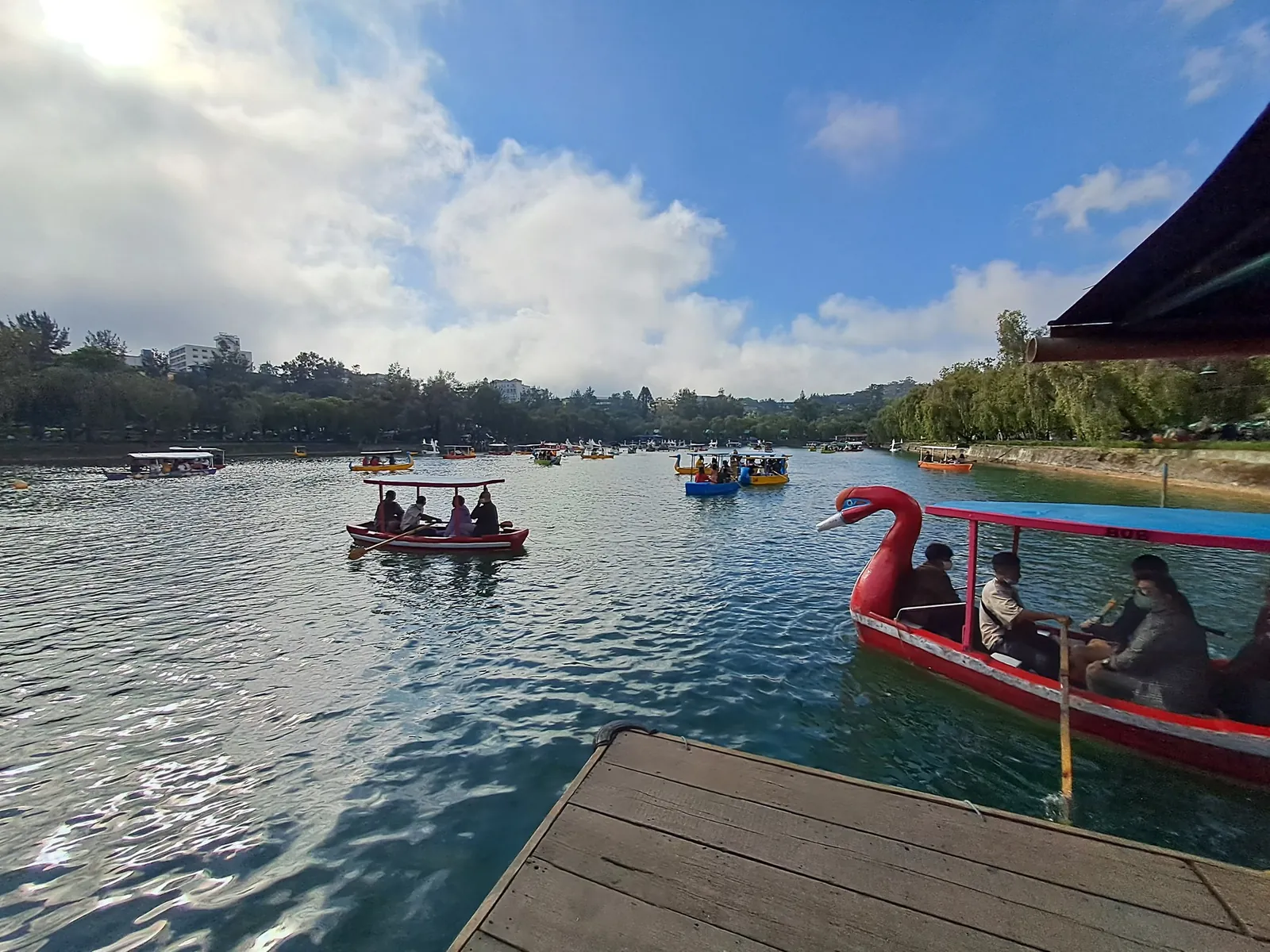
Authentische, unbearbeitete Fotos von Baguio, aufgenommen von Einheimischen und Besuchern an gewöhnlichen Tagen – nicht ausgewählt von einem Tourismusbüro. Bei jedem Foto steht, wann es entstanden ist. Fotos aller 83 Städte ansehen →
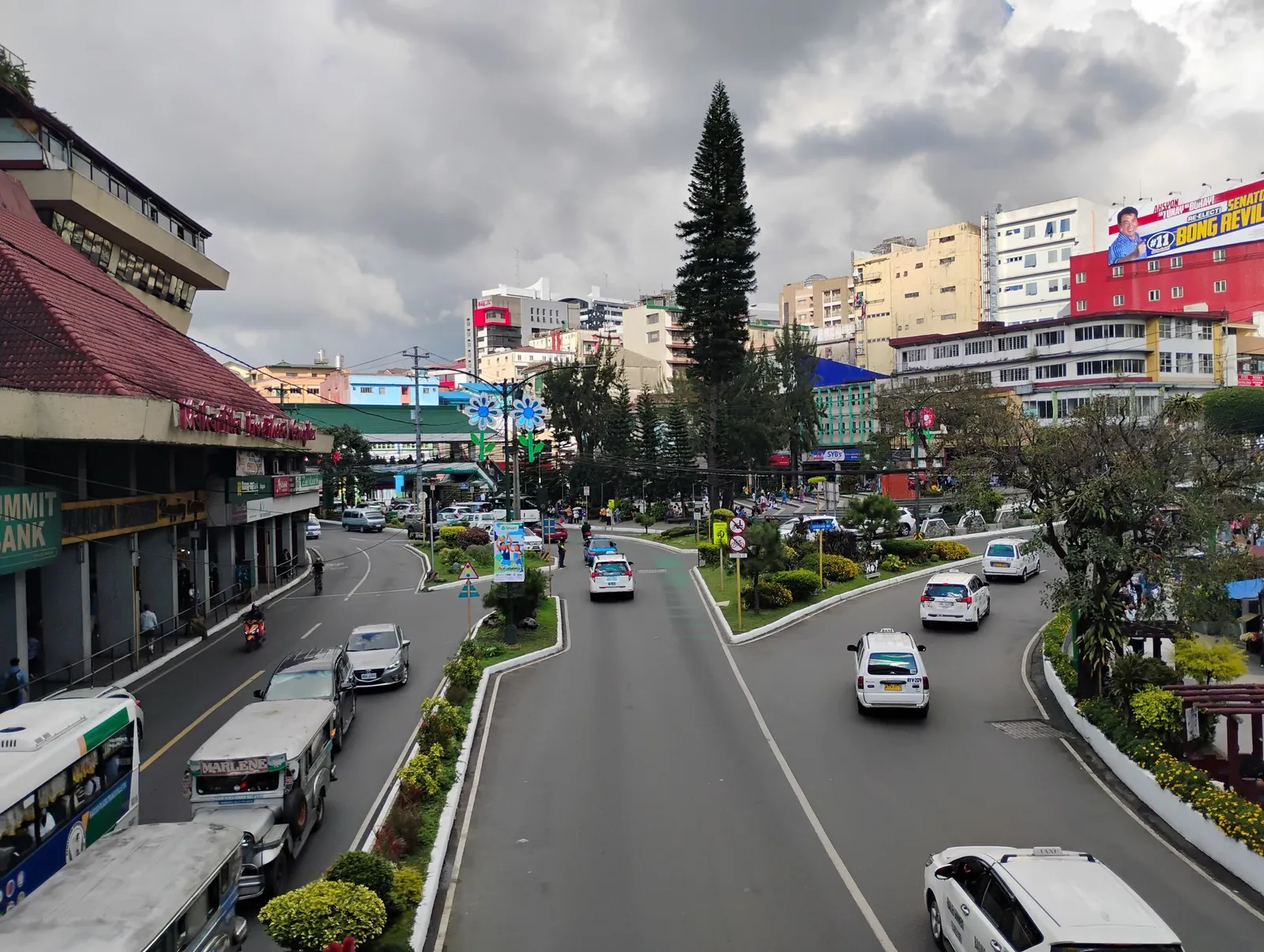

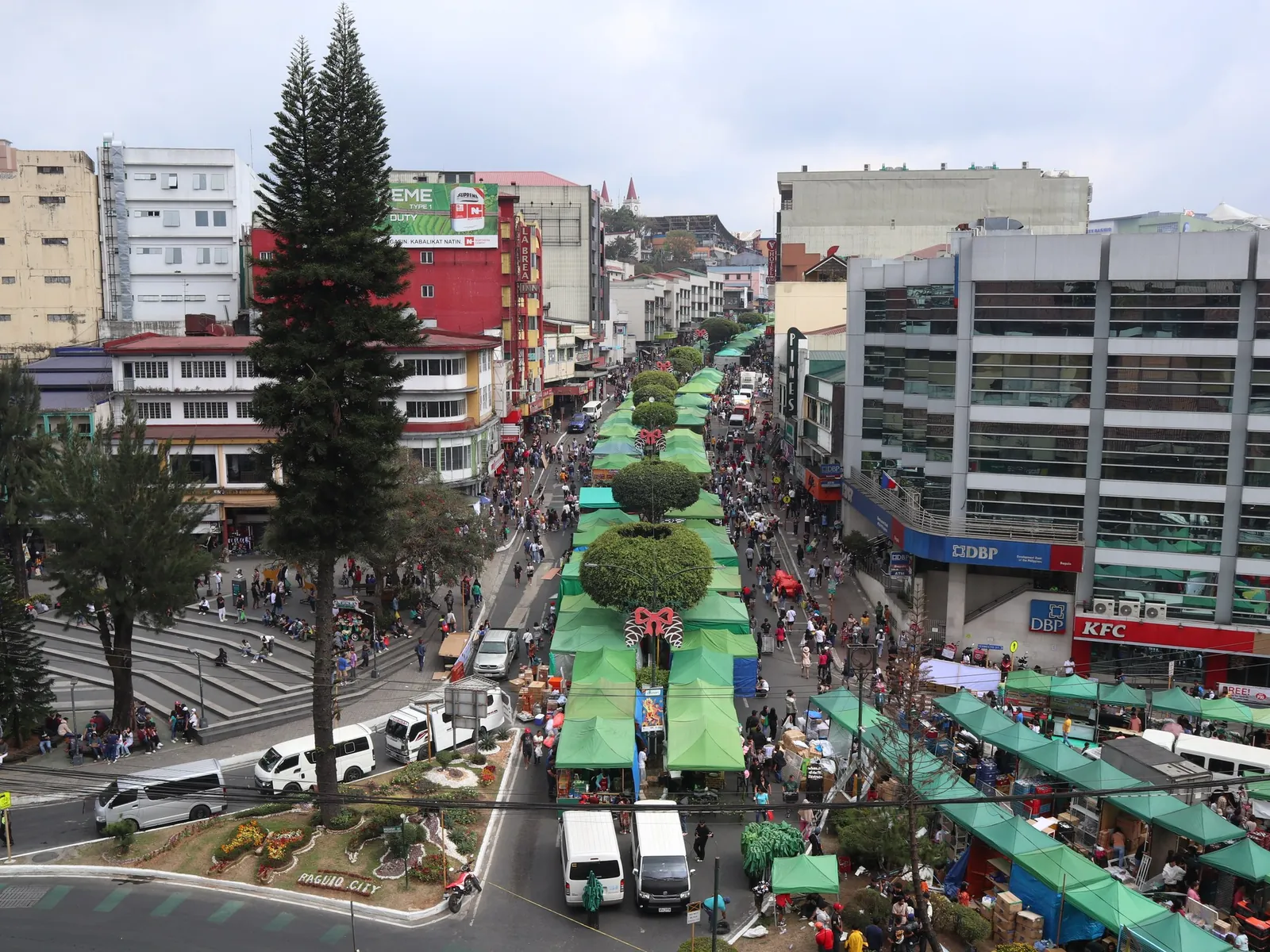
.jpg)
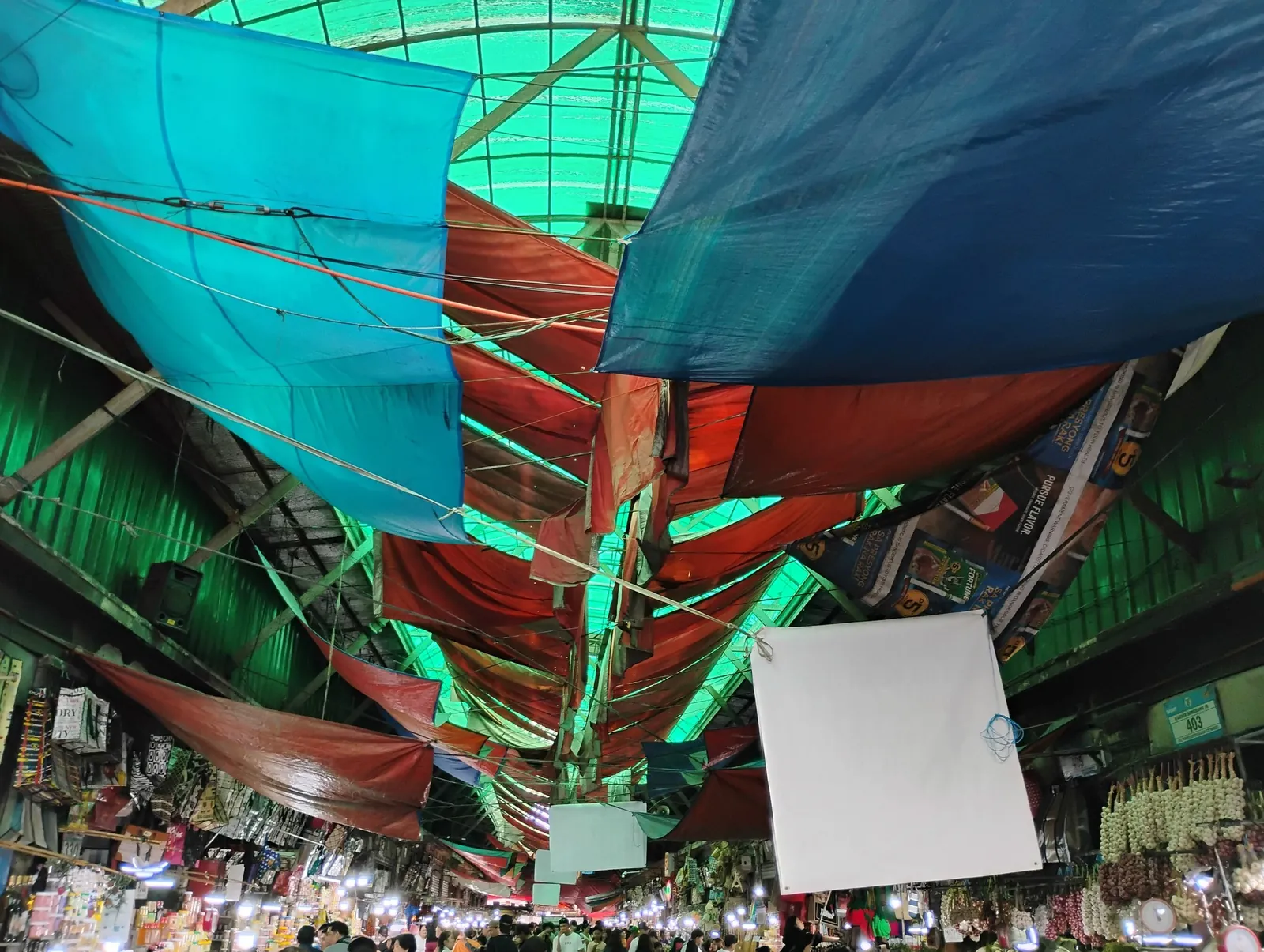

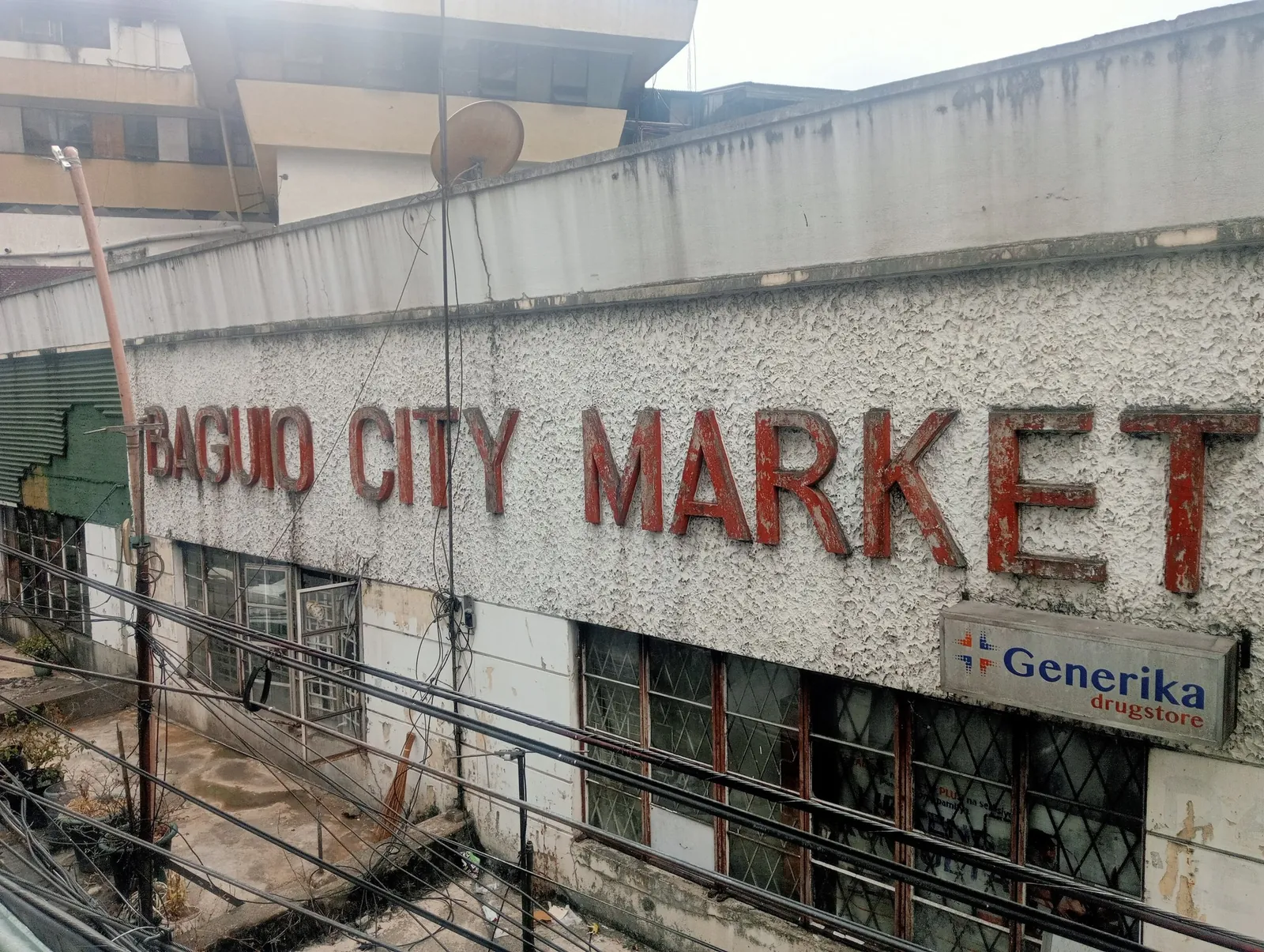

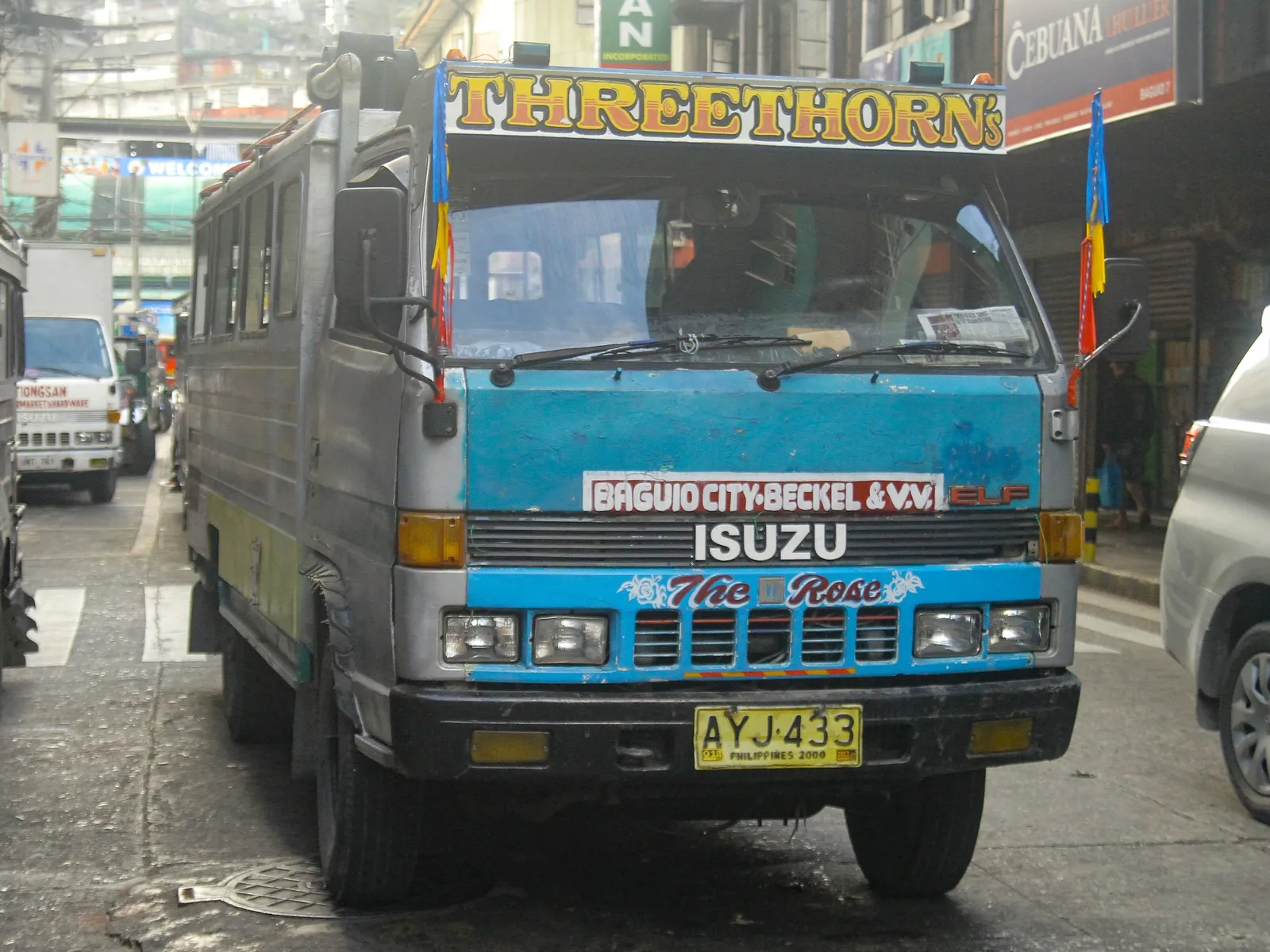
_jeepney_in_Baguio_City.jpg)
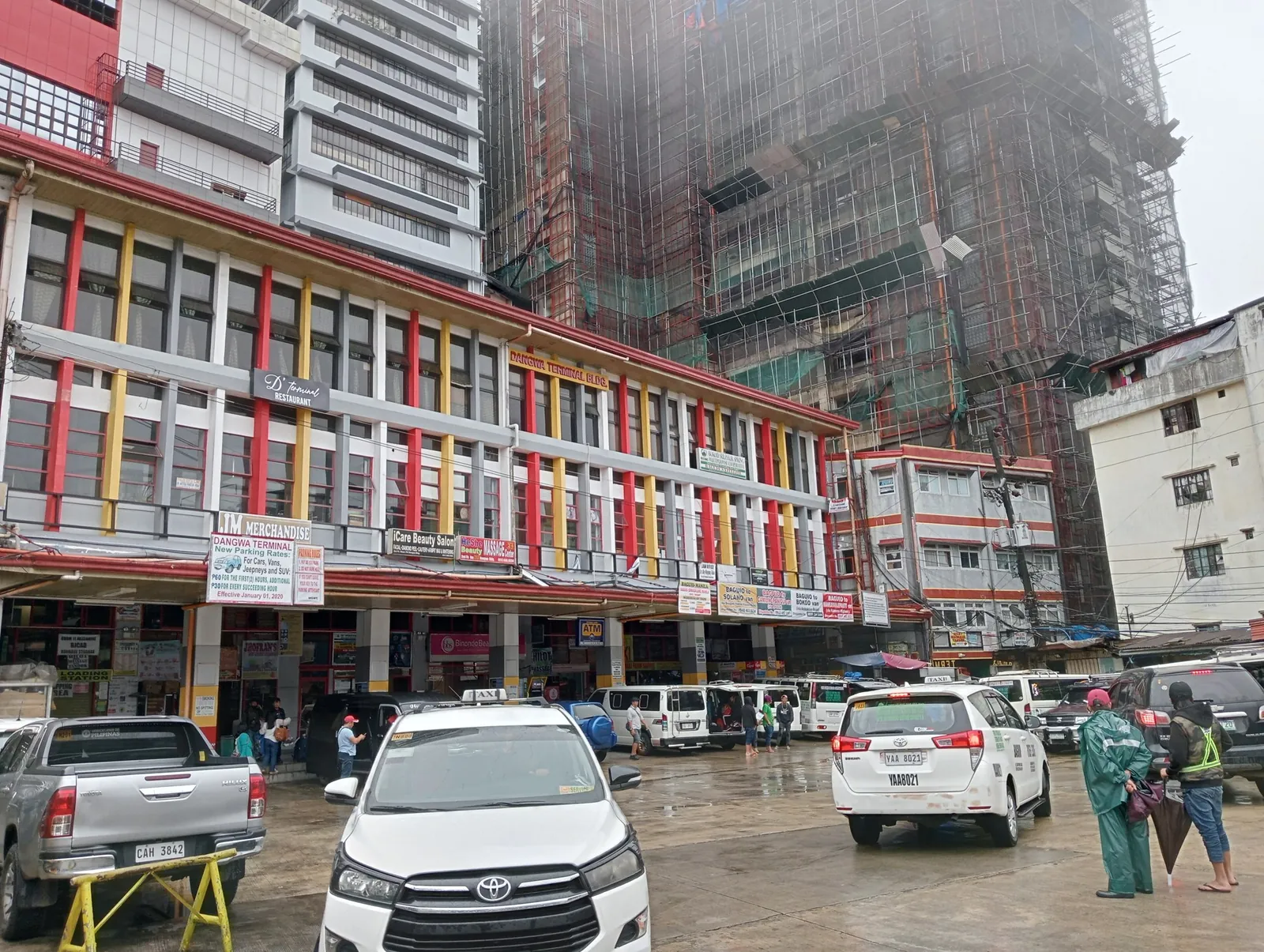

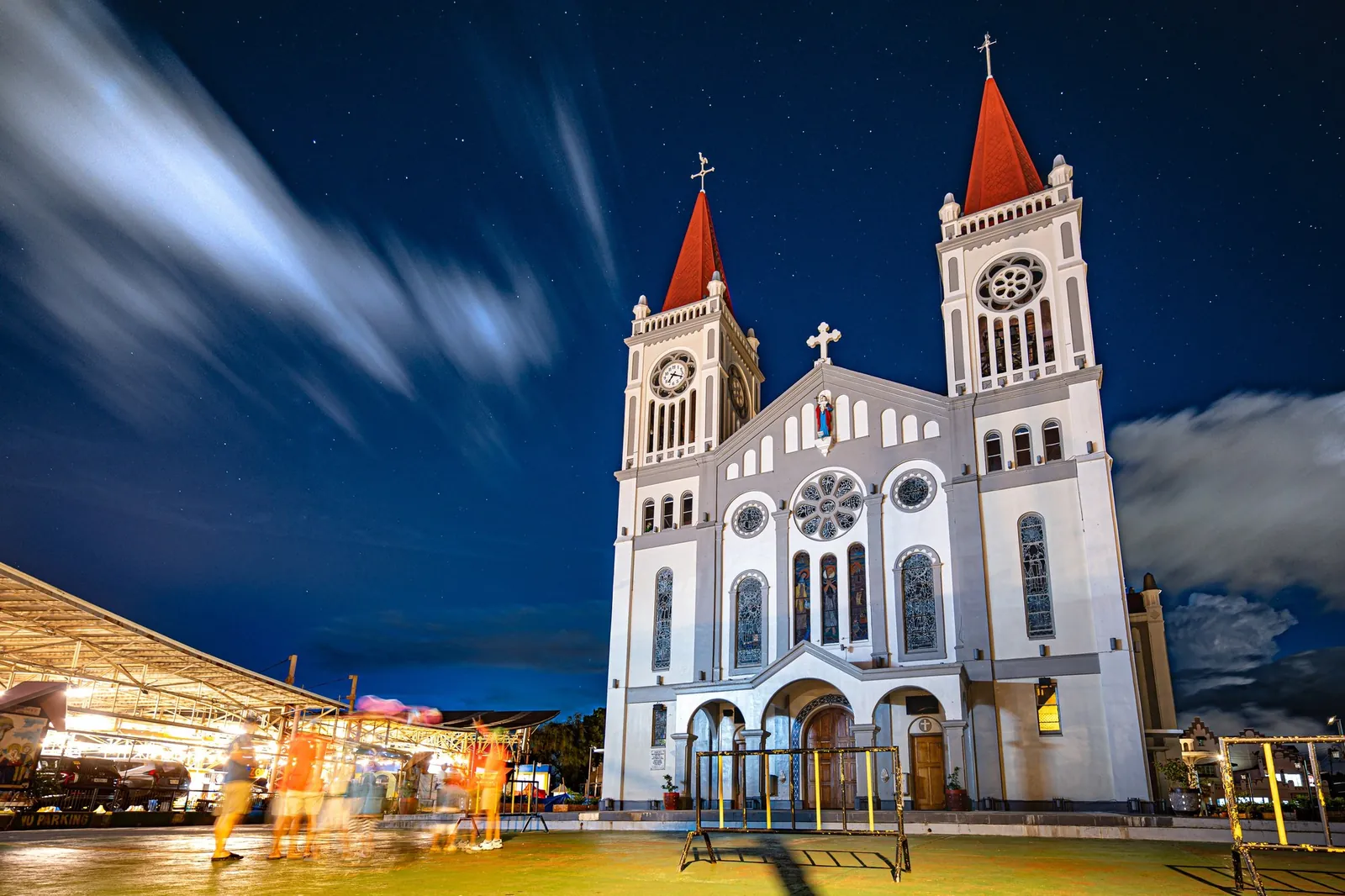

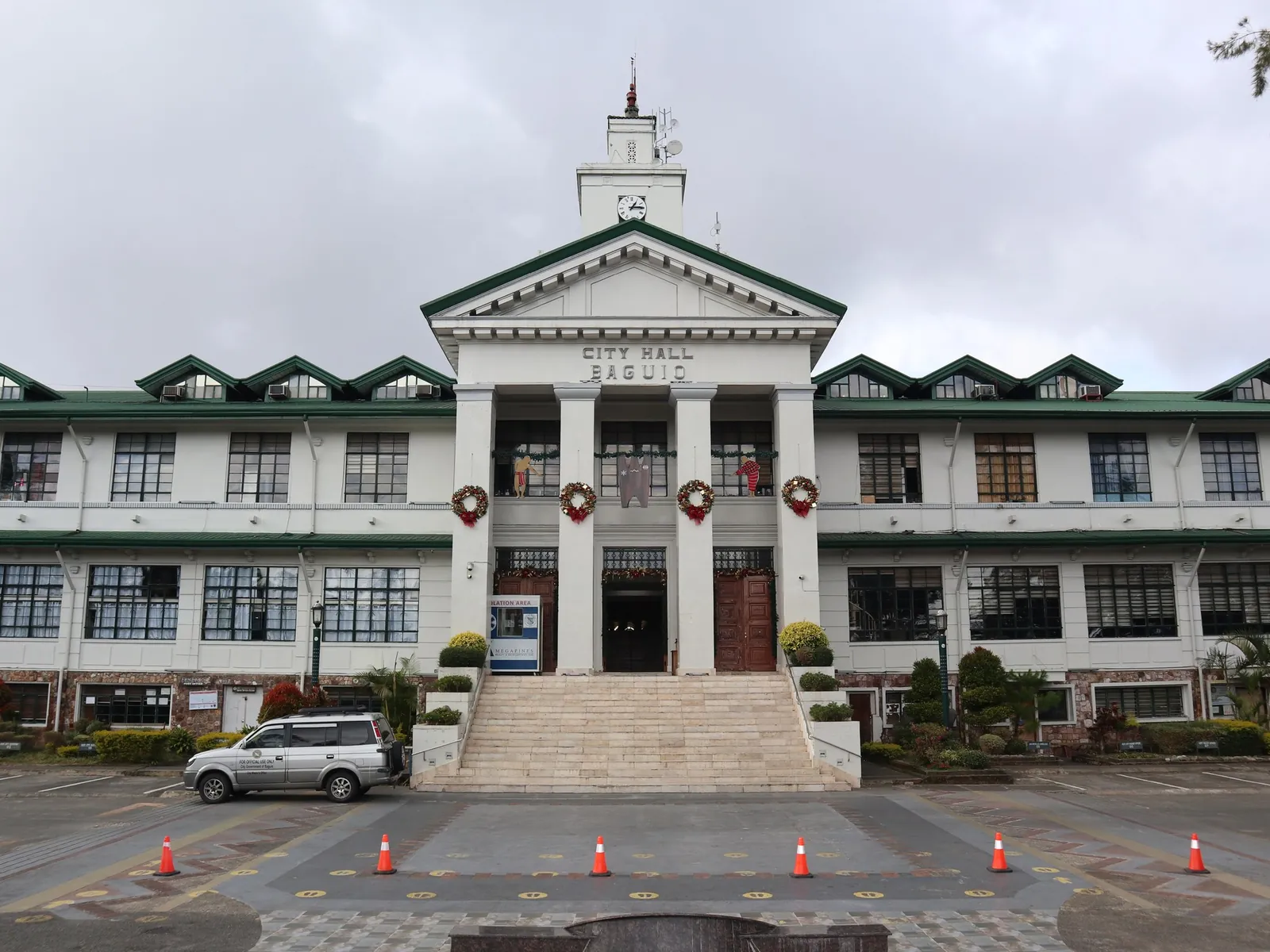
.jpg)

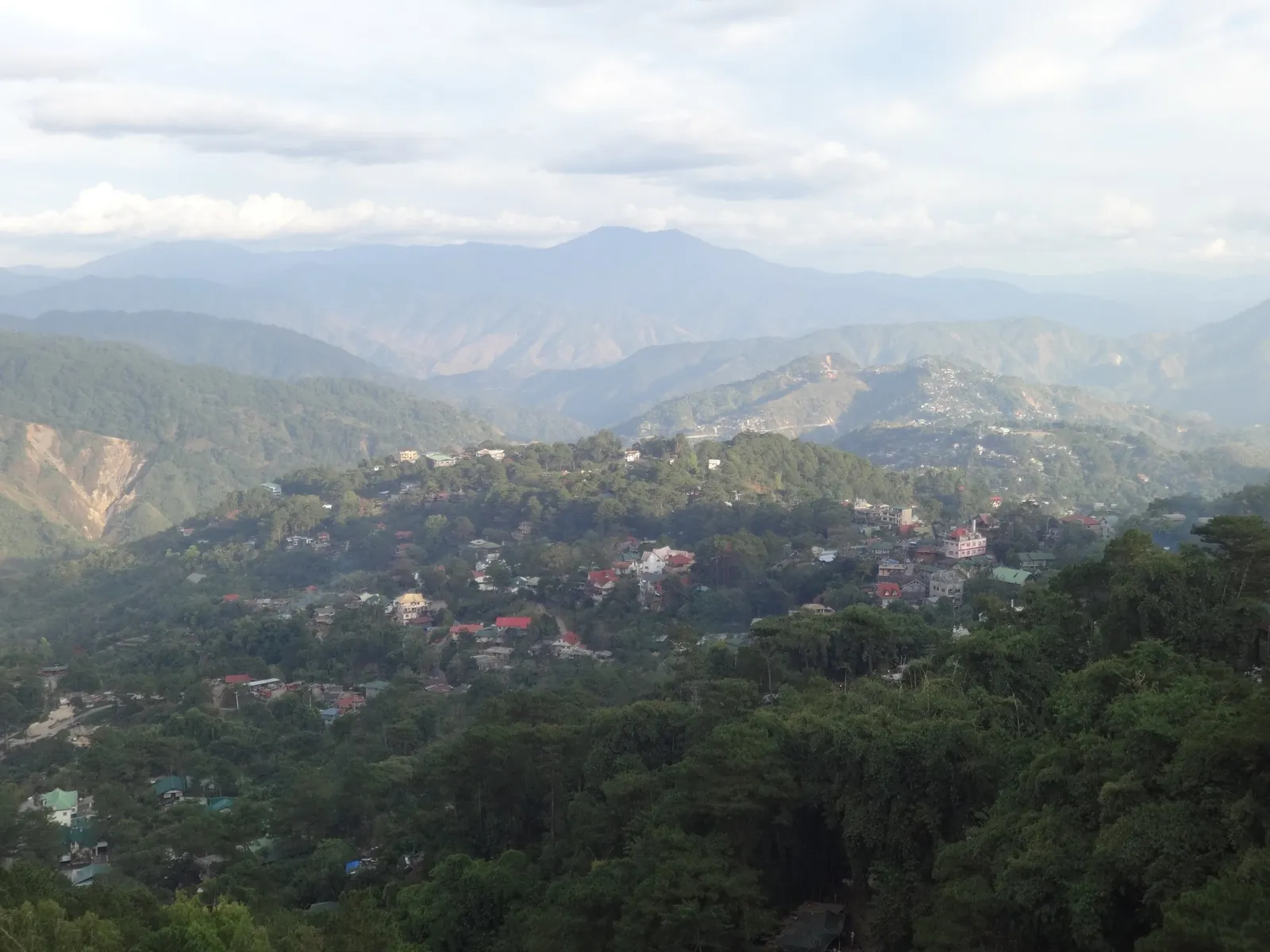
(2018-02-25).jpg)
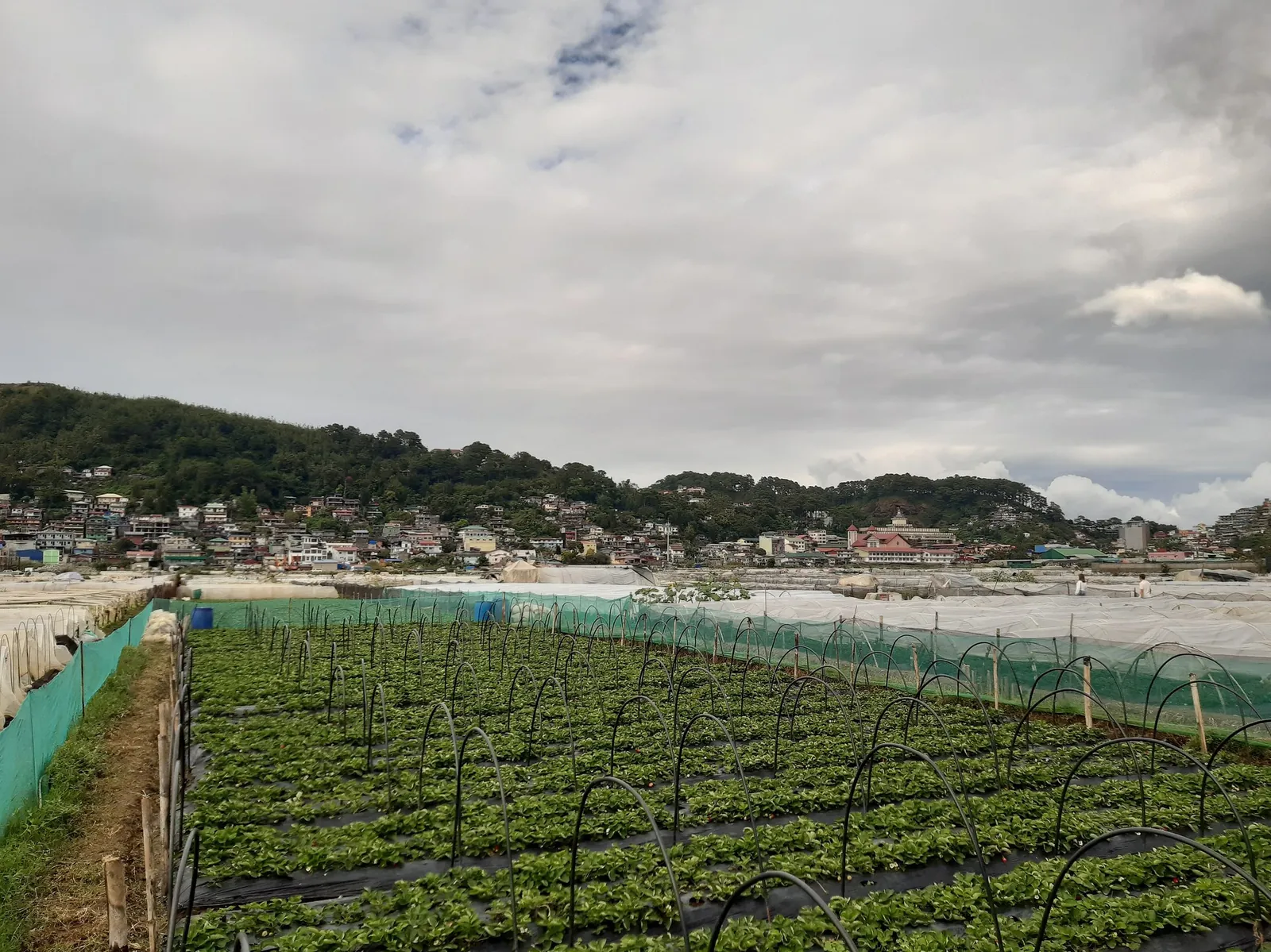

Die andere Seite
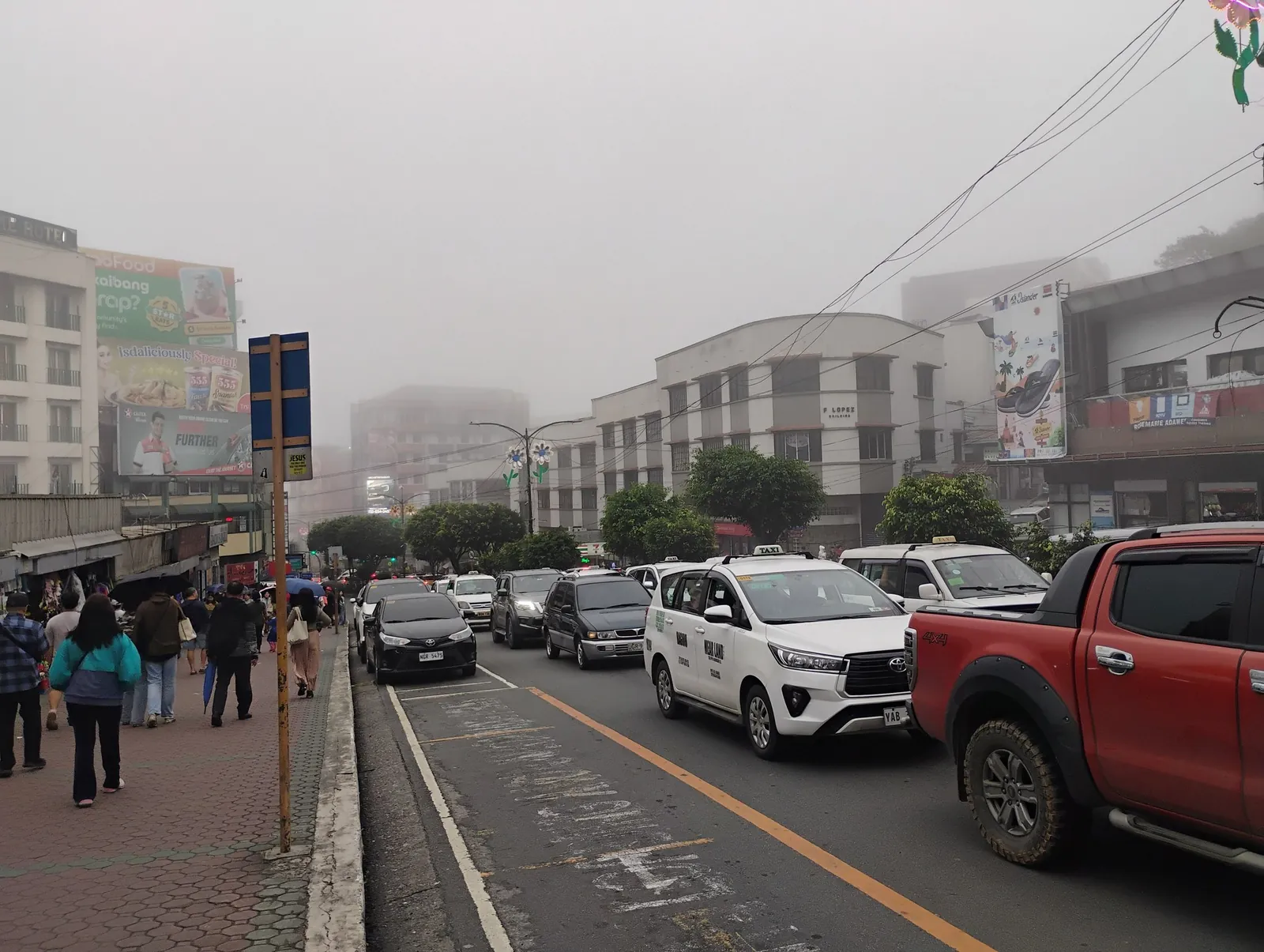
,_Baguio,_Jul_2025.jpg)
Lebenshaltungskosten in Baguio
Miete für 1-Zimmer-Wohnung
225–450 €/Monat
Mahlzeit im lokalen Restaurant
2–4,50 €
Tasse Kaffee
1,50–2,50 €
Geschätzte monatliche Gesamtkosten
625–1.100 €
Möchten Sie eine individuelle Schätzung? Nutzen Sie unseren Lebenshaltungskosten-Rechner
Gesundheitsversorgung in Baguio
Das Baguio General Hospital and Medical Center ist das regionale Überweisungskrankenhaus des Gesundheitsministeriums für die Cordillera-Verwaltungsregion und deckt Notfallversorgung, Chirurgie und die wichtigsten Fachrichtungen für ein weites Bergeinzugsgebiet ab. Auf privater Seite übernehmen das Saint Louis University Hospital of the Sacred Heart und das Notre Dame de Chartres Hospital die meiste Routine- und mittlere Versorgung, mit Konsultationen für 13–36 € und ohne Sprachbarriere — Englisch ist Amtssprache, und das medizinische Personal ist darin ausgebildet. Für fortgeschrittene Herzeingriffe, komplexe Onkologie oder alles, was eine Einrichtung auf internationalem Tertiärniveau erfordert, reisen Patienten nach Manila, vier bis sechs Straßenstunden entfernt. Diese Fahrt und nicht die Qualität der örtlichen Versorgung ist die eigentliche Einschränkung: Es gibt keine schnelle Flugverbindung.
Alltag und Lebensstil in Baguio
Baguios kühle Luft verändert den Tagesablauf. Spazieren ist zu jeder Stunde angenehm, Freiluftmärkte und Cafés funktionieren ganzjährig, und die Erdbeerfelder, Gemüseterrassen und Kiefernwälder der umliegenden Cordillera sind unmittelbar zugänglich. Die Session Road ist die Geschäftsachse, der Burnham Park die zentrale Grünfläche und Camp John Hay — die frühere amerikanische Erholungsbasis — das ruhige, bewaldete, gehobene Viertel. Die Stadt hat eine starke Kunsthandwerkstradition mit Weberei und Holzschnitzerei der Cordillera auf dem öffentlichen Markt sowie eine große Studentenschaft. Das Gegengewicht ist die Enge: Der Verkehr auf der Session Road ist stark, und die Bevölkerung schwillt in der philippinischen Hitzezeit erheblich an, wenn Menschen aus dem Tiefland der Hitze entfliehen.
Klima und Wetter in Baguio
Baguio hat ein subtropisches Hochlandklima, das ausschließlich durch die Höhenlage von 1.540 m entsteht. Dezember bis Februar ist die kühle Trockenzeit bei 10–15 °C, kalt genug für eine Jacke und nachts gelegentlich darunter — Bedingungen, die es sonst nirgends auf den Philippinen gibt. März bis Mai ist mit 18–24 °C wärmer, liegt aber weit unter dem Tiefland. Die Regenzeit von Juni bis Oktober ist heftig: Baguio verzeichnet mit die höchsten Niederschläge des Landes, und über Nordluzon ziehende Taifune können außergewöhnliche Mengen bringen, mit Erdrutschgefahr an den steilen Hängen rund um die Stadt. Nebel und tiefe Wolken sind ganzjährig verbreitet.
Vor- und Nachteile des Ruhestands in Baguio
Vorteile
- Die einzige wirklich kühle Stadt der Philippinen — 10–15 °C von Dezember bis Februar
- Englisch ist Amtssprache, keine Sprachbarriere im Alltag oder in der Gesundheitsversorgung
- Regionales Überweisungskrankenhaus und zwei etablierte Privatkliniken
- Niedrige Kosten nach jedem Maßstab, mit ausgezeichneten Erzeugnissen der umliegenden Terrassen
- Universitätsstadt mit Kunstszene und ganzjähriger Aktivität
Nachteile
- Kein Verkehrsflughafen — Manila ist 4–6 Straßenstunden entfernt
- Starke Verkehrsbelastung und massive Überbauung der letzten Jahrzehnte
- Mit die höchsten Niederschläge der Philippinen, mit Erdrutschgefahr in der Taifunzeit
- Fortgeschrittene Facharztversorgung bedeutet die lange Straßenfahrt nach Manila
- Die Bevölkerung schwillt in der philippinischen Hitzezeit stark an
Für wen eignet sich Baguio am besten?
Ruheständler, die tropische Hitze nicht vertragen, aber philippinische Kosten und englischsprachigen Alltag wollen — und die gesund genug sind, dass eine vier- bis sechsstündige Autofahrt nach Manila für Facharztbesuche akzeptabel ist.
Wo Sie in Baguio wohnen können
Camp John Hay & South Drive
Die frühere amerikanische Basis und das bewaldete, gehobene Viertel darum — der ruhigste und grünste Teil der Stadt. Mieten 315–540 €/Monat. Beliebt bei Ruheständlern, die Kiefernwald und Ruhe in Zentrumsnähe wollen.
Session Road & Zentrum
Der Geschäftskern mit öffentlichem Markt, Banken, Restaurants und Krankenhäusern. Mieten 225–400 €/Monat. Alles fußläufig, aber das lauteste und dichteste Gebiet.
Green Valley & die nördlichen Kämme
Wohnstraßen auf den Kämmen über dem Zentrum mit Blick über die Cordillera. Mieten 225–450 €/Monat, oft für Häuser. Ruhiger und kühler; steiles Gelände und ein Fahrzeug sind die Kehrseite.
Krankenhäuser und Gesundheitseinrichtungen in Baguio
Baguio General Hospital and Medical Center (BGHMC)
Regionales Überweisungskrankenhaus des Gesundheitsministeriums für die Cordillera-Verwaltungsregion. Notfallversorgung, Chirurgie und die wichtigsten Fachrichtungen für ein weites Bergeinzugsgebiet zu niedrigen Kosten des öffentlichen Systems.
Saint Louis University Hospital of the Sacred Heart
Etabliertes privates Lehrkrankenhaus der Saint Louis University für Allgemeinmedizin, Chirurgie und Diagnostik, mit kürzeren Wartezeiten als im öffentlichen System.
Notre Dame de Chartres Hospital
Privatkrankenhaus im Stadtzentrum für Routine- und mittlere Versorgung, von Bewohnern für Konsultationen und kleinere Eingriffe viel genutzt.
Angaben zu Einrichtungen können sich ändern. Bitte prüfen Sie Akkreditierungsstatus und Leistungen direkt bei jedem Krankenhaus, bevor Sie Entscheidungen zur Gesundheitsversorgung treffen.
Restaurants und Küche in Baguio
Baguio isst, was die Cordillera anbaut, und auf 1.540 Metern heißt das gemäßigtes Gemüse, das sonst nirgends auf den Philippinen wächst: Brokkoli, Kohl, Karotten, Salat und die Erdbeeren des nahen La Trinidad. Die Gemüseabteilung des öffentlichen Marktes ist die beste des Landes, zu Erzeugerpreisen.
Die Cordillera-Küche unterscheidet sich von der des Tieflands — Pinikpikan (eine traditionelle Hühnerbrühe mit Etag) und der reichliche Gebrauch von geräuchertem, gesalzenem Schweinefleisch namens Etag. Ein lokales Essen kostet 2–5 €. Die Studentenschaft trägt eine große, günstige Café-Szene, und Benguet-Kaffee wächst im umliegenden Hochland, sodass eine gute Tasse 1,35–2,70 € kostet.
Wocheneinkäufe für zwei Personen kosten 27–45 €, deutlich unterstützt durch die Erzeugnisse. Das Good-Shepherd-Kloster an der Gibraltar Road verkauft von den Schwestern hergestellte Ube-Marmelade und Erdbeerkonfitüre — eine echte lokale Institution.
Ist Baguio das Richtige für Sie?
Machen Sie unser kostenloses 3-Minuten-Quiz und erfahren Sie, wie Baguio und Philippinen im Vergleich zu anderen Zielen zu Ihren Vorlieben, Ihrem Budget und Ihren Bedürfnissen passen.
Zum Ruhestands-QuizHäufig gestellte Fragen zum Ruhestand in Baguio
Wie kalt wird es in Baguio tatsächlich?
Von Dezember bis Februar liegen die Tagestemperaturen bei 10–15 °C, nachts kann es darunter fallen — kalt genug, dass Bewohner Jacken, Decken und gelegentlich Heizlüfter nutzen. Das ist auf den Philippinen einzigartig, wo das Tiefland ganzjährig bei 25–35 °C liegt. März bis Mai ist mit 18–24 °C milder. Es friert nie, doch auf den umliegenden Höhen wurde in seltenen Fällen Frost gemessen.
Wie ist die Gesundheitsversorgung in Baguio?
Besser als in den meisten philippinischen Provinzstädten. Das Baguio General Hospital and Medical Center ist das regionale Überweisungszentrum des Gesundheitsministeriums für die gesamte Cordillera, und das Saint Louis University Hospital sowie Notre Dame de Chartres decken die private Versorgung ab. Englisch ist kein Problem. Die Einschränkung: Fortgeschrittene Tertiärversorgung bedeutet Manila, und ohne Verkehrsflughafen ist das eine vier- bis sechsstündige Autofahrt statt eines Fluges.
Ist Baguio noch die Kiefernstadt der Reiseführer?
Teilweise. Das kühle Klima, der Kiefernwald um Camp John Hay und die Berglage sind real. Doch Baguio wurde seit den 1990er-Jahren stark überbaut, der Verkehr ist wirklich schlecht, und ein Großteil des Kiefernbestands im bebauten Gebiet ist verschwunden. Wer eine ruhige Bergstation erwartet, ist oft überrascht; wer sie als dichte Kleinstadt mit außergewöhnlichem Klima versteht, ist meist zufrieden.
Quellen & Verweise
- Baguio General Hospital and Medical Center — Regionale Überweisungsrolle, Abteilungen und Einzugsgebiet der Cordillera-Verwaltungsregion
- PAGASA (Philippinischer Wetterdienst) — Temperatur- und Niederschlagsnormalwerte für Baguio sowie Taifunzugbahnen für Nordluzon
- Philippine Retirement Authority — SRRV-Kategorien, Einlagenanforderungen und Antragsverfahren
- Numbeo — Lebenshaltungskostenindex und Preisdaten für Baguio