
City Retirement Guide
Retire in Pedasí, Panama
Traditional Azuero fishing town — real Panama, and a long way from a hospital
Pedasí at a Glance
- Elevation & setting
- ~10 m near the southern tip of the Azuero peninsula, Los Santos province, Pacific coast; ~7.53°N
- Annual temperature
- 24-33°C year-round; tropical savanna (Köppen Aw), the driest region in Panama, windy December-April
- Nearest international airport
- Tocumen International (PTY), Panama City, ~5 h by road; Chitré airport ~1.5 h for domestic flights
- Nearest major hospital
- Clinic only in town; regional hospital in Chitré ~1.5 h; Panama City ~5 h
- Primary retirement visa
- Panama Pensionado; $1,000/month lifetime pension, with statutory discounts on healthcare, transport and services
- Language environment
- Spanish; English limited — this is a working Panamanian town, not an expat enclave
The Azuero peninsula is Panama's cultural heartland — the pollera dress, the folk music, and the country's most serious Carnival all come from here, and Pedasí sits in the middle of it.
Overview of Pedasí for Retirees
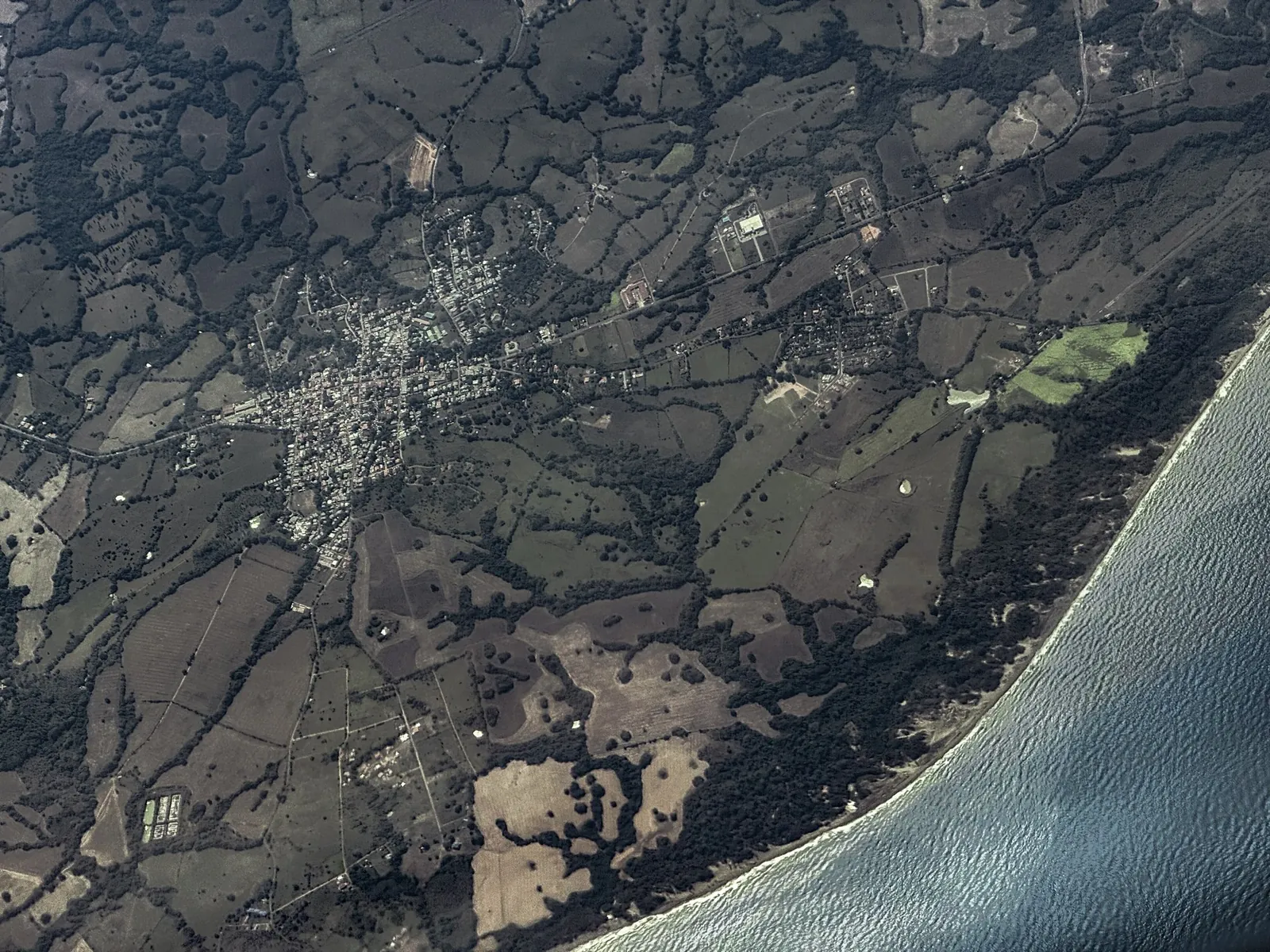
Pedasí sits near the southern tip of the Azuero peninsula at about 7.53°N and 10 metres, on Panama's Pacific coast. It is a small traditional town of low colonial houses and a central plaza, and although real estate development has arrived, it has kept far more of its Panamanian character than the gated beach communities further north around Coronado.
The Azuero is Panama's cultural heartland — the region that produces the polleras, the folk music, and the country's most serious Carnival celebrations. Pedasí itself is a fishing town, with Isla Iguana's wildlife reserve offshore and the surf beaches of Playa Venao about half an hour south.
This is the most remote destination in Panama on this site, and the healthcare position is correspondingly weak: local provision is a clinic, and anything serious means flying or driving to Panama City or David. Retirees who settle here are generally in good health, want authenticity over convenience, and accept that the nearest hospital is hours away.
What Pedasí actually looks like
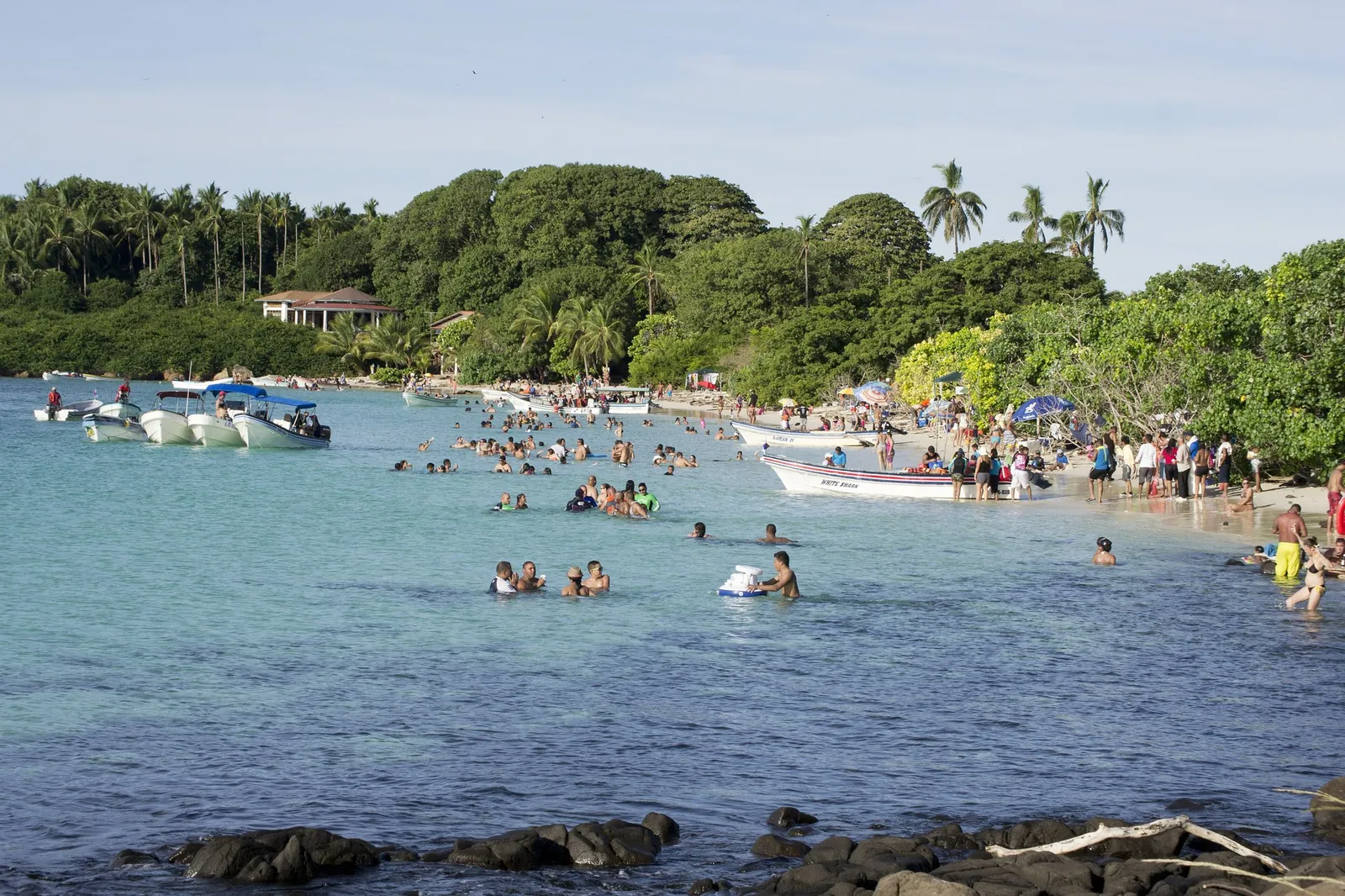
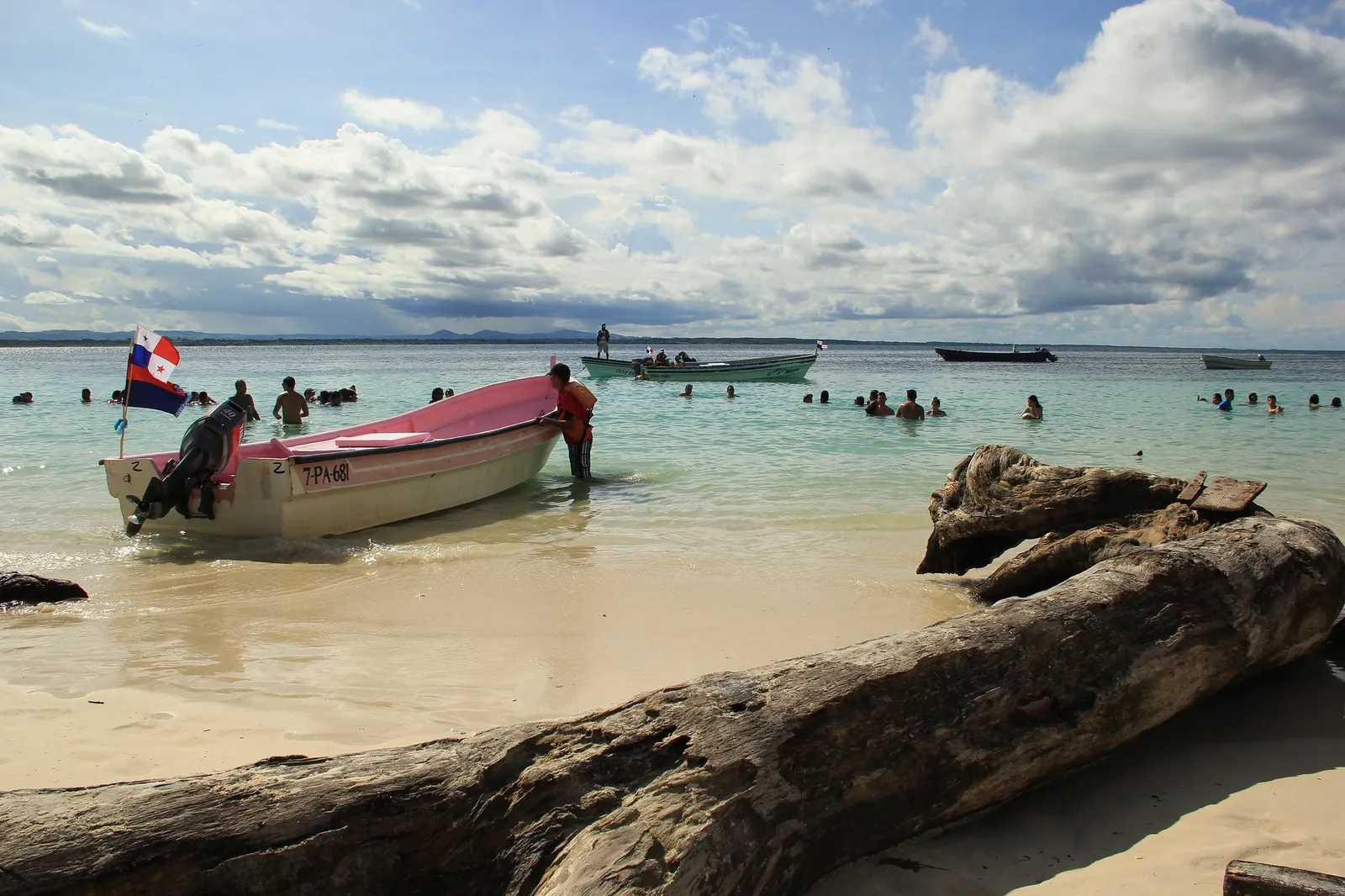
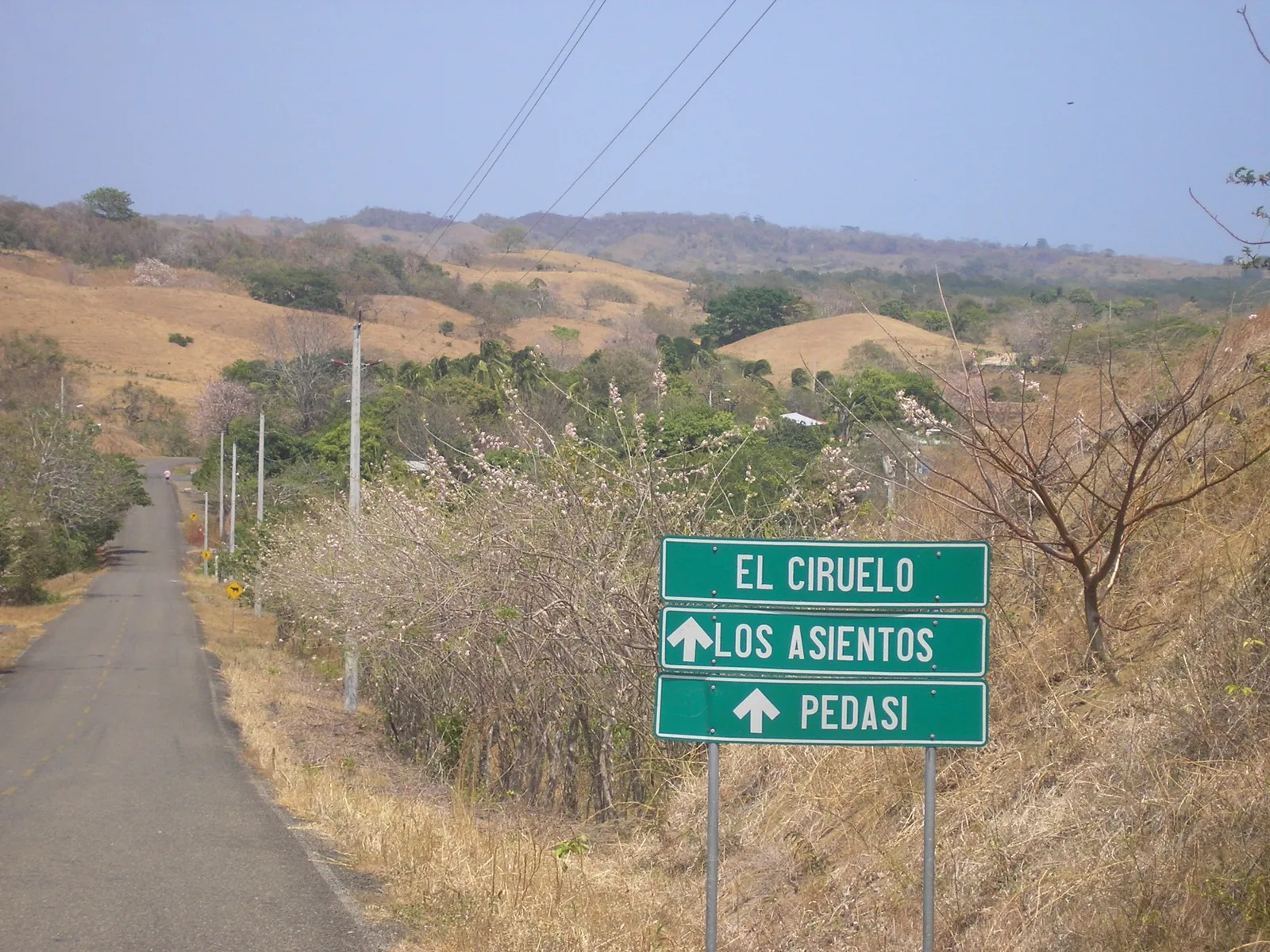
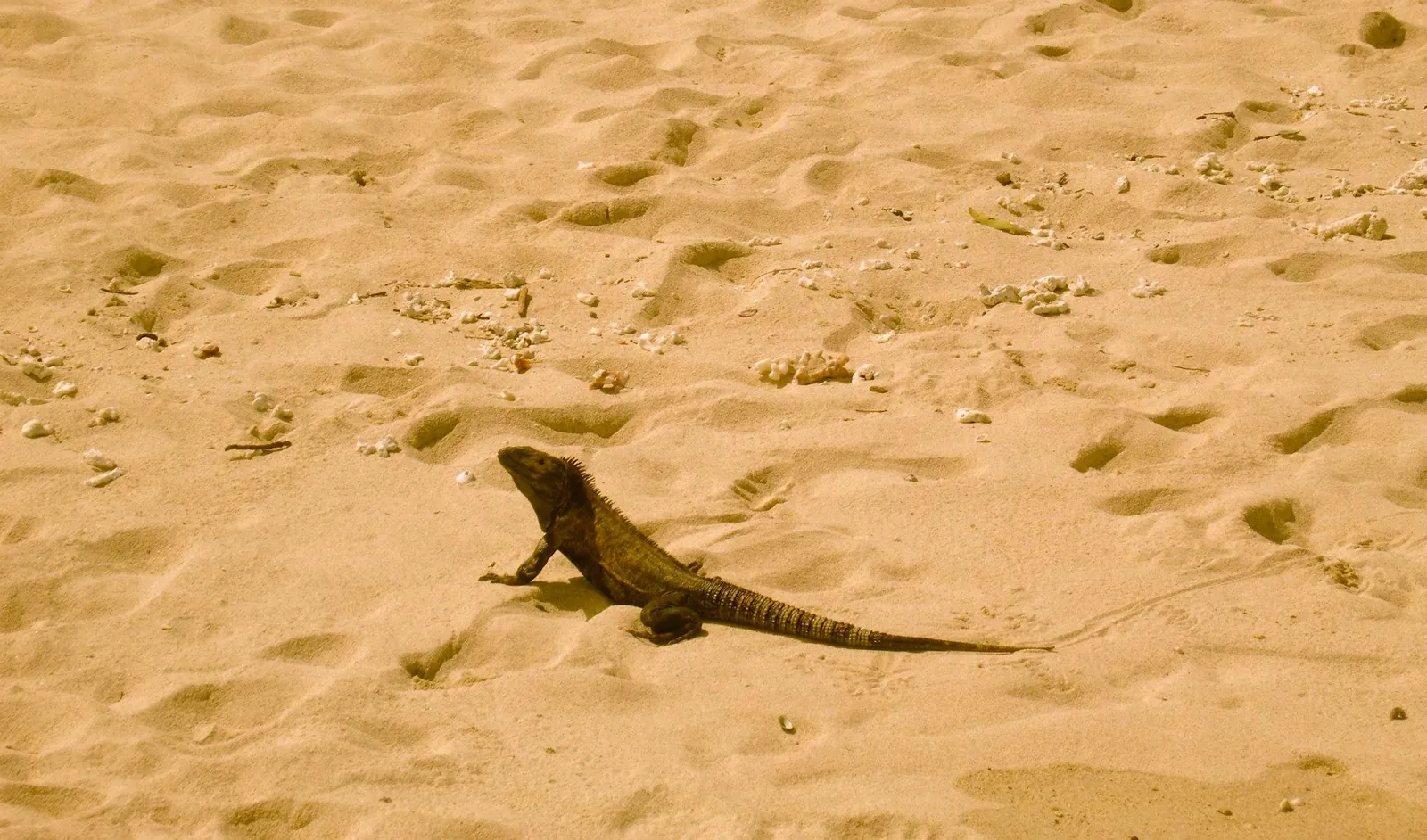
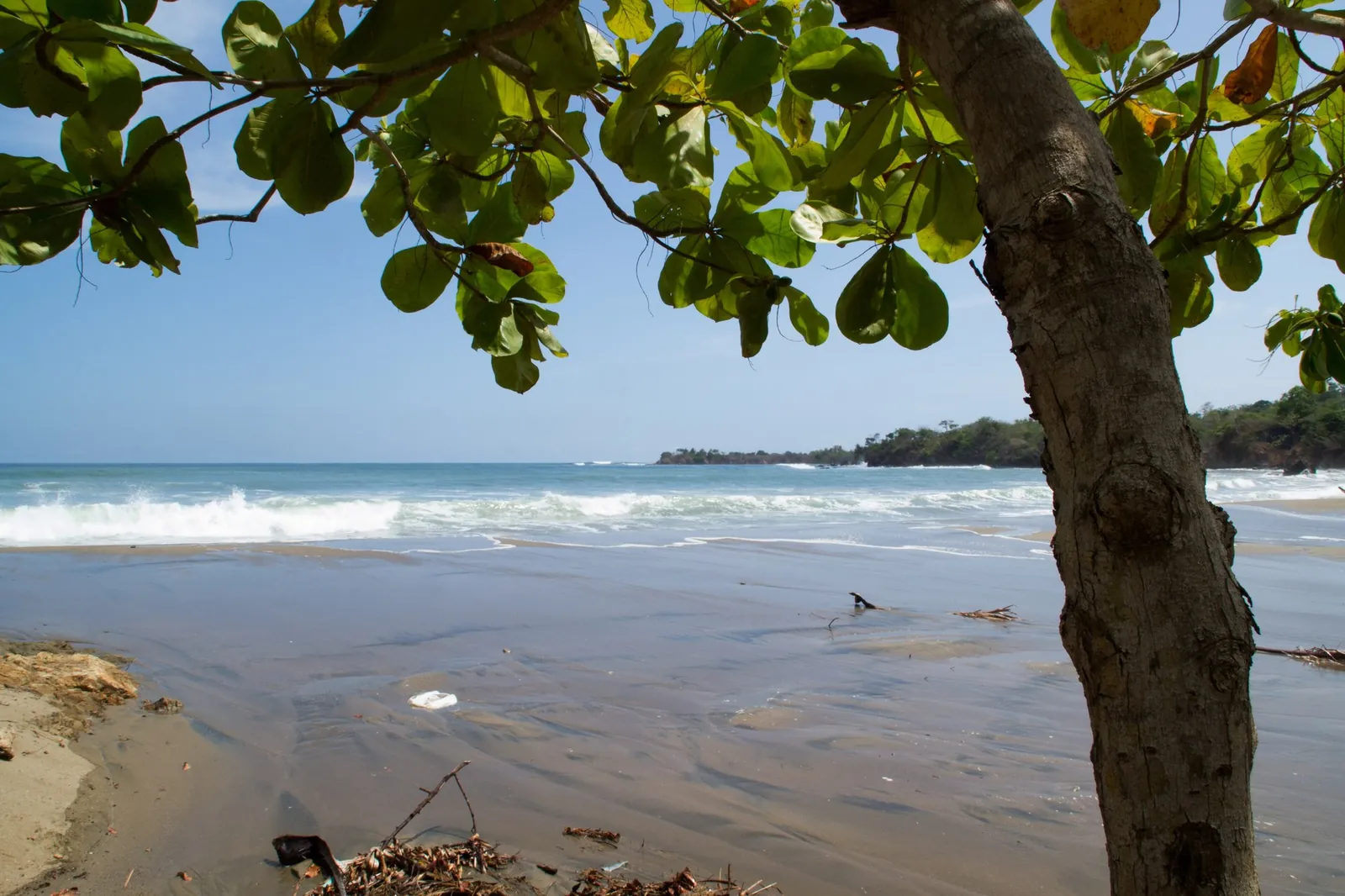
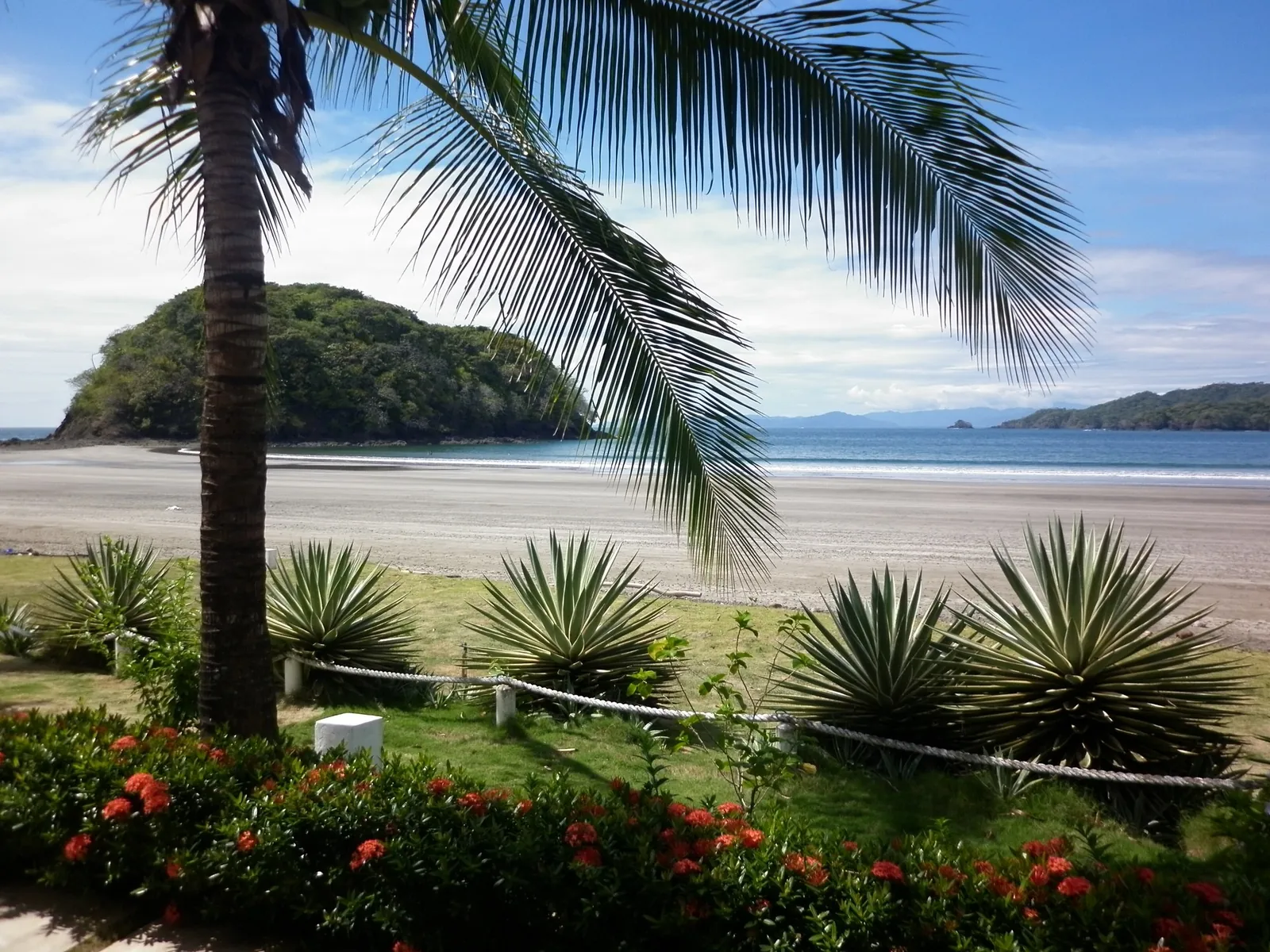
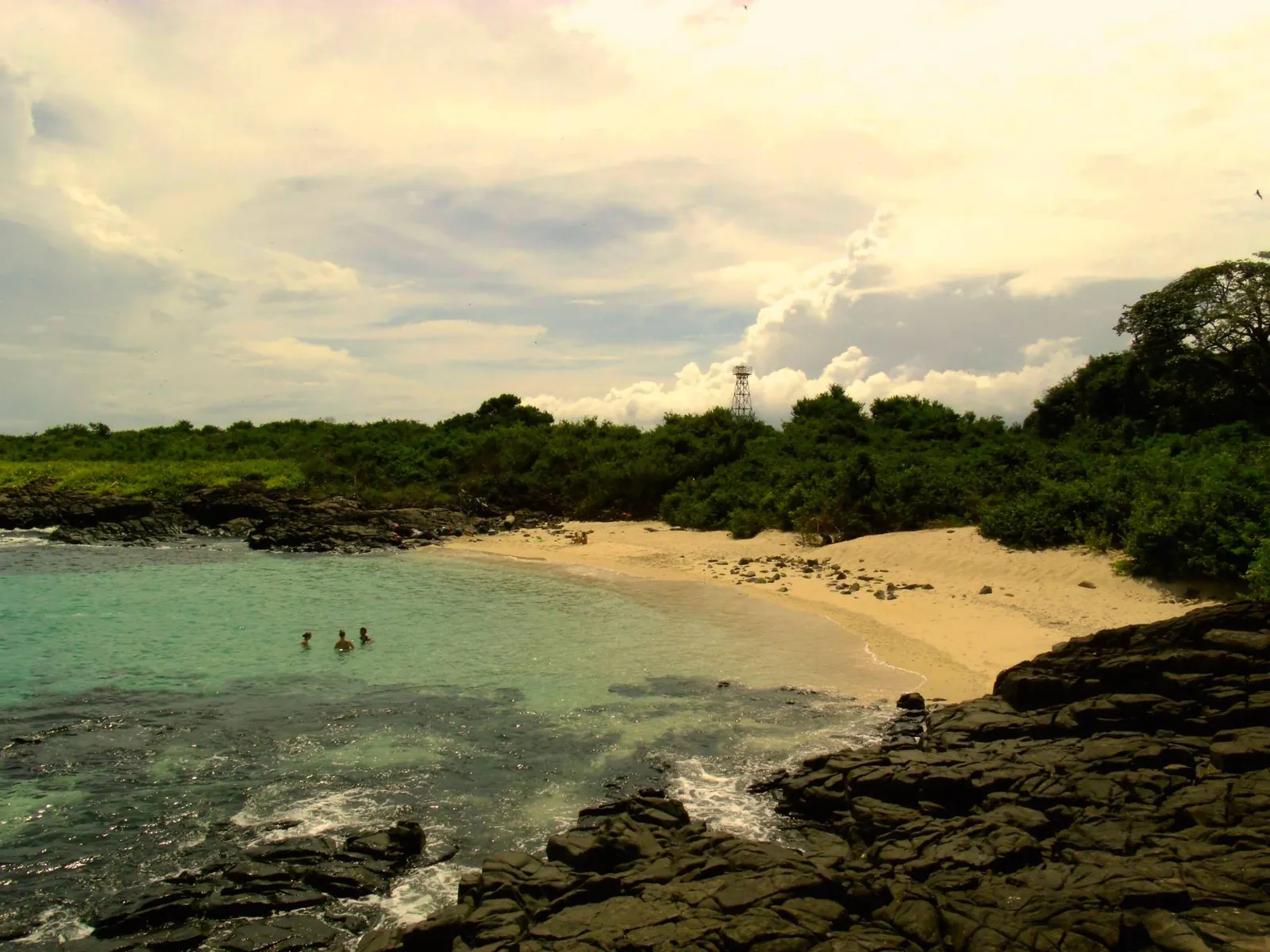
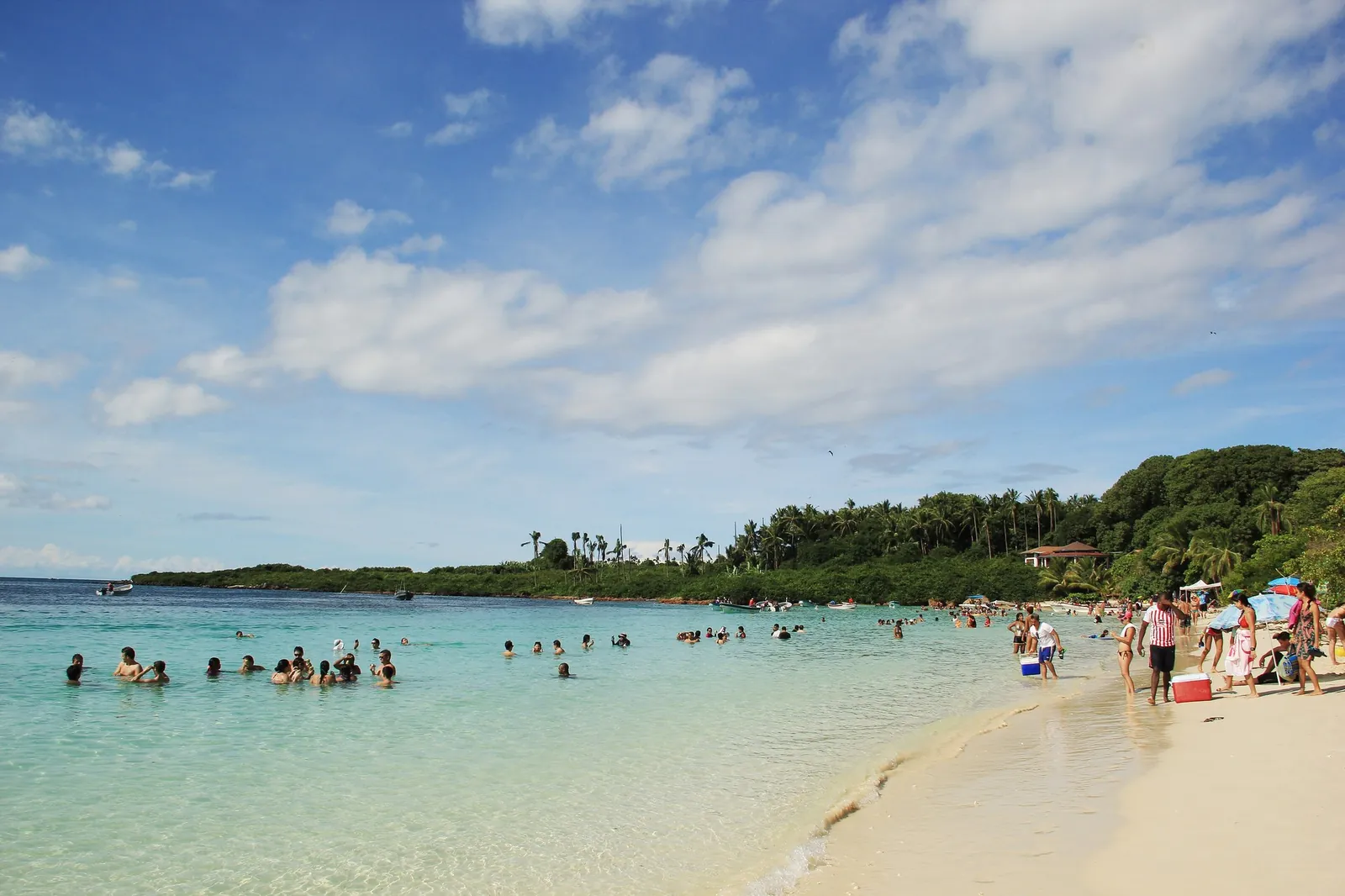
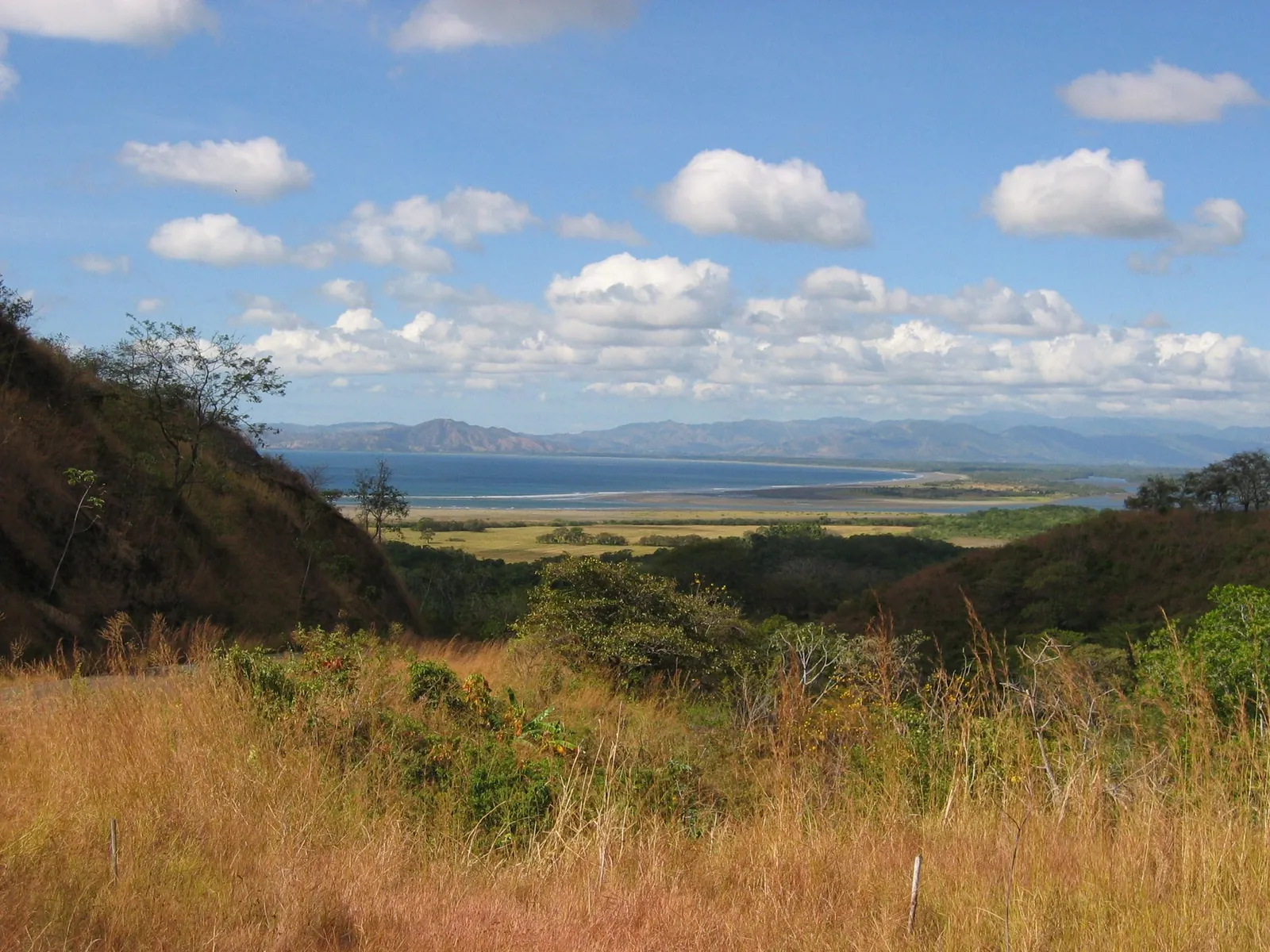
Authentic, unedited photos of Pedasí by residents and visitors, taken on ordinary days rather than chosen by a tourist board. Each one shows when it was taken. Browse photos of all 83 cities →









The other side

Cost of Living in Pedasí
1-Bedroom Rent
$400-$800/month
Local Restaurant Meal
$5-$12 at local restaurants
Cup of Coffee
$1.50-$3
Estimated Monthly Total
$1,200-$2,000
Want a personalized estimate? Use our cost of living calculator
Healthcare in Pedasí
Healthcare is Pedasí's weakest point by a wide margin. The town has a health centre and private doctors handling routine consultations, minor injuries, and basic diagnostics at $25-$50. There is no hospital, and no substantial medical infrastructure anywhere on the southern Azuero. For anything beyond basic care, residents travel to Chitré, about an hour and a half north, which has a regional hospital; for serious or specialist treatment, to Panama City — roughly five hours by road or a short flight from Chitré — or to David. This is the thinnest medical position of any Panamanian destination on this site, and it should be treated as the deciding factor rather than a footnote. Anyone with a cardiac history, an oncology relationship, or a condition needing regular specialist review would be substantially better served in David, Coronado, or Panama City.
Daily Life and Lifestyle in Pedasí
Pedasí runs at the pace of a Panamanian country town. Life centres on the plaza, the church, and the fishing boats at Playa El Arenal; the shops are small, the restaurants family-run, and Spanish is the working language. The international community is present but modest — enough for a social circle, nowhere near Boquete's or Coronado's scale — and the balance between foreign residents and Panamanians is much healthier here than in the developed beach corridors. The coast is the main attraction: Isla Iguana is a protected wildlife reserve twenty minutes offshore with excellent snorkelling, Playa Venao has consistent surf and a small international scene, and the beaches between are largely empty. Carnival in the Azuero is the biggest in the country and genuinely local. What Pedasí lacks is services: no supermarket of any size, no hospital, no cinema, limited shopping.
Climate and Weather in Pedasí
Pedasí has a tropical savanna climate, and the Azuero peninsula is the driest region in Panama — a rain shadow effect that makes it noticeably sunnier than the rest of the country. Temperatures run 24-33°C year-round with no cool season. The dry season, mid-December to April, is pronounced: the landscape turns brown, rain effectively stops, and strong seasonal winds blow across the peninsula, which is excellent for sailing and kitesurfing but relentless for some residents. The wet season, May to mid-December, brings afternoon rain and greens everything again. Humidity is high but sea breezes help. The dryness is genuinely different from Boquete or El Valle, and for retirees who dislike constant damp it is one of Pedasí's real advantages.
Pros and Cons of Retiring in Pedasí
Pros
- A genuinely traditional Panamanian town rather than a foreign enclave
- The driest region in Panama — noticeably sunnier than the rest of the country
- Isla Iguana wildlife reserve offshore and largely empty beaches along the coast
- Low costs and full Pensionado discounts
- Strong local culture — the Azuero is Panama's folk heartland
Cons
- The weakest healthcare of any Panamanian destination here — clinic only, hospital 1.5 h away
- Panama City is roughly five hours by road
- No supermarket of any size and very limited services
- Hot year-round at 24-33°C with no cool season
- Strong seasonal winds through the dry season
Who Is Pedasí Best For?
Retirees in good health who want authentic small-town Panama, sunshine, and empty beaches, speak or will learn Spanish, and genuinely accept that serious medical care is hours away.
Where to Live in Pedasí
Pedasí town
The plaza, church, and grid of low colonial streets. Rents run $400-$750/month. Walkable, genuinely Panamanian, with the clinic, shops, and restaurants on the doorstep.
Playa El Toro & Arenal
The coastal edge just outside town, near the fishing beach and the boats to Isla Iguana. Rents run $500-$900/month. Sea breezes and quick beach access, a short drive or cycle from the plaza.
Playa Venao
The surf beach about 30 minutes south, with a small international scene and newer development. Rents run $600-$1,100/month. Livelier and more foreign in character, but further still from any medical facility.
Hospitals and Healthcare Facilities in Pedasí
Pedasí health centre
Local clinic providing routine consultations, minor injuries, and basic diagnostics at $25-$50. No hospital facilities.
Regional hospital, Chitré
The nearest hospital, about 1.5 hours north on the Azuero peninsula, handling emergencies and intermediate care for the region.
Panama City hospitals
Hospital Punta Pacífica and the capital's other major facilities, roughly five hours by road or a short flight from Chitré, for serious and specialist treatment.
Facility details may change. Verify accreditation status and services directly with each hospital before making healthcare decisions.
Dining and Food Scene in Pedasí
Pedasí is a fishing town and the seafood is the point — corvina, red snapper, octopus, and lobster landed at Playa El Arenal and cooked simply, at $8-$16 a plate. Ceviche is sold from small stands and is among the best in Panama.
The town's restaurants are mostly family-run fondas serving Panamanian staples — sancocho, arroz con pollo, patacones — for $5-$10, with a handful of places at Playa Venao aimed at the surf and international crowd at $12-$20. The Azuero is also cattle country, so beef is good and cheap.
Weekly groceries for two run $60-$100. There is no supermarket of any size in Pedasí — a small mini-super covers basics, and residents drive to Chitré, about an hour and a half, for a full shop. That trip is a normal part of life here and is usually combined with anything else that needs a real town.
Is Pedasí Right for You?
Take our free 3-minute retirement quiz to see how Pedasí and Panama compare to other destinations based on your preferences, budget, and needs.
Take the Retirement QuizFrequently Asked Questions About Retiring in Pedasí
How serious is the healthcare limitation in Pedasí?
It is the single most important thing about the town. Pedasí has a health centre and private doctors for routine care only. The nearest regional hospital is in Chitré, about an hour and a half north; Panama City is roughly five hours by road. For a retiree in good health this is manageable, and many people live here happily for years. For anyone with a cardiac history or an ongoing specialist relationship, it is a genuine risk and David or Panama City would be a more sensible choice.
Is Pedasí still authentic or has development taken over?
More authentic than most Panamanian beach destinations. Real estate development has certainly arrived, particularly around Playa Venao, but Pedasí town itself remains a working Panamanian community with a plaza, a church, fishing boats, and a Spanish-speaking daily life. The balance of foreign residents to Panamanians is far healthier than in Coronado or the Pacific gated communities north of Panama City.
What is the Azuero dry season like?
Pronounced and windy. The peninsula is the driest part of Panama, and from mid-December to April rain effectively stops, the landscape browns off, and strong seasonal winds blow steadily across the region. Sailors and kitesurfers love it; some residents find the constant wind wearing. The compensation is sunshine — Pedasí is noticeably brighter through the dry months than Boquete, El Valle, or Panama City.
Sources & References
- Panama Ministry of Health (MINSA) — Health centre provision on the southern Azuero and regional hospital coverage at Chitré
- Panama Institute of Meteorology and Hydrology (IMHPA) — Rainfall, wind, and dry season data for the Azuero peninsula
- Panama Ministry of Commerce and Industries — Pensionado visa requirements and the statutory senior discount schedule
- Numbeo — Cost of living index and price data for Panama and Los Santos province