
City Retirement Guide
Retire in Querétaro, Mexico
Safe, modern colonial city at 1,820 m — Mexico's most underrated retirement option
Querétaro at a Glance
- Elevation & setting
- ~1,820 m on the central Mexican plateau; ~200 km north-west of Mexico City; ~20.6°N
- Annual temperature
- 23-29°C by day, 8-14°C at night; semi-arid highland, rainy season June-September, low humidity year-round
- Nearest international airport
- Querétaro Intercontinental (QRO), ~30 km east of the city
- Nearest major hospital
- Hospital Ángeles Querétaro, in the city; Mexico City ~3 h by road for the most specialised care
- Primary retirement visa
- Mexican temporary residency; 2026 thresholds ~$4,705/month income or ~$79,286 savings
- Language environment
- Spanish; English limited — functional Spanish is effectively necessary for daily life and medical appointments
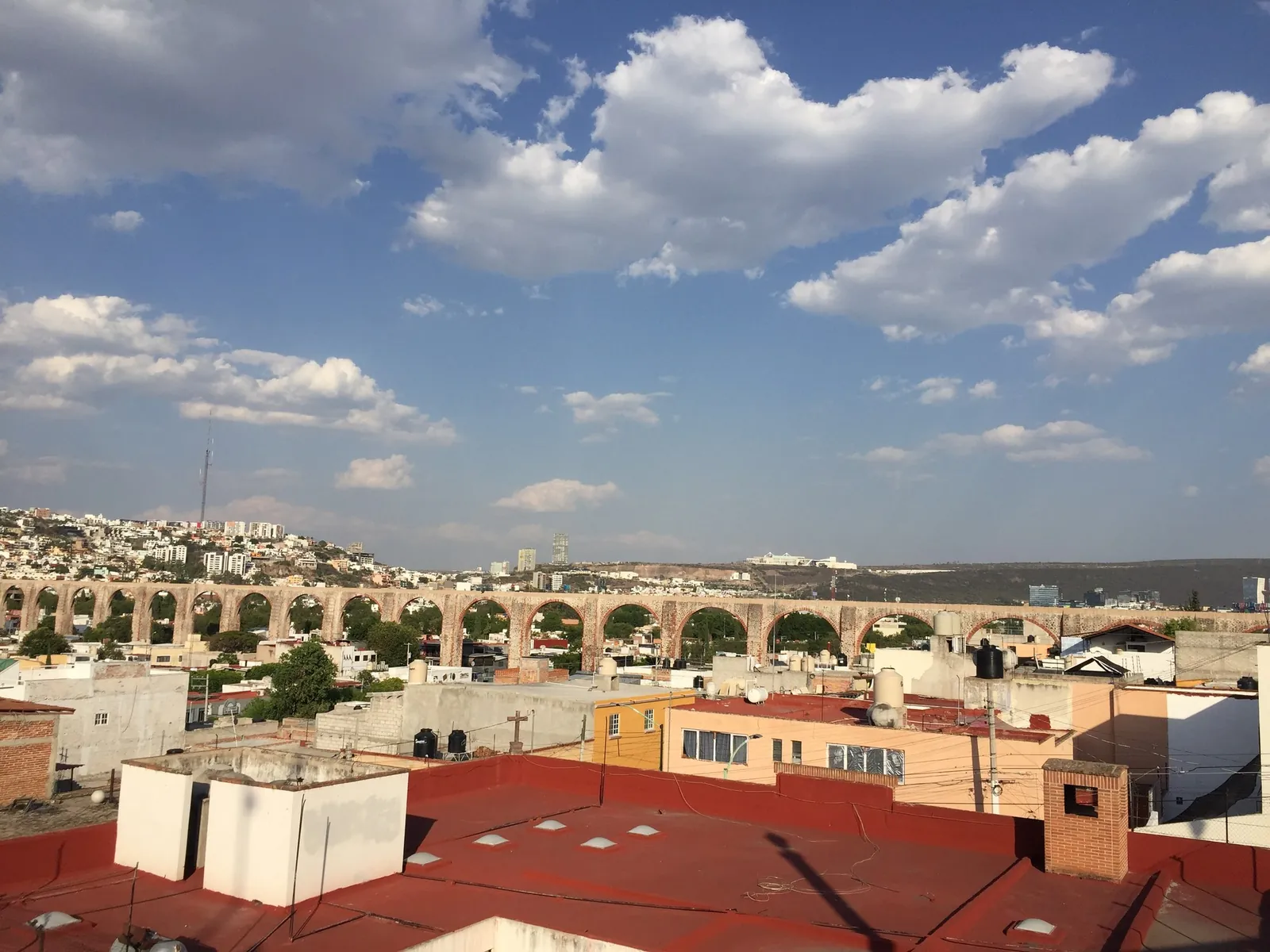
Querétaro's 18th-century aqueduct still runs into the city on 74 arches up to 23 metres high — it is the working symbol of a city that was built on water engineering rather than tourism.
Overview of Querétaro for Retirees
Santiago de Querétaro sits on the central Mexican plateau at about 1,820 metres, roughly 200 kilometres north-west of Mexico City at 20.6°N. Its historic centre is a UNESCO World Heritage site, and the city is consistently among the safest in Mexico — a fact that matters more to retirees than any other single variable in the country.
Querétaro is not primarily a retirement destination and gets little publicity as one, which is precisely its appeal. It is a prosperous city of more than a million people built on aerospace and manufacturing, which means genuinely good private hospitals, an international airport, reliable infrastructure, and a professional middle class — the practical benefits of a large city without the crime or pollution of Mexico City.
The altitude gives it a temperate climate: daytime highs run 23-29°C for most of the year with cool nights, and neither heating nor air conditioning is normally needed. A couple can live well on roughly $2,200 a month. The trade-offs are that there is no beach, the international community is small, and daily life largely happens in Spanish.
What Querétaro actually looks like
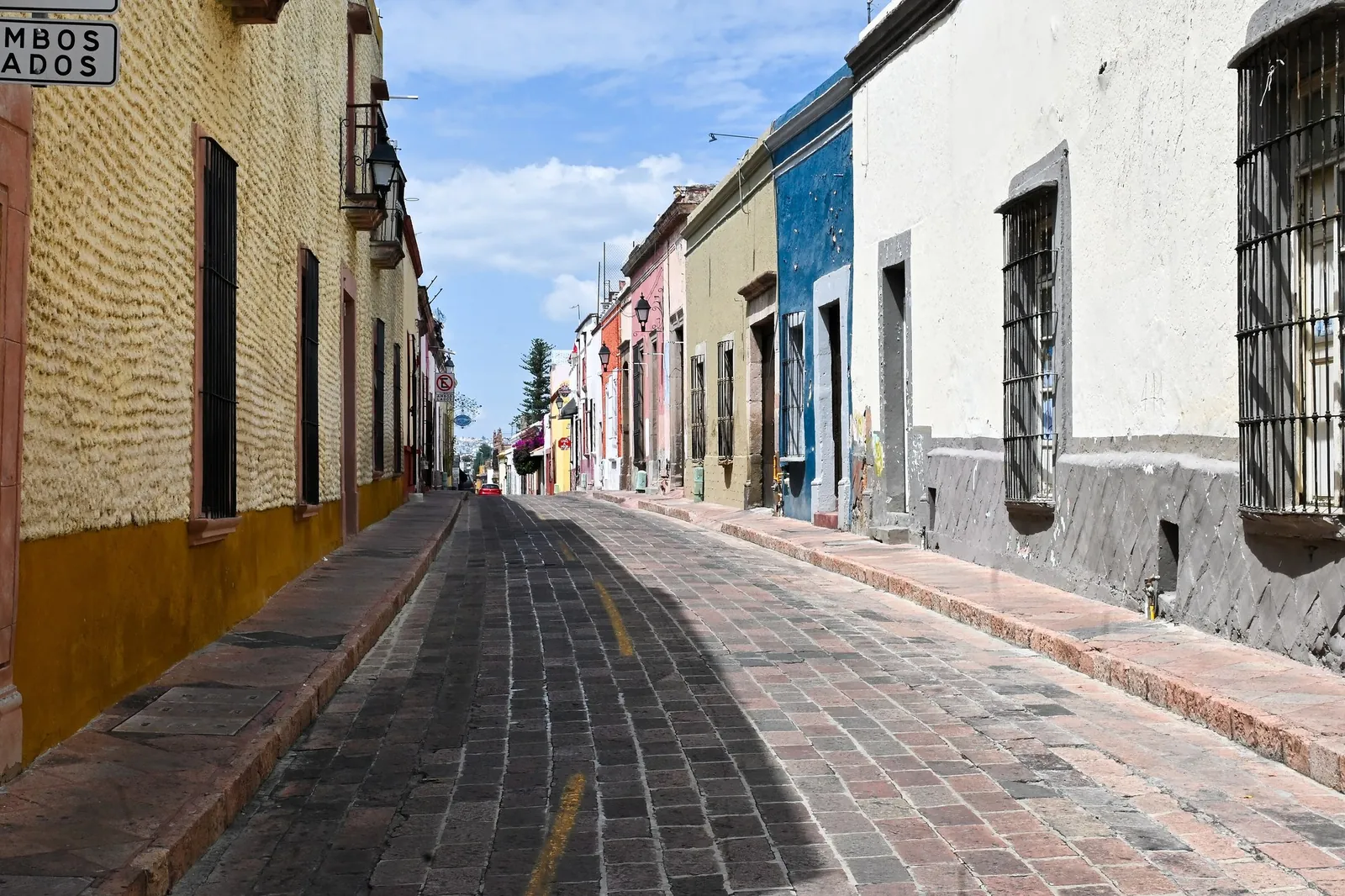
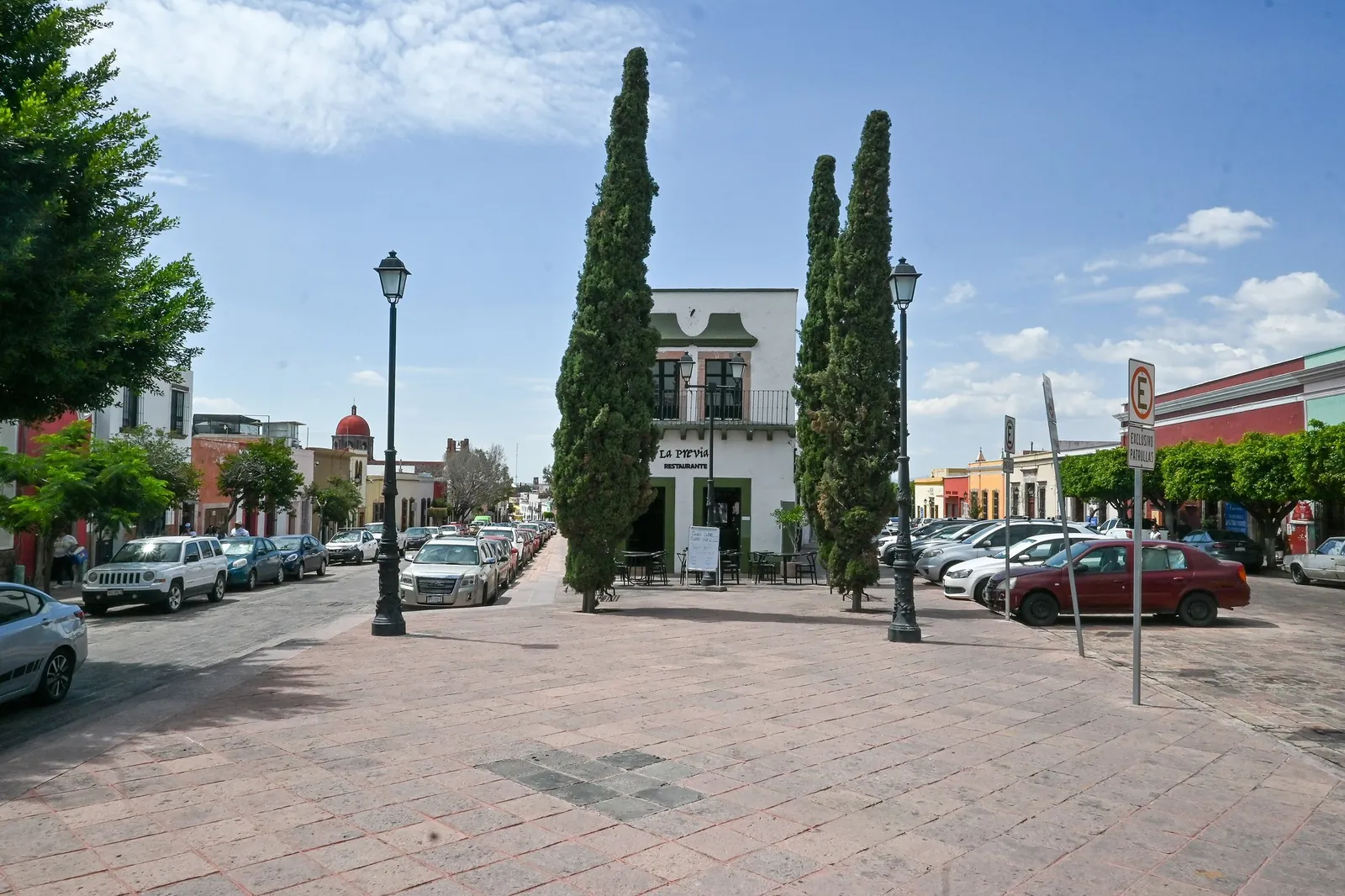
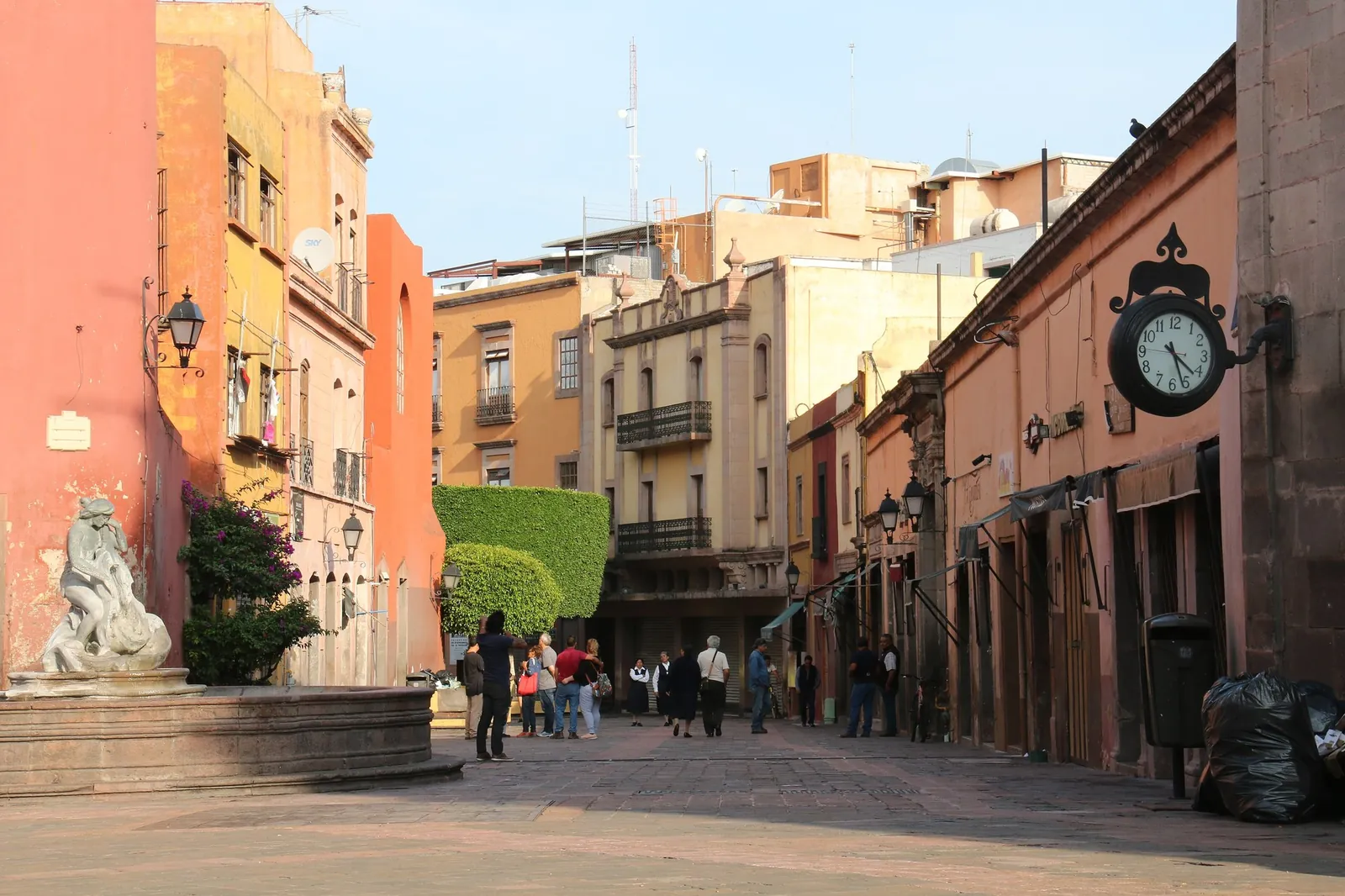
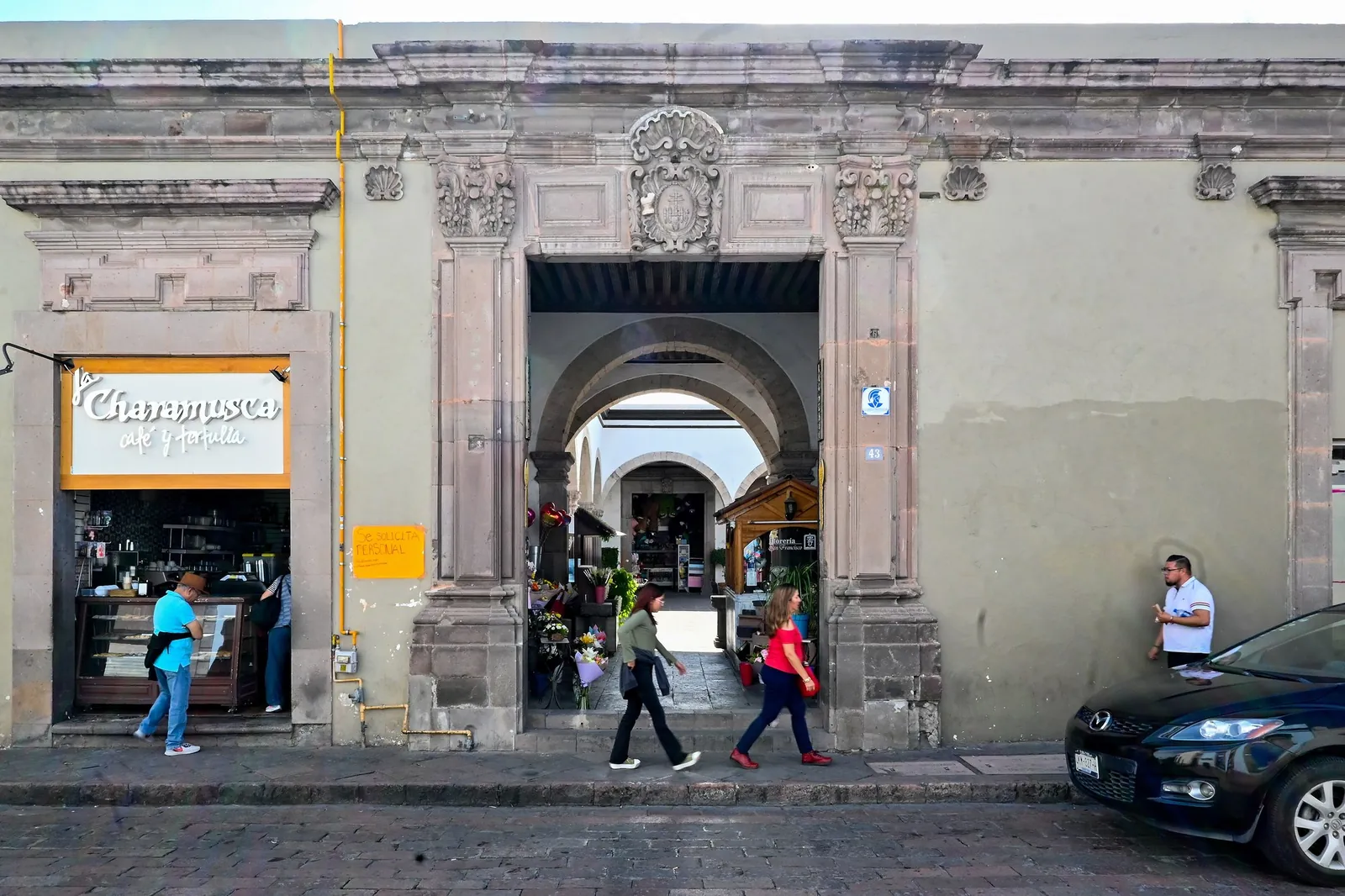
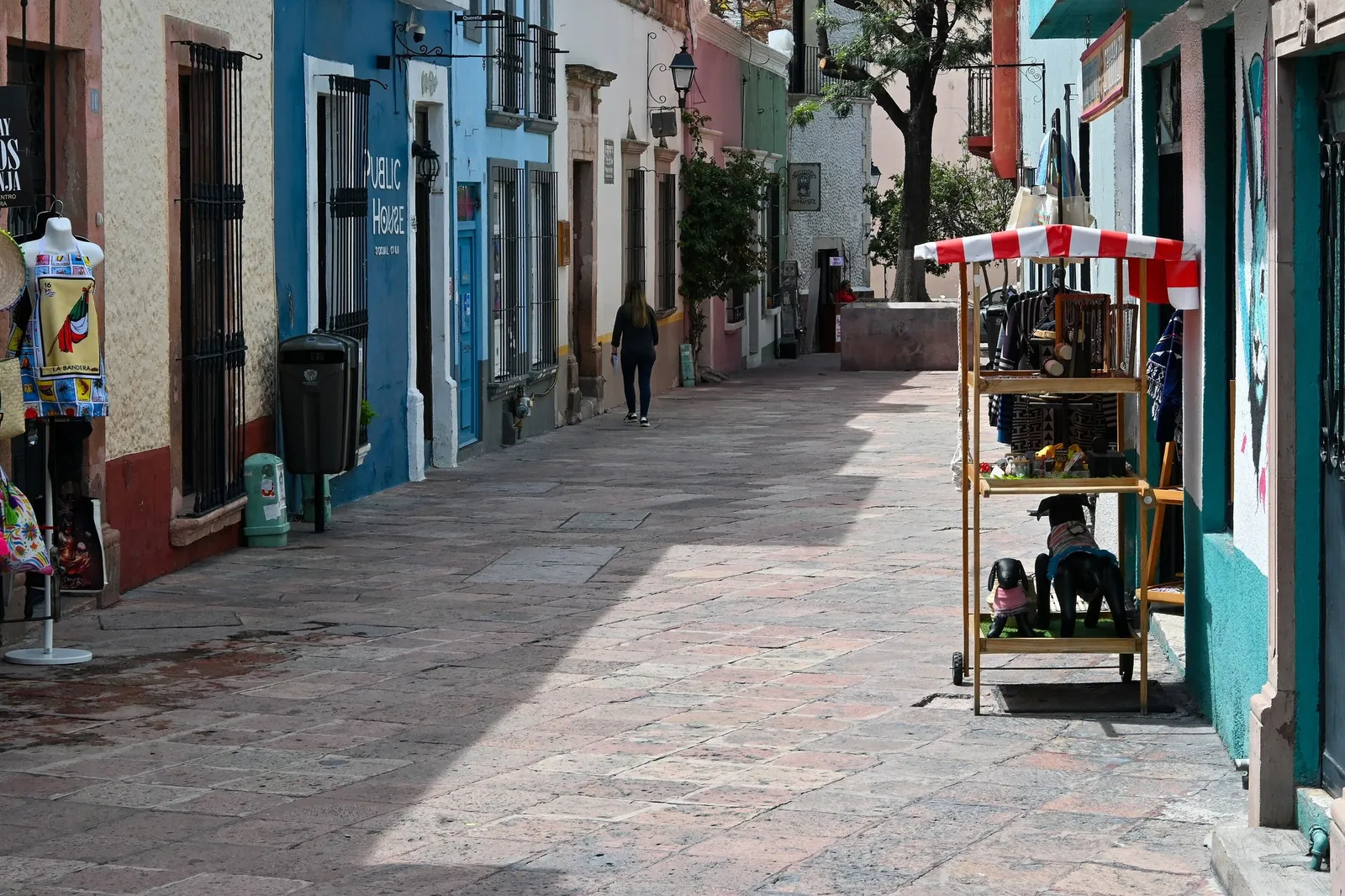
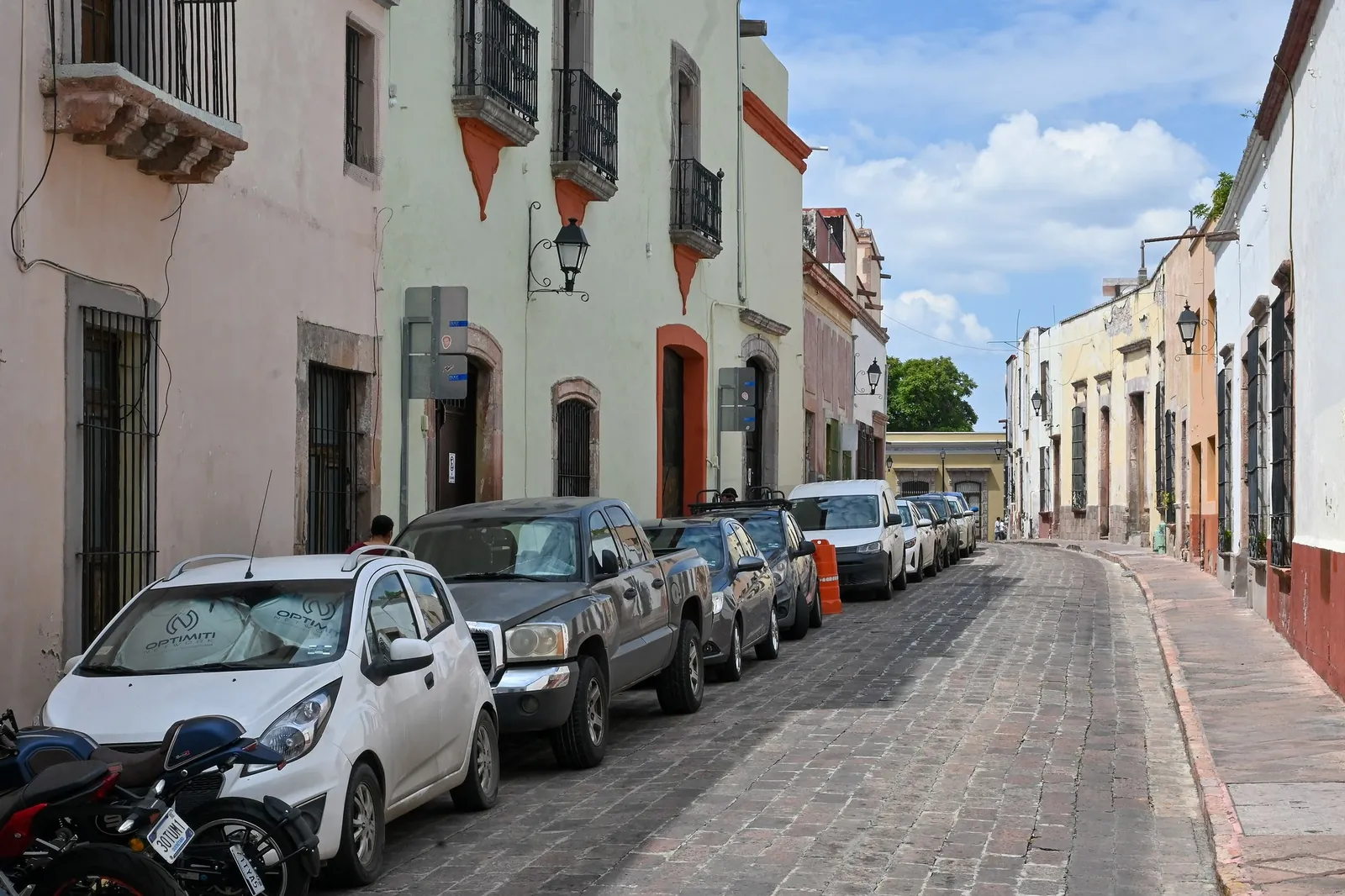
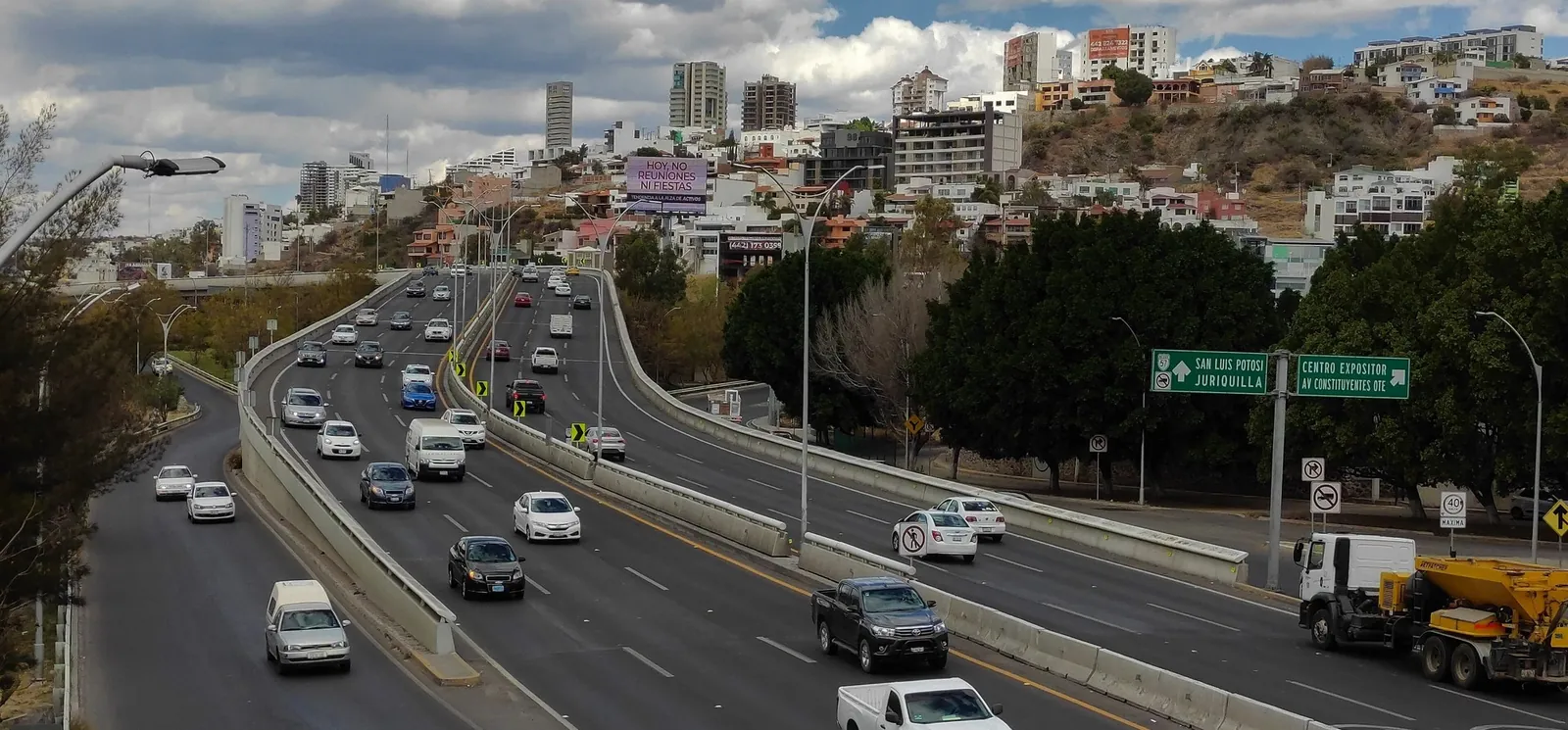
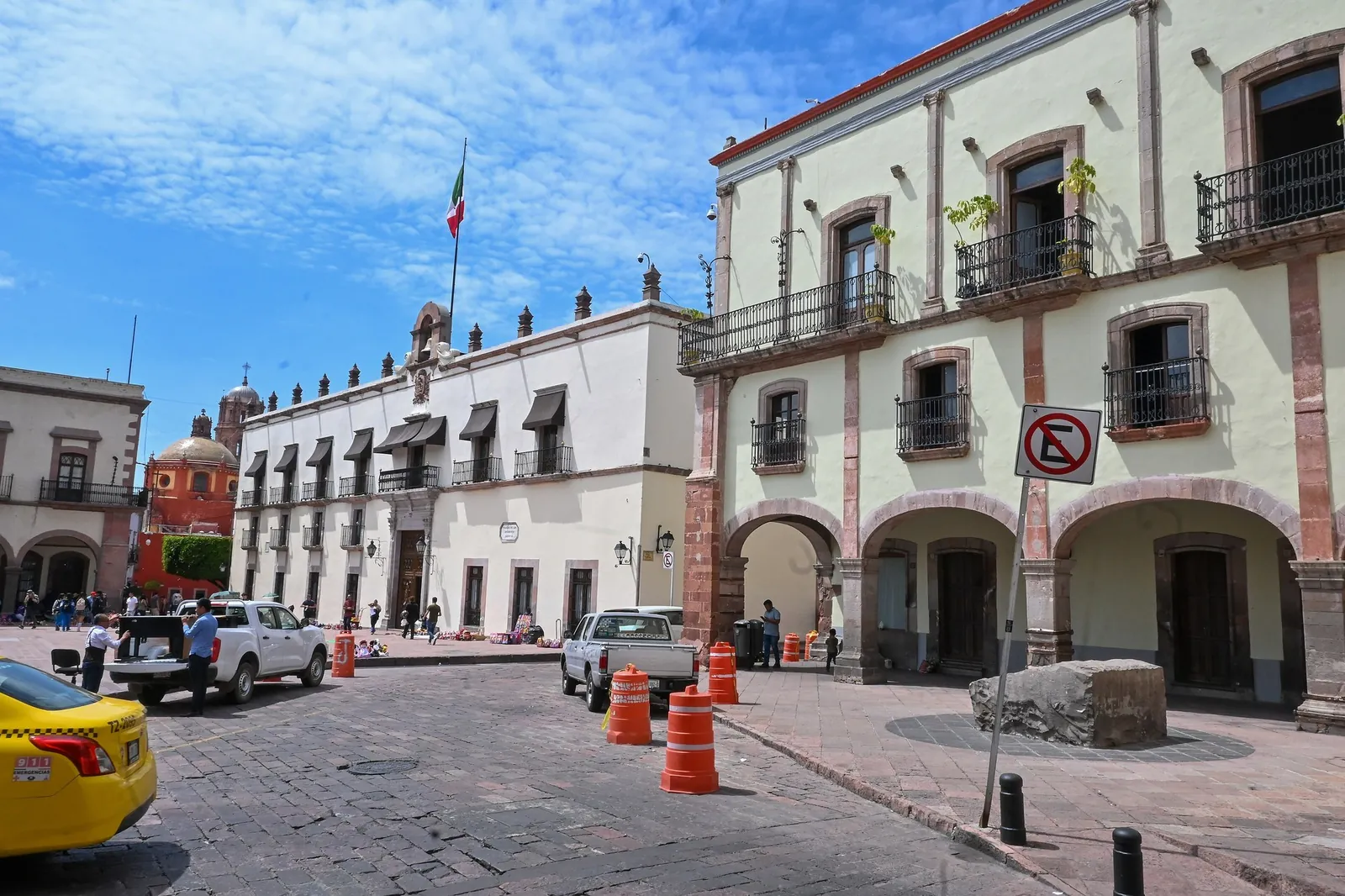
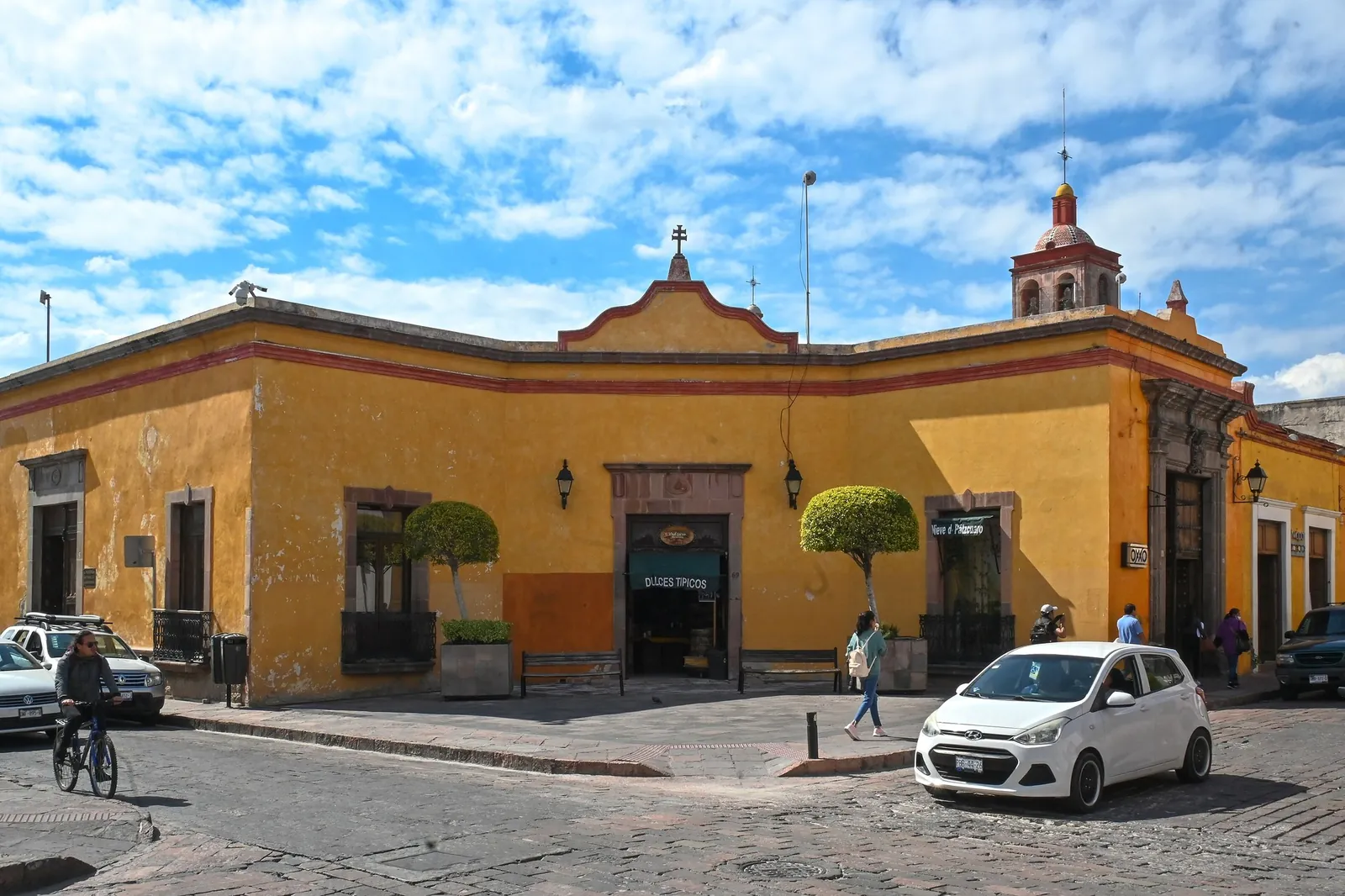
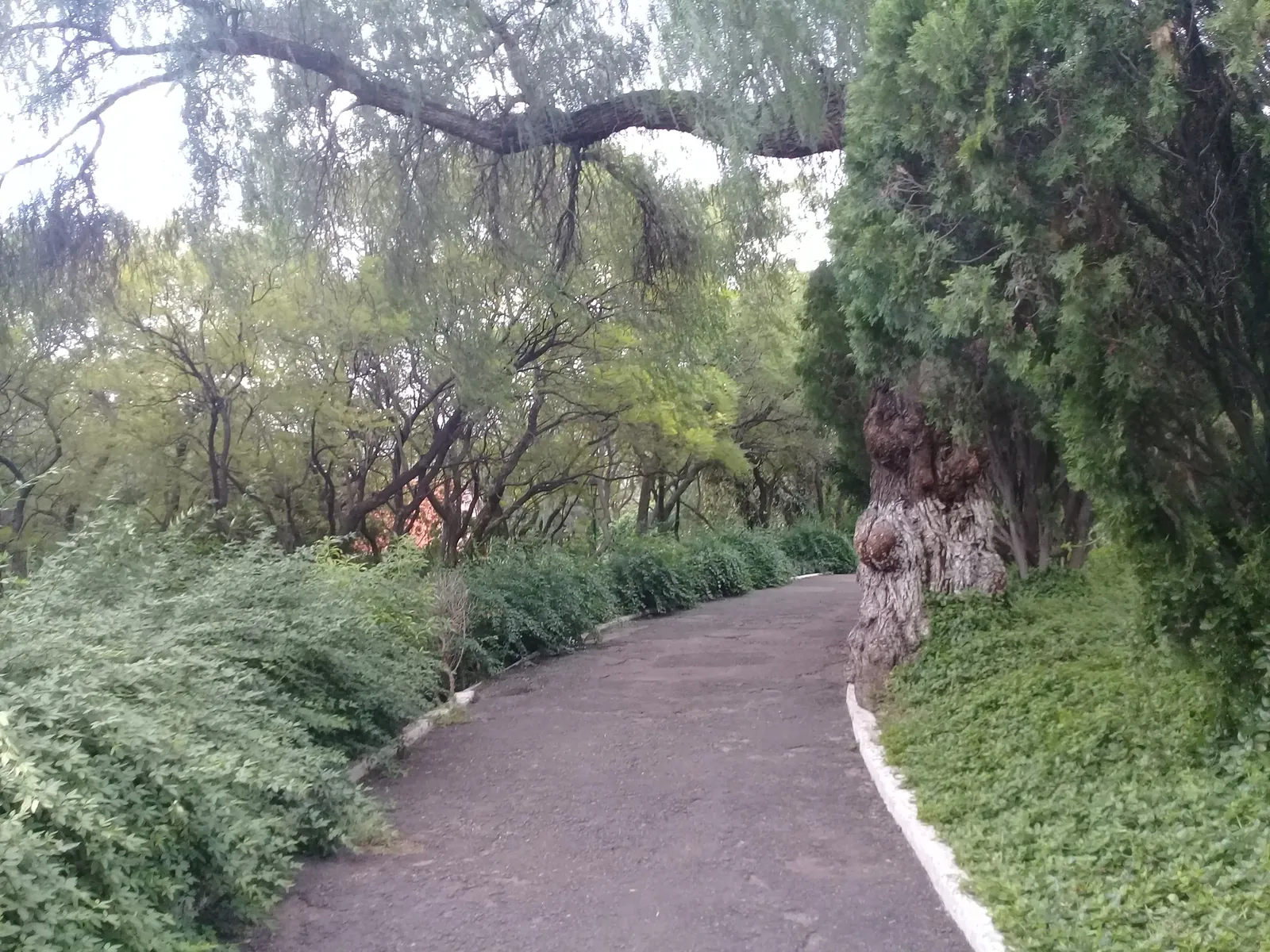
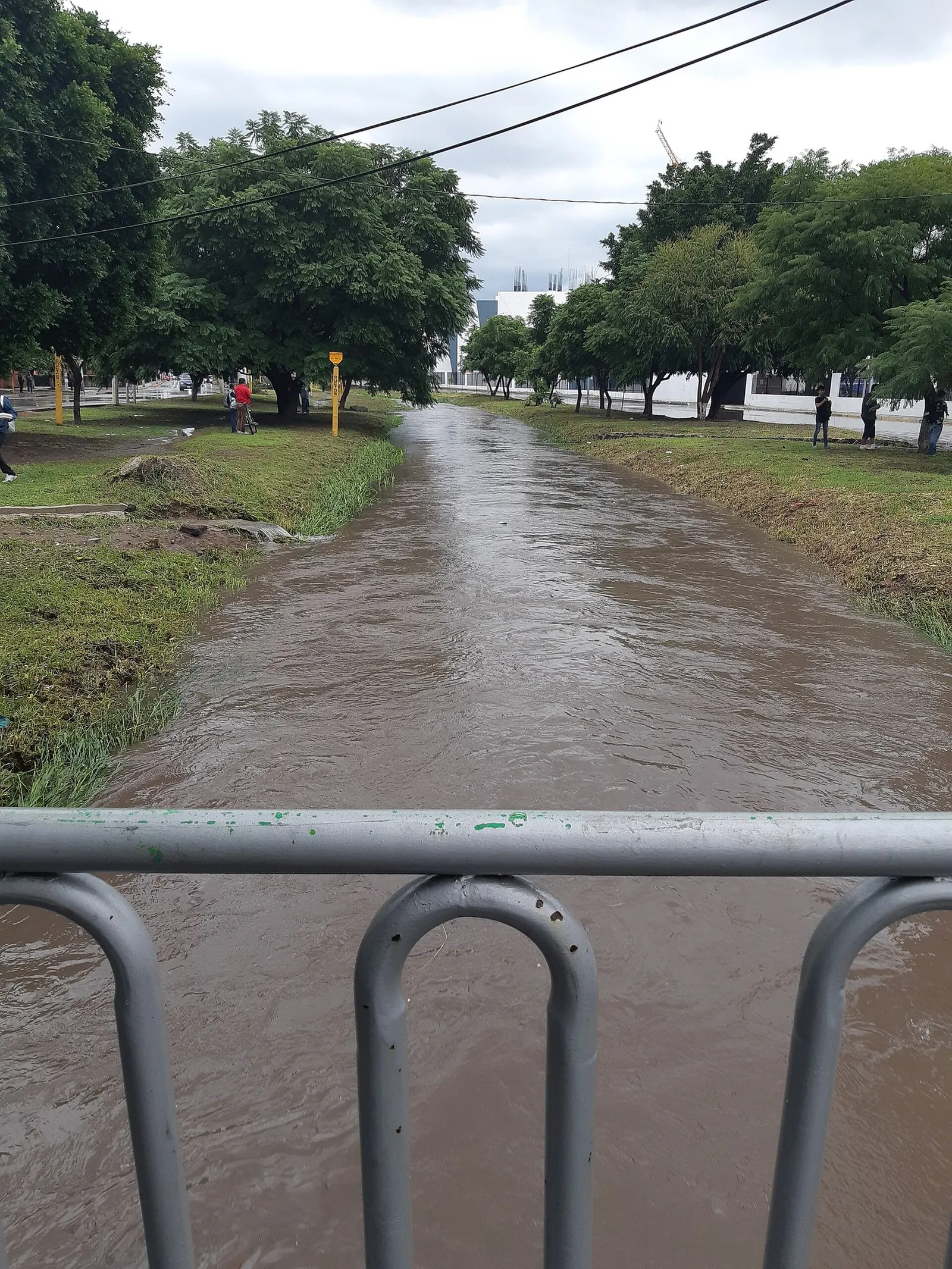
Authentic, unedited photos of Querétaro by residents and visitors, taken on ordinary days rather than chosen by a tourist board. Each one shows when it was taken. Browse photos of all 83 cities →











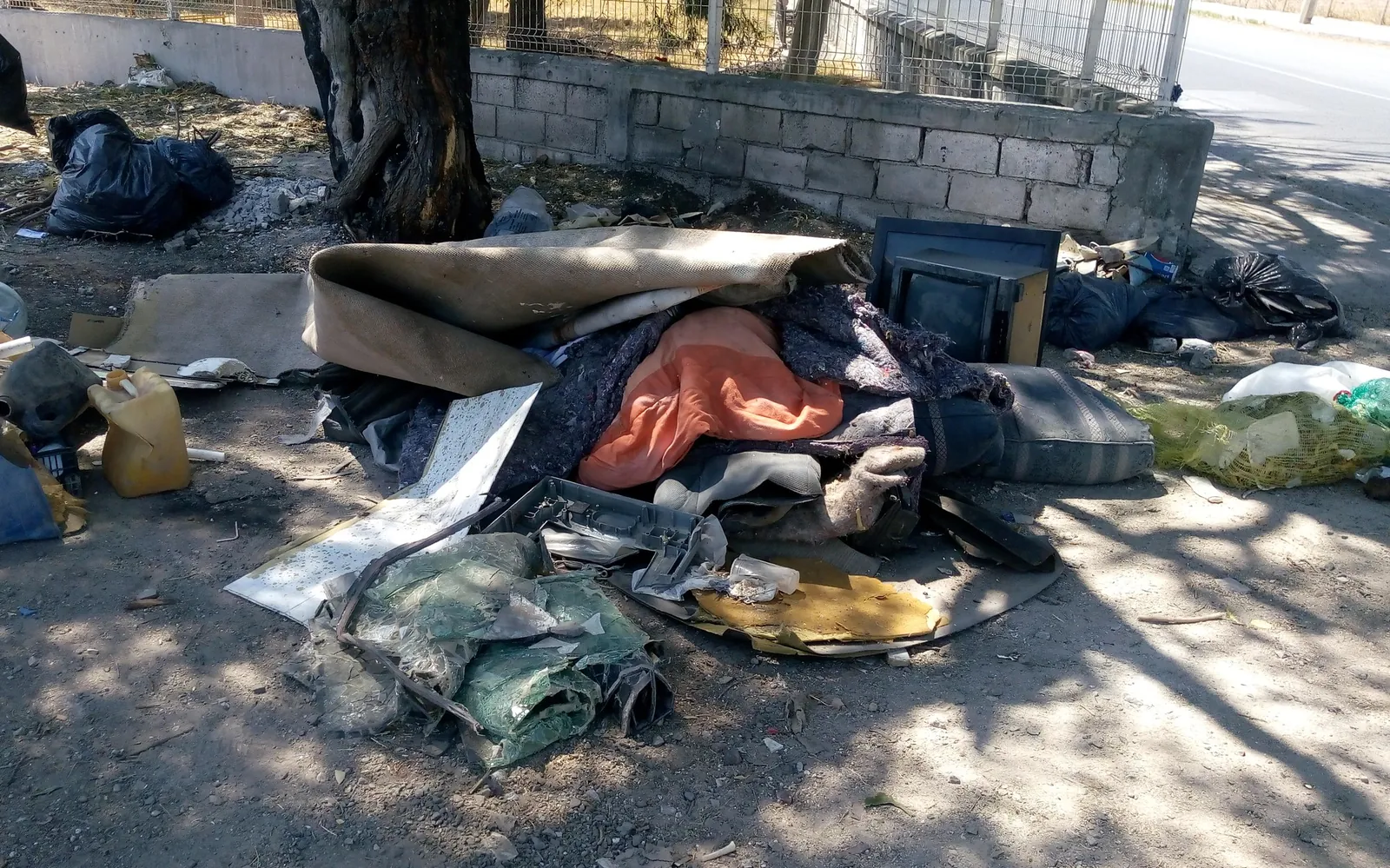
The other side


Cost of Living in Querétaro
1-Bedroom Rent
$450-$900/month
Local Restaurant Meal
$5-$12 at local restaurants
Cup of Coffee
$2-$3.50
Estimated Monthly Total
$1,500-$2,400
Want a personalized estimate? Use our cost of living calculator
Healthcare in Querétaro
Querétaro's healthcare reflects its prosperity rather than its tourism. Hospital Ángeles Querétaro, Hospital H+ Querétaro, and Star Médica provide private care with modern equipment, specialist departments, and 24-hour emergency cover; consultations run $30-$60. The city also has a large public sector through IMSS and ISSSTE serving its industrial workforce. English is less consistently available than in Puerto Vallarta or San Miguel de Allende — some specialists speak it, many do not — so retirees generally either learn functional Spanish or use a medical translator for appointments. For highly specialised procedures Mexico City is about three hours by road or a short flight, giving access to the best hospitals in the country.
Daily Life and Lifestyle in Querétaro
Querétaro's historic centre is one of the best preserved in Mexico, with plazas, arcades, and a 74-arch aqueduct running into the city — and unlike San Miguel de Allende it is a working city centre rather than a visitor attraction. Daily life happens in Spanish, at Mexican prices, among Mexican neighbours. The city has a strong food and wine scene, with the Querétaro wine region around Tequisquiapan and Bernal producing sparkling wine and hosting a growing gastronomic circuit. The Peña de Bernal, one of the world's largest monoliths, is an hour away, and the Sierra Gorda biosphere reserve is a few hours north. What the city lacks is an international social infrastructure: there are few English-language clubs or groups, so retirees here integrate locally or feel isolated.
Climate and Weather in Querétaro
Querétaro has a semi-arid highland climate produced by its 1,820 m elevation. Daytime temperatures run 23-29°C through most of the year, dropping to 8-14°C at night, with a genuinely warm spell in April and May before the rains. The rainy season runs June to September, with short heavy afternoon storms that clear quickly rather than all-day rain. Winter days are mild at 20-24°C but nights are cold, occasionally near freezing, and Mexican houses are generally unheated — which is the single most common complaint from new arrivals. Humidity is low year-round, which makes the warm months comfortable in a way coastal Mexico is not.
Pros and Cons of Retiring in Querétaro
Pros
- Among the safest cities in Mexico — consistently ranked at the top
- Highland climate at 1,820 m: 23-29°C days, low humidity, no air conditioning needed
- Good private hospitals and an international airport, backed by a prosperous local economy
- UNESCO historic centre that is a working city rather than a tourist set
- Substantially cheaper than Puerto Vallarta or San Miguel de Allende
Cons
- No beach — this is the central plateau
- Small international community and few English-language groups
- Daily life and most medical appointments happen in Spanish
- Winter nights are cold and Mexican houses are generally unheated
- Growing fast, with traffic and sprawl increasing accordingly
Who Is Querétaro Best For?
Retirees who put safety, climate, and value above beach access and an English-speaking social scene, and who are willing to function in Spanish in exchange for living in a prosperous, well-run Mexican city.
Where to Live in Querétaro
Centro Histórico
The UNESCO core of plazas, arcades, and colonial houses. One-bedrooms run $500-$900/month. Walkable, lively, and genuinely Mexican; older buildings can be cold in winter and parking is difficult.
Juriquilla & Zibatá
Modern planned developments to the north with new housing, gated communities, and shopping. Rents run $600-$1,100/month. Popular with professionals and the small international community; a car is essential.
Álamos & Jardines
Established residential districts between the centre and the north, with mature trees and mid-century houses. Rents run $450-$800/month. Quiet, practical, and close to the private hospitals.
Hospitals and Healthcare Facilities in Querétaro
Hospital Ángeles Querétaro
Part of one of Mexico's largest private hospital groups, with modern equipment, specialist departments, and 24-hour emergency cover. The usual first choice for private care.
Hospital H+ Querétaro
Modern private hospital with specialist clinics, imaging, and emergency services, well regarded locally and used by the professional community.
Star Médica Querétaro
Private hospital providing general medicine, surgery, and diagnostics, giving the city a third strong private option.
Facility details may change. Verify accreditation status and services directly with each hospital before making healthcare decisions.
Dining and Food Scene in Querétaro
Querétaro sits in one of Mexico's emerging wine and cheese regions, and that shapes its food scene. The area around Tequisquiapan and Bernal produces sparkling wine and artisanal cheese, and the gastronomic route through them is a normal weekend rather than a specialist trip.
In the city, the historic centre has a serious restaurant scene at $12-$25 for a main, alongside the everyday fondas and taquerías where a full comida corrida costs $5-$8. Enchiladas queretanas — tortillas in a mild guajillo sauce with potato and carrot — are the local dish.
Weekly groceries for two run $50-$80, comfortably below Puerto Vallarta. Mercado de la Cruz handles produce, meat, and cheese at local prices, and the city's size means full-scale supermarkets and imported goods are readily available without the coastal tourist premium.
Is Querétaro Right for You?
Take our free 3-minute retirement quiz to see how Querétaro and Mexico compare to other destinations based on your preferences, budget, and needs.
Take the Retirement QuizFrequently Asked Questions About Retiring in Querétaro
Why is Querétaro considered so safe?
Querétaro state consistently ranks among the safest in Mexico on national security surveys, and the city has largely avoided the organised crime problems affecting other regions. It is a prosperous manufacturing and aerospace centre with a large professional middle class, which correlates strongly with low violent crime. For retirees weighing Mexico, safety varies enormously by state, and Querétaro sits at the favourable end of that range alongside Yucatán.
How does Querétaro compare with San Miguel de Allende?
San Miguel has a large, organised, English-speaking international community, a famous arts scene, and prices to match. Querétaro is an hour away, larger, cheaper, safer, and has better hospitals and an international airport — but almost no English-language social infrastructure. People who want an expat community choose San Miguel; people who want a functioning Mexican city with better practical services choose Querétaro.
Do I need Spanish in Querétaro?
Realistically, yes. This is not a retirement destination built around foreign residents: shops, banks, government offices, and most medical appointments operate in Spanish. Some private-hospital specialists speak English but many do not. Retirees who arrive with functional Spanish, or commit to learning it, do well here; those expecting to get by in English generally find Puerto Vallarta, Lake Chapala, or San Miguel de Allende easier.
Sources & References
- Hospital Ángeles Querétaro — Private hospital services, specialist departments, and emergency provision
- Mexican National Institute of Statistics and Geography (INEGI) — State-level security perception surveys and demographic data for Querétaro
- Mexican National Institute of Migration (INM) — Temporary and permanent residency requirements and income thresholds for retirees
- Numbeo — Cost of living index and price data for Querétaro