
City Retirement Guide
Retire in Puerto Vallarta, Mexico
Banderas Bay resort city with world-class private hospitals and Mexico's most established beach expat community
Puerto Vallarta at a Glance
- Elevation & setting
- Sea level on Banderas Bay, Jalisco; Sierra Madre directly behind the town; ~20.6°N
- Annual temperature
- 22-30°C November-May with almost no rain; 26-33°C and humid June-October, within the Pacific hurricane season
- Nearest international airport
- Licenciado Gustavo Díaz Ordaz International (PVR), in the city
- Nearest major hospital
- Hospital San Javier Puerto Vallarta, in the city
- Primary retirement visa
- Mexican temporary residency; 2026 thresholds ~$4,705/month income or ~$79,286 savings
- Language environment
- Spanish official; English very widely spoken in the tourist core, hospitals, and the international community
Puerto Vallarta's population roughly halves between the winter high season and the summer — so many part-year residents leave in June that restaurants close and the town becomes noticeably more Mexican.
Overview of Puerto Vallarta for Retirees
Puerto Vallarta sits on Banderas Bay on Mexico's Pacific coast at roughly 20.6°N, with the Sierra Madre rising directly behind the town. It has the largest and longest-established international community of any Mexican beach destination — around 40,000 to 50,000 foreign residents in peak season, of whom perhaps 10,000 to 15,000 stay year-round.
For retirees the decisive feature is medical. Hospital San Javier, CMQ, and Hospital Joya provide private care at a standard unusual outside Mexico City or Guadalajara, with specialist consultations at around $40 and English spoken throughout. Combined with a direct international airport (PVR) and a large English-speaking social infrastructure, that makes Puerto Vallarta one of the easiest places in Latin America to retire without learning Spanish.
The cost is genuinely higher than the Mexican average: a couple should budget roughly $2,500-$3,000 a month, and modern one-bedroom apartments near the water rent for $1,200-$1,800. Older neighbourhoods inland and south towards Mismaloya are substantially cheaper. Puerto Vallarta is also openly and prominently LGBTQ-friendly, with Zona Romántica one of the best-known gay neighbourhoods in Latin America.
What Puerto Vallarta actually looks like
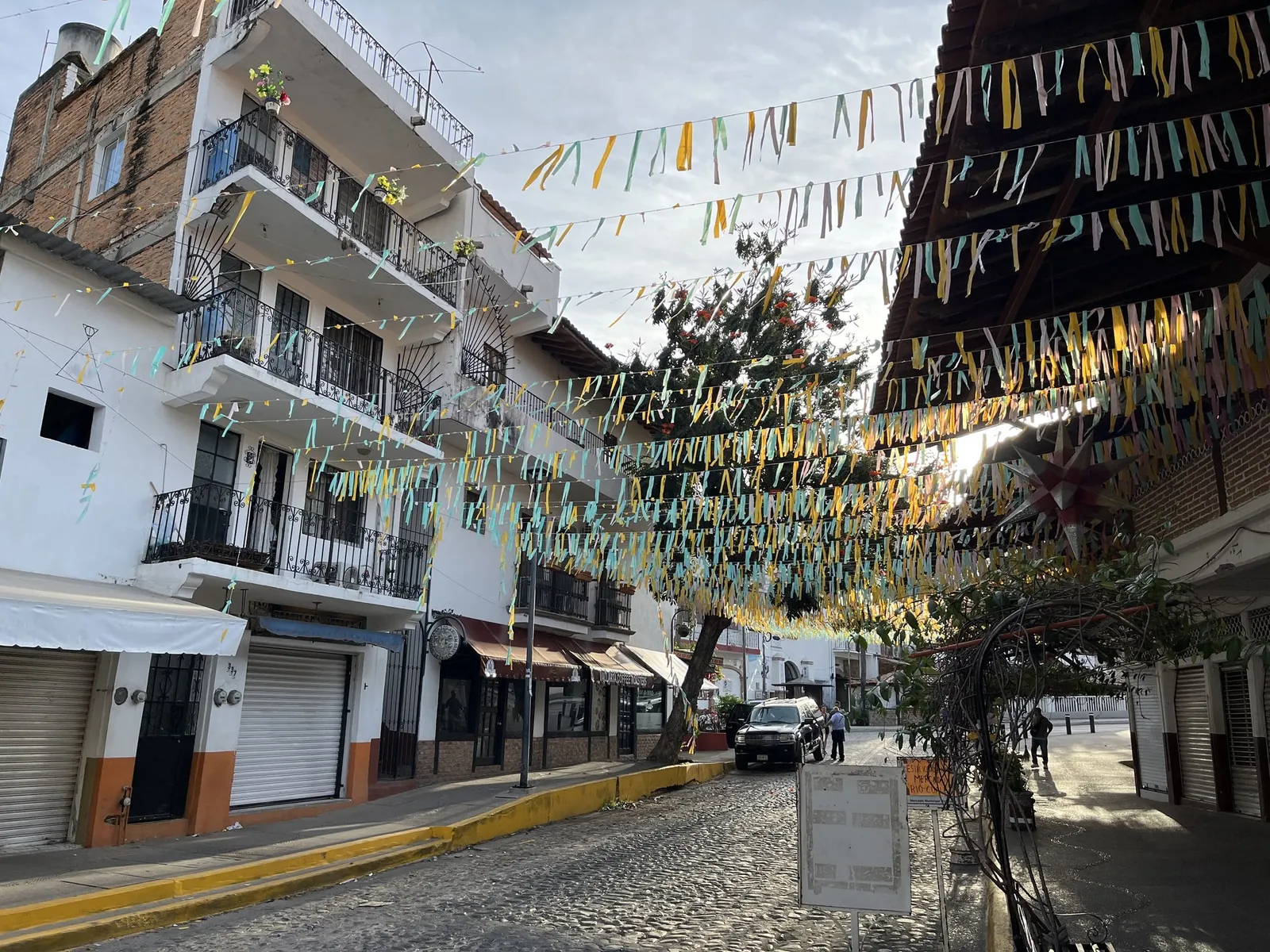
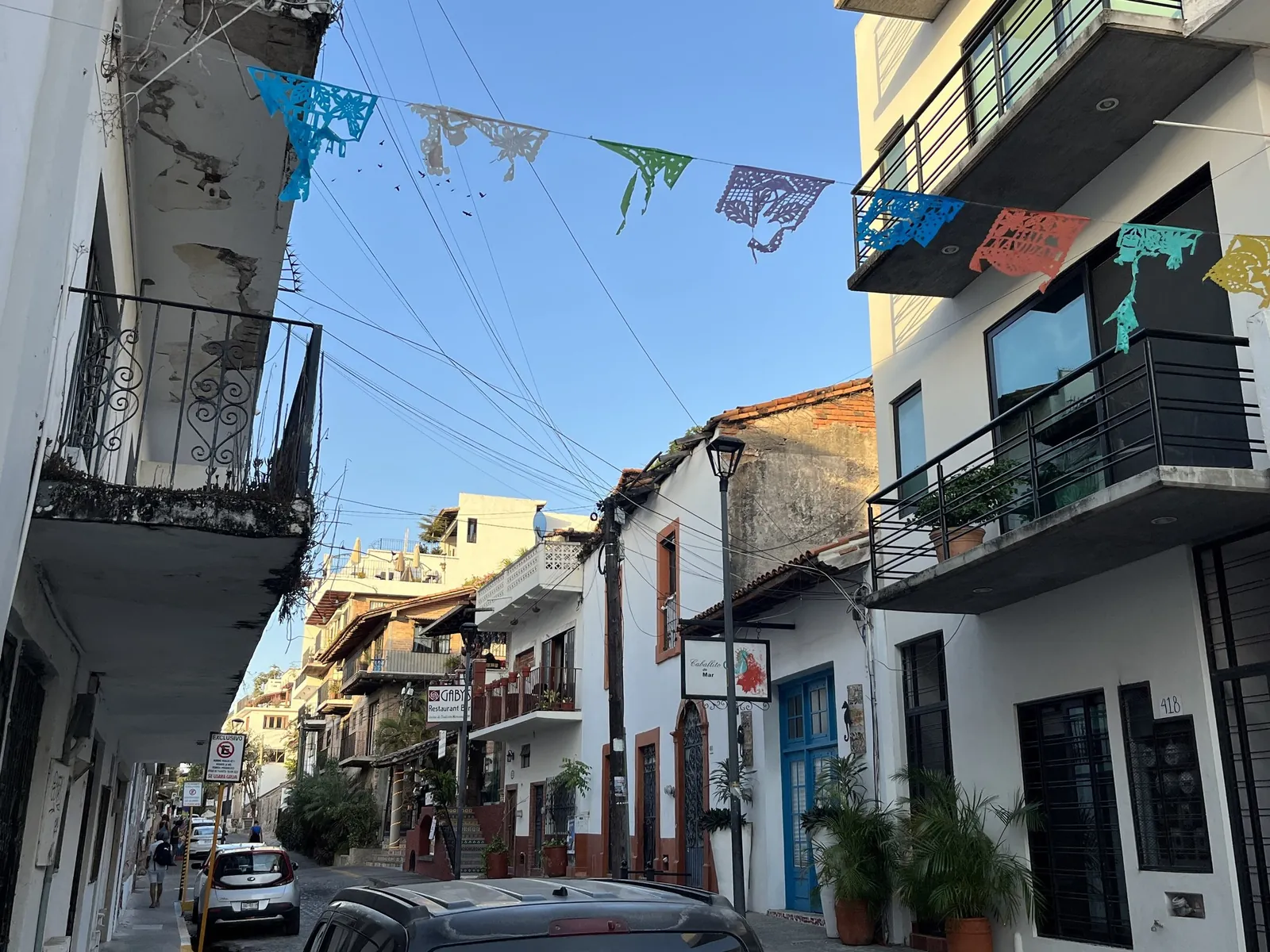
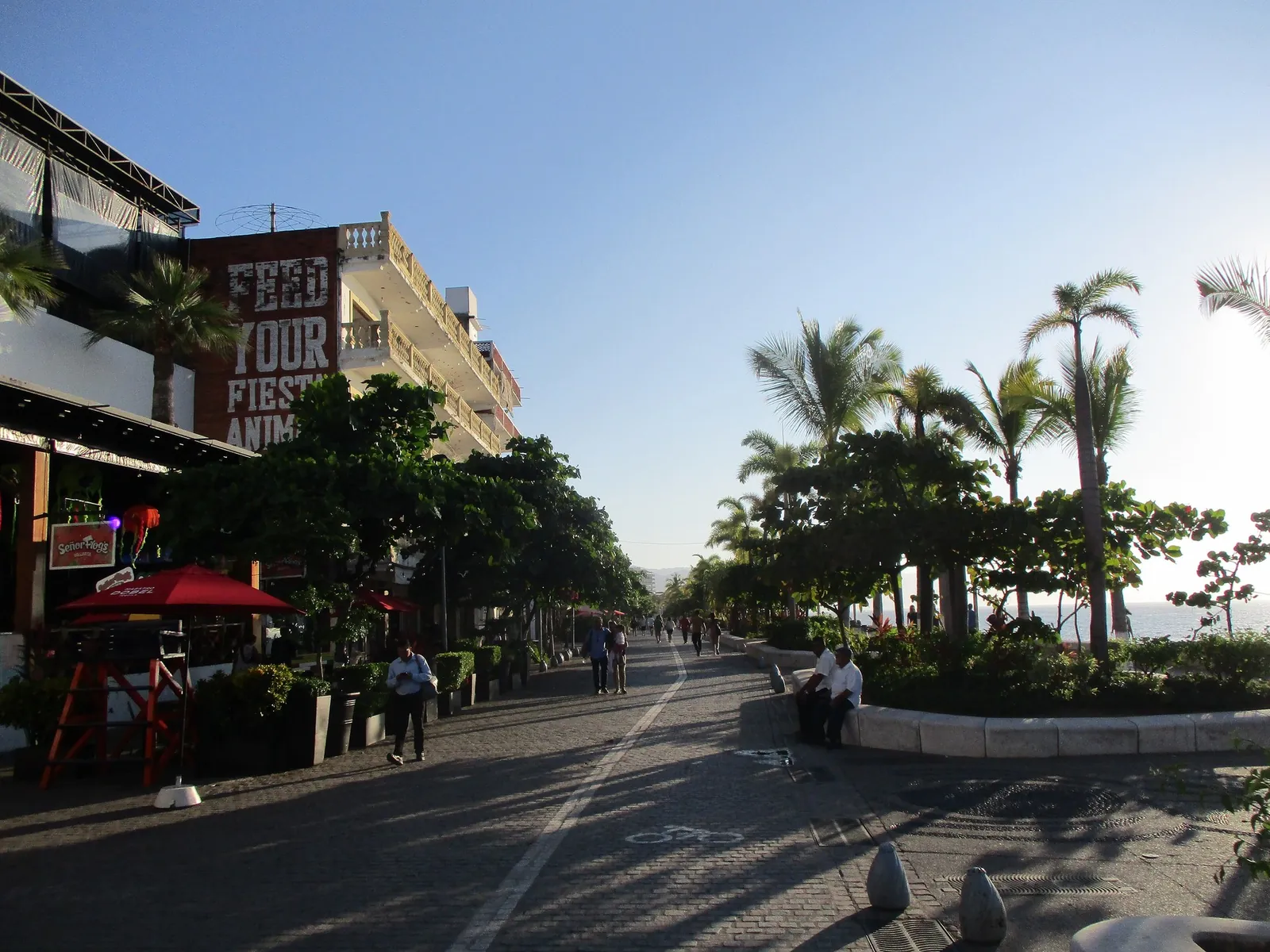
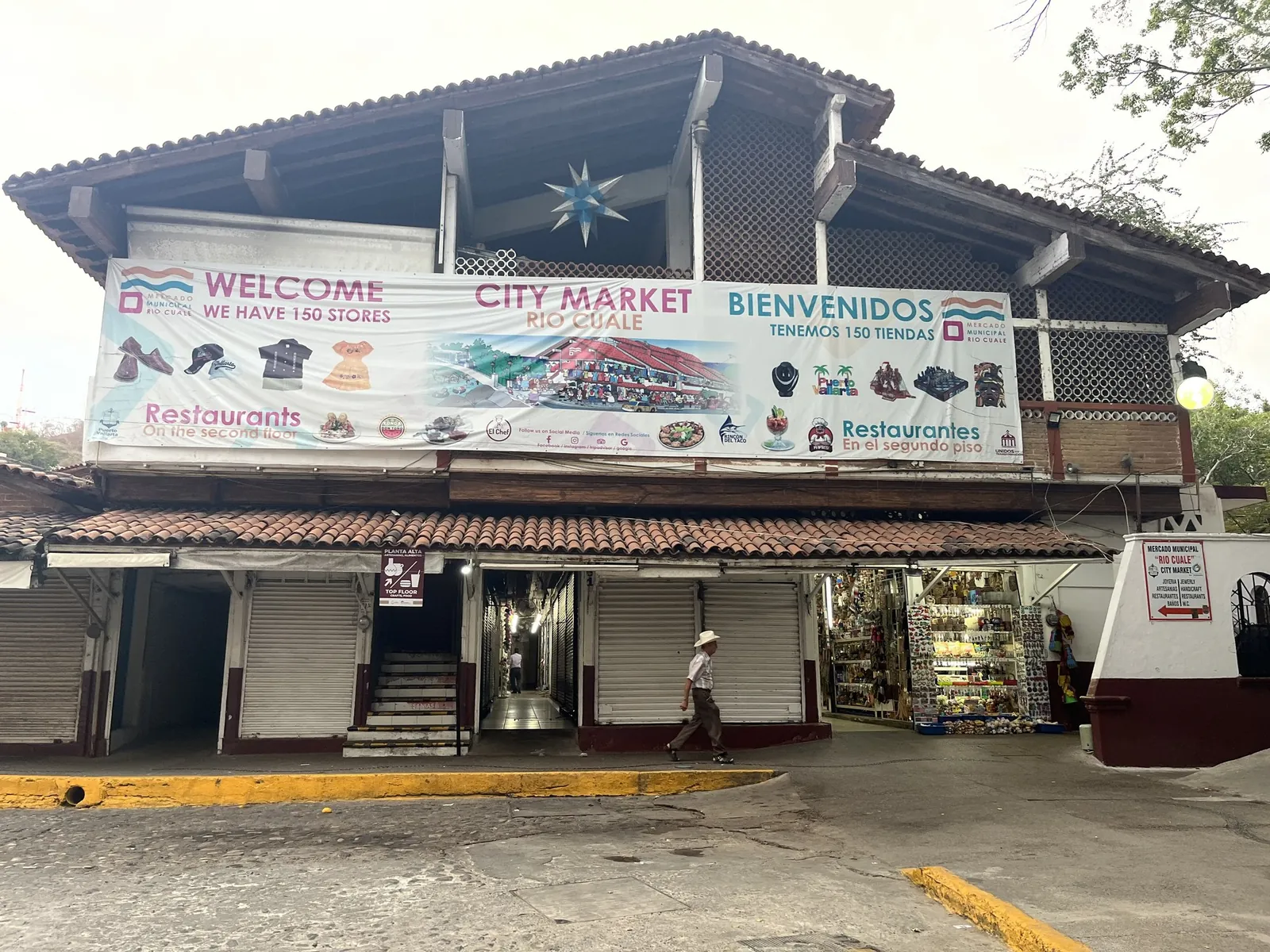
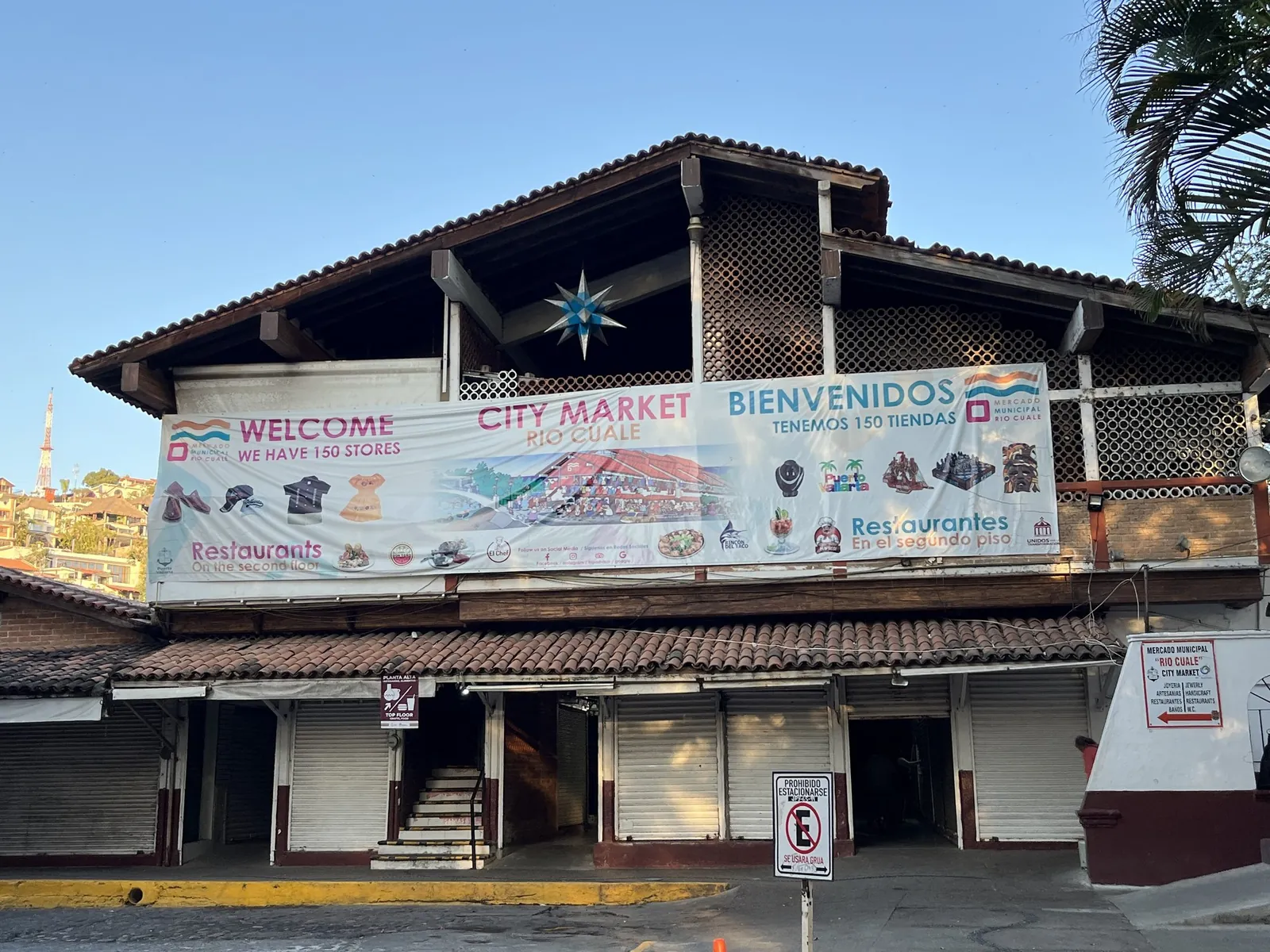
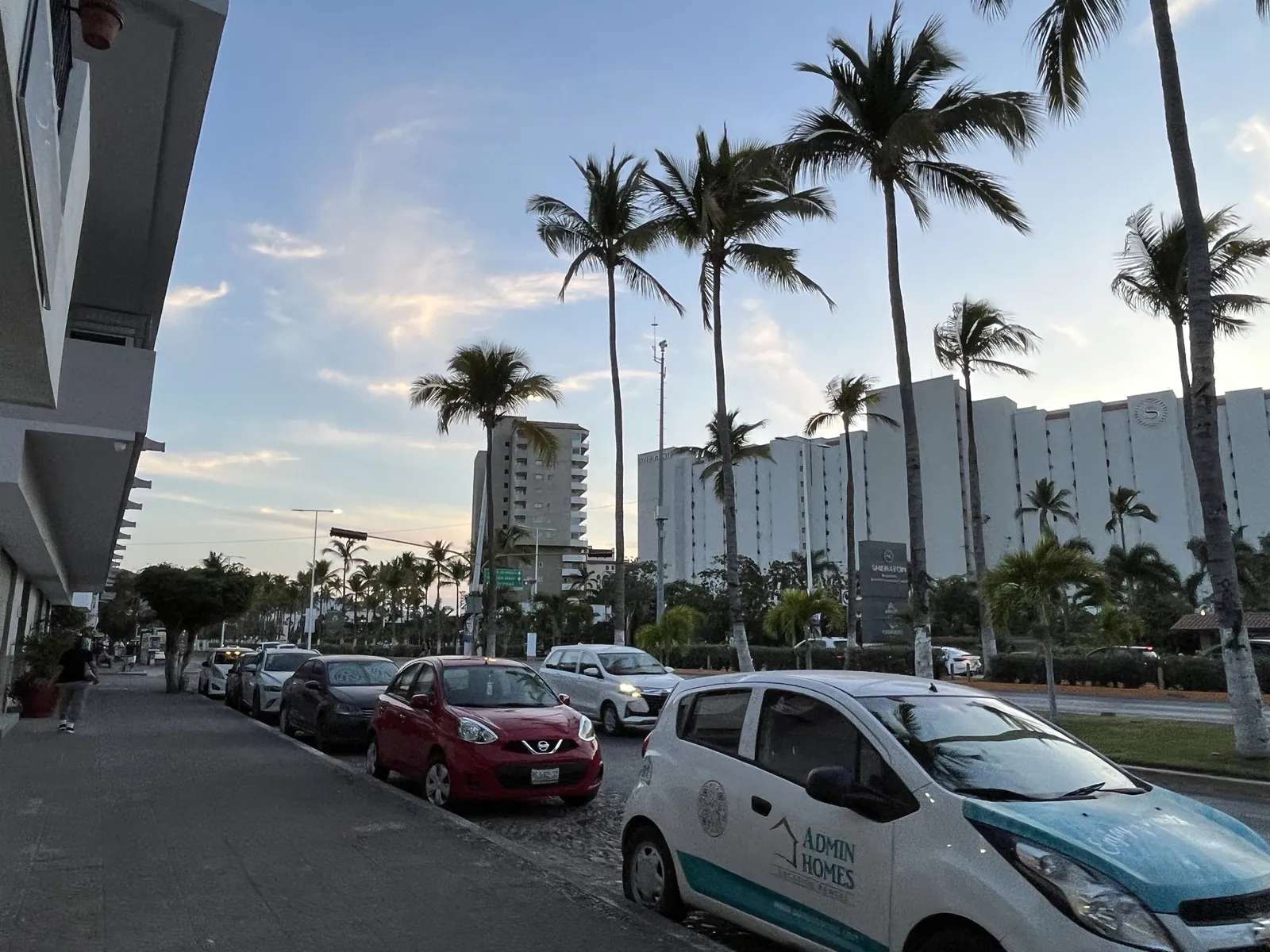
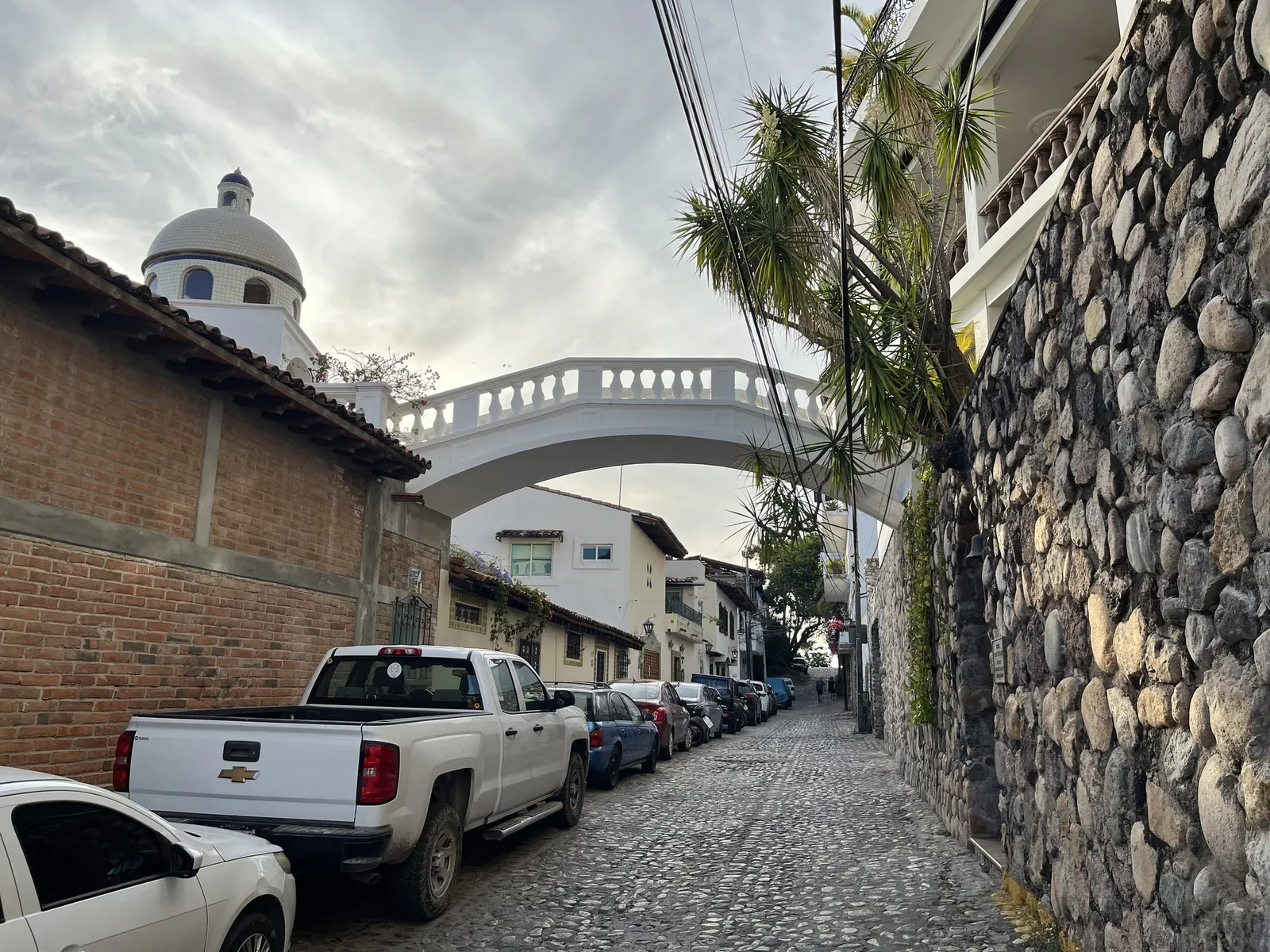
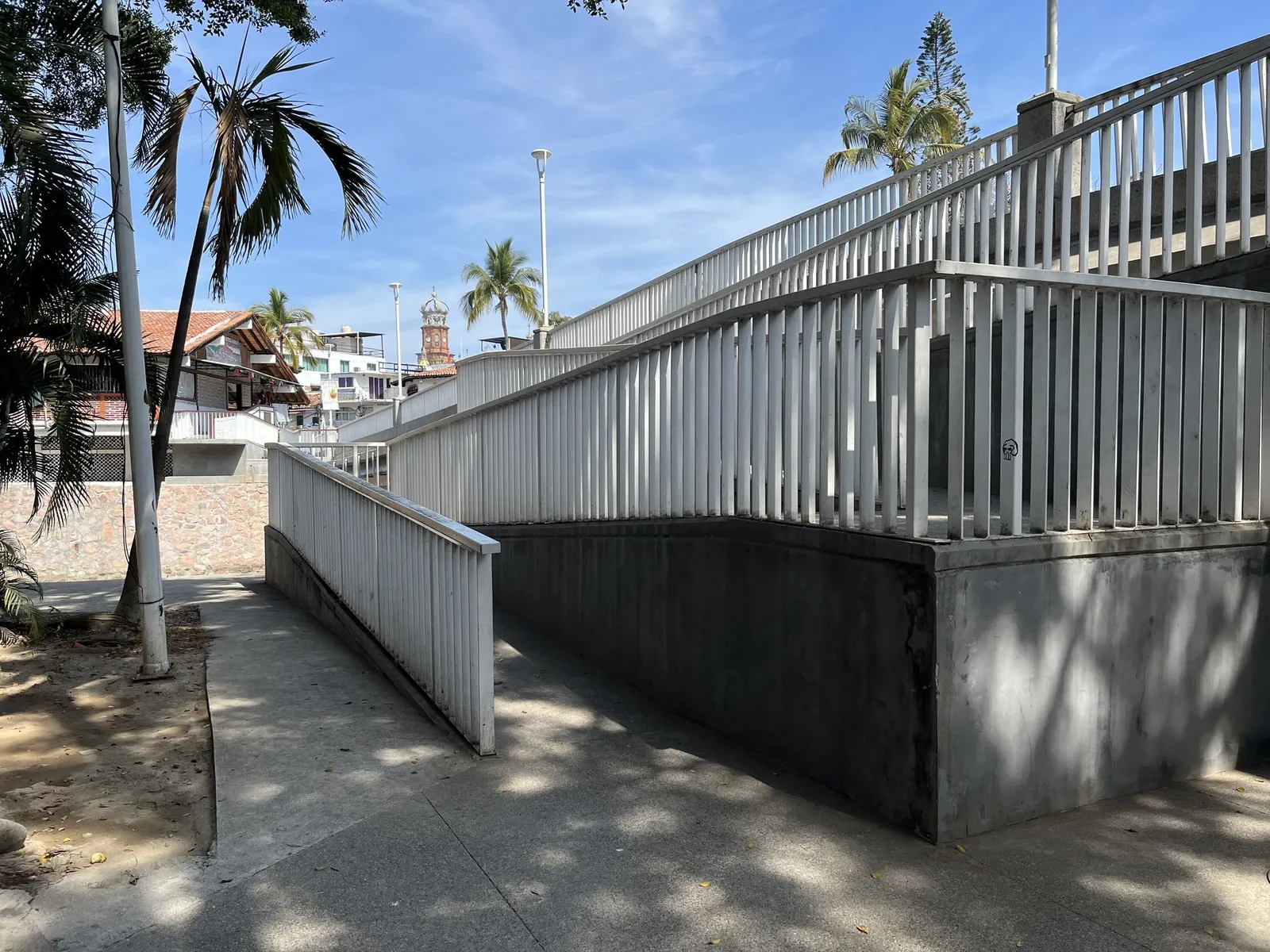
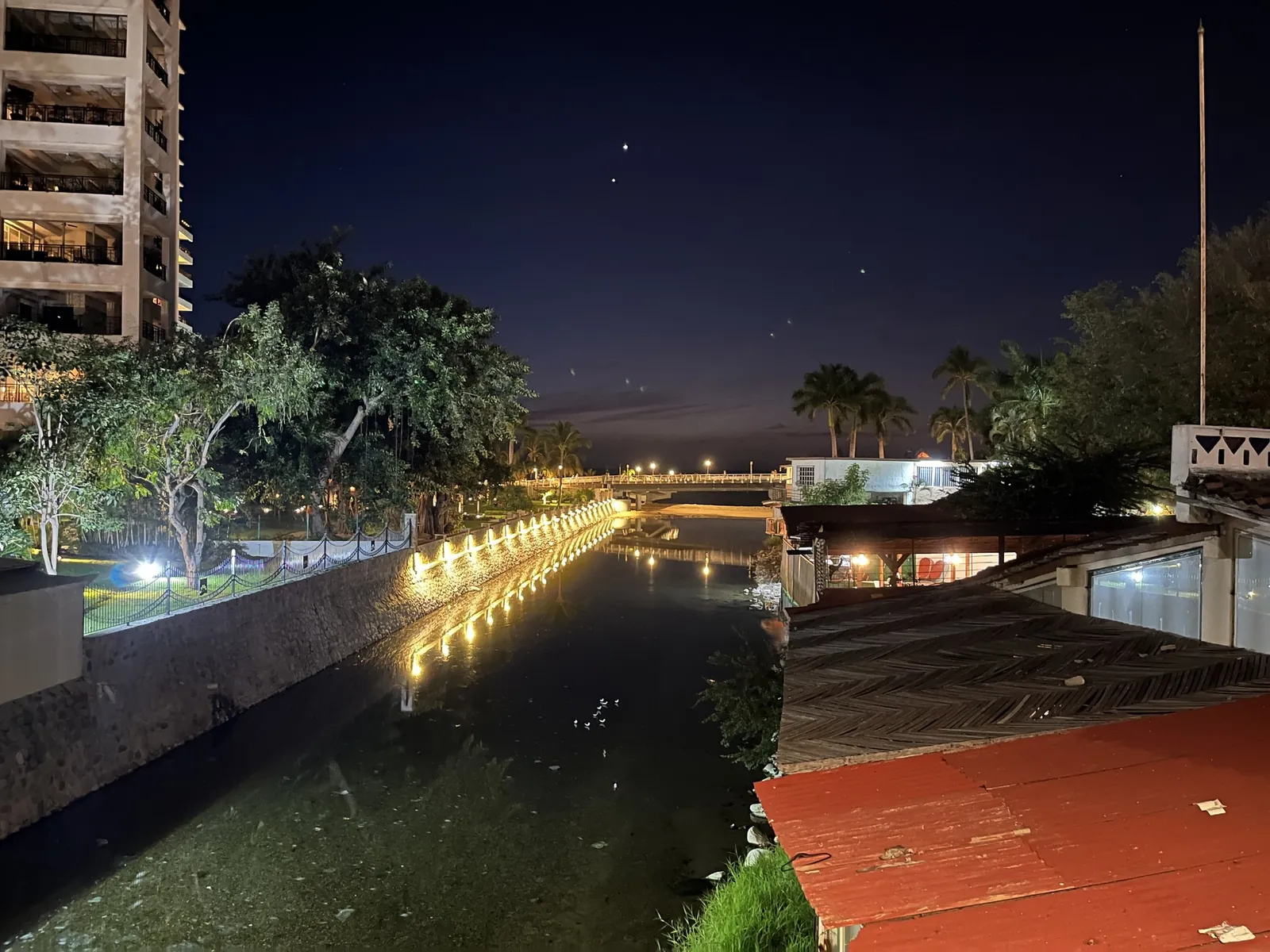
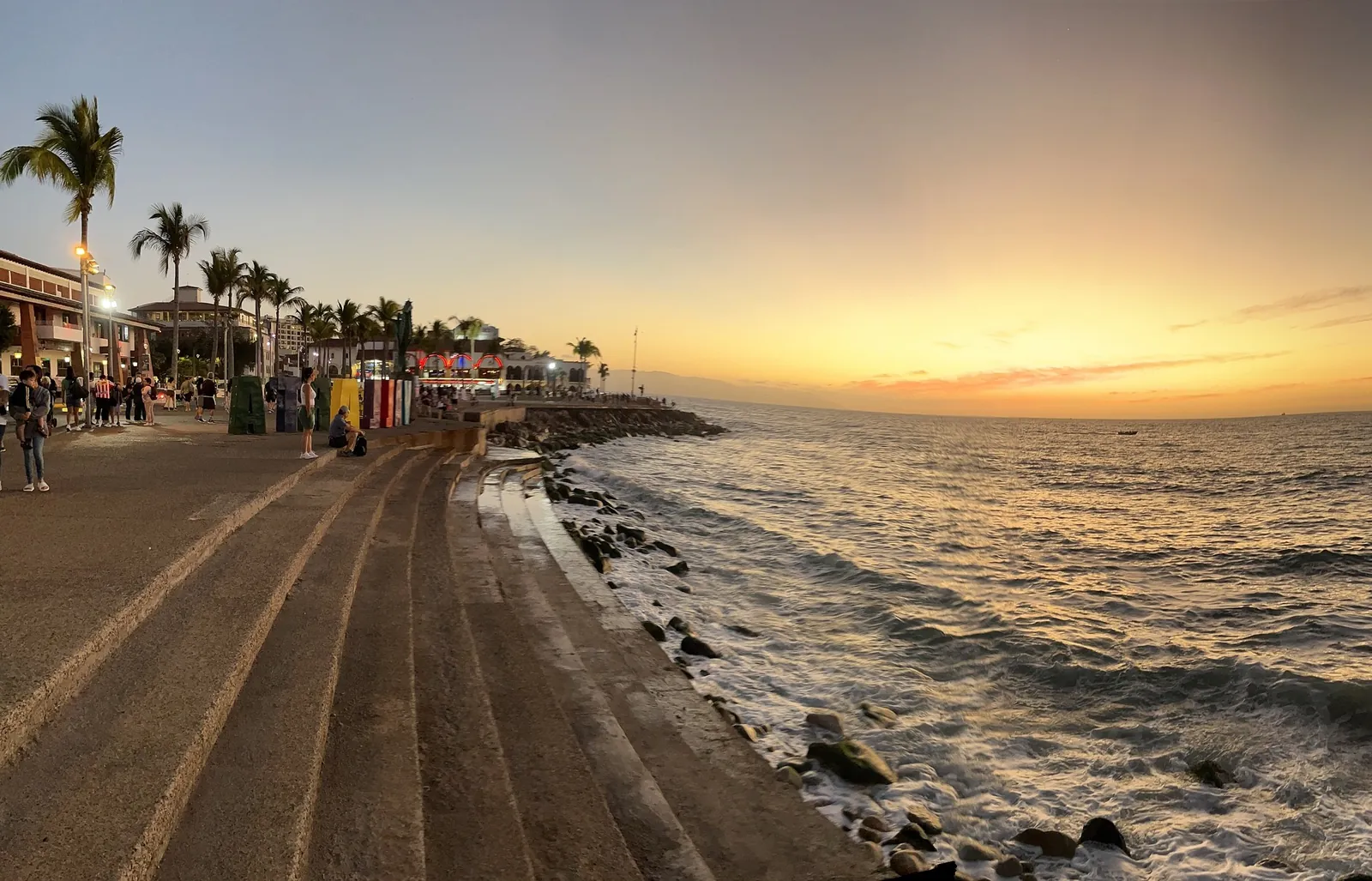
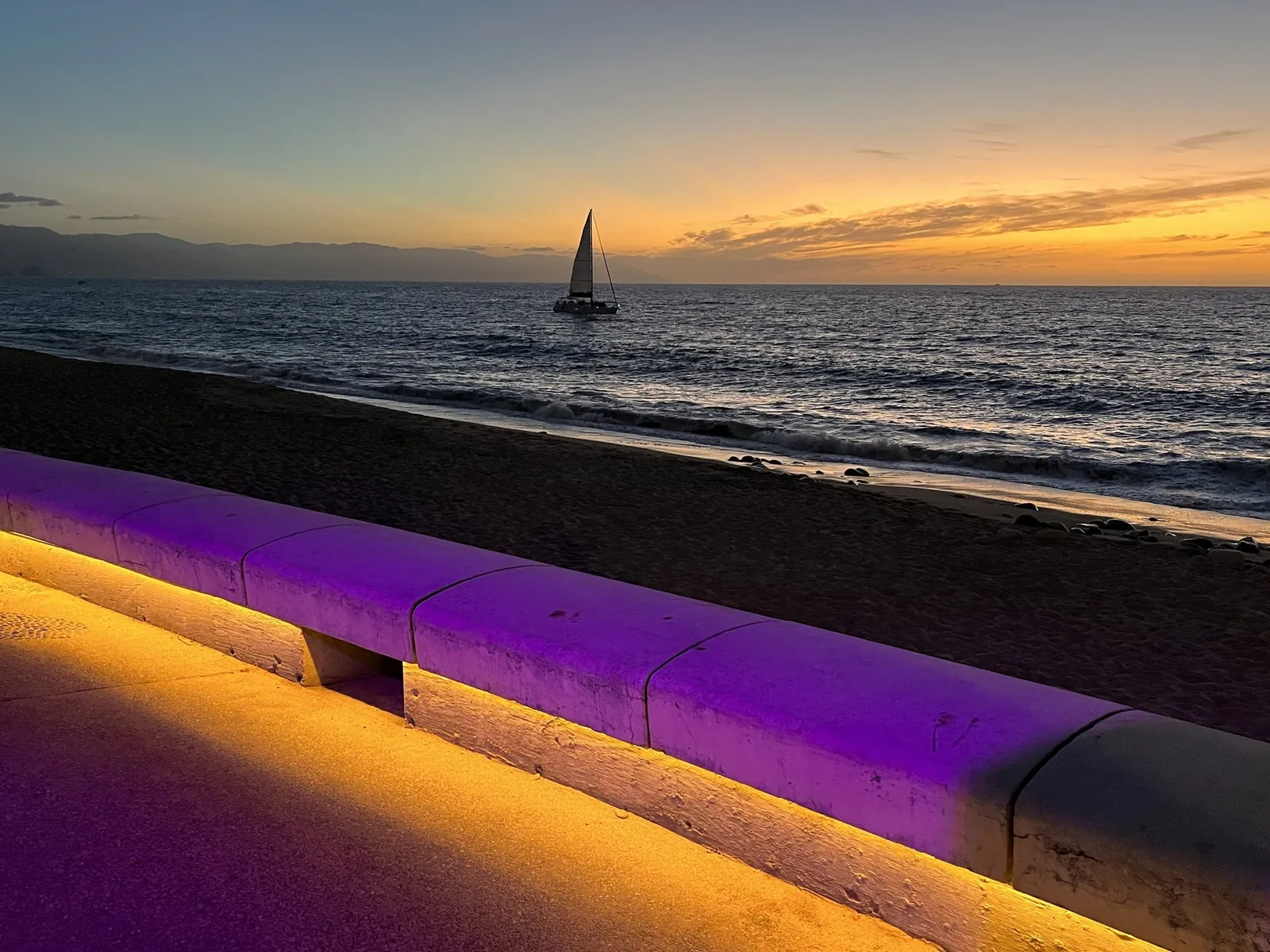
Authentic, unedited photos of Puerto Vallarta by residents and visitors, taken on ordinary days rather than chosen by a tourist board. Each one shows when it was taken. Browse photos of all 83 cities →

_-_082.jpg)


_-_344.jpg)
_-_115.jpg)

_-_213.jpg)



The other side
We don't yet have a licensed photo that shows Puerto Vallarta's downsides. They are listed in full under pros and cons below.
Cost of Living in Puerto Vallarta
1-Bedroom Rent
$700-$1,500/month
Local Restaurant Meal
$6-$14 at local restaurants
Cup of Coffee
$2-$4
Estimated Monthly Total
$1,800-$3,000
Want a personalized estimate? Use our cost of living calculator
Healthcare in Puerto Vallarta
Puerto Vallarta has some of the best private healthcare on the Mexican coast. Hospital San Javier Puerto Vallarta is the flagship, part of a respected national group, with CMQ Hospital and Hospital Joya providing further private options and 24-hour emergency cover. Specialist consultations run around $40, and English is spoken throughout the private system — a genuine convenience rather than a claim. Most international residents carry private insurance or pay out of pocket, since costs are a fraction of United States equivalents. IMSS, the public system, is available to residents but is generally used as a backstop. For the most complex procedures Guadalajara is about an hour by air or four hours by road, but the range available locally is wide enough that most retirees never need it.
Daily Life and Lifestyle in Puerto Vallarta
Life in Puerto Vallarta is organised around the Malecón, the seafront promenade running through the old town, and around a social calendar that is unusually full for a city this size — art walks, charity groups, theatre, and a large volunteer sector, almost all operating in English. The Zona Romántica south of the Cuale river is the walkable historic core and the centre of the LGBTQ community; the Hotel Zone and Marina Vallarta to the north are modern, flat, and convenient; Nuevo Vallarta across the Nayarit state line is newer and quieter. The Sierra Madre begins immediately behind town, so hiking, river towns like San Sebastián del Oeste, and the jungle beaches south towards Yelapa are all close. The trade-off for all this convenience is that Puerto Vallarta feels international rather than Mexican in the tourist core — retirees wanting immersion generally look inland.
Climate and Weather in Puerto Vallarta
Puerto Vallarta has a tropical climate with a sharply defined split. From November to May it is close to ideal: 22-30°C, low humidity, and almost no rain — this is when the seasonal population arrives. From June to October it is hot and very humid at 26-33°C with heavy afternoon and evening rain, and this is also the Pacific hurricane season. Direct hurricane strikes on Banderas Bay are relatively uncommon because the bay's geography offers some shelter, but the risk is real and Hurricane Patricia in 2015 was a serious warning. Many part-year residents simply leave for the summer, which is why the population halves.
Pros and Cons of Retiring in Puerto Vallarta
Pros
- Excellent private hospitals with English spoken throughout
- The largest established international community of any Mexican beach city
- Direct international flights from the US and Canada
- Genuinely walkable historic core in the Zona Romántica
- Openly LGBTQ-friendly, with one of Latin America's best-known gay neighbourhoods
Cons
- Expensive by Mexican standards — a couple should budget $2,500-$3,000 a month
- Hot, very humid summers from June to October, within the Pacific hurricane season
- The tourist core feels international rather than Mexican
- Seasonal population swings change the character of the town twice a year
- Beachfront property prices have risen sharply with foreign demand
Who Is Puerto Vallarta Best For?
Retirees who want beach living with genuinely good hospitals and a large English-speaking community, and who have the budget for Mexico's more expensive coastal market.
Where to Live in Puerto Vallarta
Zona Romántica (Old Town)
The walkable historic core south of the Cuale river, with cobbled streets, restaurants, and the LGBTQ scene. One-bedrooms run $900-$1,600/month. Best for retirees who want to live without a car, though the streets are steep in places.
Marina Vallarta & Hotel Zone
Modern, flat, north of the centre and close to the airport and hospitals. Rents run $800-$1,500/month. Convenient and accessible, with condominium living, pools, and easy parking — the practical choice for anyone with mobility concerns.
Versalles & Fluvial
Inland residential districts that have become popular with year-round residents. Rents run $600-$1,100/month. More Mexican in character, considerably cheaper, still within ten minutes of the hospitals and the beach.
Hospitals and Healthcare Facilities in Puerto Vallarta
Hospital San Javier Puerto Vallarta
The flagship private hospital, part of a respected national group. Full emergency department, imaging, and specialist services with English-speaking staff. The usual first choice for international residents.
CMQ Hospital
Long-established private hospital group with several locations in the city, covering emergency care, general medicine, and specialist consultations at accessible prices.
Hospital Joya
Modern private hospital in the Marina area with 24-hour emergency cover and specialist clinics, providing a third private option in the city.
Facility details may change. Verify accreditation status and services directly with each hospital before making healthcare decisions.
Dining and Food Scene in Puerto Vallarta
Puerto Vallarta eats better than most Mexican beach towns because the international population supports both ends of the market. Street food is genuinely good and cheap — birria, tacos al pastor, and the local speciality pescado zarandeado, a whole fish butterflied and grilled over wood, at $8-$15 for a shared plate.
At the other end, the Zona Romántica has a restaurant scene serious enough to draw people from Guadalajara, with tasting menus and a well-developed cocktail culture; a main course in a good restaurant runs $15-$30. Between the two sits a large middle of family-run Mexican restaurants at $6-$14.
Weekly groceries for two run $70-$110, above the Mexican average because of imported goods and tourist-market pricing. The Emiliano Zapata and Pitillal municipal markets are much cheaper than the supermarkets for produce, fish, and meat, and are where year-round residents shop.
Is Puerto Vallarta Right for You?
Take our free 3-minute retirement quiz to see how Puerto Vallarta and Mexico compare to other destinations based on your preferences, budget, and needs.
Take the Retirement QuizFrequently Asked Questions About Retiring in Puerto Vallarta
Is Puerto Vallarta expensive compared with the rest of Mexico?
Yes, noticeably. A couple should budget roughly $2,500-$3,000 a month, against $1,500-$2,000 in Mérida or Lake Chapala. Waterfront one-bedrooms run $1,200-$1,800. The premium buys hospitals, an international airport, and a large English-speaking community. Older neighbourhoods inland and the areas south towards Mismaloya are considerably cheaper without losing hospital access.
How good is healthcare in Puerto Vallarta?
Among the best on the Mexican coast. Hospital San Javier, CMQ, and Hospital Joya provide private care with 24-hour emergency cover and English-speaking staff, and specialist consultations cost around $40. For the most complex procedures Guadalajara is an hour away by air. This is a materially better position than most Latin American beach towns, where serious care means travelling to a capital.
What are summers really like?
Hot, humid, wet, and quiet. June to October brings 26-33°C with high humidity and heavy afternoon rain, and it falls within the Pacific hurricane season. So many part-year residents leave that the population roughly halves, restaurants close, and the town becomes noticeably more Mexican. Retirees who stay year-round should visit in August before committing.
Sources & References
- Hospital San Javier Puerto Vallarta — Private hospital services, emergency provision, and English-language capability
- Mexican National Institute of Migration (INM) — Temporary and permanent residency requirements and income thresholds for retirees
- Mexican National Meteorological Service (SMN) — Temperature, rainfall, and Pacific hurricane season data for Banderas Bay
- Numbeo — Cost of living index and price data for Puerto Vallarta