
Städte-Ratgeber zum Ruhestand
Ruhestand in Mazatlán, Mexiko
Pazifische Strandstadt mit restauriertem historischem Zentrum und halb so hohen Preisen wie Puerto Vallarta
Mazatlán auf einen Blick
- Höhenlage & Umgebung
- Meereshöhe an der Pazifikküste Sinaloas, knapp unter dem Wendekreis des Krebses; ~23,2° N
- Jahrestemperatur
- 22–29 °C November–Mai mit wenig Regen; 27–33 °C und feucht Juni–Oktober; heiß-semiarid, innerhalb der pazifischen Hurrikansaison
- Nächster internationaler Flughafen
- Mazatlán International (MZT), ~20 km südlich der Stadt
- Nächstes großes Krankenhaus
- Hospital Sharp Mazatlán, in der Stadt; Tertiärversorgung in Guadalajara (~1 Flugstunde)
- Wichtigstes Rentnervisum
- Mexikanische befristete Aufenthaltserlaubnis; Schwellen 2026 ~4.235 €/Monat Einkommen oder ~71.400 € Ersparnisse
- Sprachumfeld
- Spanisch; Englisch in der Zona Dorada und in der internationalen Gemeinschaft nutzbar, sonst weniger
Mazatláns Karneval im Februar ist einer der größten der Welt — und anders als die meisten mexikanischen Touristenereignisse ein wirklich lokales Fest statt einer Inszenierung für Besucher.
Überblick über Mazatlán für Ruheständler
Mazatlán liegt an der Pazifikküste Sinaloas bei etwa 23,2° N, knapp unterhalb des Wendekreises des Krebses, mit einem rund 21 Kilometer langen Malecón — einer der längsten Uferpromenaden der Welt. Es verbindet zwei Dinge, die in Mexiko selten zusammenkommen: eine echte Strandstadt und ein restauriertes Zentrum aus dem 19. Jahrhundert mit Opernhaus, Plätzen und einem ernsthaften Kulturkalender.
Für Ruheständler liegt der Reiz im Preis-Leistungs-Verhältnis. Die Kosten liegen bei rund 1.350–1.620 € monatlich, und Eigentumswohnungen am Strand beginnen bei etwa 720–1.170 € — deutlich unter Puerto Vallarta für einen vergleichbaren Küstenlebensstil. Das Hospital Sharp Mazatlán und das Hospital Marina Mazatlán bieten private Versorgung, und der internationale Flughafen Mazatlán (MZT) hat Direktflüge in die USA und nach Kanada.
Die ehrliche Schwierigkeit ist Sinaloa. Der Bundesstaat hat eine lange Verbindung zur organisierten Kriminalität, und mehrere Regierungen geben erhöhte Reisehinweise heraus. Mazatláns Touristen- und Wohnzonen gelten allgemein als sicher und sind stark polizeilich präsent, und die internationale Gemeinschaft ist hier seit Langem etabliert — doch dieser Ruf auf Bundesstaatsebene wirkt sich auf Versicherungen, Familienmeinungen und das eigene Sicherheitsgefühl aus.
So sieht Mazatlán wirklich aus
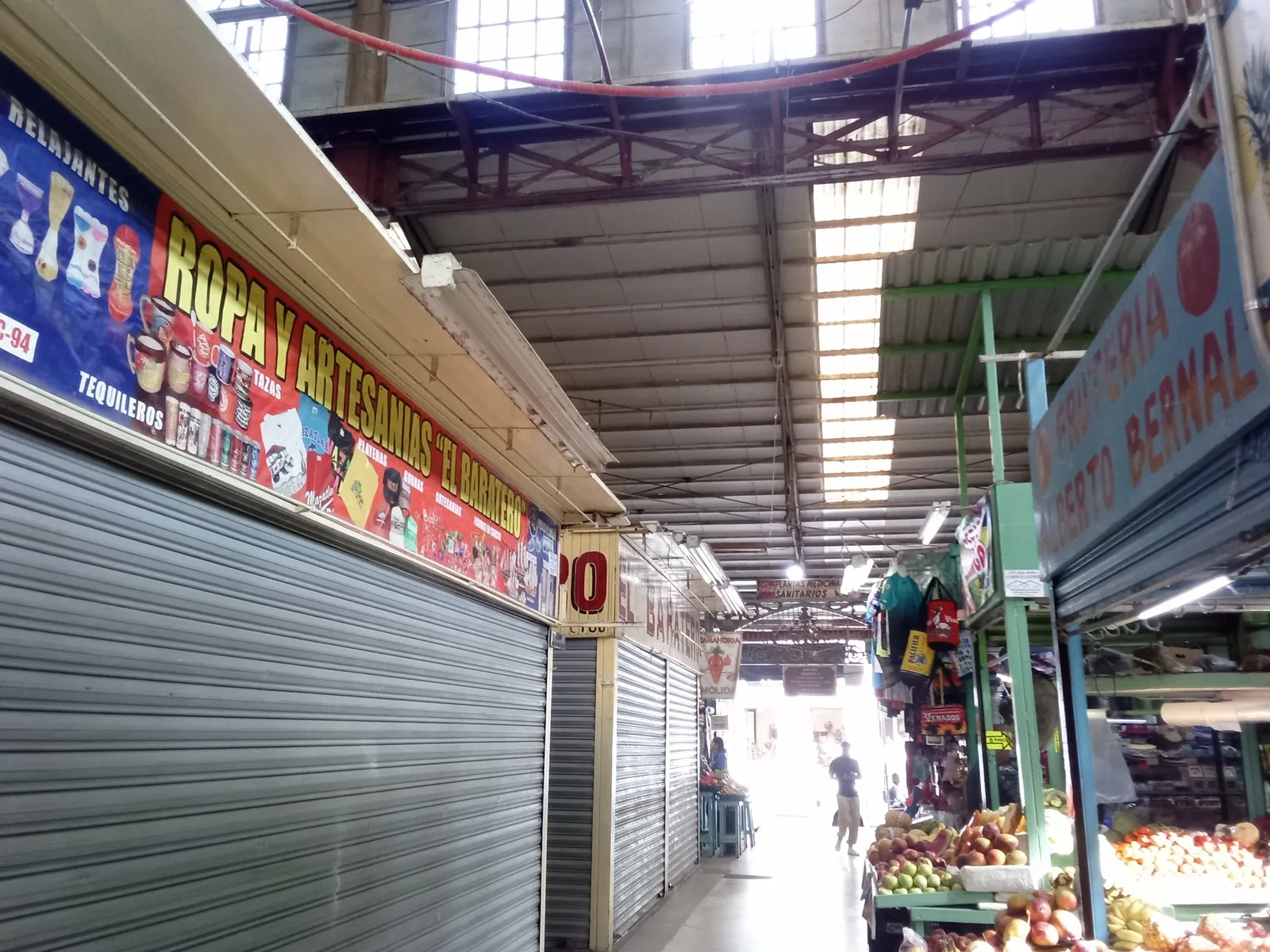
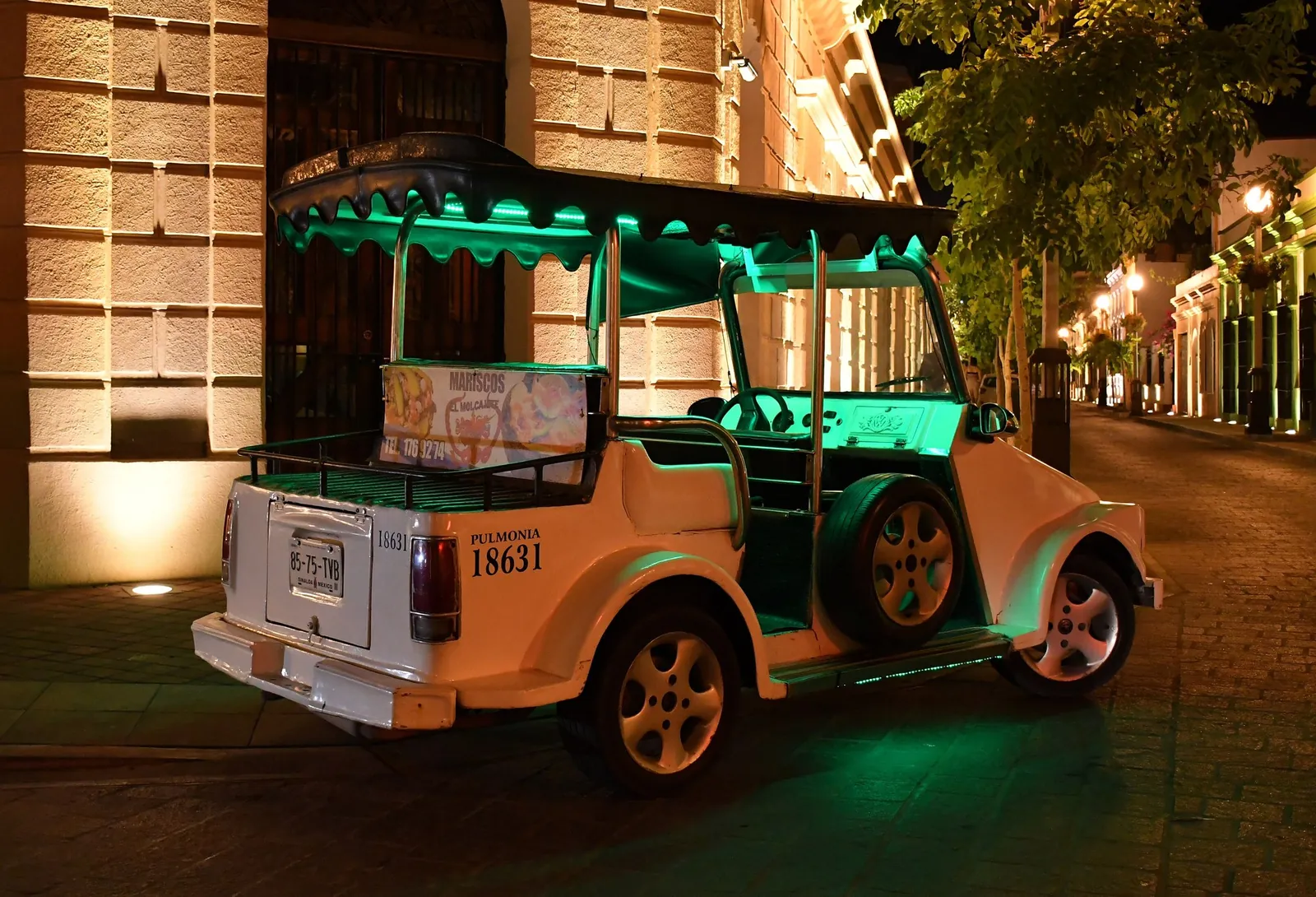
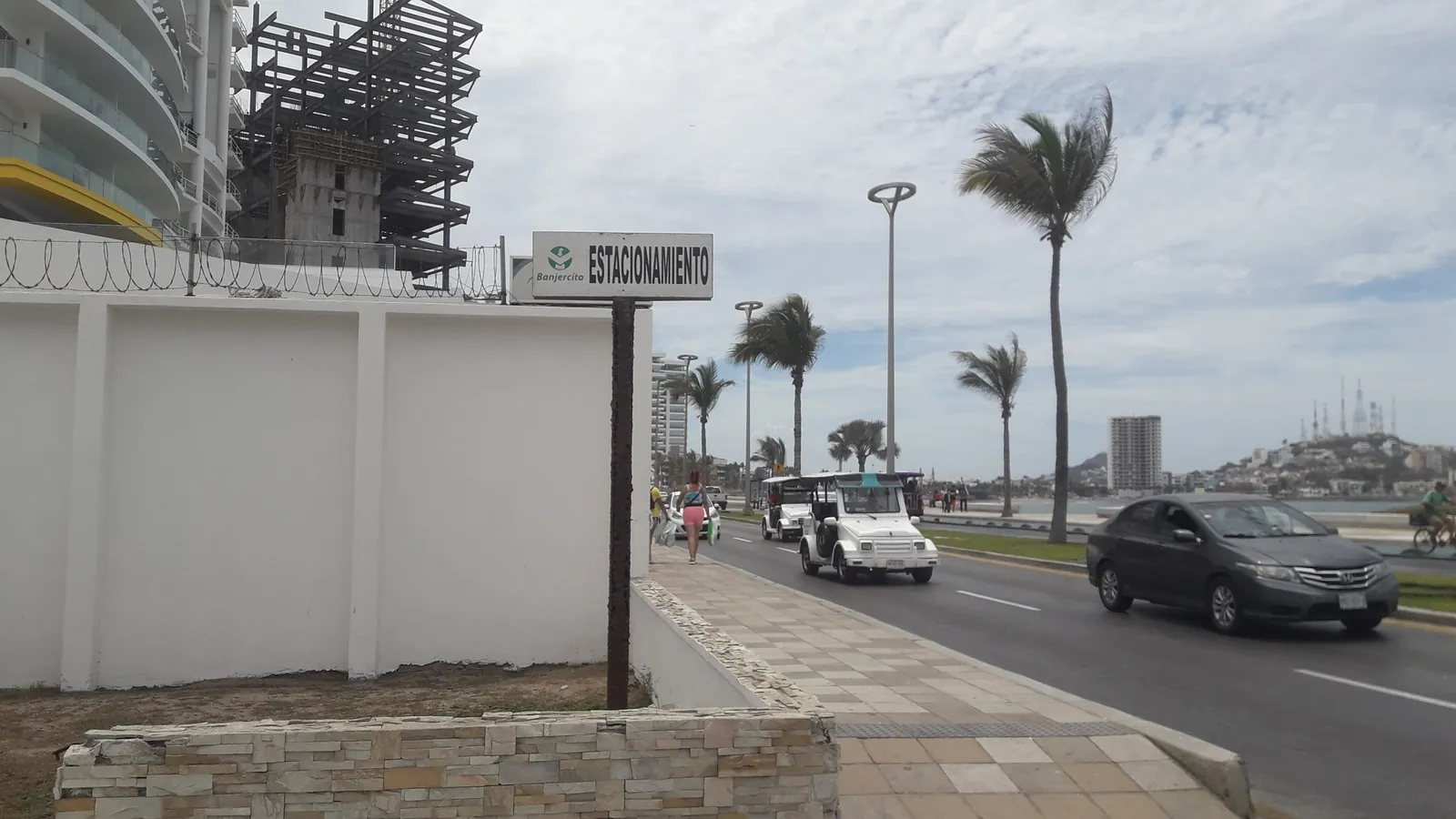
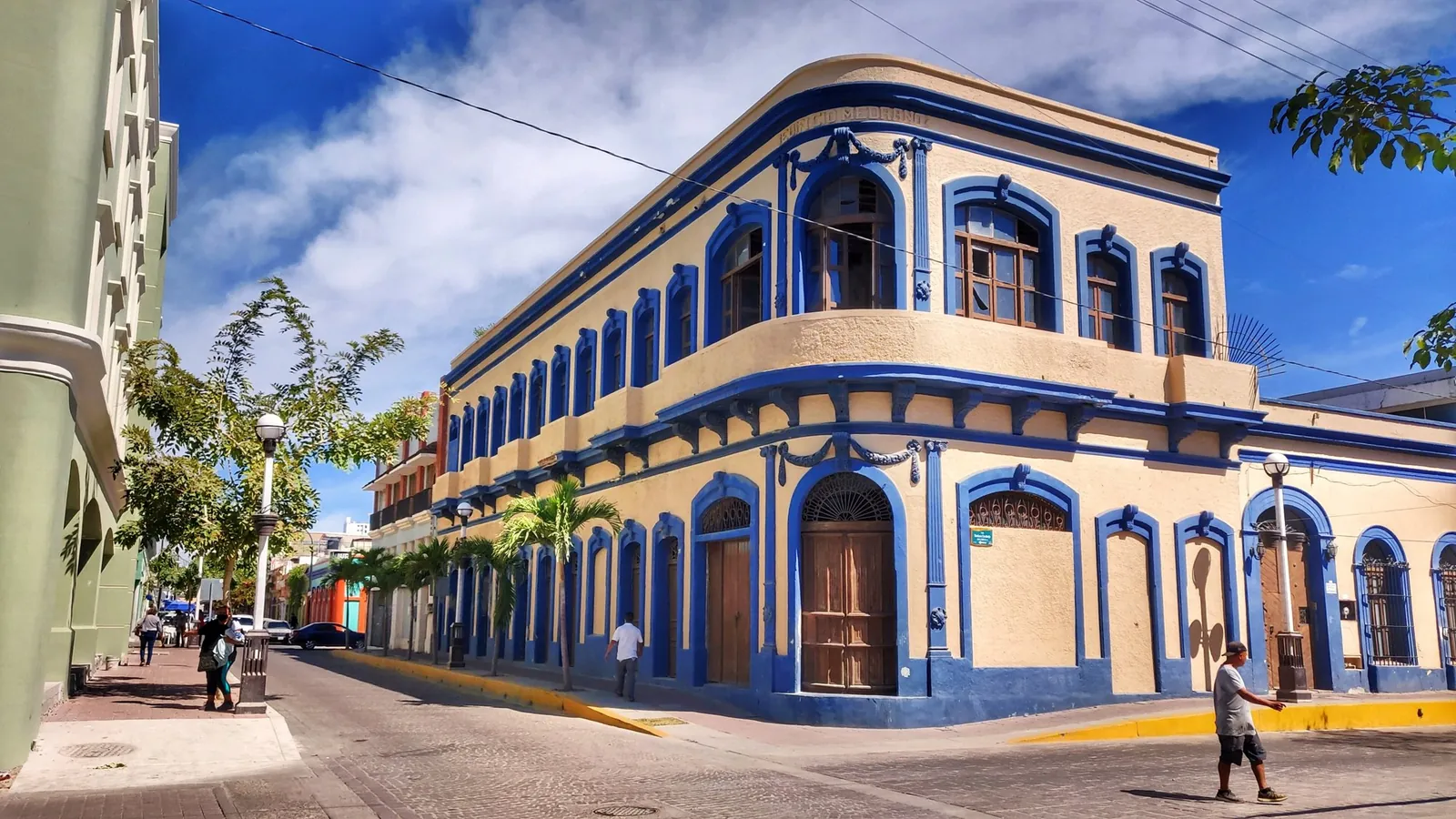
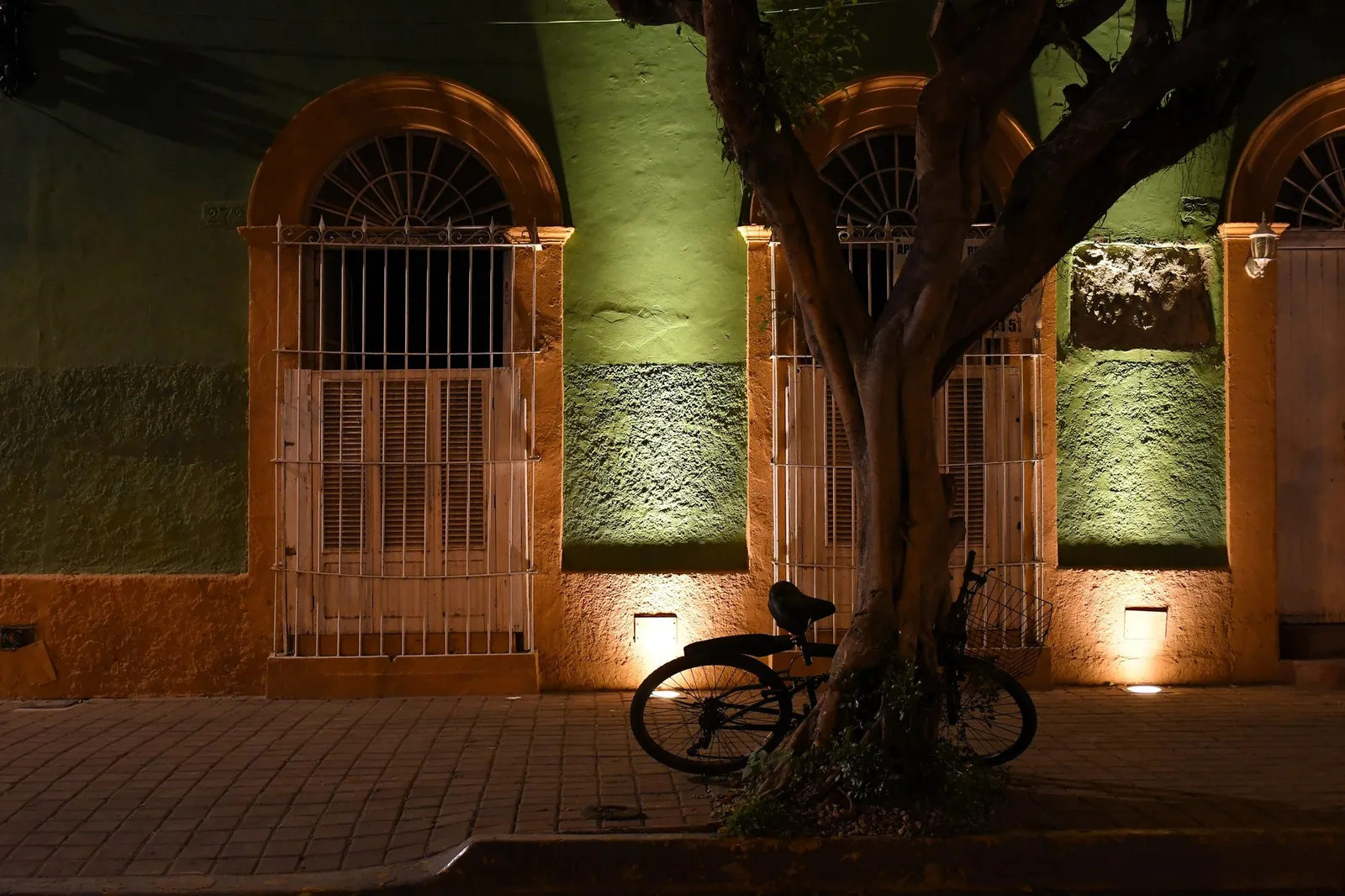
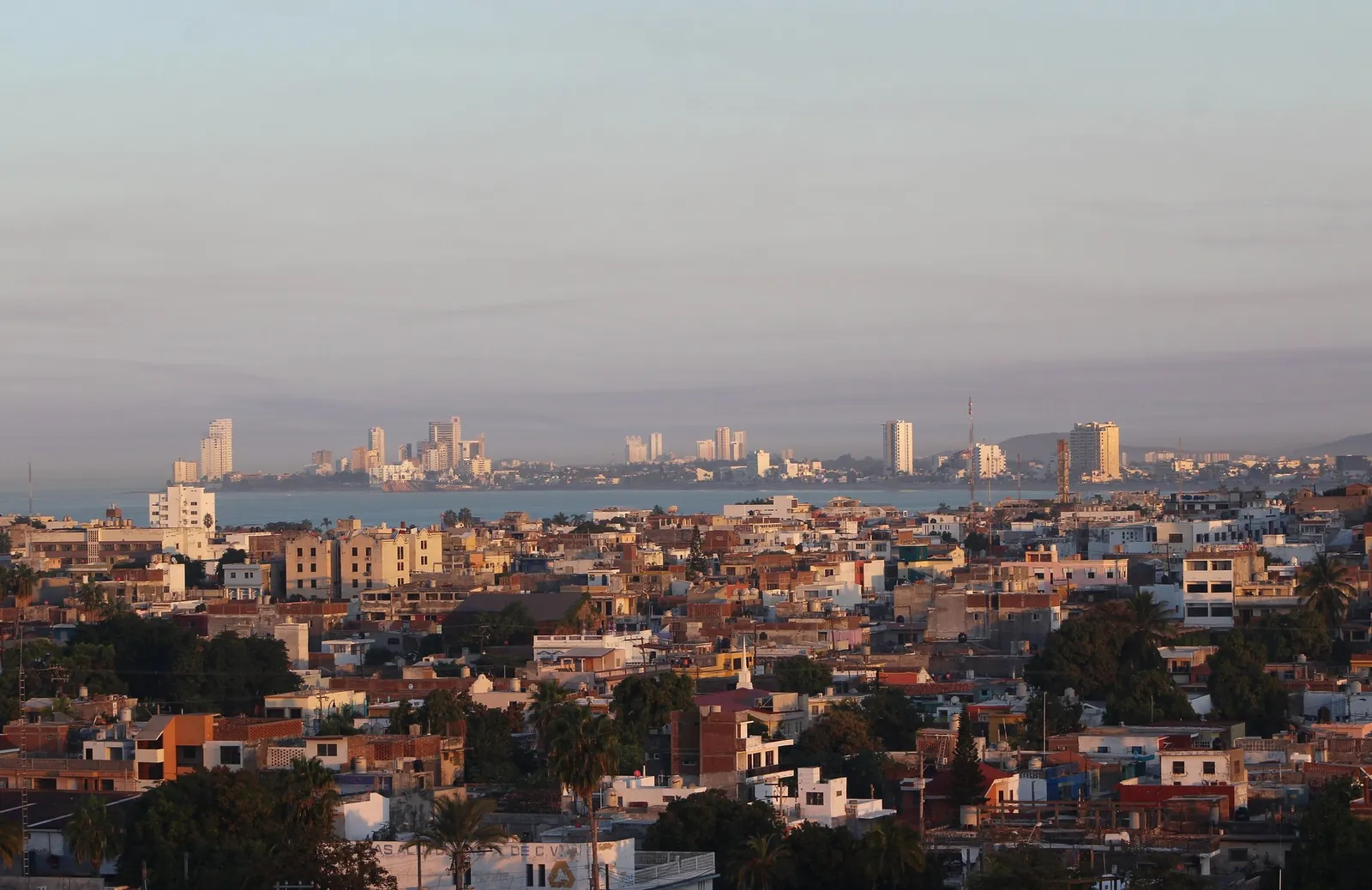
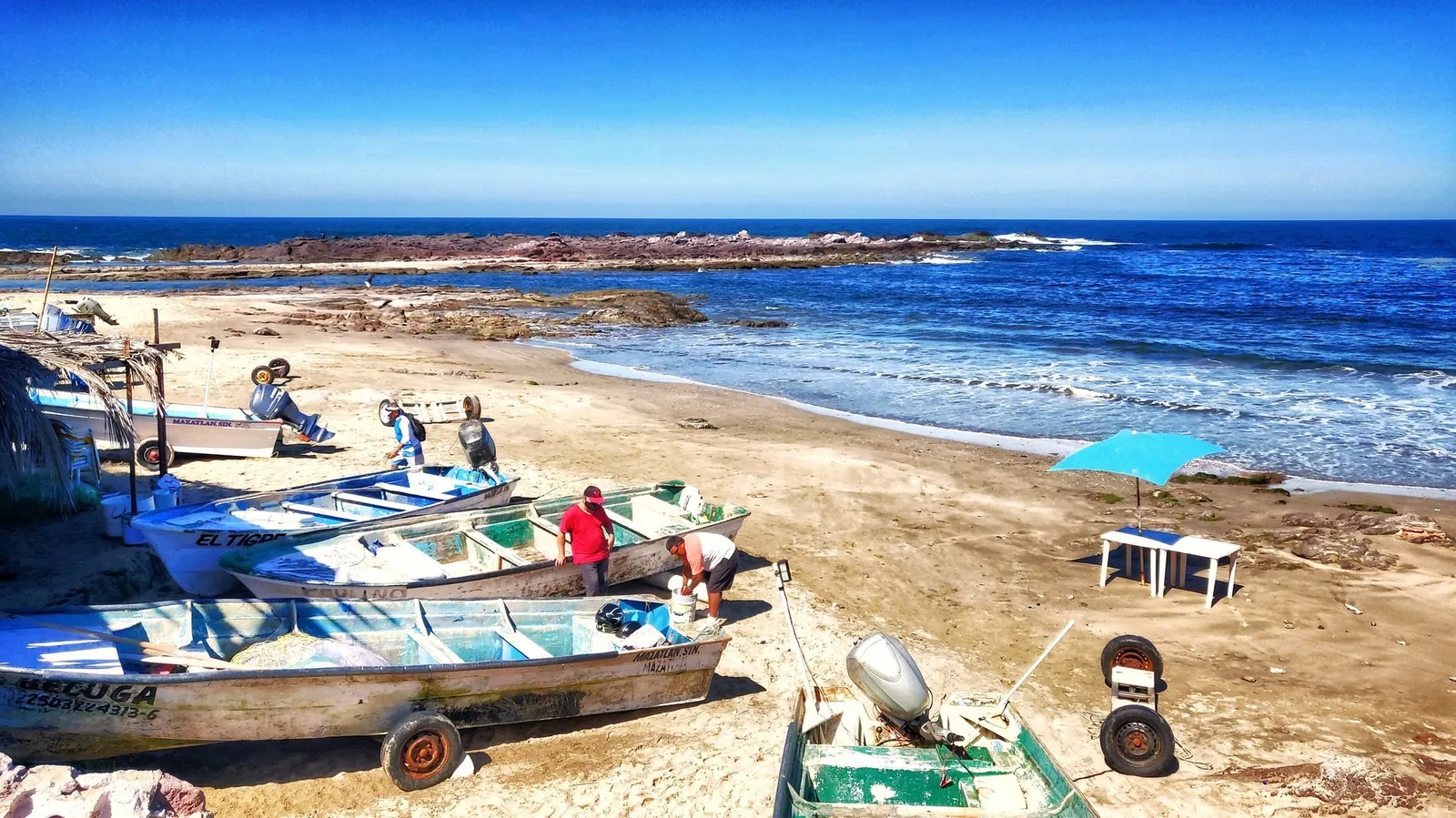
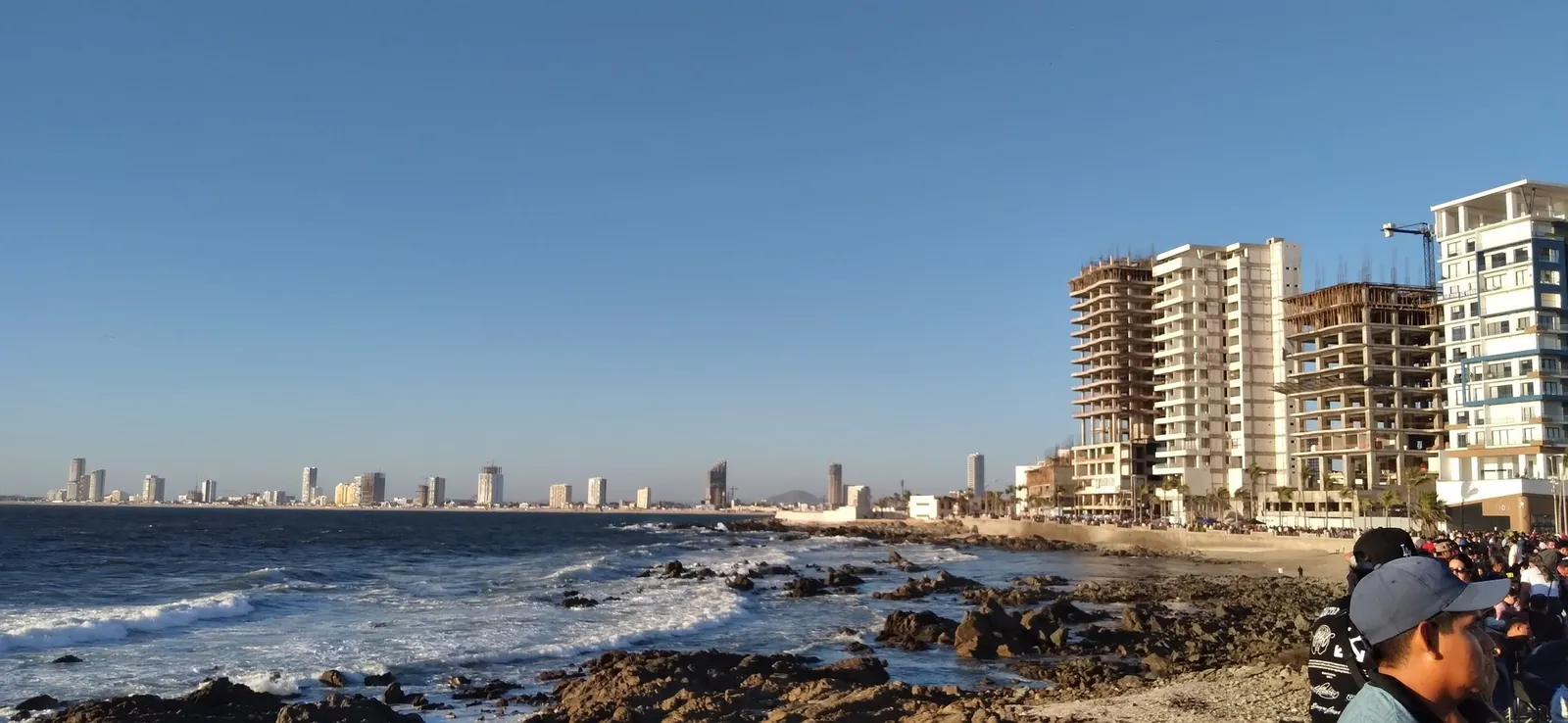
Authentische, unbearbeitete Fotos von Mazatlán, aufgenommen von Einheimischen und Besuchern an gewöhnlichen Tagen – nicht ausgewählt von einem Tourismusbüro. Bei jedem Foto steht, wann es entstanden ist. Fotos aller 83 Städte ansehen →
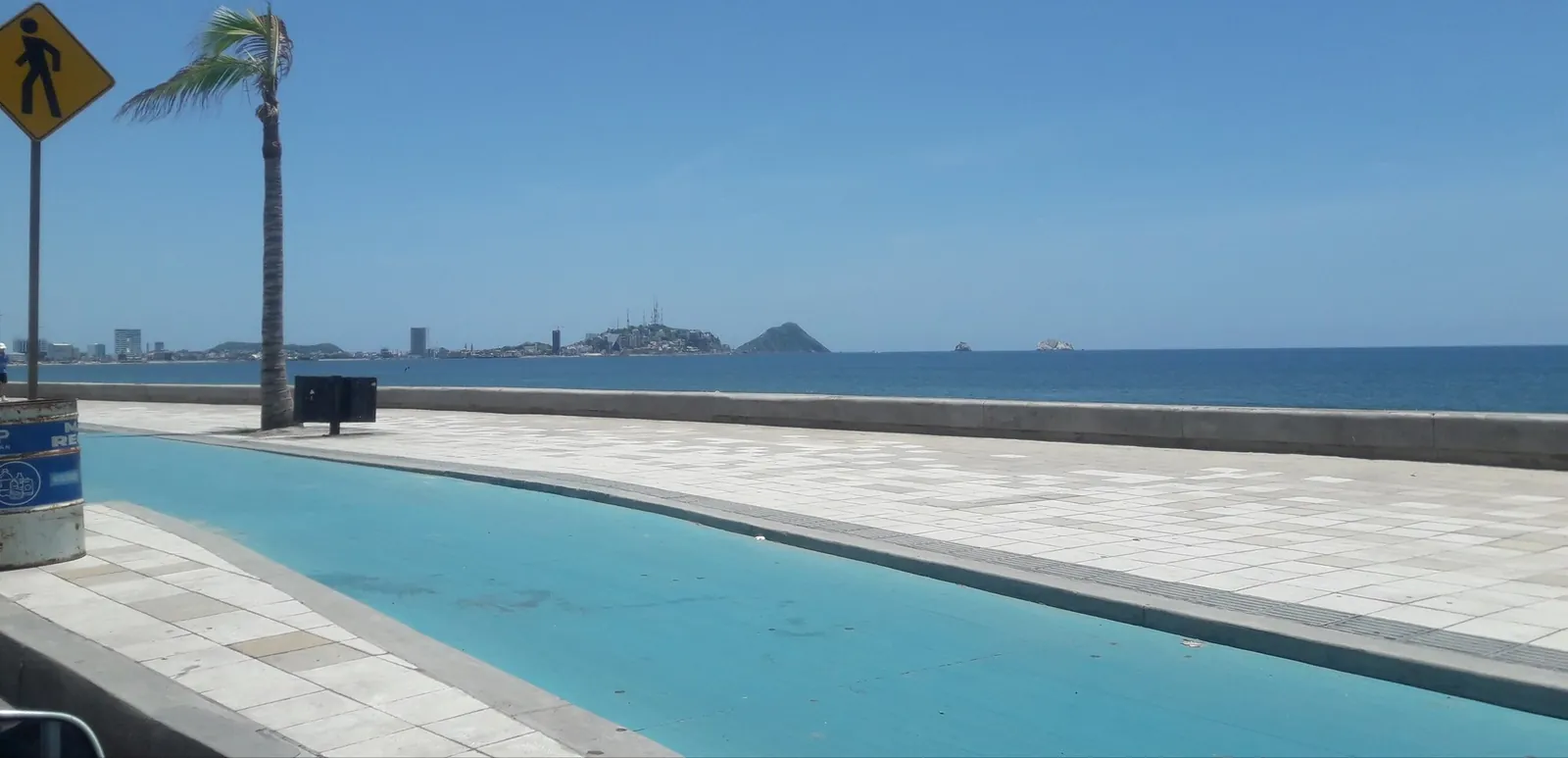

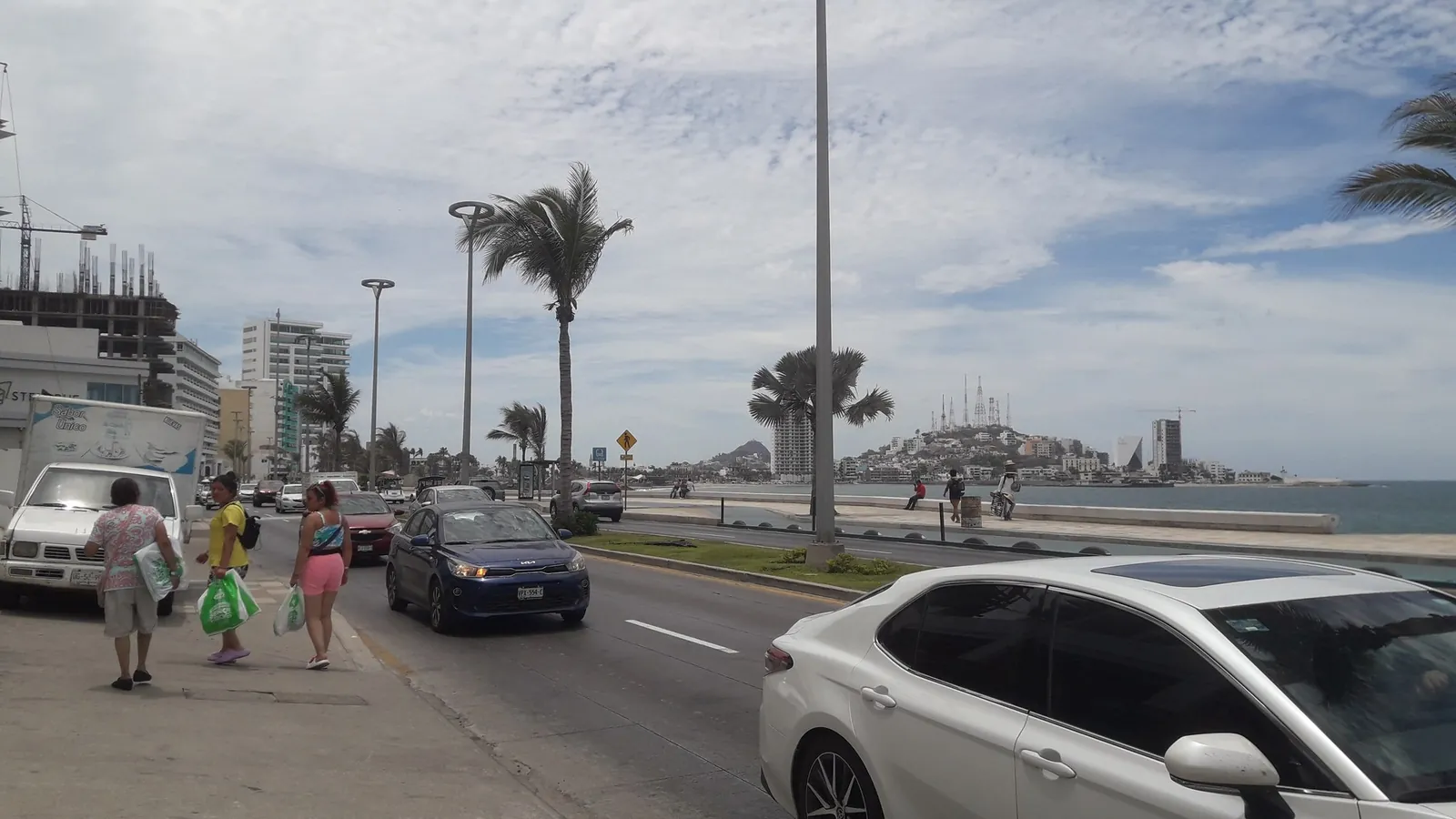

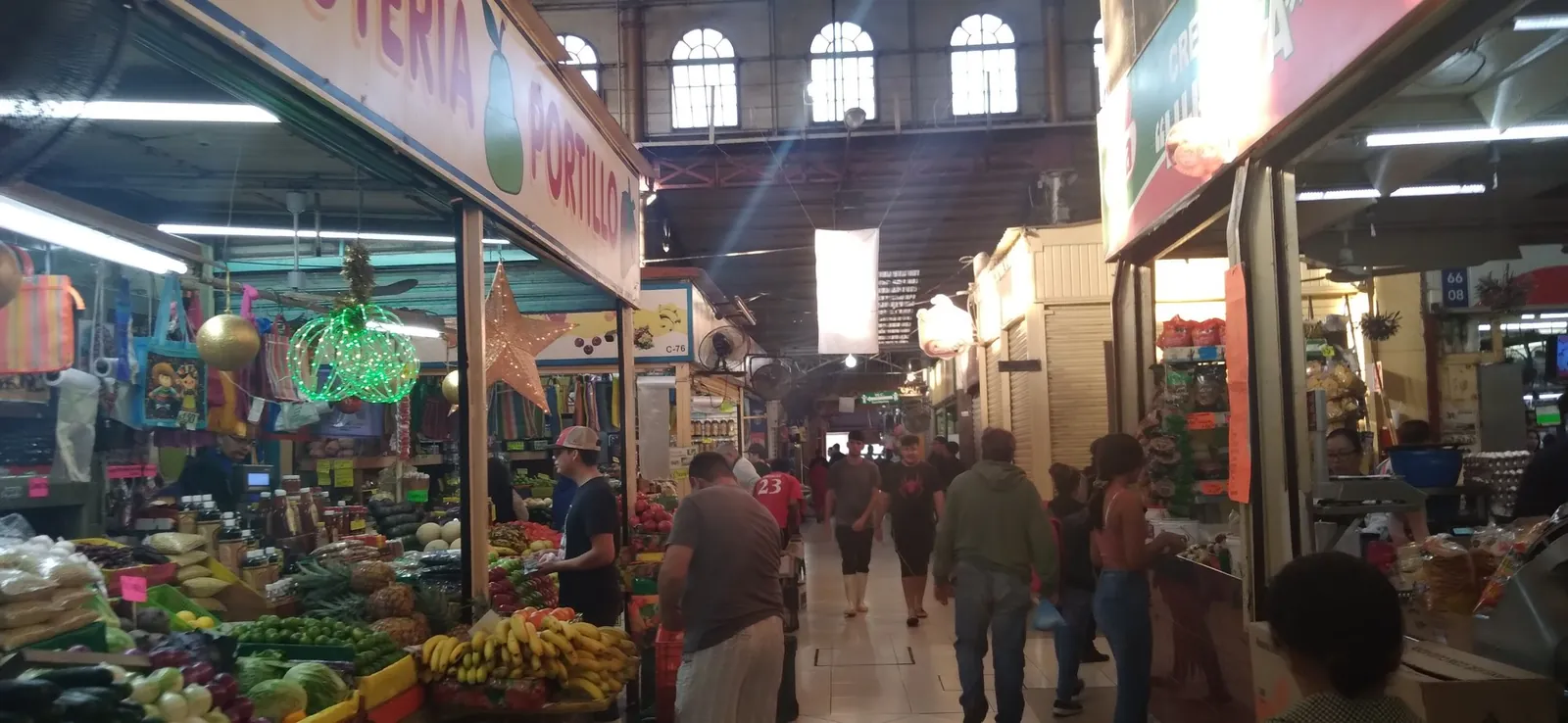

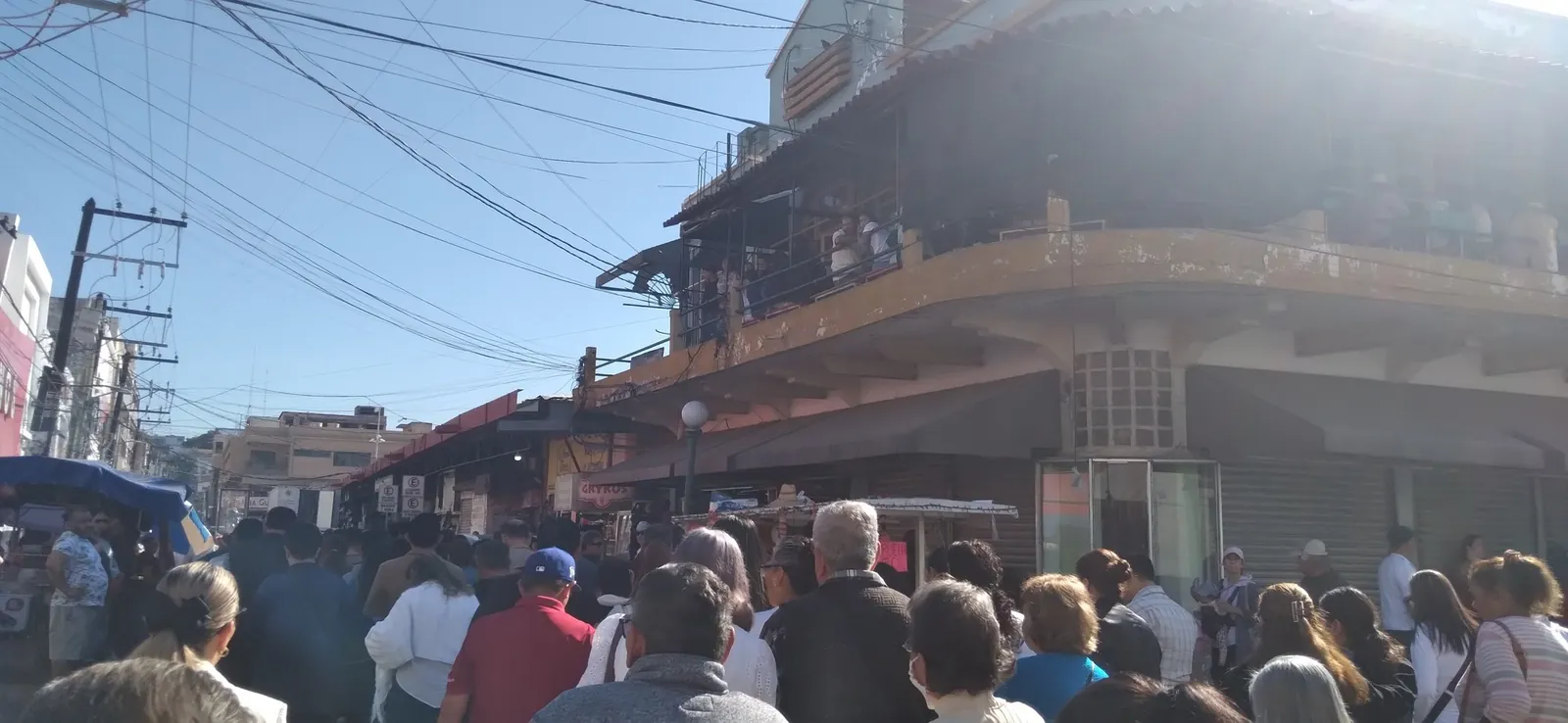


.jpg)






Die andere Seite
Für die Schattenseiten von Mazatlán haben wir noch kein lizenziertes Foto. Sie stehen vollständig unten bei den Vor- und Nachteilen.
Lebenshaltungskosten in Mazatlán
Miete für 1-Zimmer-Wohnung
450–1.000 €/Monat
Mahlzeit im lokalen Restaurant
4,50–10 €
Tasse Kaffee
2–3 €
Geschätzte monatliche Gesamtkosten
1.250–2.050 €
Möchten Sie eine individuelle Schätzung? Nutzen Sie unseren Lebenshaltungskosten-Rechner
Gesundheitsversorgung in Mazatlán
Mazatláns private Gesundheitsversorgung ist solide, aber nicht herausragend. Das Hospital Sharp Mazatlán ist die seit Langem etablierte private Option, das Hospital Marina Mazatlán eine moderne Alternative mit 24-Stunden-Notfallversorgung; beide decken Allgemeinmedizin, Chirurgie, Bildgebung und Facharztkonsultationen ab, mit Besuchen für 27–50 € und teilweise englischsprachigen Ärzten. Das öffentliche IMSS-Krankenhaus versorgt eingeschriebene Bewohner. Für fortgeschrittene Herzmedizin, komplexe Onkologie oder alles, was ein Tertiärzentrum erfordert, reisen Patienten nach Guadalajara oder Mexiko-Stadt — rund eine beziehungsweise zwei Flugstunden. Das ist ein Schritt hinter Puerto Vallarta zurück, wo mehr lokal behandelt werden kann, und der wesentliche Kompromiss für die niedrigeren Lebenshaltungskosten.
Alltag und Lebensstil in Mazatlán
Mazatlán ist eine arbeitende mexikanische Hafen- und Fischereistadt, die zufällig ausgezeichnete Strände hat, was ihr ein anderes Gefühl gibt als dem als Ferienort gebauten Puerto Vallarta. Das Centro Histórico ist das restaurierte Viertel des 19. Jahrhunderts um die Plazuela Machado, mit dem Teatro Ángela Peralta für Oper und Tanz, Galerien und den besten Restaurants; die Zona Dorada ist die ältere Touristenzeile; und Nuevo Mazatlán sowie Cerritos im Norden sind die Gebiete neuerer Wohnbebauung. Der Malecón ist das Rückgrat der Stadt und ihr tägliches Ritual — Spaziergänger, Radfahrer und Klippenspringer entlang 21 Kilometern Uferpromenade. Der Karneval im Februar ist einer der größten der Welt und wirklich ein lokales Ereignis. Die internationale Gemeinschaft ist etabliert und gesellig, aber viel kleiner als in Puerto Vallarta, und Spanisch ist hier im Alltag nützlicher.
Klima und Wetter in Mazatlán
Mazatlán hat ein heißes semiarides Klima, trockener als Puerto Vallarta, weil es weiter nördlich nahe dem Wendekreis liegt. Von November bis Mai ist das Wetter nahezu ideal: 22–29 °C, geringe Feuchtigkeit und fast kein Regen. Von Juni bis Oktober ist es heiß und feucht bei 27–33 °C, mit Regen konzentriert auf eine kurze intensive Phase von Juli bis September, und dieser Zeitraum fällt in die pazifische Hurrikansaison — Mazatlán ist exponierter als die Banderas-Bucht und wurde direkt getroffen, unter anderem beim nahen Vorbeizug von Hurrikan Willa 2018. Die Wassertemperaturen sind etwa von April bis Dezember zum Schwimmen geeignet und kühlen im Hochwinter merklich ab.
Vor- und Nachteile des Ruhestands in Mazatlán
Vorteile
- Etwa halb so teuer wie Puerto Vallarta bei vergleichbarem Küstenlebensstil
- Restauriertes Zentrum aus dem 19. Jahrhundert mit Opernhaus und echtem Kulturkalender
- Ein 21 km langer Malecón, einer der längsten der Welt
- Direktflüge in die USA und nach Kanada
- Trockener und weniger schwül als Mexikos südlichere Pazifikküste
Nachteile
- Sinaloa trägt einen Ruf organisierter Kriminalität und erhöhte Reisehinweise
- Stärker hurrikanexponiert als die Banderas-Bucht
- Die Gesundheitsversorgung liegt hinter Puerto Vallarta — Tertiärversorgung bedeutet Guadalajara oder Mexiko-Stadt
- Kleinere internationale Gemeinschaft, daher mehr Spanisch im Alltag nötig
- Das Meer ist im Hochwinter merklich kühl
Für wen eignet sich Mazatlán am besten?
Ruheständler, die eine echte mexikanische Strandstadt mit Kultur und Preis-Leistung statt eines Ferienorts wollen, etwas Spanisch nutzen und Sinaloas Ruf gegen Mazatláns eigene Bilanz abwägen können.
Wo Sie in Mazatlán wohnen können
Centro Histórico
Das restaurierte Viertel des 19. Jahrhunderts um die Plazuela Machado, mit Opernhaus, Galerien und den besten Restaurants. Ein-Zimmer-Wohnungen 450–900 €/Monat. Fußläufig und charaktervoll; einige Blocks vom Strand statt direkt daran.
Zona Dorada
Die ältere Strandzeile mit Wohnanlagen, Hotels und Dienstleistungen. Mieten 540–1.080 €/Monat. Direkt am Sand, flach und praktisch, mit der größten Dichte englischsprachiger Bewohner.
Cerritos & Nuevo Mazatlán
Neuere Bebauung nördlich der Stadt mit modernen Wohntürmen und ruhigeren Stränden. Mieten 630–1.170 €/Monat. Modern und großzügig, aber ein Auto ist nötig und das historische Zentrum weiter entfernt.
Krankenhäuser und Gesundheitseinrichtungen in Mazatlán
Hospital Sharp Mazatlán
Das seit Langem etablierte Privatkrankenhaus der Stadt für Allgemeinmedizin, Chirurgie, Bildgebung und Facharztkonsultationen, mit teilweise englischsprachigen Ärzten.
Hospital Marina Mazatlán
Modernes Privatkrankenhaus im Marina-Viertel mit 24-Stunden-Notfallversorgung und Facharztambulanzen, die zweite private Option der Stadt.
Tertiärkliniken in Guadalajara
Für fortgeschrittene Herzmedizin, komplexe Onkologie oder Tertiärversorgung reisen Patienten nach Guadalajara — rund eine Flugstunde —, wo die führenden Privatkliniken des Landes außerhalb Mexiko-Stadts liegen.
Angaben zu Einrichtungen können sich ändern. Bitte prüfen Sie Akkreditierungsstatus und Leistungen direkt bei jedem Krankenhaus, bevor Sie Entscheidungen zur Gesundheitsversorgung treffen.
Restaurants und Küche in Mazatlán
Mazatlán ist ein bedeutender Fischereihafen und isst entsprechend. Aguachile — rohe Garnelen in Limette und Chili — ist die lokale Signatur und wird überall serviert, von Strandbuden bis zu ernsthaften Restaurants, für 7–13 €. Pescado Zarandeado, ganzer über Holz gegrillter Fisch, ist das andere regionale Gericht.
Die Plazuela Machado im historischen Zentrum ist der Restaurantschwerpunkt, mit Tischen bis auf den Platz und Hauptgerichten für 9–20 €. Abseits davon servieren die alltäglichen Fondas eine volle Comida Corrida für 5–7 €, und der Fischmarkt im Mercado Pino Suárez verkauft den Morgenfang zu Preisen, die das Kochen zu Hause lohnend machen.
Wocheneinkäufe für zwei Personen kosten 45–72 €. Pacífico-Bier wird seit 1900 in der Stadt gebraut und ist wirklich lokal. Sinaloa ist zudem Mexikos größter Agrarproduzent, sodass Obst und Gemüse hier ungewöhnlich günstig und gut sind.
Ist Mazatlán das Richtige für Sie?
Machen Sie unser kostenloses 3-Minuten-Quiz und erfahren Sie, wie Mazatlán und Mexiko im Vergleich zu anderen Zielen zu Ihren Vorlieben, Ihrem Budget und Ihren Bedürfnissen passen.
Zum Ruhestands-QuizHäufig gestellte Fragen zum Ruhestand in Mazatlán
Ist Mazatlán sicher, angesichts des Rufs von Sinaloa?
Mazatláns Touristen- und Wohnzonen sind stark polizeilich präsent und gelten allgemein als sicher, und die Stadt hat eine seit Langem etablierte internationale Gemeinschaft, die nicht abgewandert ist. Die mit Sinaloa verbundene organisierte Kriminalität konzentriert sich weitgehend auf andere Teile des Bundesstaats und betrifft ausländische Bewohner typischerweise nicht. Dennoch geben mehrere Regierungen erhöhte Reisehinweise für ganz Sinaloa heraus, was Reiseversicherungen betrifft und die Meinung Ihrer Familie beeinflusst.
Wie schneidet Mazatlán gegenüber Puerto Vallarta ab?
Mazatlán kostet etwa halb so viel, ist trockener, hat ein besser erhaltenes historisches Zentrum und einen stärkeren Kulturkalender und wirkt eher wie eine arbeitende mexikanische Stadt. Puerto Vallarta hat bessere Kliniken, eine viel größere englischsprachige Gemeinschaft und mehr Direktflüge und liegt in einer geschützteren Bucht. Der Tausch lautet Preis-Leistung und Authentizität gegen medizinische Tiefe und Bequemlichkeit.
Wie hoch ist das Hurrikanrisiko in Mazatlán?
Real. Mazatlán liegt an einem exponierten Abschnitt der Pazifikküste innerhalb der Hurrikansaison von Juni bis November und ist verwundbarer als die Banderas-Bucht, die durch ihre Geografie etwas geschützt ist. Hurrikan Willa war 2018 ein ernster Beinahetreffer. Gebäude sind in der Regel darauf ausgelegt und die Stadt hat Evakuierungsverfahren, doch wer hier kauft, sollte Sturmrisiko und Versicherung einkalkulieren.
Quellen & Verweise
- Hospital Sharp Mazatlán — Leistungen des Privatkrankenhauses, Facharztangebot und Notfallkapazität
- Mexikanischer Nationaler Wetterdienst (SMN) — Temperatur-, Niederschlags- und Hurrikanzugbahndaten für die Küste Sinaloas
- Mexikanisches Nationales Migrationsinstitut (INM) — Anforderungen an Aufenthaltstitel und Einkommensschwellen für Ruheständler
- Numbeo — Lebenshaltungskostenindex und Preisdaten für Mazatlán