
City Retirement Guide
Retire in Cameron Highlands, Malaysia
Tea country at 1,500 m — the only place in Malaysia where you need a jumper
Cameron Highlands at a Glance
- Elevation & setting
- ~1,500 m in the Titiwangsa range, Pahang; 3-4 hours north of Kuala Lumpur; ~4.47°N
- Annual temperature
- 15-25°C by day, 12-15°C at night year-round; subtropical highland, high rainfall with frequent mist
- Nearest international airport
- Kuala Lumpur (KUL), 3-4 h by road; Ipoh (IPH) ~2 h for domestic flights
- Nearest major hospital
- Cameron Highlands Hospital (district) in Tanah Rata; Ipoh specialist hospitals ~2 h down the mountain
- Primary retirement visa
- Malaysia MM2H, rebooted 2024: deposit-based tiers from $150K (Silver) to $1M (Platinum), no income requirement
- Language environment
- Malay official; English widely spoken throughout Malaysia including the highlands
The Cameron Highlands are the only place in Malaysia where houses are built without air conditioning and residents own jumpers — at 1,500 m the temperature has no hot season at all.
Overview of Cameron Highlands for Retirees
The Cameron Highlands sit at about 1,500 metres in the Titiwangsa range of Pahang at roughly 4.47°N, three to four hours north of Kuala Lumpur. The British developed the area as a hill station in the 1930s for exactly the reason retirees consider it now: at this altitude the temperature runs 15-25°C year-round, in a country where the lowlands never drop below about 26°C.
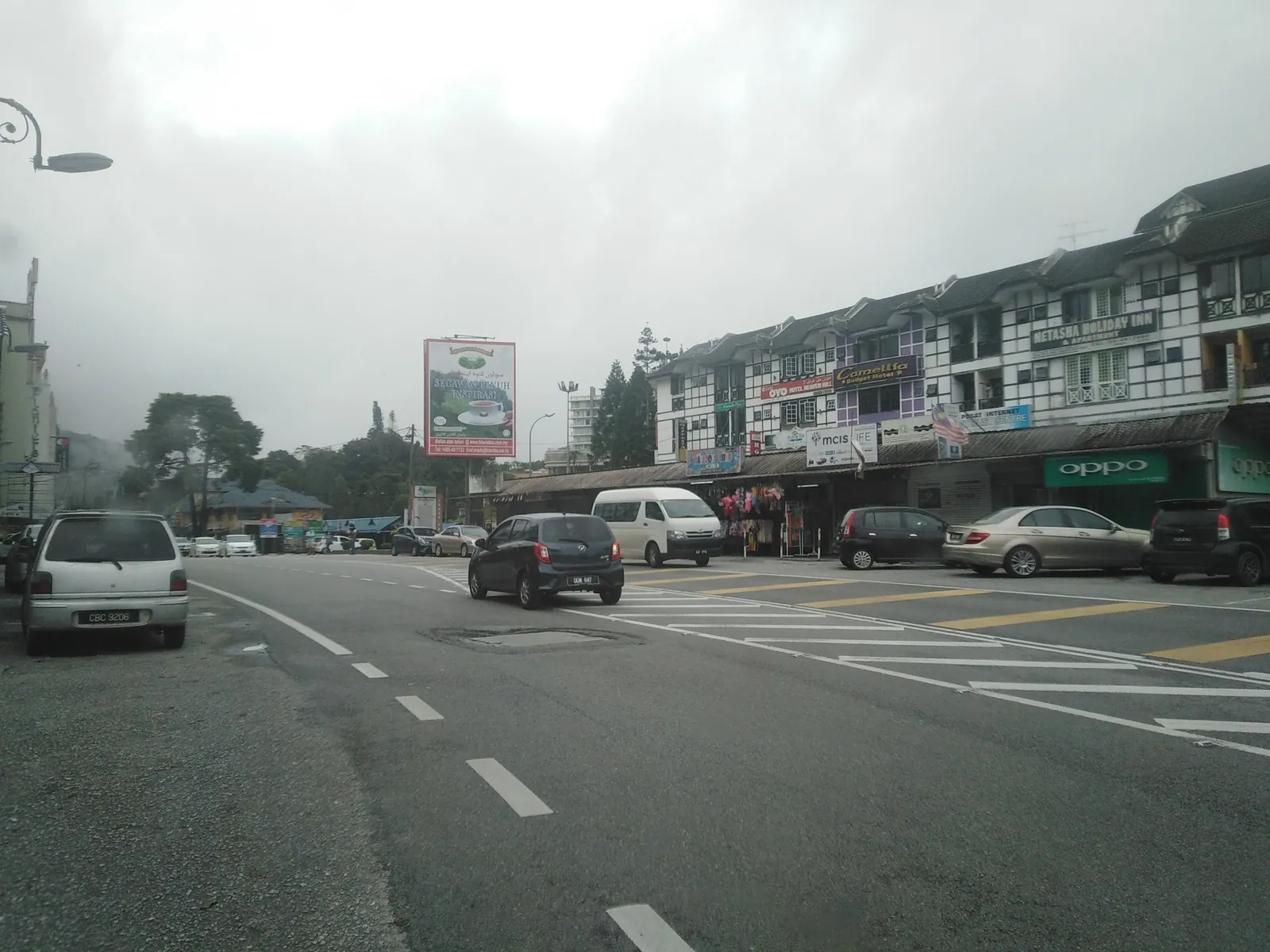
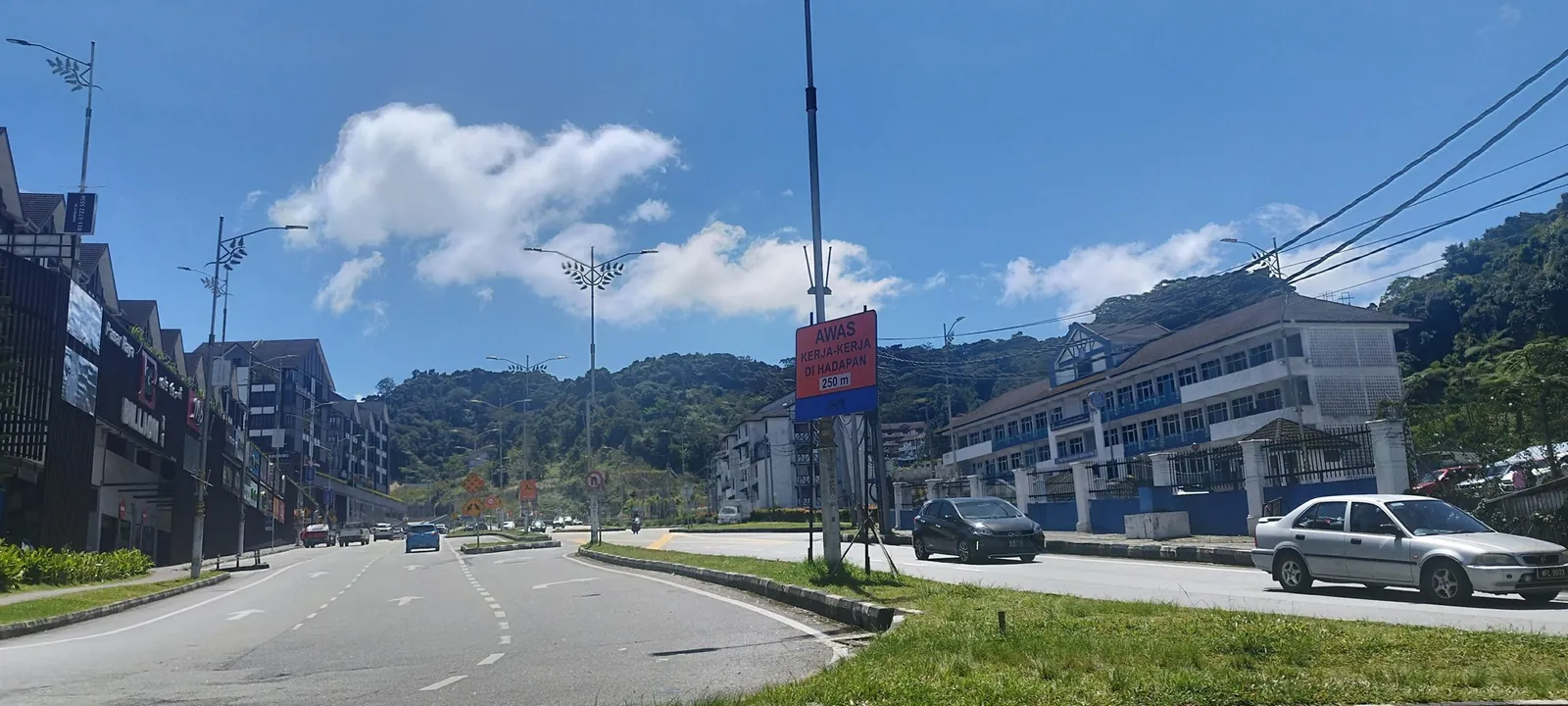
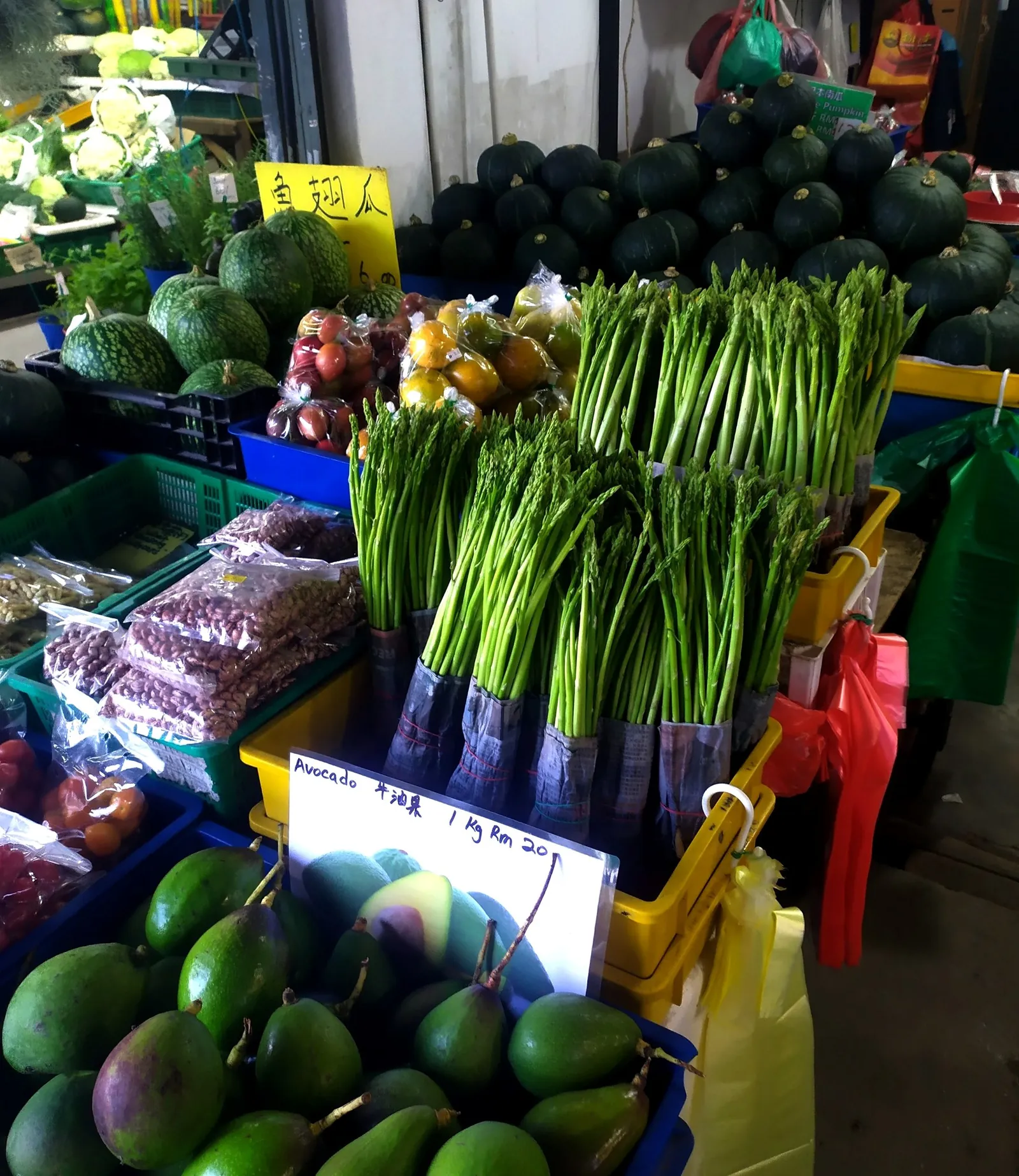
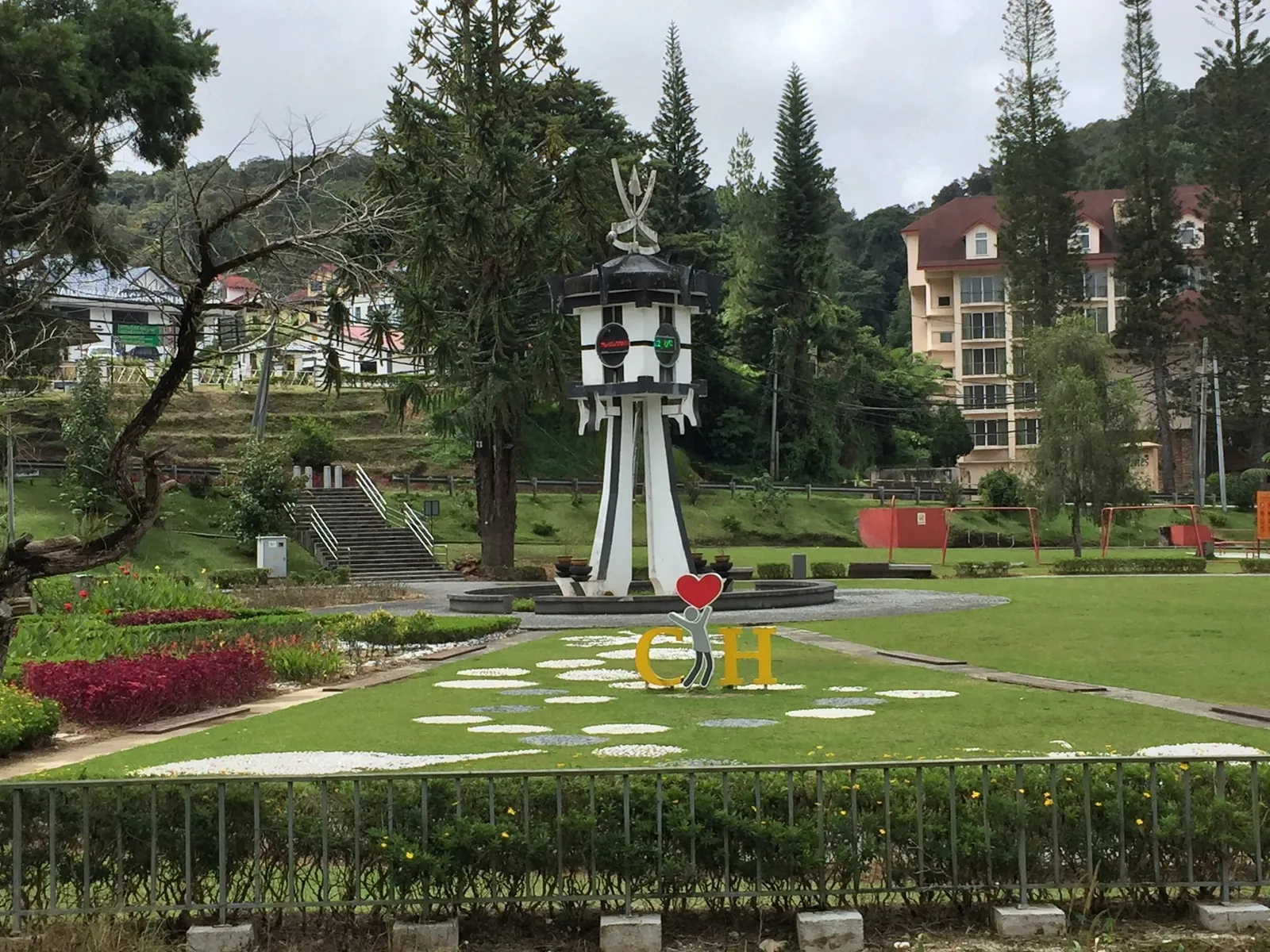
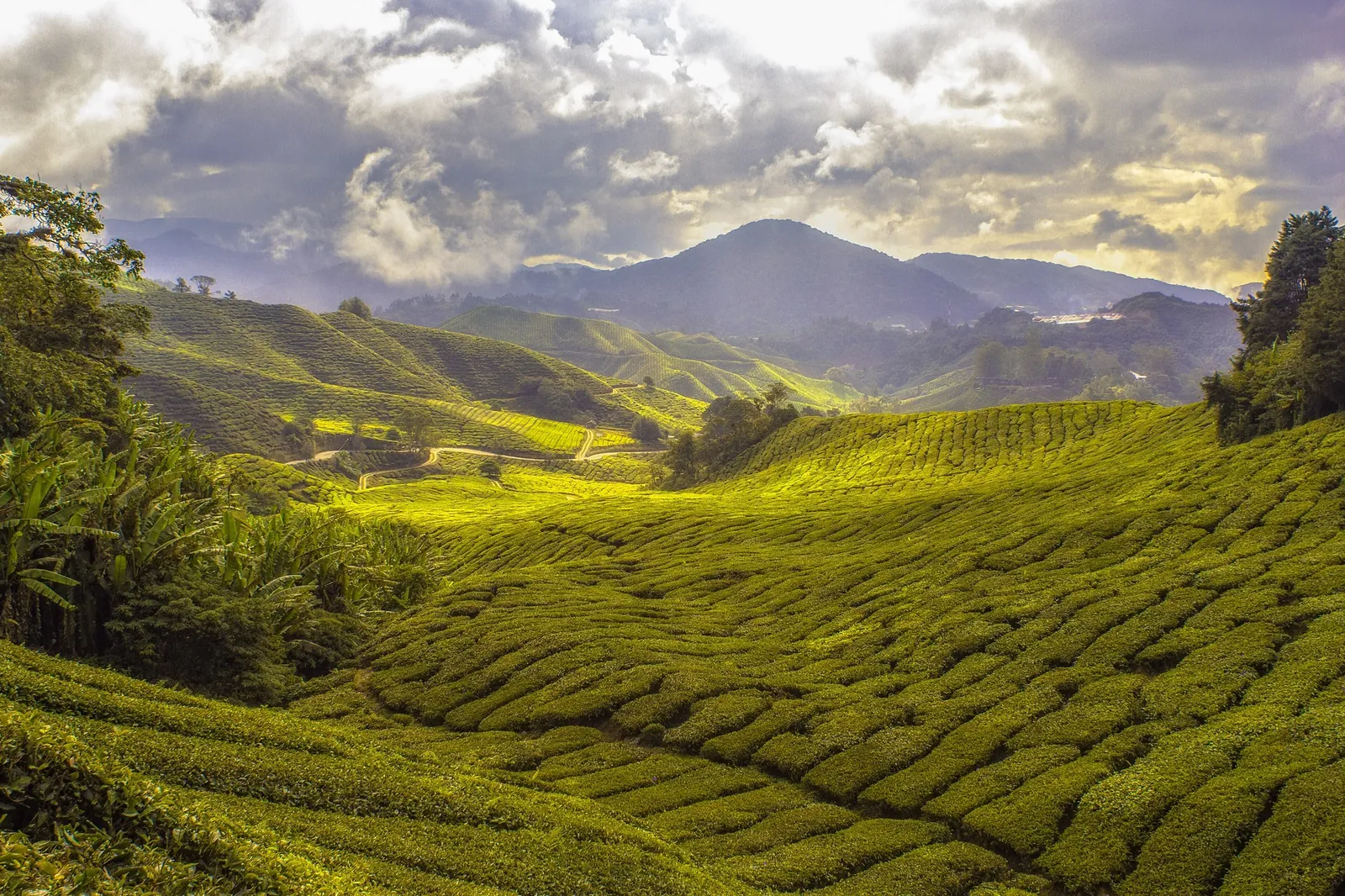
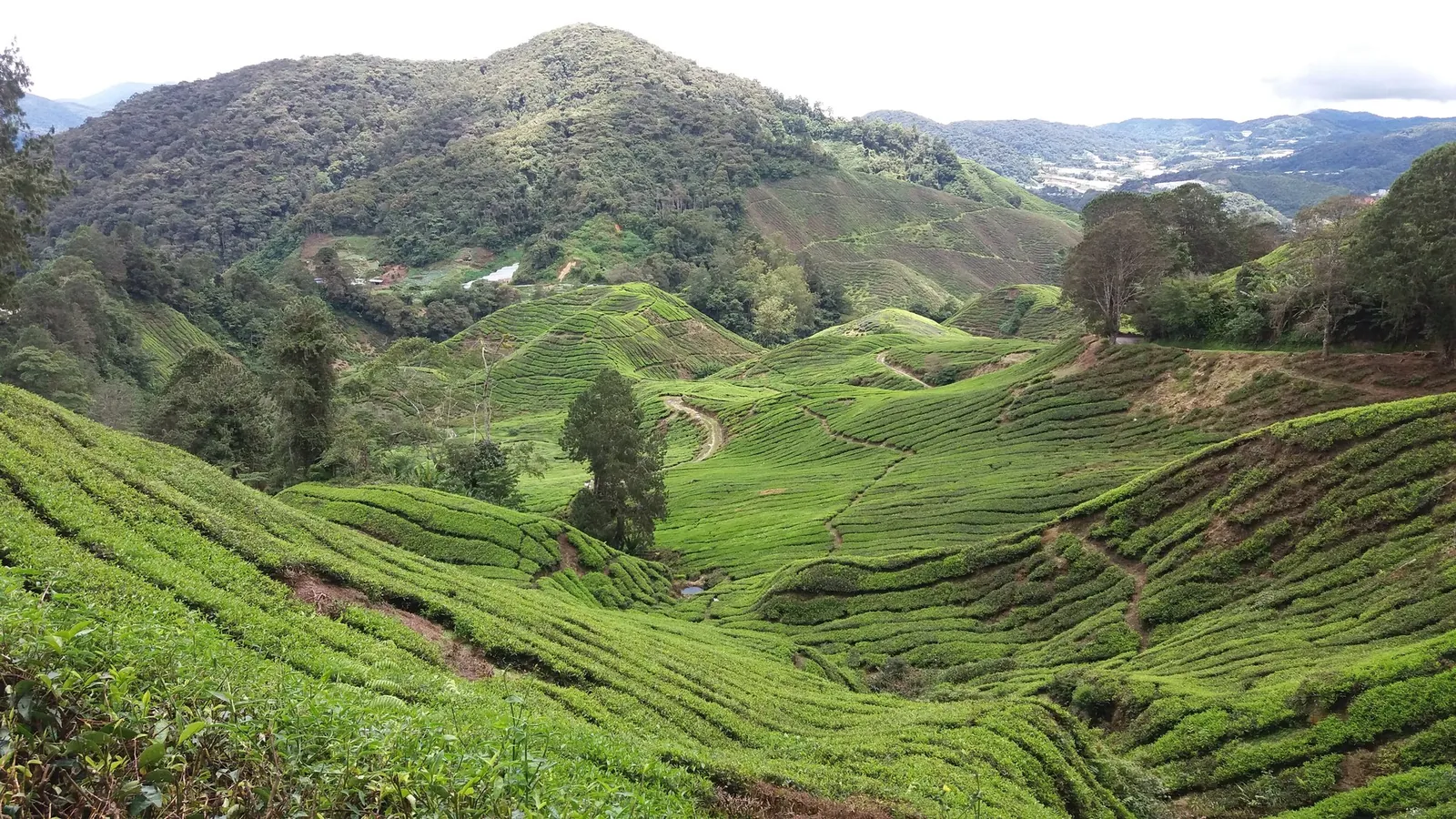
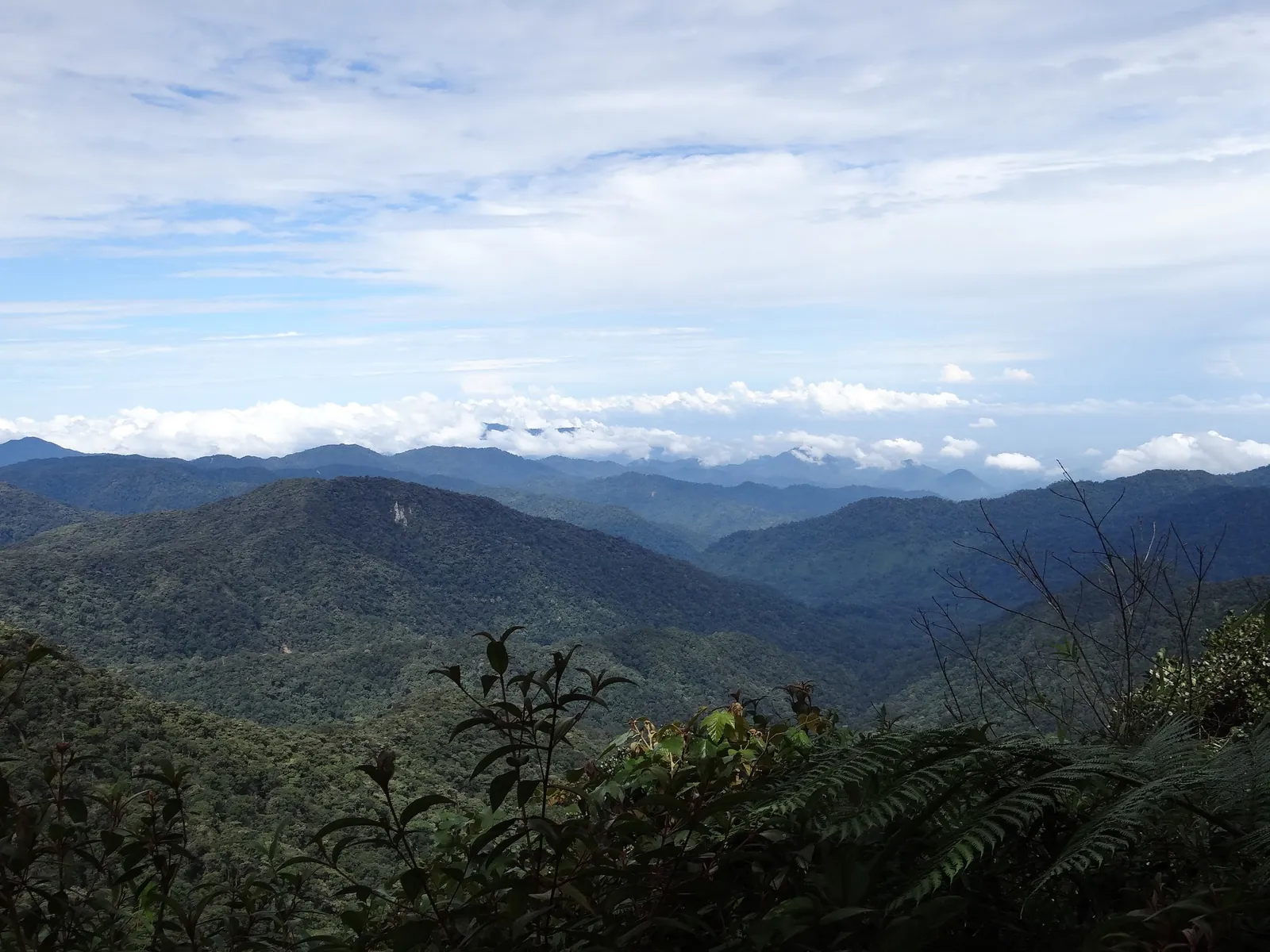
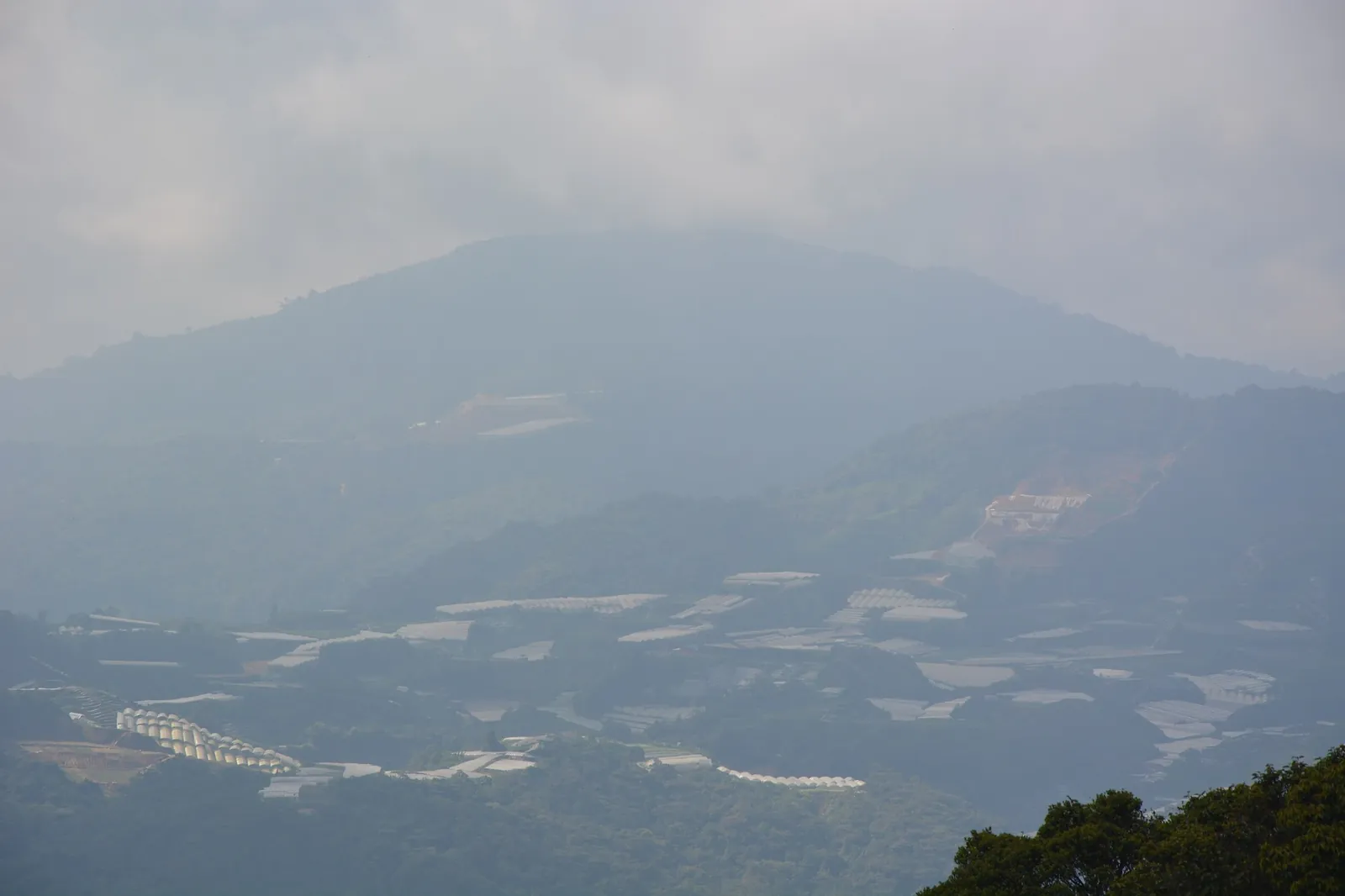
Tanah Rata is the main town and where most services are; Brinchang and Ringlet are the other settlements strung along the valley road. The landscape is tea plantations, strawberry farms, and vegetable terraces under polytunnels — the highlands supply most of Malaysia's temperate produce.
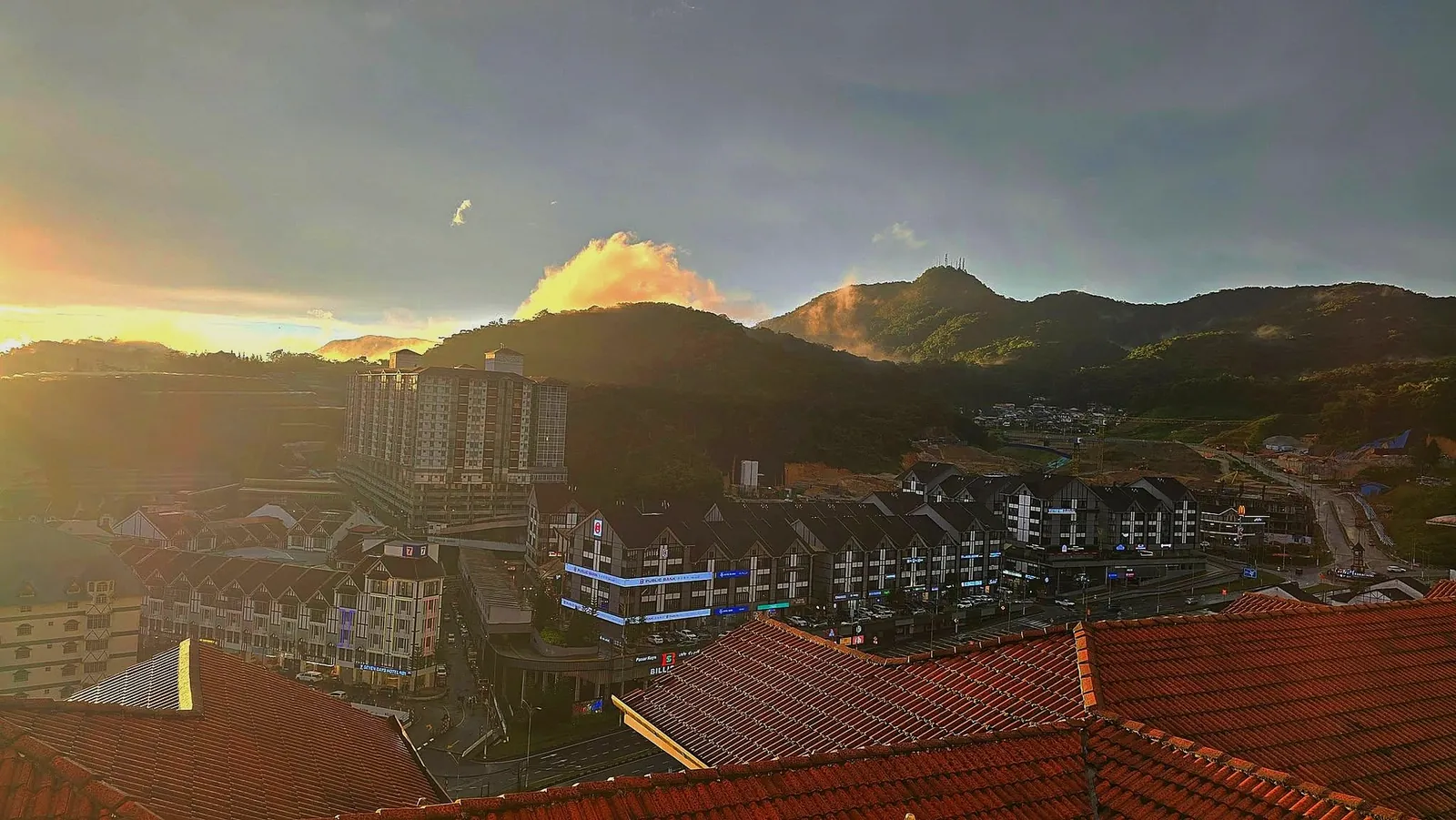
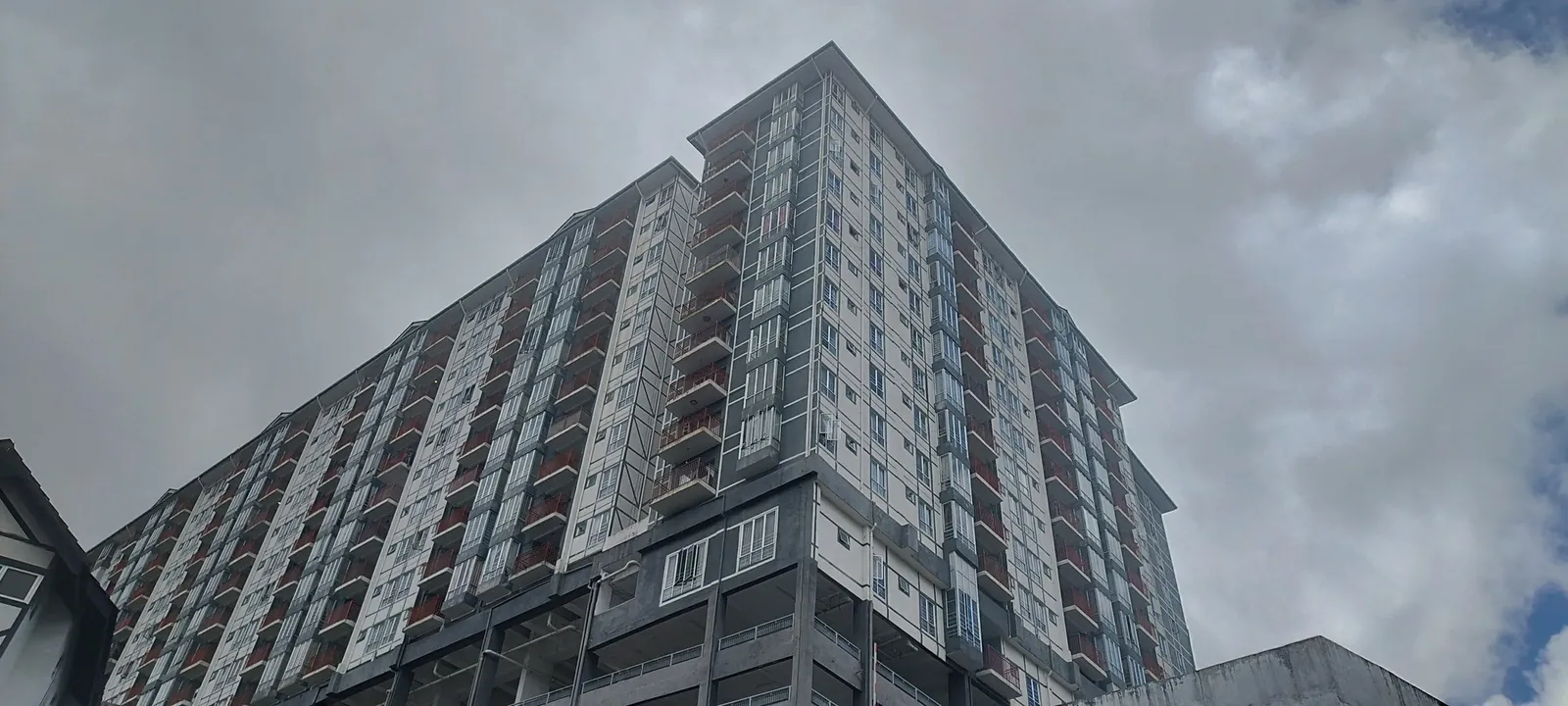
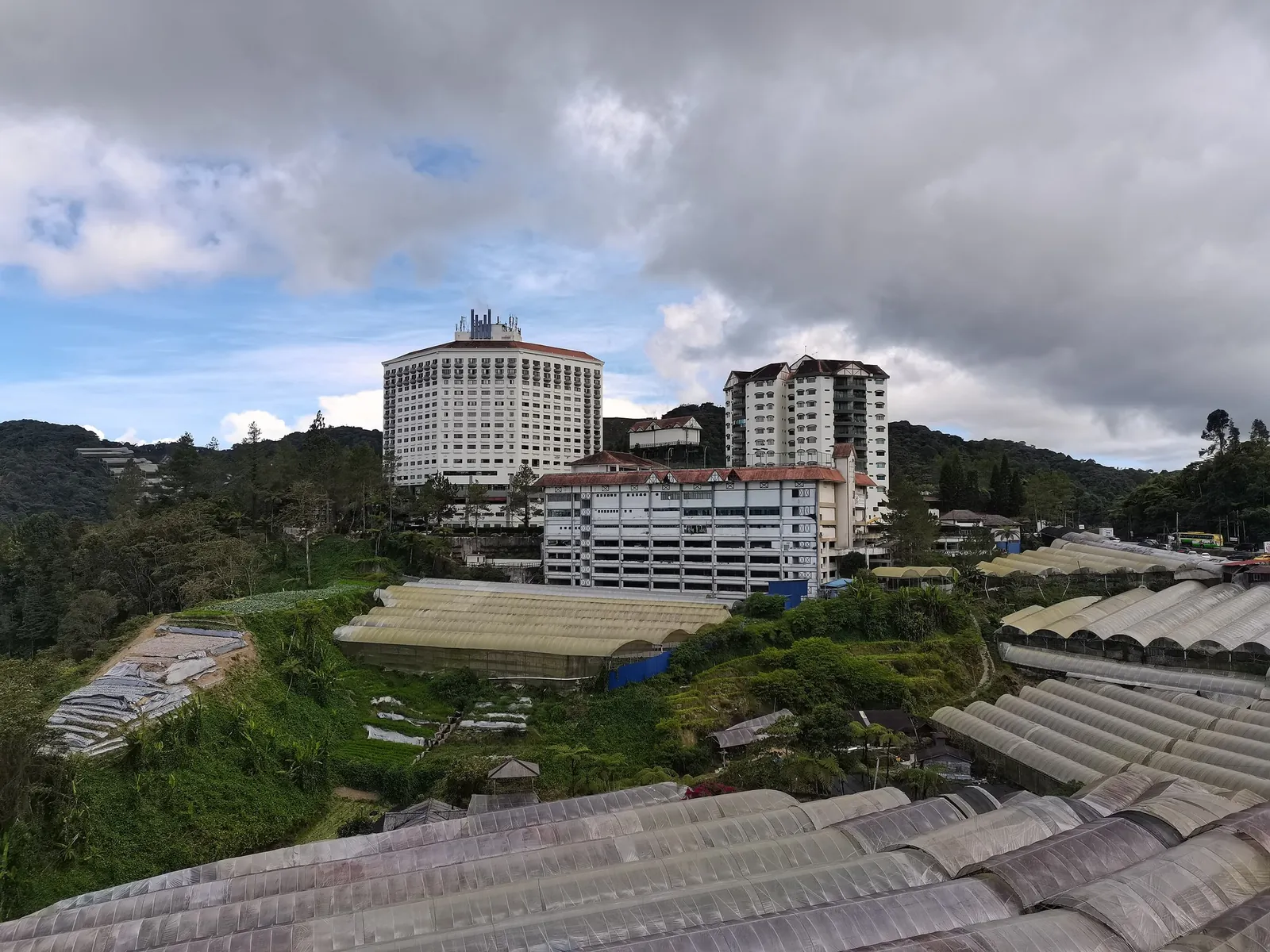
For retirees this is Malaysia's only genuine escape from tropical heat, and it comes with Malaysian advantages: English is widely spoken, the MM2H visa framework exists, and costs are low. The limitations are medical and infrastructural. Tanah Rata has a small district hospital; anything serious means Ipoh, roughly two hours down the mountain. And the area has been heavily overdeveloped, with landslide risk from cleared hillsides a documented and growing problem.
What Cameron Highlands actually looks like
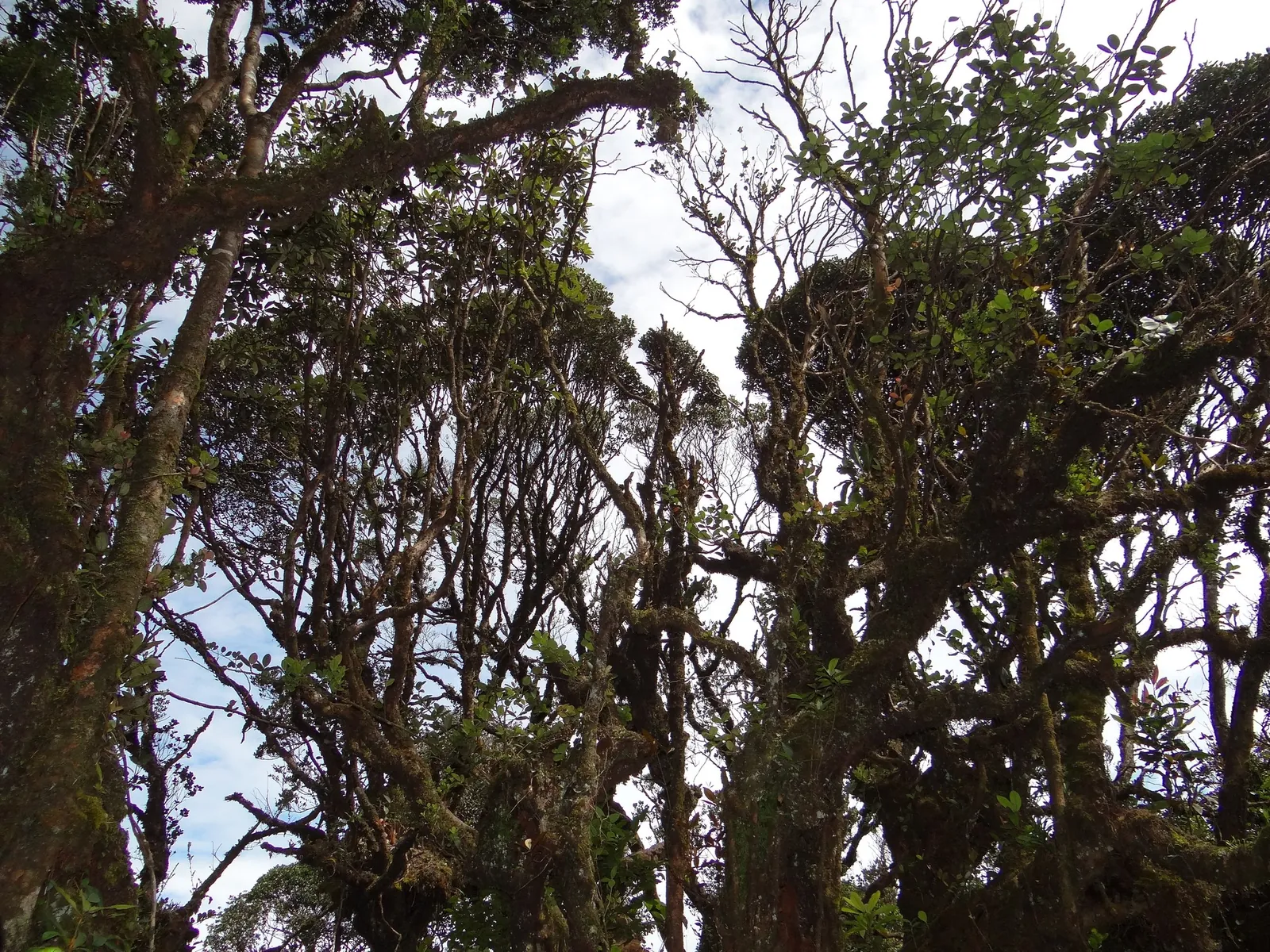
Authentic, unedited photos of Cameron Highlands by residents and visitors, taken on ordinary days rather than chosen by a tourist board. Each one shows when it was taken. Browse photos of all 83 cities →






.jpg)

.jpg)
.jpg)
The other side


Cost of Living in Cameron Highlands
1-Bedroom Rent
$250-$550/month
Local Restaurant Meal
$3-$8 at local restaurants
Cup of Coffee
$1.50-$3
Estimated Monthly Total
$800-$1,400
Want a personalized estimate? Use our cost of living calculator
Healthcare in Cameron Highlands
Cameron Highlands Hospital in Tanah Rata is a small district facility covering emergencies, general medicine, and routine care, supported by private clinics and pharmacies in the town, with consultations at $15-$40. It is adequate for everyday illness and injury and no more. For anything serious — cardiac events, surgery, oncology, or specialist review — residents travel to Ipoh, roughly two hours down a winding mountain road, where KPJ Ipoh Specialist Hospital and Hospital Fatimah provide proper provision. Kuala Lumpur's JCI-accredited hospitals are three to four hours away. That two-hour mountain descent is the single most important practical fact about living here: it is fine for planned appointments and a genuine problem for time-critical emergencies. Retirees with cardiac histories are considerably better served in Ipoh, Penang, or Kuala Lumpur.
Daily Life and Lifestyle in Cameron Highlands
Life in the Cameron Highlands is quiet, cool, and outdoors. Tanah Rata is a single main street with restaurants, shops, and the hospital; the surrounding valleys hold the BOH and Bharat tea estates, mossy forest trails, and the farms. Walking is genuinely comfortable here in a way it is not anywhere else in Malaysia — jungle trails run from the edge of town, and the temperature makes daytime exertion pleasant rather than punishing. Afternoon tea at a plantation with a view over the terraces is the local ritual and is as good as it sounds. The international community is small and largely retired. The counterweight is weekend traffic: the highlands are a popular domestic escape, and the single valley road becomes badly congested during Malaysian school holidays and public holidays.
Climate and Weather in Cameron Highlands
The Cameron Highlands have a subtropical highland climate produced entirely by the 1,500 m elevation. Temperatures run 15-25°C year-round, with nights dropping to 12-15°C — cool enough for a jumper and a blanket, which exists nowhere else in Malaysia. There is no hot season and no cold one. Rainfall is high and fairly evenly distributed, with the wettest periods around April-May and October-November; mist and low cloud are frequent, particularly in the afternoons, and damp is a persistent household issue. The cool damp conditions are exactly what makes the tea and the temperate vegetables grow, and they are also what residents adjust to — this is not a sunny mountain climate but a green, misty, frequently overcast one.
Pros and Cons of Retiring in Cameron Highlands
Pros
- 15-25°C year-round — the only genuine escape from tropical heat in Malaysia
- English widely spoken and the MM2H visa framework available
- Walking and hiking are comfortable in a way they are not in lowland Malaysia
- Tea estates, temperate produce, and jungle trails from the edge of town
- Low costs, well below Kuala Lumpur or Penang
Cons
- Small district hospital only — Ipoh is two hours down a mountain road
- Heavily overdeveloped, with documented landslide risk from cleared hillsides
- Frequent mist, cloud, and damp; mould is a persistent household problem
- Severe weekend and holiday traffic on the single valley road
- Small international community and limited services
Who Is Cameron Highlands Best For?
Retirees in good health who cannot tolerate tropical heat but want Malaysian costs and English-speaking daily life, and who accept that serious medical care is a two-hour mountain drive away.
Where to Live in Cameron Highlands
Tanah Rata
The main town, with the hospital, restaurants, shops, and bus station. Rents run $250-$500/month. The only genuinely walkable settlement and the practical base for anyone without a car.
Brinchang
The second town a few kilometres north, closer to the tea estates and the night market. Rents run $250-$550/month. Busier at weekends with domestic visitors; slightly higher and cooler.
Ringlet & the lower valley
The southern end of the highlands towards the Ipoh road, lower and slightly warmer. Rents run $200-$450/month. Cheapest, quietest, and closest to the descent, but furthest from services.
Hospitals and Healthcare Facilities in Cameron Highlands
Cameron Highlands Hospital, Tanah Rata
Small district hospital covering emergencies, general medicine, and routine care for the highlands. Adequate for everyday needs; not equipped for complex treatment.
KPJ Ipoh Specialist Hospital & Hospital Fatimah
The nearest proper hospitals, roughly two hours down the mountain in Ipoh, providing specialist care, surgery, and diagnostics.
Kuala Lumpur JCI hospitals
Prince Court, Gleneagles KL, and Pantai Hospital, three to four hours away, for anything requiring internationally accredited care.
Facility details may change. Verify accreditation status and services directly with each hospital before making healthcare decisions.
Dining and Food Scene in Cameron Highlands
The highlands grow what the rest of Malaysia cannot: strawberries, temperate vegetables, and tea. Steamboat — a communal hotpot eaten in the cool evening air — is the local institution and is what Malaysian visitors come up for, at $8-$15 per person.
Tea is the other reason to be here. The BOH and Bharat estates run cafés overlooking their terraces, and afternoon tea with scones at a plantation is genuinely good and costs $5-$10. The tea itself, grown and processed within a few kilometres, is sold at prices well below retail elsewhere.
Everyday eating is standard Malaysian at highland prices — Indian, Chinese, and Malay restaurants along Tanah Rata's main street at $3-$7 a meal. Weekly groceries for two run $40-$65. The night market at Brinchang sells the local produce directly, and the strawberries, while heavily marketed, are genuinely local rather than trucked in.
Is Cameron Highlands Right for You?
Take our free 3-minute retirement quiz to see how Cameron Highlands and Malaysia compare to other destinations based on your preferences, budget, and needs.
Take the Retirement QuizFrequently Asked Questions About Retiring in Cameron Highlands
How cool is it really?
At 1,500 metres the range is 15-25°C year-round, with nights at 12-15°C. That is cool enough to want a jumper in the evening and a blanket at night — an experience unavailable anywhere else in Malaysia, where the lowlands sit at 26-34°C with high humidity. It is not cold: it never approaches freezing. But the difference from Kuala Lumpur or Penang is dramatic and is the entire reason to consider the highlands.
How serious is the landslide risk?
It is a documented and growing problem. Decades of hillside clearing for farms, polytunnels, and development have destabilised slopes across the highlands, and landslides during heavy rain have caused deaths and closed the access roads. It is a genuine consideration when choosing a property — the position of a house relative to a cut slope matters — and it is one of the reasons the area's overdevelopment is controversial within Malaysia.
Is the two-hour drive to a hospital manageable?
For planned care, yes. Cameron Highlands Hospital in Tanah Rata handles everyday illness and injury, and Ipoh's specialist hospitals are two hours down the mountain for anything beyond that. For a cardiac event or major trauma, two hours on a winding mountain road is a serious limitation. Retirees with relevant medical histories generally do better in Ipoh itself — which is cheap, has good hospitals, and is only 40 metres above sea level but noticeably cooler than the coast in the evenings.
Sources & References
- Malaysian Ministry of Health — Cameron Highlands Hospital provision and district facility scope
- Malaysian Meteorological Department — Temperature, rainfall, and cloud data for the Cameron Highlands
- Malaysian Department of Mineral and Geoscience — Slope stability and landslide risk assessments for the Cameron Highlands
- Malaysia My Second Home (MM2H) programme — Visa tiers, deposit requirements, and conditions under the 2024 framework