
City Retirement Guide
Retire in Turin, Italy
Grand Alpine-edge city with one of Europe's largest hospital complexes, at half Milan's price
Turin at a Glance
- Elevation & setting
- ~239 m at the western edge of the Po valley, Piedmont; Alps visible from the city; ~45.07°N
- Annual temperature
- -1 to 8°C December-February with fog and frost, 27-33°C June-August; humid subtropical with continental influence (Köppen Cfa)
- Nearest international airport
- Turin Caselle (TRN), ~16 km north; Milan Malpensa ~2 h for wider long-haul service
- Nearest major hospital
- Città della Salute e della Scienza di Torino, in the city
- Primary retirement visa
- Italy Elective Residence Visa; 2026 minimum ~€31,000/year, plus ~€20,900 per dependant
- Language environment
- Italian; English limited outside the university and private healthcare
Turin's Egyptian Museum holds a collection generally ranked second only to Cairo's — the result of Savoyard collecting in the 19th century, and entirely unexpected in a city better known for building cars.
Overview of Turin for Retirees
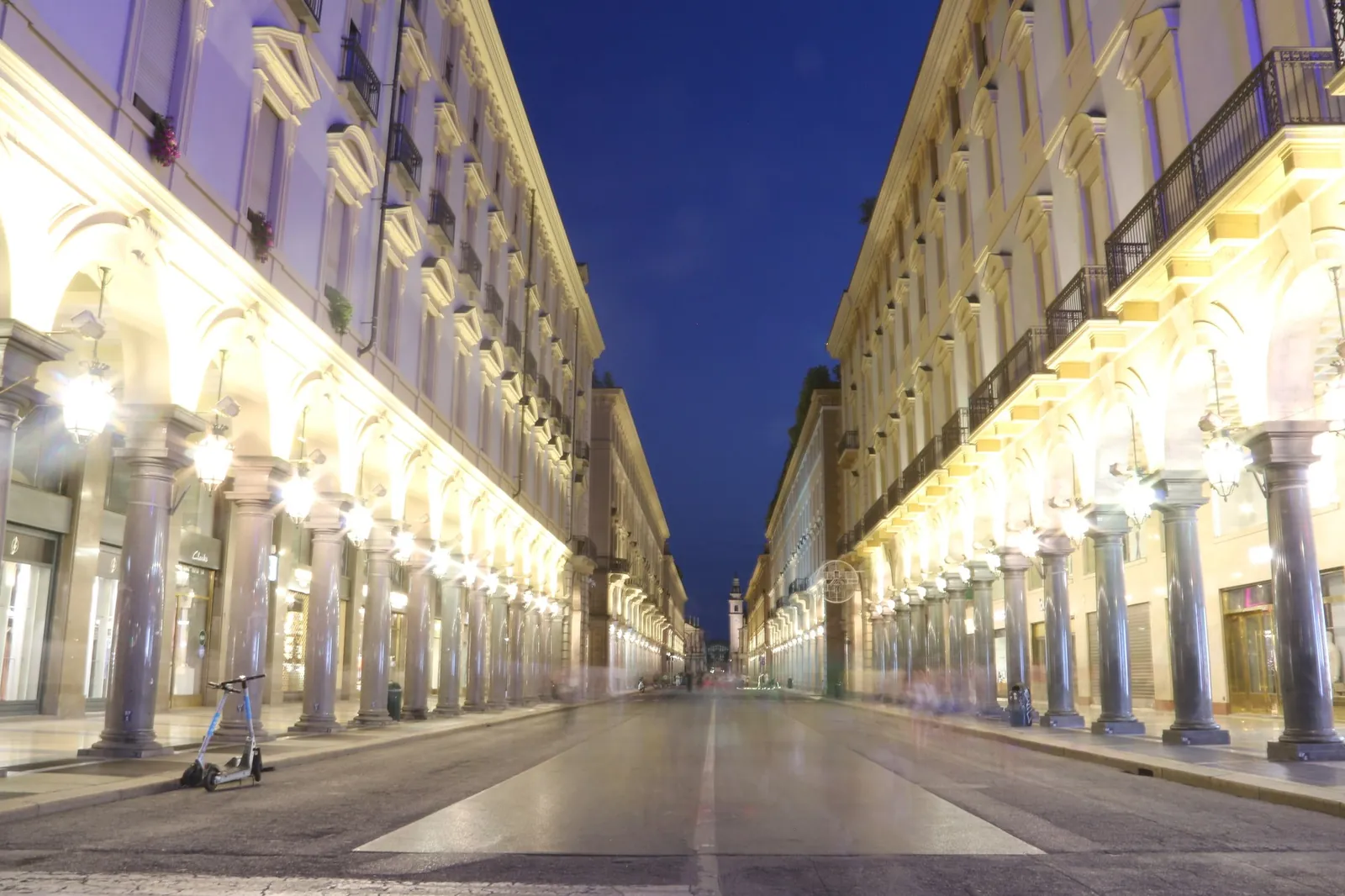
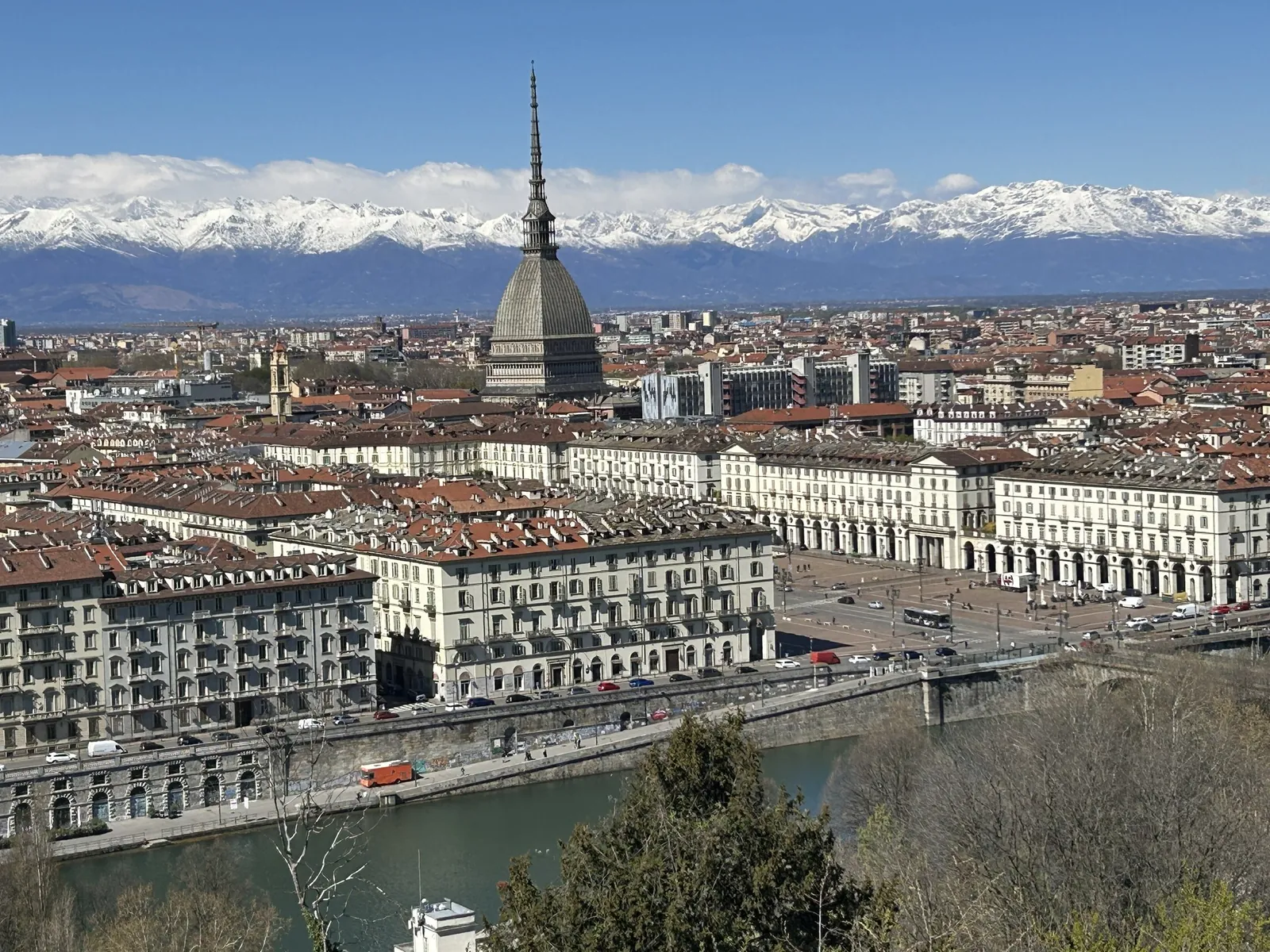
Turin sits at the western edge of the Po valley at about 45.07°N and 239 metres, with the Alps rising visibly at the end of its streets. It was the first capital of unified Italy and the seat of the House of Savoy, and it has the architecture to show for it: arcaded boulevards, baroque palaces, and a grid plan unusual in Italy.
For retirees the practical draw is that Turin offers a major northern Italian city — with the hospitals, transport, and culture that implies — at noticeably lower cost than Milan, Florence, or Rome. Rents average around €12.50 per square metre against Milan's far higher figures, and a single person lives on €1,600-€2,400 a month.
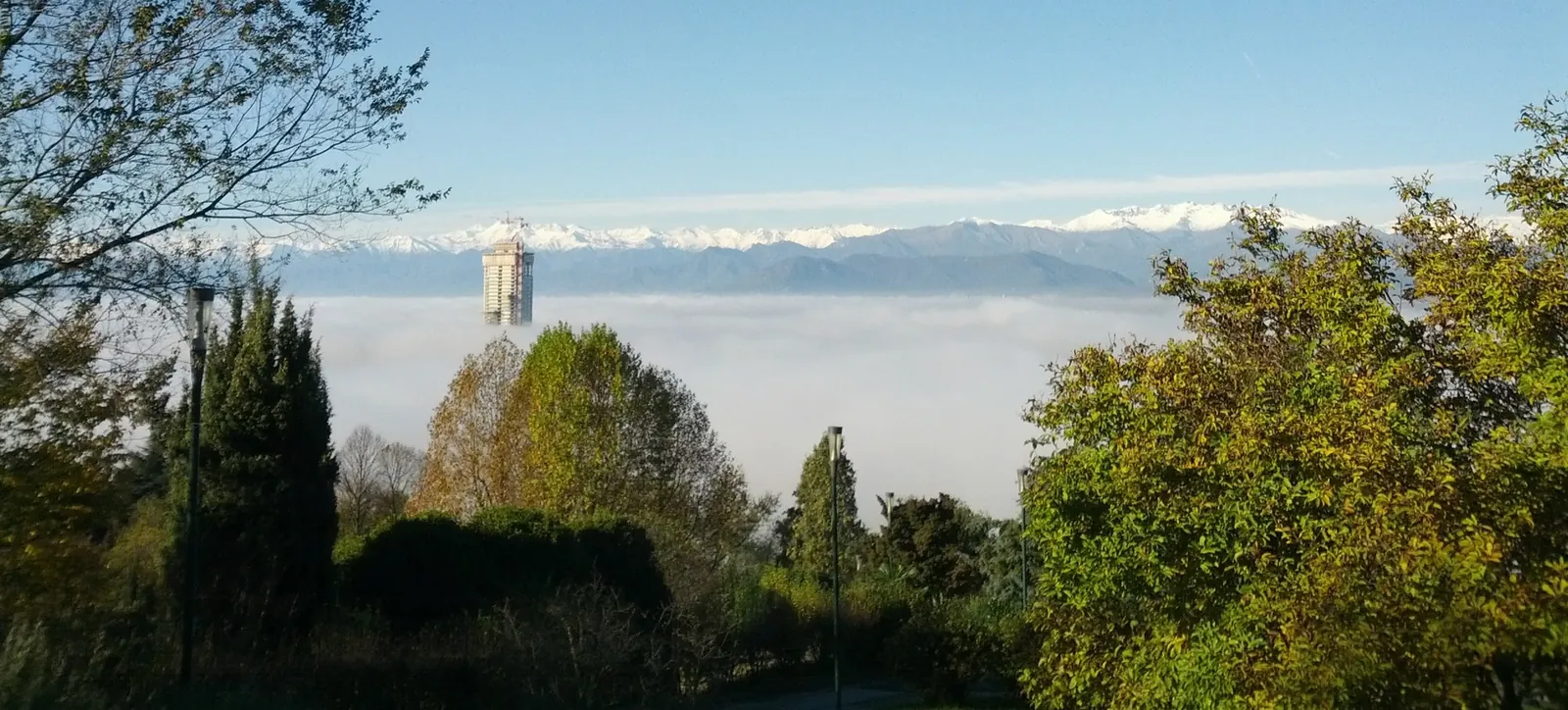
Healthcare is a particular strength: Città della Salute e della Scienza di Torino is one of the largest hospital complexes in Europe, incorporating the Molinette hospital and several specialist institutes. The trade-offs are climate and air: Turin has cold, foggy winters, and the Po valley around it suffers some of the worst winter air pollution in Europe.
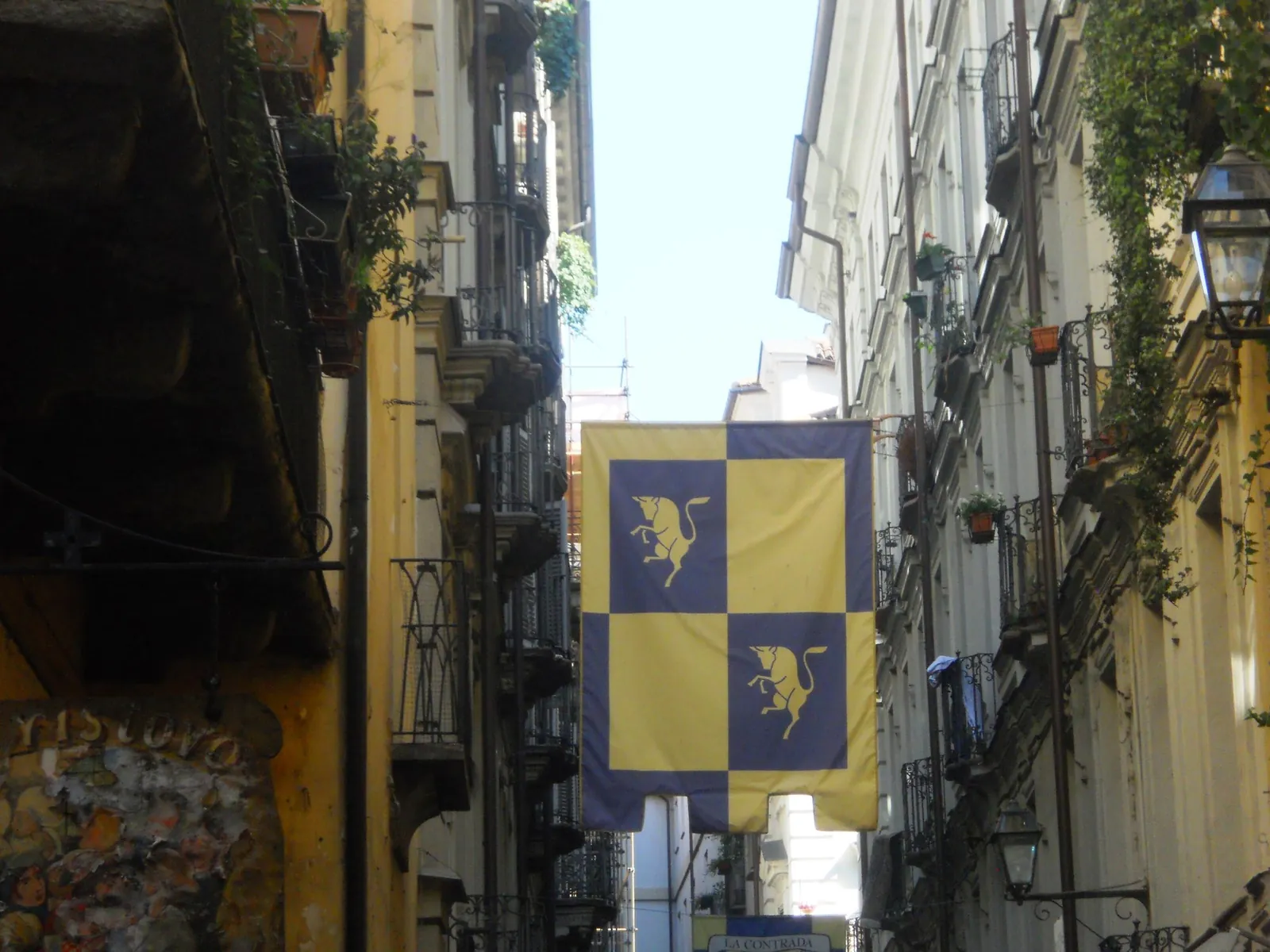
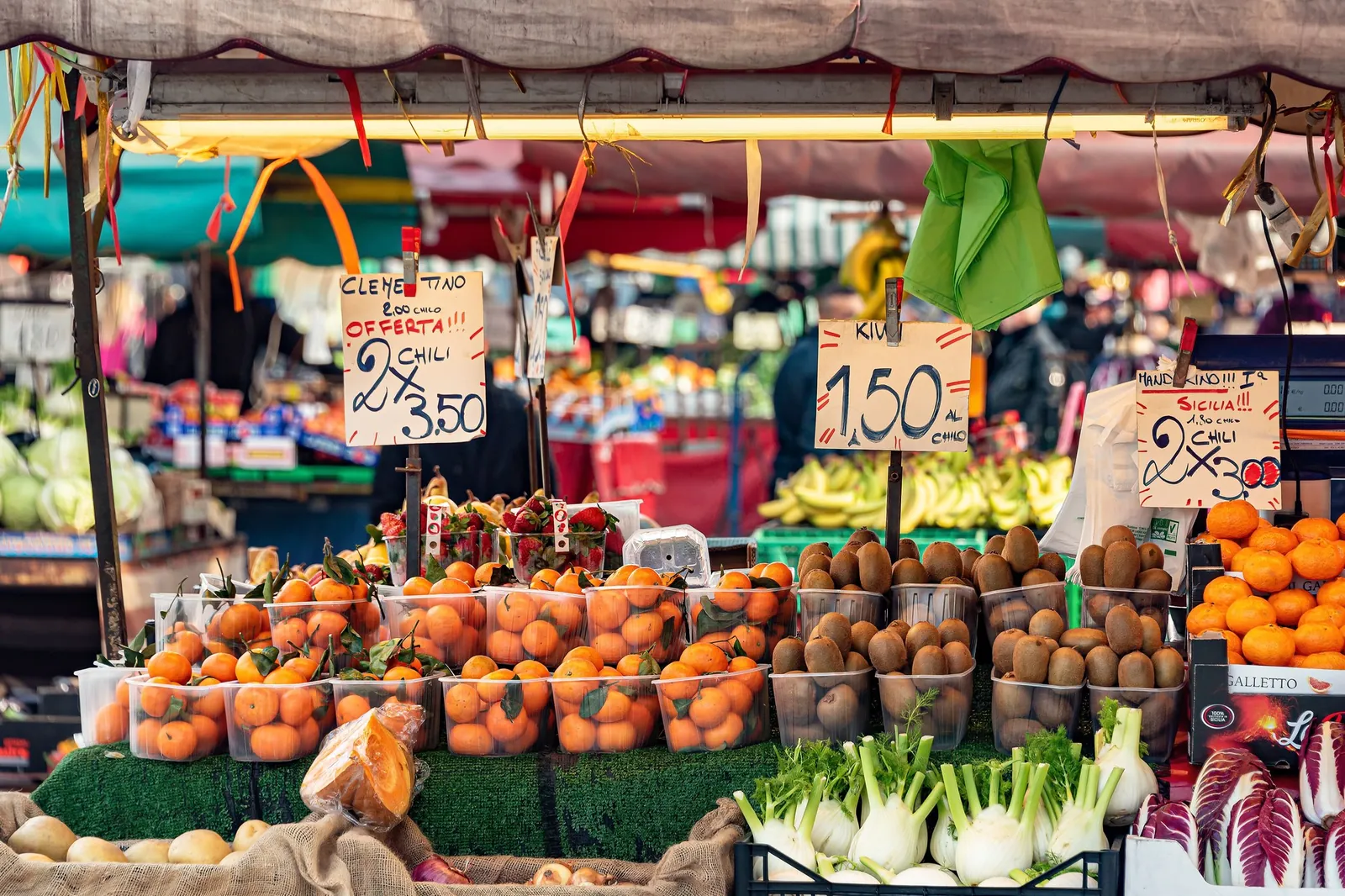
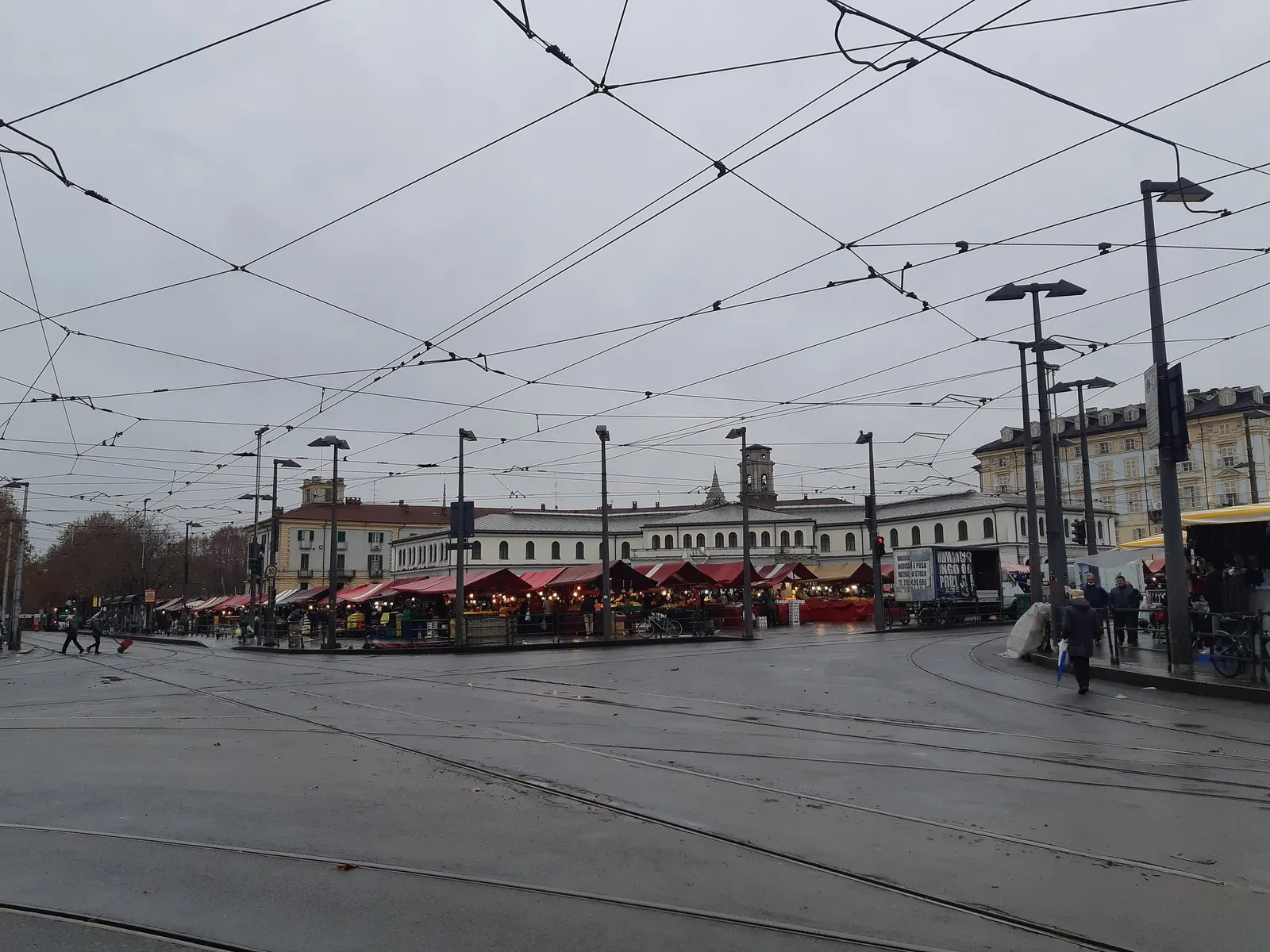
What Turin actually looks like
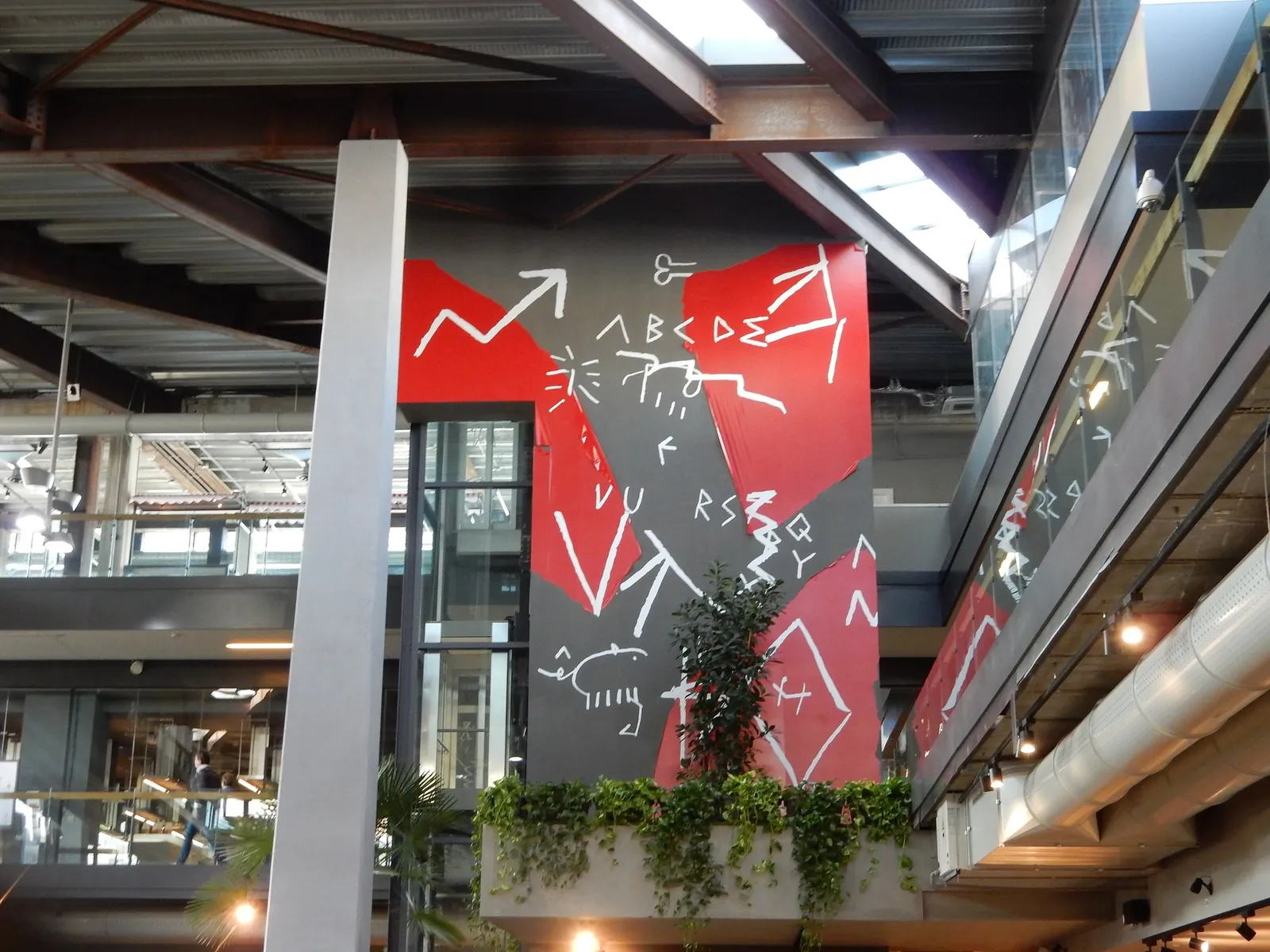
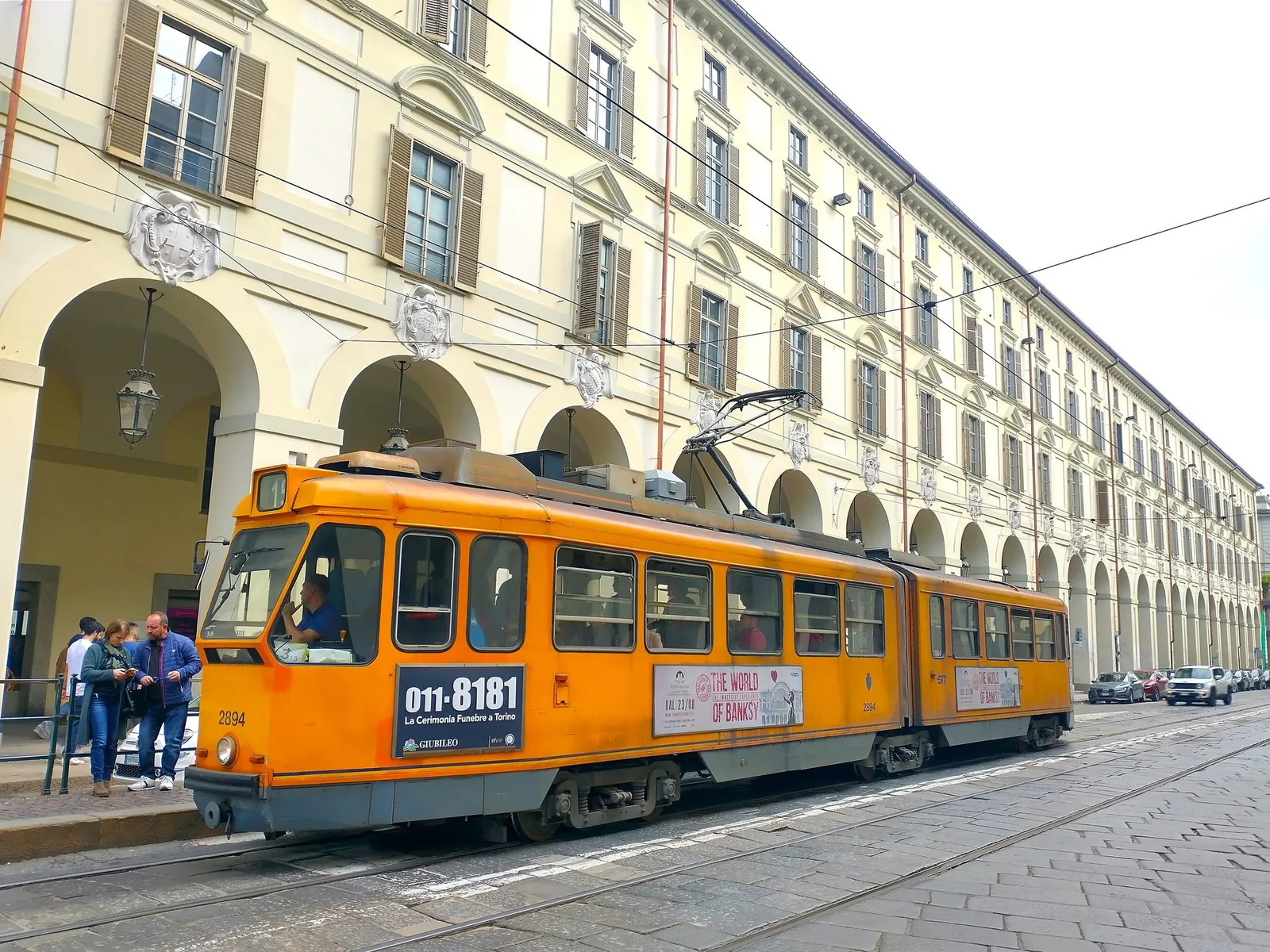
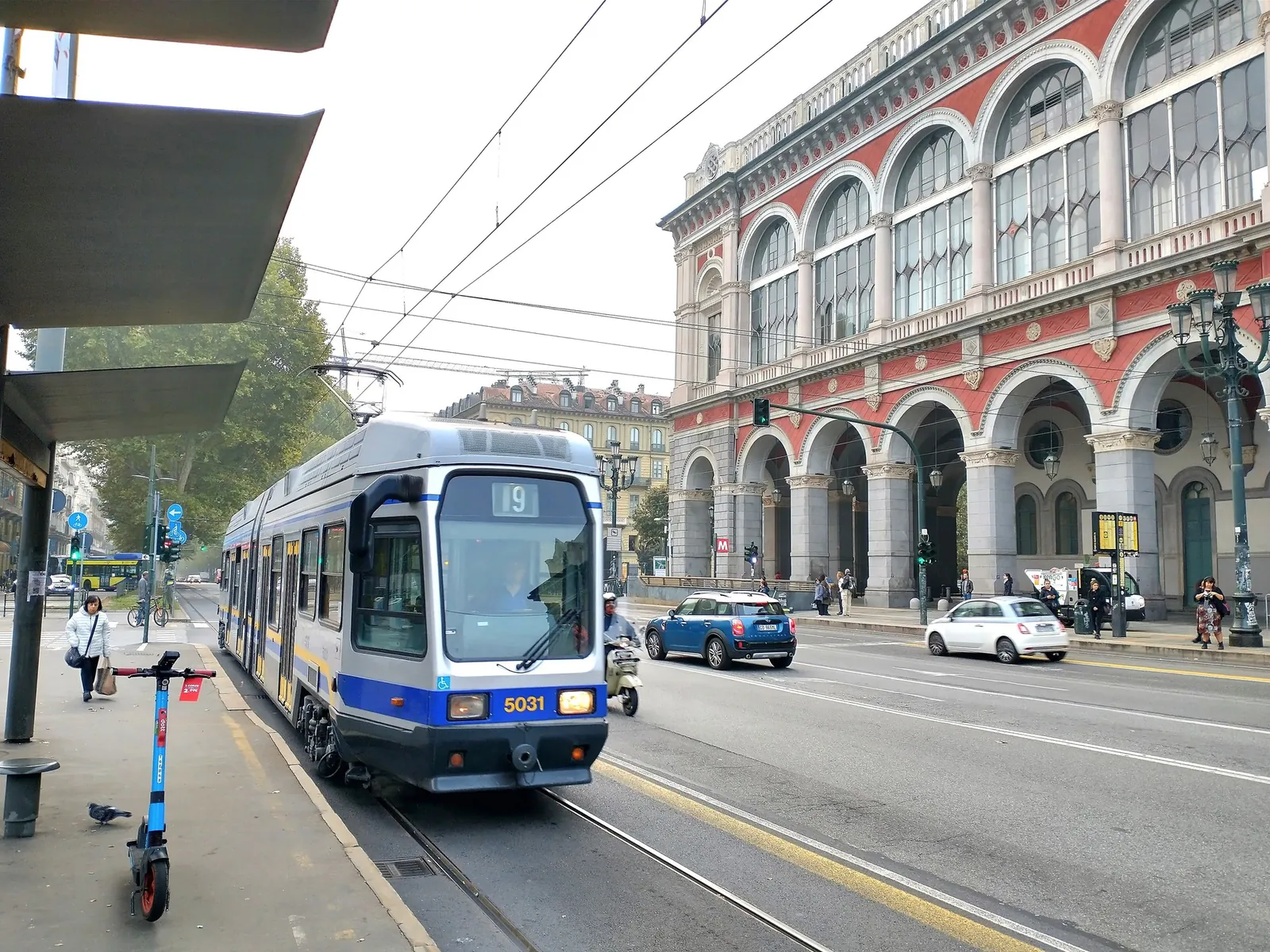
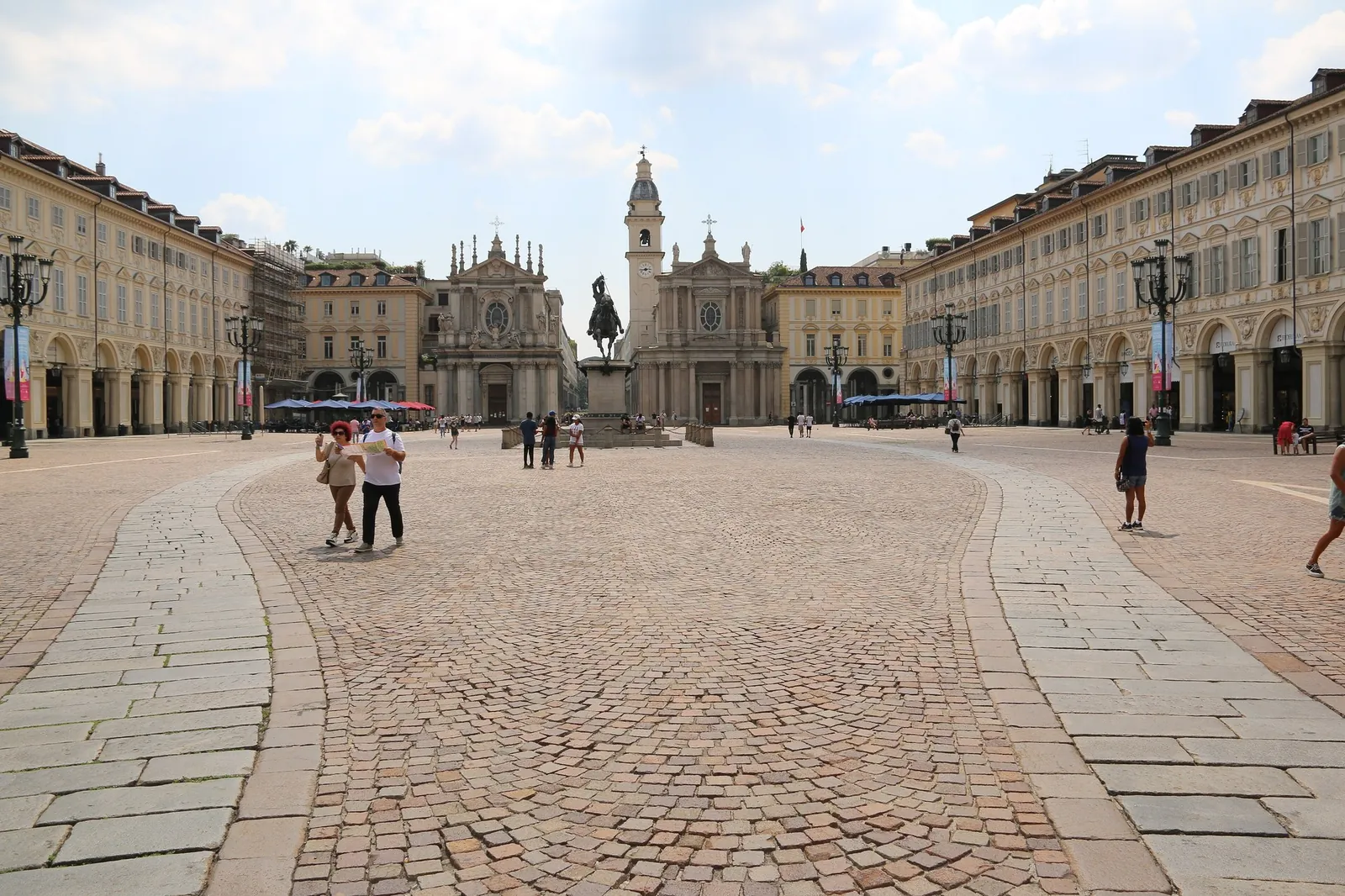
Authentic, unedited photos of Turin by residents and visitors, taken on ordinary days rather than chosen by a tourist board. Each one shows when it was taken. Browse photos of all 83 cities →





.jpg)
.jpg)


.jpg)

The other side
.jpg)
Cost of Living in Turin
1-Bedroom Rent
$700-$1,200/month
Local Restaurant Meal
$16-$26 at local restaurants
Cup of Coffee
$1.50-$2.50
Estimated Monthly Total
$1,800-$2,700
Want a personalized estimate? Use our cost of living calculator
Healthcare in Turin
Turin's hospital provision is among the deepest in Italy. Città della Salute e della Scienza di Torino is one of the largest hospital complexes in Europe, bringing together the Molinette general hospital with specialist institutes covering oncology, cardiology, paediatrics, and obstetrics on a single campus, and functioning as a tertiary referral centre for Piedmont and beyond. Piedmont's regional health service generally rates in the upper tier of Italian regions. Private clinics offer consultations at $70-$120 with short waits. Retirees resident in Italy can enrol voluntarily in the SSN for roughly $2,300 a year. For anyone whose main concern is access to complex specialist care within a European public system at moderate cost, Turin is one of the strongest options on this site.
Daily Life and Lifestyle in Turin
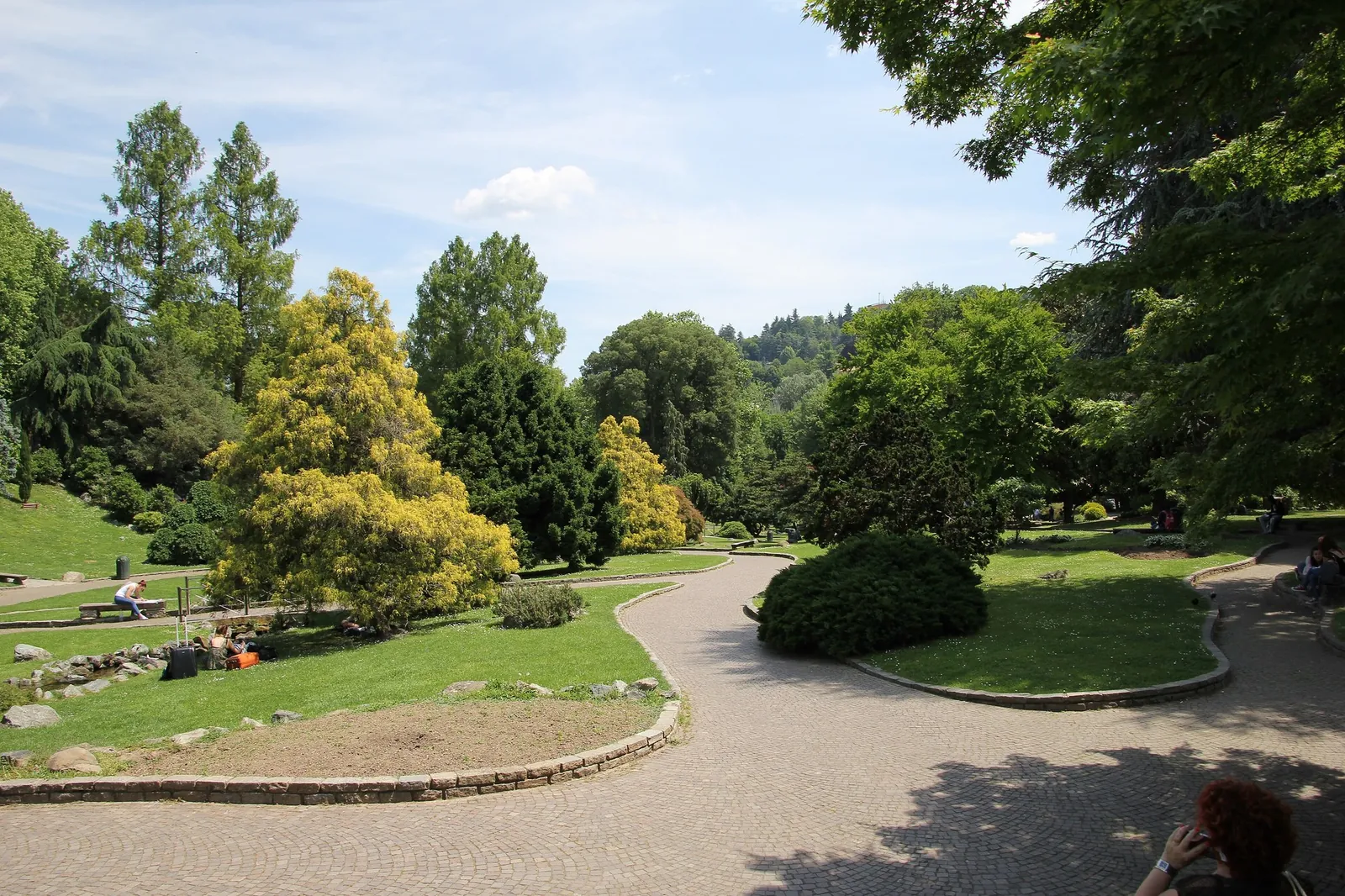
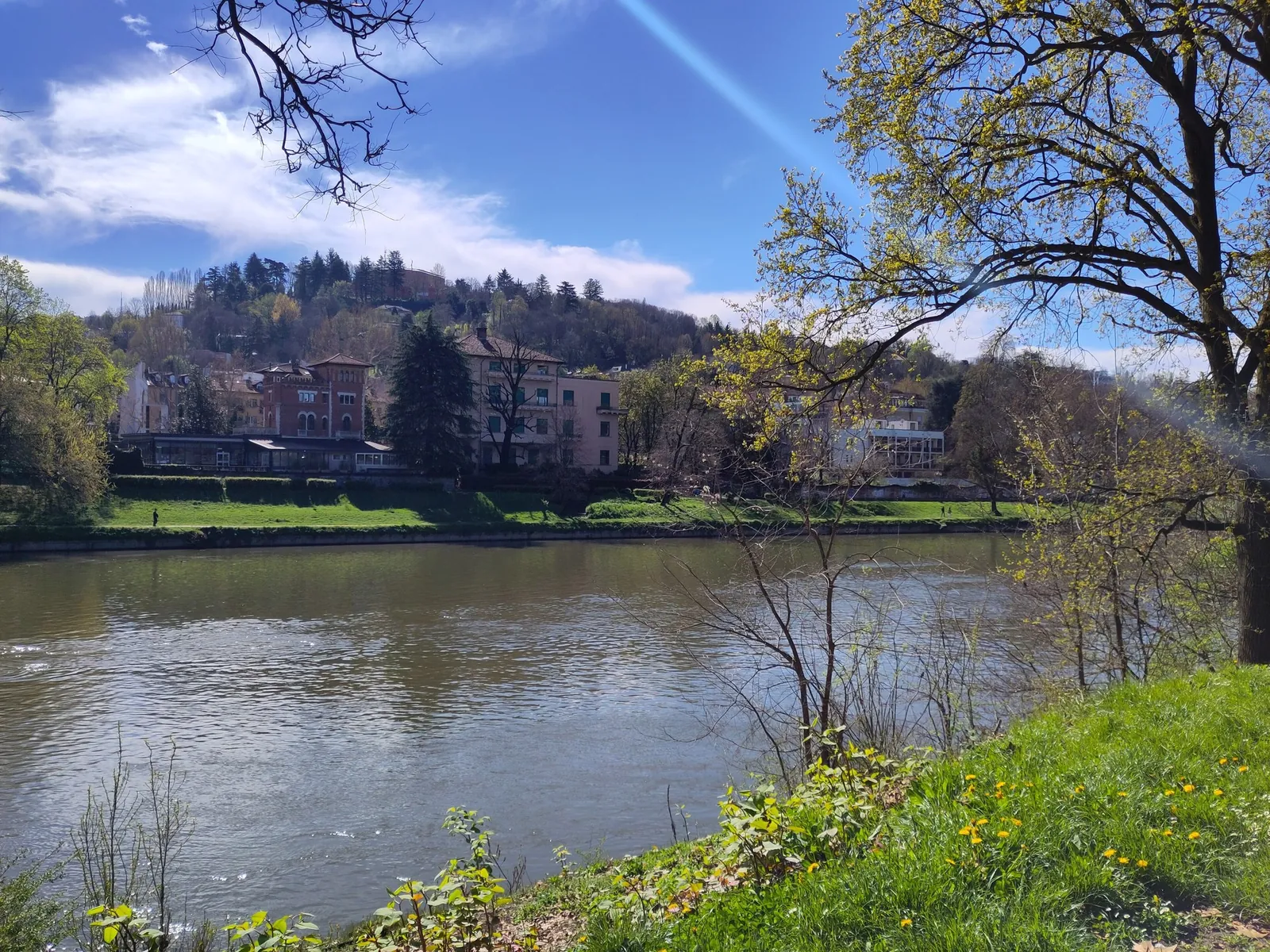
Turin is grander and more formal than most Italian cities — eighteen kilometres of arcaded streets, enormous piazzas, and a café culture that produced both Italian vermouth and the country's first commercial chocolate. It is a city of museums, including the Egyptian Museum, whose collection is generally considered second only to Cairo's. The Po runs through it with parks along both banks, and the hills across the river give walking and views. What distinguishes Turin practically is the Alps: serious mountains are an hour away, with the Susa and Aosta valleys reachable for day trips. The city is also less touristed and less internationalised than Milan or Florence, which keeps prices ordinary but means a small international community and thoroughly Italian daily life. Public transport is good and the flat centre is walkable.
Climate and Weather in Turin
Turin has a humid subtropical climate with strong continental influence, moderated slightly by its position against the Alps. Summers (June-August) are hot at 27-33°C and humid, though less oppressive than Bologna or Milan because the Alpine proximity brings cooler nights. Winters (December-February) are cold at -1 to 8°C, with frost normal, occasional snow, and persistent fog on the plain. Spring and autumn are pleasant at 13-23°C. Rainfall peaks in spring and autumn. The serious climatic issue is air quality: the western Po valley, with the Alps blocking airflow on three sides, experiences some of the worst winter particulate pollution in Europe during temperature inversions, and Turin regularly appears near the top of European city rankings for that problem.
Pros and Cons of Retiring in Turin
Pros
- One of the largest hospital complexes in Europe, and a tertiary referral centre for Piedmont
- Substantially cheaper than Milan, Florence, or Rome for a comparable northern Italian city
- The Alps an hour away for walking, lakes, and snow
- Eighteen kilometres of arcaded streets and a flat, walkable, grid-planned centre
- Museums of international rank, including the second-greatest Egyptian collection
Cons
- Some of the worst winter air pollution in Europe, in the western Po valley
- Cold, foggy winters at -1 to 8°C with frost normal
- Hot, humid summers at 27-33°C
- Small international community — daily life is thoroughly Italian
- No sea; the Ligurian coast is about two hours away
Who Is Turin Best For?
Retirees who want a major northern Italian city with exceptional hospital access and Alpine proximity at moderate cost, and who do not have respiratory conditions that the Po valley winter would aggravate.
Where to Live in Turin
Centro & Quadrilatero
The arcaded historic core around Piazza Castello and San Carlo. One-bedrooms run $800-$1,300/month. Flat, walkable, fully covered by arcades, with museums and cafés on the doorstep.
Crocetta & San Salvario
Elegant residential districts south of the centre, close to Molinette hospital and the Valentino park. Rents run $750-$1,250/month. Quiet, well connected, and popular with professionals.
Collina & Borgo Po
The hills across the river, with houses, gardens, and views over the city to the Alps. Rents run $850-$1,500/month. Greener, better air, and quieter — but a car is needed and the terrain is steep.
Hospitals and Healthcare Facilities in Turin
Città della Salute e della Scienza di Torino
One of the largest hospital complexes in Europe, incorporating the Molinette general hospital with specialist oncology, cardiology, paediatric, and obstetric institutes. Tertiary referral centre for Piedmont.
Ospedale Mauriziano Umberto I
Major public hospital in the city covering emergency care, surgery, and a broad range of specialties, complementing the Città della Salute complex.
Private clinics, Turin
Several private hospitals and clinics offer consultations, diagnostics, and elective surgery at $70-$120 with short waits, used to bypass public waiting lists.
Facility details may change. Verify accreditation status and services directly with each hospital before making healthcare decisions.
Dining and Food Scene in Turin
Piedmontese cooking is the richest in Italy and the least tomato-based: agnolotti del plin, vitello tonnato, bagna càuda, and brasato al Barolo. A full meal runs $20-$32, and the region's white truffles from Alba, in season from October to December, are among the most expensive ingredients in the world.
Turin invented the aperitivo, and the ritual here is substantial — a vermouth or a bicerin, the local layered coffee, chocolate, and cream drink, with a spread of food included for $10-$15. The historic cafés along the arcades, some operating since the 18th century, are institutions rather than tourist attractions.
Weekly groceries for two run $75-$115. Piedmont produces Barolo, Barbaresco, Barbera, and Nebbiolo within an hour of the city, so serious wine is at everyday prices. The region also grows most of Italy's rice in the Vercelli plain, and gianduja — the hazelnut chocolate that became Nutella — was invented here when Napoleonic blockades made cocoa scarce.
Is Turin Right for You?
Take our free 3-minute retirement quiz to see how Turin and Italy compare to other destinations based on your preferences, budget, and needs.
Take the Retirement QuizFrequently Asked Questions About Retiring in Turin
How serious is Turin's air pollution?
Serious enough to be a deciding factor for some people. The western Po valley is enclosed by the Alps on three sides, so winter temperature inversions trap particulates over the plain for extended periods, and Turin regularly appears near the top of European rankings for winter particulate pollution. The problem runs roughly November to February. For a retiree with asthma, COPD, or cardiac disease, this genuinely offsets the healthcare advantage and is worth discussing with a doctor.
Why is Turin so much cheaper than Milan?
Turin's economy was built on automotive manufacturing and has been restructuring for decades, while Milan became Italy's financial and fashion capital. The result is that Turin has the infrastructure, hospitals, museums, and transport of a major city without Milan's property market — rents average around €12.50 per square metre against far higher figures in Milan. For a retiree, who needs the infrastructure rather than the job market, that is close to pure advantage.
How good is the healthcare in Turin?
Among the best available on this site within a public system. Città della Salute e della Scienza di Torino is one of the largest hospital complexes in Europe, combining the Molinette general hospital with specialist oncology, cardiology, and paediatric institutes on one campus, and acting as a tertiary referral centre. Piedmont rates in the upper tier of Italian regional health systems. Voluntary SSN enrolment costs roughly $2,300 a year for a resident retiree.
Sources & References
- Città della Salute e della Scienza di Torino — Complex scale, constituent institutes, and tertiary referral role for Piedmont
- Italian National Institute for Environmental Protection (ISPRA) — Western Po valley winter particulate pollution data for Turin
- Italian Ministry of Health — SSN voluntary enrolment for foreign residents and annual contribution levels
- Idealista Italia — Rental and property price data for Turin neighbourhoods