
Städte-Ratgeber zum Ruhestand
Ruhestand in Lecce, Italien
Barockstadt im Absatz Apuliens — süditalienische Preise und die 7-%-Pauschalsteuer nebenan
Lecce auf einen Blick
- Höhenlage & Umgebung
- ~49 m nahe der Spitze des italienischen Absatzes, ~20 km von Adria und Ionischem Meer; Salento, Apulien; ~40,35° N
- Jahrestemperatur
- 8–15 °C Dezember–Februar, 30–36 °C Juni–September; mediterran mit heißen Sommern (Köppen Csa), eine der sonnigsten Regionen Italiens
- Nächster internationaler Flughafen
- Brindisi (BDS), ~40 km nördlich; Bari (BRI) ~150 km für breiteres internationales Angebot
- Nächstes großes Krankenhaus
- Ospedale Vito Fazzi, in der Stadt
- Wichtigstes Rentnervisum
- Italienisches Elective-Residence-Visum; Mindestbetrag 2026 ~31.000 €/Jahr, plus ~20.900 € je Angehörigem
- Sprachumfeld
- Italienisch; Englisch außerhalb des Tourismus sehr begrenzt — funktionales Italienisch ist wirklich notwendig
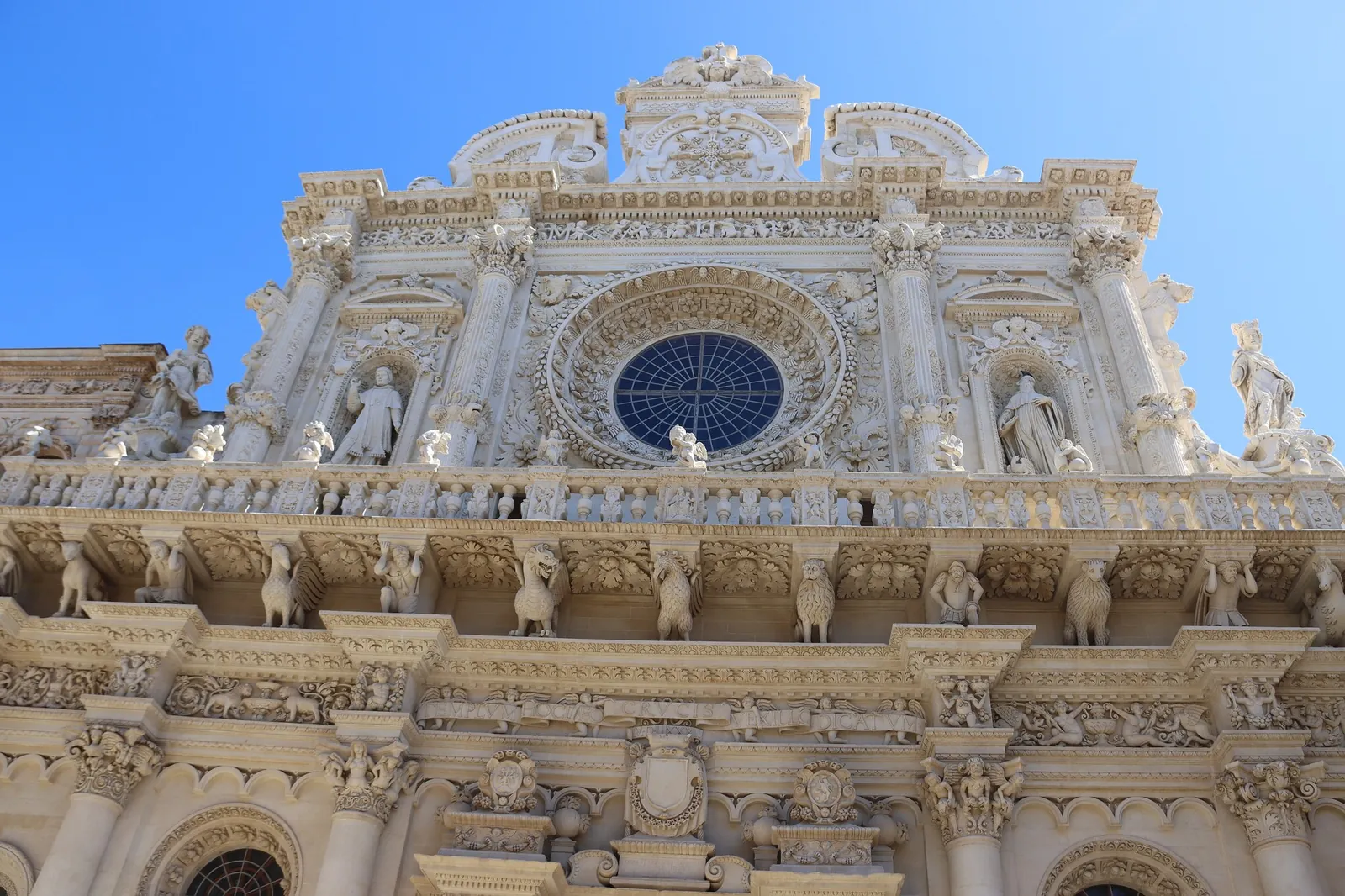
Lecces Barock existiert, weil der lokale Kalkstein frisch gebrochen weich genug ist, um ihn mit dem Messer zu schnitzen, und an der Luft aushärtet — die Architektur ist eine direkte Folge der Geologie.
Überblick über Lecce für Ruheständler
Lecce liegt nahe der Spitze des italienischen Absatzes bei etwa 40,35° N auf 49 Metern, rund 20 Kilometer sowohl von der Adria als auch vom Ionischen Meer entfernt. Die Altstadt besteht fast vollständig aus einem weichen goldenen Kalkstein, der sich leicht schnitzen lässt — weshalb die Stadt eine außergewöhnliche Dichte barocker Fassaden besitzt und oft das Florenz des Südens genannt wird.
Für Ruheständler zählt der Preis. Ein Paar lebt komfortabel mit 1.800–2.200 € monatlich inklusive Miete; möblierte Ein-Zimmer-Wohnungen außerhalb des Centro storico beginnen bei 400–500 €, eine Zwei-Zimmer-Wohnung nahe der Piazza Duomo kostet 700–900 €. Restaurantessen liegt bei etwa 15 €, Kaffee bei 1,60 €.
Apulien ist eine der süditalienischen Regionen, die Italiens 7-%-Pauschalsteuer auf ausländisches Einkommen für neu zugezogene Rentner abdecken, zehn Jahre lang. Ein Detail ist wichtig: Die Regelung verlangt Wohnsitz in einer Gemeinde unterhalb einer Einwohnergrenze — im April 2026 von 20.000 auf 30.000 angehoben —, und Lecce selbst ist mit rund 95.000 Einwohnern viel zu groß. Wer den Satz nutzen will, meldet sich in kleineren Orten der Provinz an, etwa Otranto, Galatina oder Copertino, alle 20 bis 40 Minuten entfernt.
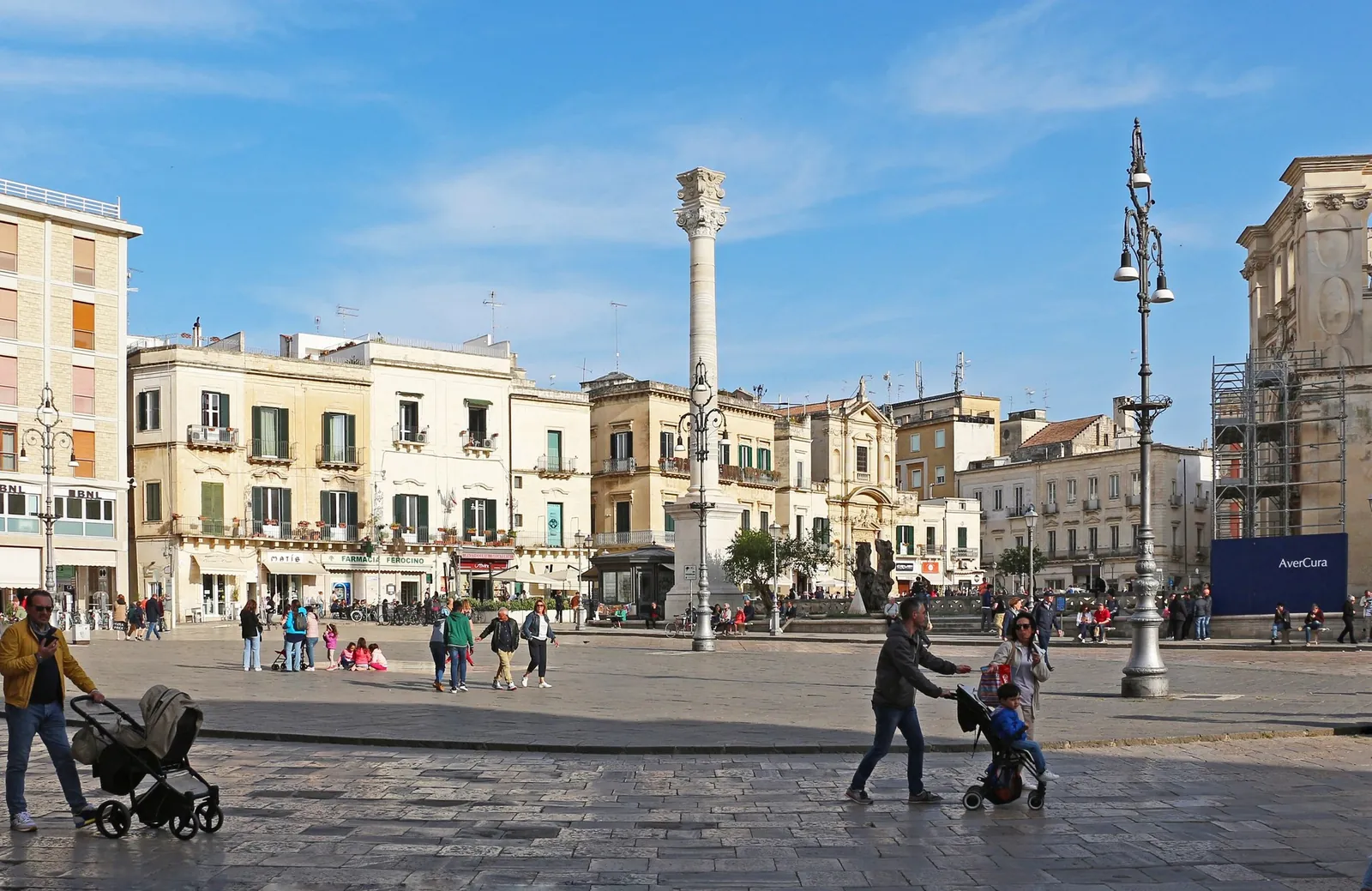
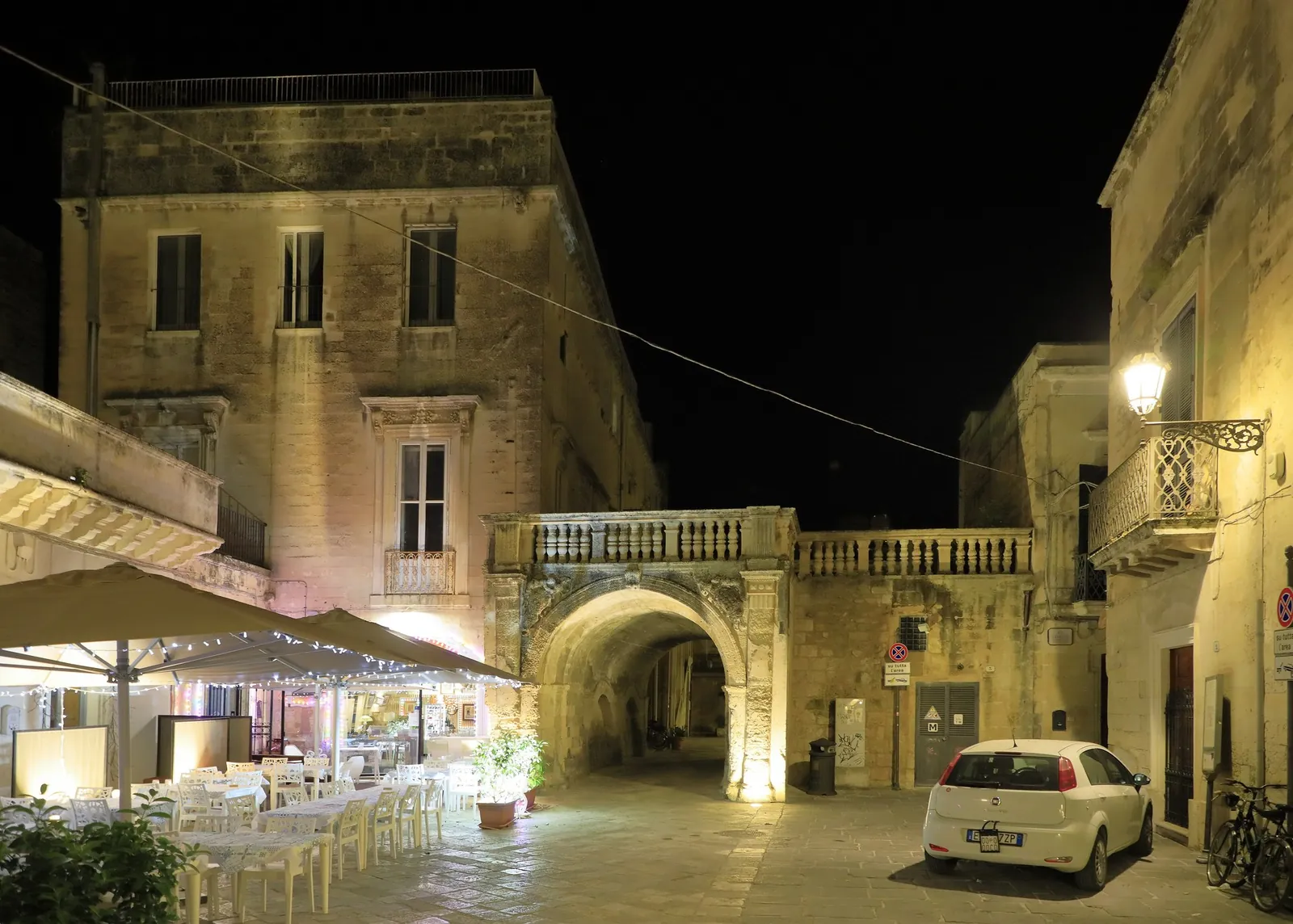
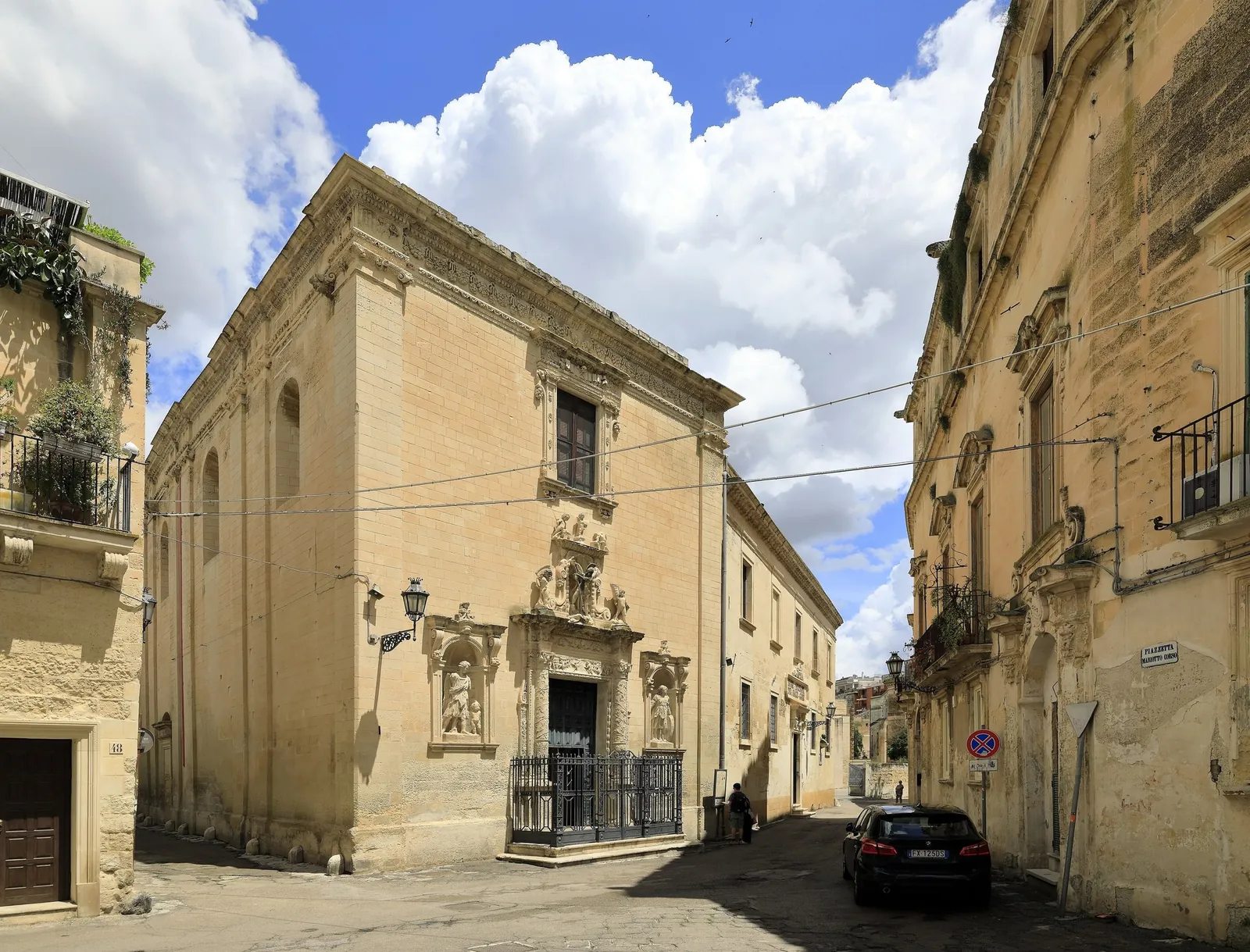
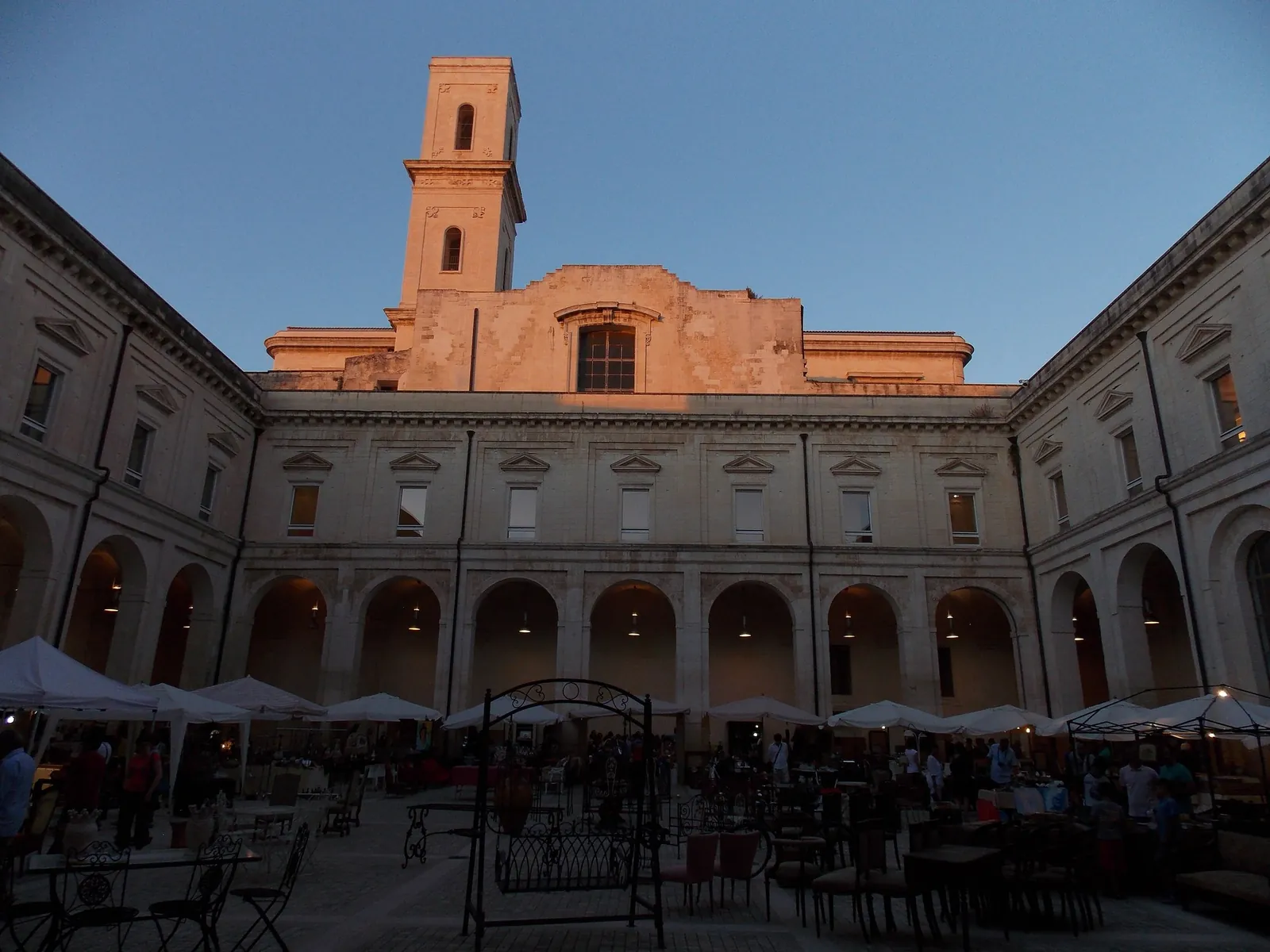
So sieht Lecce wirklich aus
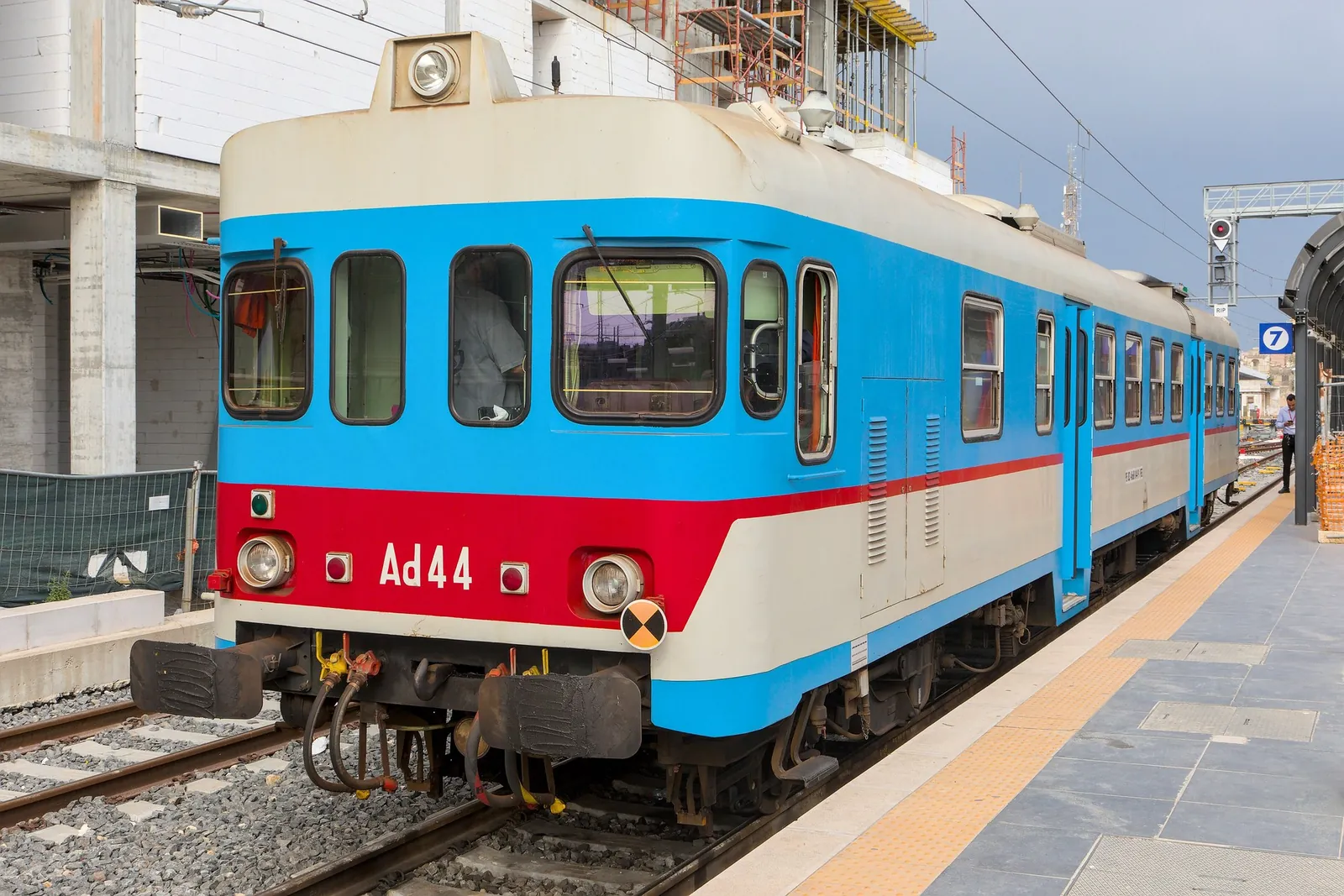
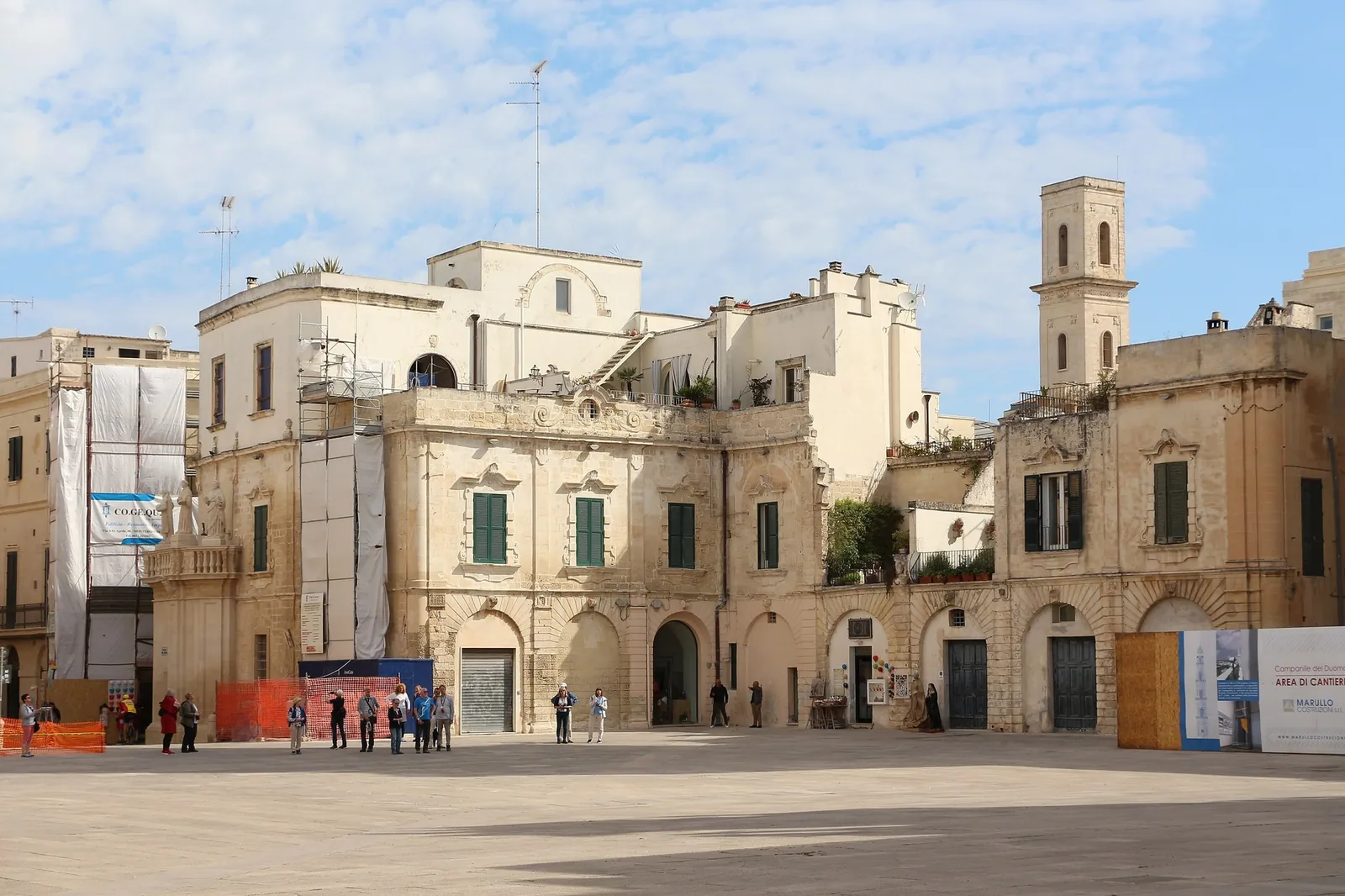
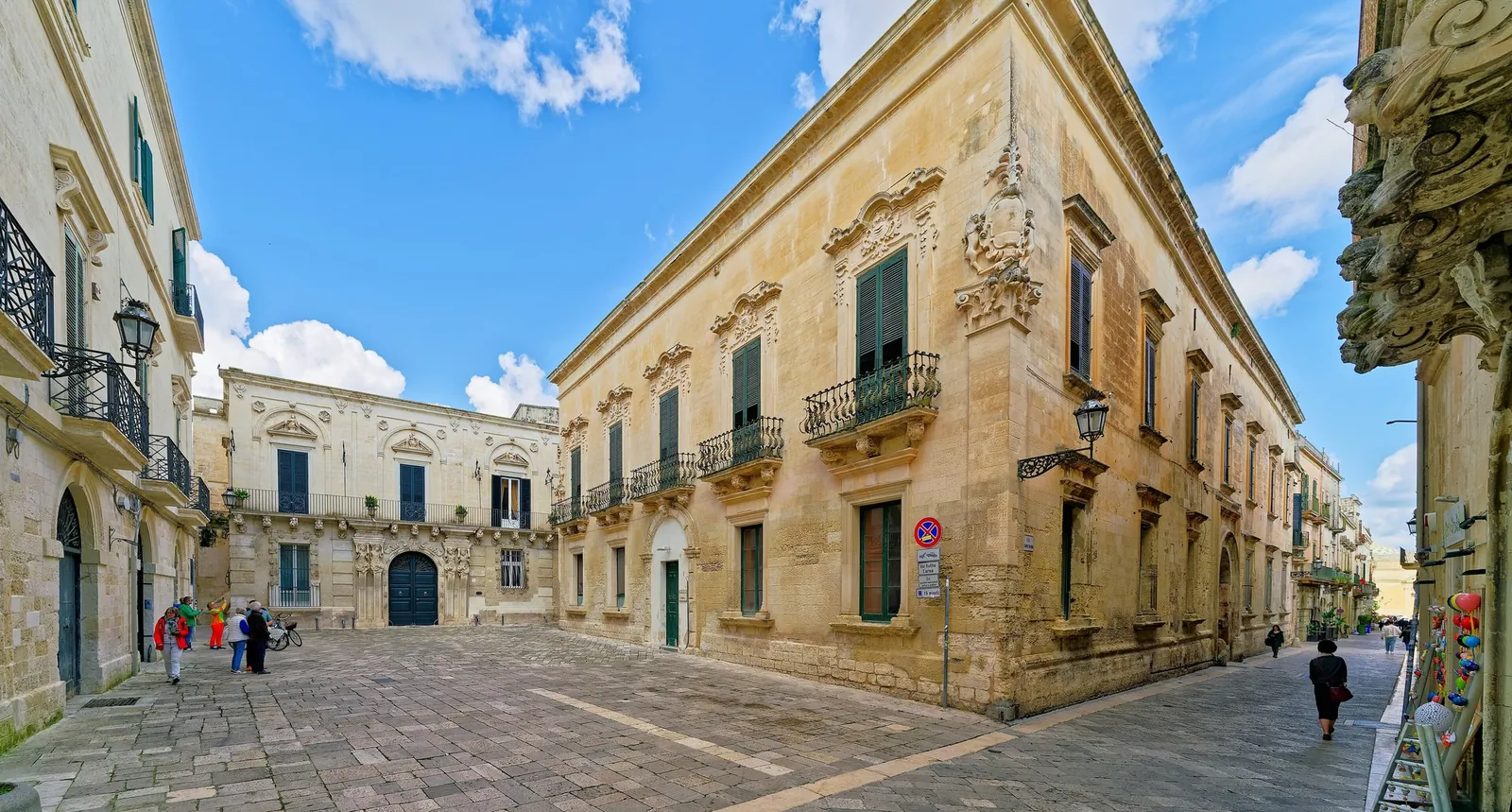
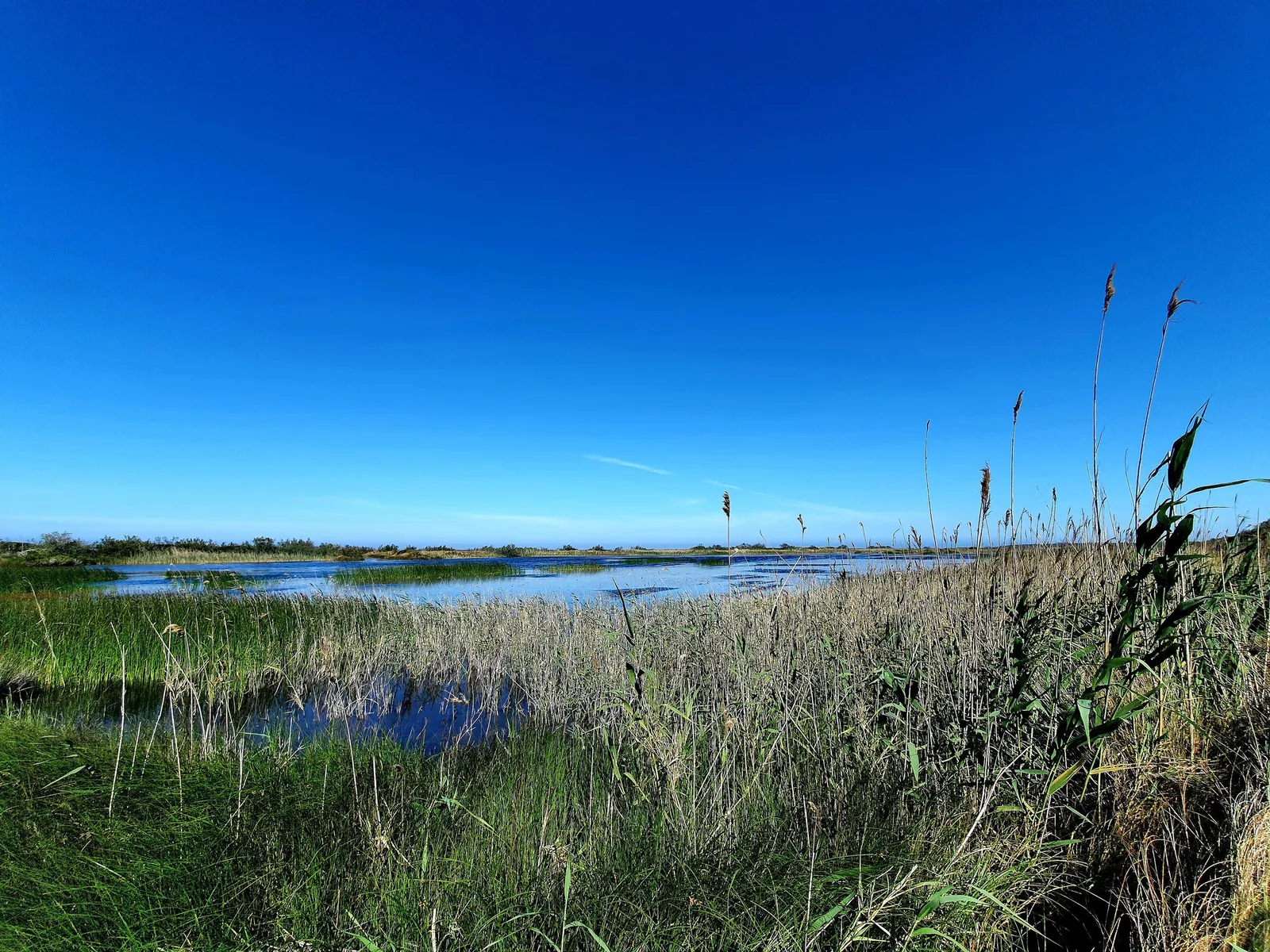
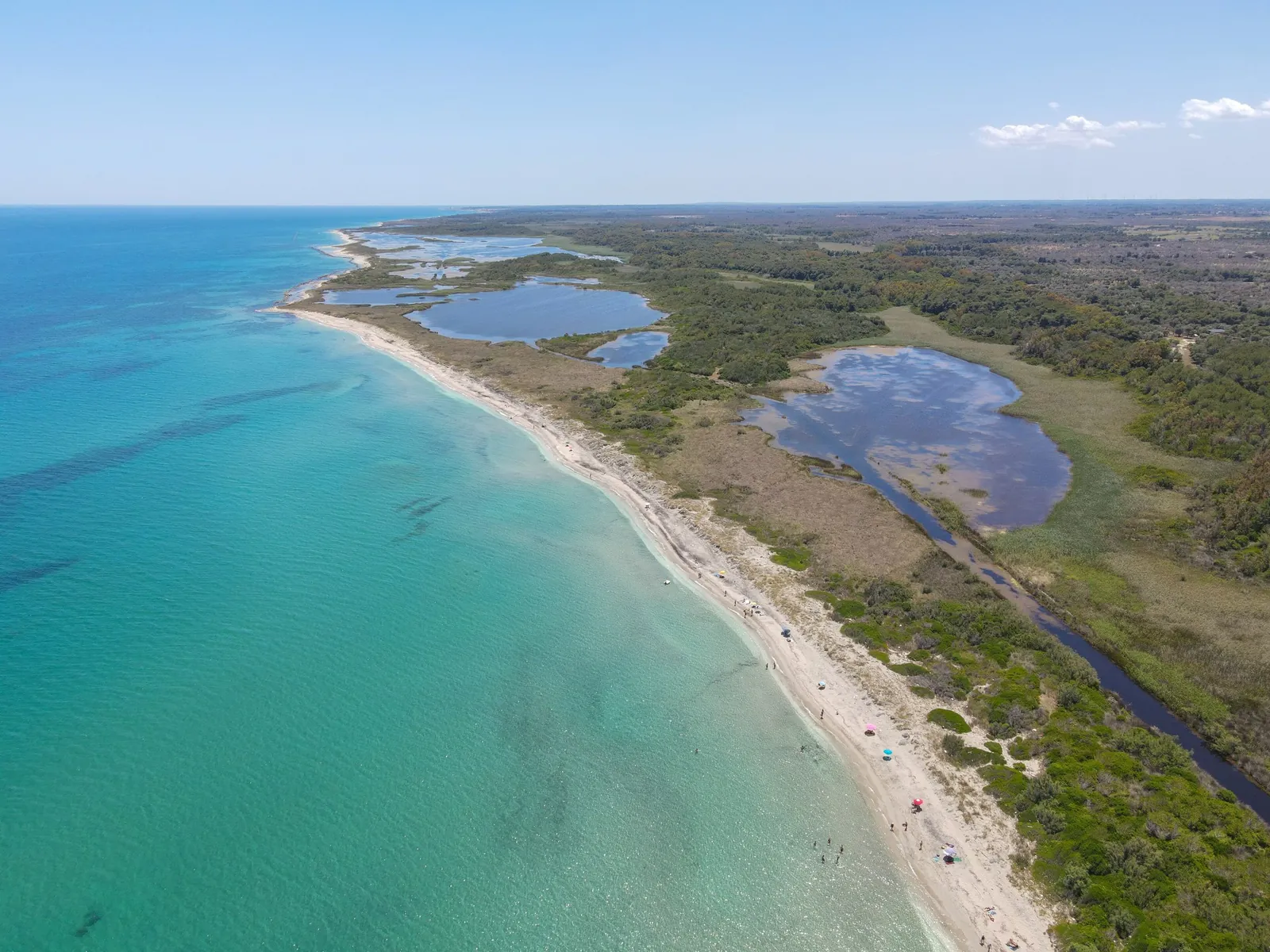
Authentische, unbearbeitete Fotos von Lecce, aufgenommen von Einheimischen und Besuchern an gewöhnlichen Tagen – nicht ausgewählt von einem Tourismusbüro. Bei jedem Foto steht, wann es entstanden ist. Fotos aller 83 Städte ansehen →
.jpg)





_02.jpg)



Die andere Seite


Lebenshaltungskosten in Lecce
Miete für 1-Zimmer-Wohnung
400–775 €/Monat
Mahlzeit im lokalen Restaurant
15–20 €
Tasse Kaffee
1,50–2,50 €
Geschätzte monatliche Gesamtkosten
1.350–2.050 €
Möchten Sie eine individuelle Schätzung? Nutzen Sie unseren Lebenshaltungskosten-Rechner
Gesundheitsversorgung in Lecce
Lecce wird vom Ospedale Vito Fazzi versorgt, dem wichtigsten öffentlichen Krankenhaus der Provinz, mit Notfallversorgung, Chirurgie, Kardiologie und Onkologie im italienischen Gesundheitsdienst. Die Versorgung reicht für die meisten Bedürfnisse, ist aber süditalienisch und nicht norditalienisch: Die Kliniken der Region werden allgemein unter denen der Lombardei, der Emilia-Romagna oder der Toskana eingestuft, und Patienten mit komplexen Erkrankungen reisen mitunter nach Norden — ein innerhalb Italiens gut dokumentiertes Muster. Privatkliniken übernehmen Routinekonsultationen und Diagnostik für 54–90 € mit kurzen Wartezeiten. In Italien ansässige Ruheständler können sich freiwillig im SSN versichern, für rund 2.070 € jährlich, absetzbar von der italienischen Steuer auch unter der 7-%-Regelung.
Alltag und Lebensstil in Lecce
Lecces Centro storico ist kompakt, fußläufig und weitgehend Fußgängerzone, angelegt um die Piazza Sant'Oronzo und den Domplatz — einen der theatralischsten Barockräume Italiens. Der Alltag ist süditalienisch: lange Mittagspause, späte Abende, eine Passeggiata, die die Straßen füllt, und Preise, die von Einheimischen statt von Touristen bestimmt werden. Die Halbinsel Salento rund um die Stadt hat die besten Strände des italienischen Festlands, die adriatische Seite felsig und klar, die ionische sandig, beide binnen einer halben Stunde. Otranto, Gallipoli und die Barockstädte des Inlands sind nah. Die internationale Gemeinschaft ist klein, aber wachsend, angezogen vor allem von Steuerregelung und Immobilienpreisen, und stärker in den umliegenden Orten als in Lecce selbst. Englisch ist begrenzt; hier ist Italienisch wirklich notwendig.
Klima und Wetter in Lecce
Lecce hat ein mediterranes Klima mit heißen Sommern, trockener und heißer als Norditalien. Die Sommer (Juni–September) liegen bei 30–36 °C mit sehr wenig Regen, und Juli und August sind wirklich heiß, wobei die Halbinsel schmal genug ist, dass Seebrisen von beiden Küsten die Stadt erreichen. Die Winter (Dezember–Februar) sind mild bei 8–15 °C mit Regen konzentriert zwischen November und Februar, Frost ist ungewöhnlich. Frühling und Herbst sind lang und ausgezeichnet bei 16–26 °C, die Badesaison reicht etwa von Mai bis Oktober. Salento gehört zu den sonnigsten Teilen Italiens. Die wichtigste klimatische Sorge ist Sommerhitze in Verbindung mit älteren Gebäuden, die dafür gebaut wurden — dicke Kalksteinmauern funktionieren gut ohne Klimaanlage, moderne Wohnungen brauchen sie oft.
Vor- und Nachteile des Ruhestands in Lecce
Vorteile
- Zu den niedrigsten Kosten Italiens — ein Paar lebt gut mit 1.800–2.200 € monatlich
- Die 7-%-Pauschalsteuer auf ausländisches Einkommen ist in der Provinz verfügbar (nicht in Lecce selbst)
- Außergewöhnliche Barockarchitektur in einem kompakten, fußläufigen Fußgängerzentrum
- Die besten Strände des italienischen Festlands, an zwei Küsten, binnen einer halben Stunde
- Lange, sonnige Übergangszeiten und milde, frostfreie Winter
Nachteile
- Lecce ist zu groß für die 7-%-Pauschalsteuer — dafür braucht es einen kleineren Ort in der Nähe
- Die süditalienische Krankenhausversorgung wird unter der des Nordens eingestuft
- Sehr wenig Englisch — Italienisch ist wirklich notwendig
- Heiße Sommer bei 30–36 °C
- Der nächste Flughafen ist Brindisi, ~40 km, mit begrenztem internationalem Winterangebot
Für wen eignet sich Lecce am besten?
Ruheständler, die süditalienisches Leben zu niedrigen Kosten mit ausgezeichneten Stränden wollen, bereit sind Italienisch zu lernen, und die 7-%-Regelung entweder nicht brauchen oder sich dafür in einem der kleineren Nachbarorte anmelden.
Wo Sie in Lecce wohnen können
Centro Storico
Der Barockkern um die Piazza Sant'Oronzo und den Dom, weitgehend Fußgängerzone. Zwei-Zimmer-Wohnungen 675–900 €/Monat. Schön und fußläufig, mit dicken Kalksteinmauern, die kühl bleiben; Parken ist schwierig und Sommerabende sind lebhaft.
Mazzini & Santa Rosa
Die Viertel des 19. Jahrhunderts und der Moderne außerhalb der Mauern, mit breiteren Straßen und normalen Wohnblöcken. Mieten 405–675 €/Monat. Günstiger, ruhiger und praktisch, weiterhin fußläufig zum Zentrum.
Salento-Orte (Otranto, Galatina, Copertino)
Die kleineren Orte der Provinz, 20–40 Minuten entfernt, in denen sich Ruheständler für die 7-%-Pauschalsteuer anmelden. Mieten 315–630 €/Monat. Deutlich günstiger und oft küstennäher, aber ein Auto ist unerlässlich.
Krankenhäuser und Gesundheitseinrichtungen in Lecce
Ospedale Vito Fazzi
Das wichtigste öffentliche Krankenhaus der Provinz Lecce, mit Notfallversorgung, Chirurgie, Kardiologie und Onkologie im italienischen Gesundheitsdienst.
Privatkliniken, Lecce
Mehrere Privatkliniken in der Stadt decken Konsultationen, Bildgebung und Diagnostik für 54–90 € mit kurzen Wartezeiten ab und werden zur Umgehung öffentlicher Wartelisten genutzt.
Norditalienische Überweisungskliniken
Bei den komplexesten Erkrankungen reisen Patienten aus dem Süden mitunter in Kliniken der Emilia-Romagna, der Lombardei oder der Toskana — ein gut dokumentiertes inneritalienisches Muster.
Angaben zu Einrichtungen können sich ändern. Bitte prüfen Sie Akkreditierungsstatus und Leistungen direkt bei jedem Krankenhaus, bevor Sie Entscheidungen zur Gesundheitsversorgung treffen.
Restaurants und Küche in Lecce
Die Salento-Küche ist arme Küche, hervorragend ausgeführt: Orecchiette mit Rübstiel, Ciceri e tria (Kichererbsen mit frittierter und gekochter Pasta), Saubohnenpüree mit wildem Chicorée und Pferdefleisch, das eine echte lokale Tradition ist. Eine volle Mahlzeit kostet 13–20 €.
Das Rustico leccese — ein Blätterteigpäckchen mit Mozzarella, Béchamel und Tomate — ist das Straßenessen für rund 2 €, und das Pasticciotto, ein mit Creme gefülltes Mürbeteiggebäck, das übliche Frühstück, dazu ein Caffè in ghiaccio con latte di mandorla, Espresso über Eis mit Mandelmilch, eine Lecceser Sommerinstitution.
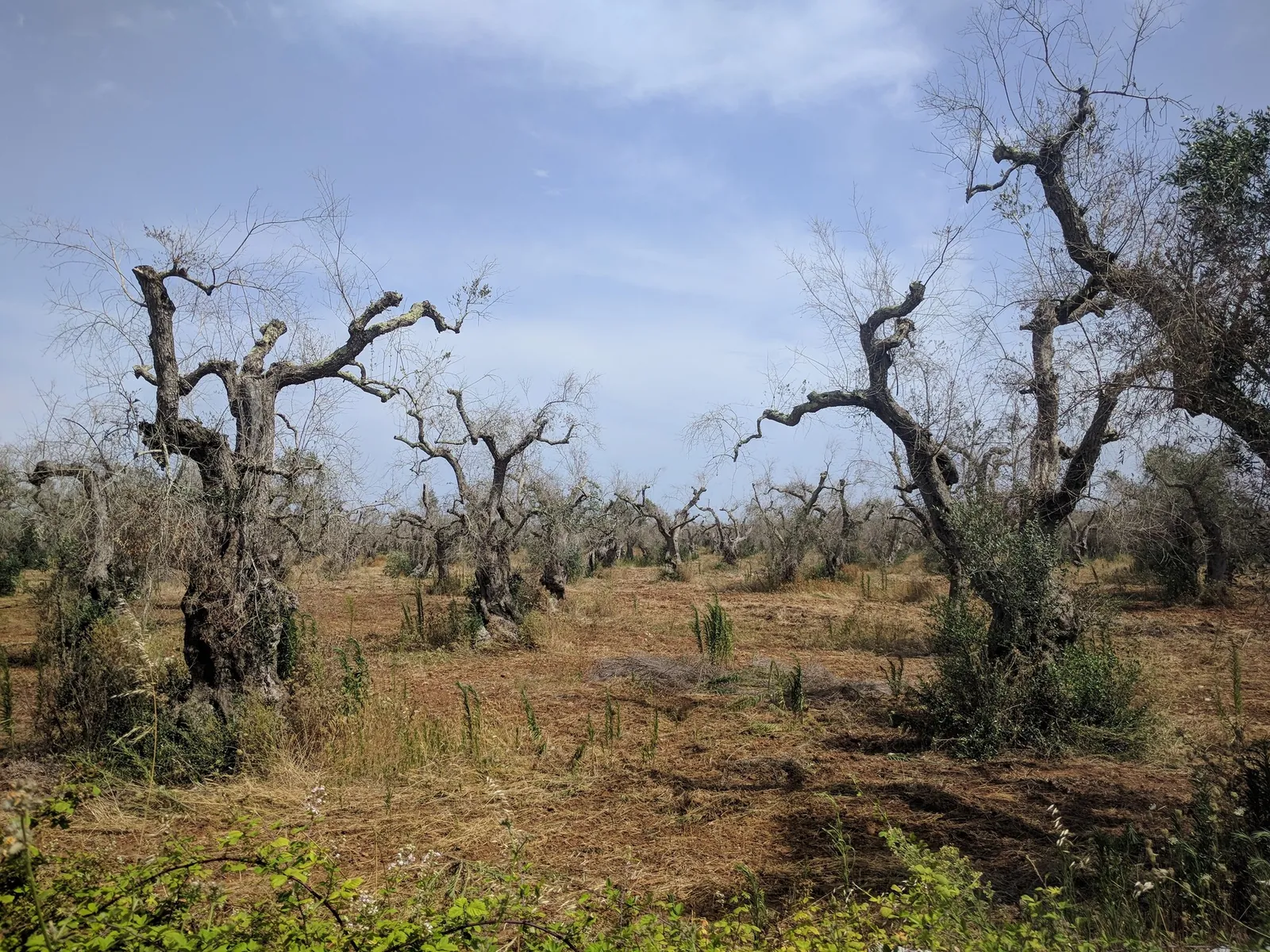
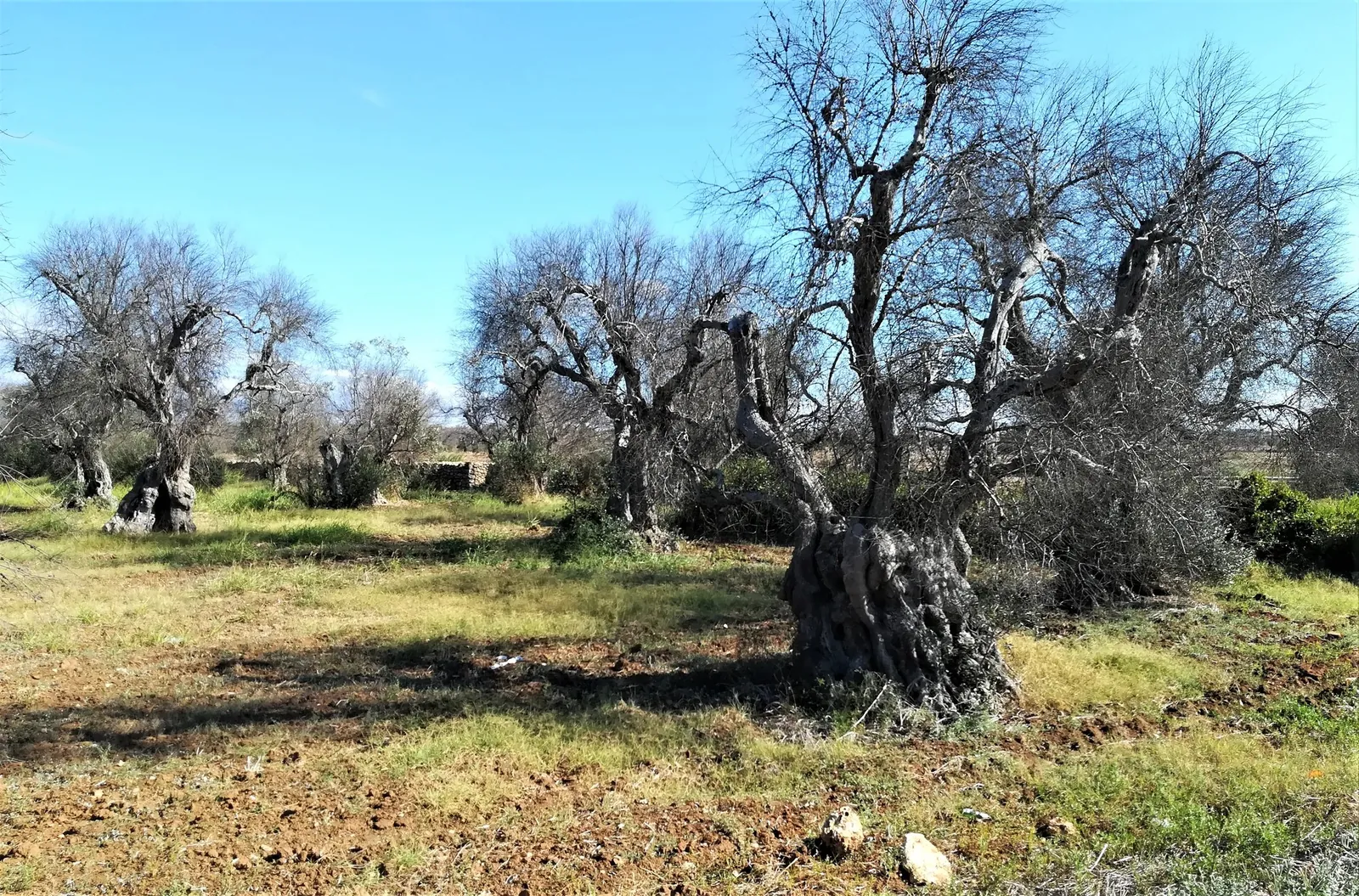
Wocheneinkäufe für zwei Personen kosten 50–76 €, zu den niedrigsten Italiens. Salento erzeugt riesige Mengen Olivenöl, und seine Weine aus Negroamaro und Primitivo sind günstig und zunehmend gut. Die Provinz wurde vom Bakterium Xylella schwer getroffen, das einen großen Teil der alten Olivenhaine vernichtet hat — die toten Bäume in der Landschaft sind eine sichtbare und andauernde regionale Tragödie.
Ist Lecce das Richtige für Sie?
Machen Sie unser kostenloses 3-Minuten-Quiz und erfahren Sie, wie Lecce und Italien im Vergleich zu anderen Zielen zu Ihren Vorlieben, Ihrem Budget und Ihren Bedürfnissen passen.
Zum Ruhestands-QuizHäufig gestellte Fragen zum Ruhestand in Lecce
Bekomme ich Italiens 7-%-Pauschalsteuer, wenn ich nach Lecce ziehe?
Nicht in Lecce selbst. Die Regelung verlangt steuerlichen Wohnsitz in einer qualifizierenden süditalienischen Gemeinde unterhalb einer Einwohnergrenze, die im April 2026 von 20.000 auf 30.000 stieg. Lecce hat rund 95.000 Einwohner und qualifiziert nicht. Wer den Satz will, meldet sich in kleineren Orten der Provinz an — Otranto, Galatina und Copertino sind übliche Wahlen, alle 20 bis 40 Minuten entfernt — und nutzt Lecce weiterhin für Einkäufe, Kliniken und soziales Leben.
Wie funktioniert die 7-%-Pauschalsteuer?
Neu Zugezogene mit ausländischer Rente, die ihren steuerlichen Wohnsitz in eine qualifizierende Gemeinde einer von acht südlichen Regionen verlegen, können pauschal 7 % auf sämtliches ausländisches Einkommen wählen — Renten, Kapitalerträge, Mieteinnahmen und Veräußerungsgewinne — für zehn Jahre. Sie darf in den fünf Vorjahren keine italienische Steuerresidenz bestanden haben. Fachberatung ist unerlässlich; die Regeln zu qualifizierenden Gemeinden und Einkunftsarten sind spezifisch.
Ist die Gesundheitsversorgung in Apulien gut genug?
Für die meisten Bedürfnisse ja. Das Ospedale Vito Fazzi in Lecce deckt Notfallversorgung, Chirurgie, Kardiologie und Onkologie im nationalen System ab, und Privatkliniken erledigen Routinearbeit rasch für 54–90 €. Doch regionale Unterschiede innerhalb Italiens sind real und allgemein anerkannt: Südliche Kliniken werden unter denen der Emilia-Romagna, der Lombardei oder der Toskana eingestuft, und Italiener mit komplexen Erkrankungen reisen tatsächlich nach Norden.
Quellen & Verweise
- Ospedale Vito Fazzi — Abteilungen und Leistungen des Provinzkrankenhauses im italienischen SSN
- Agenzia delle Entrate (Italienische Steuerbehörde) — 7-%-Pauschalsteuer für ausländische Rentner: qualifizierende Regionen, Einwohnergrenzen und die Änderung von April 2026
- Italienisches Gesundheitsministerium — Freiwillige SSN-Einschreibung für ausländische Residenten und Höhe der Jahresbeiträge
- Idealista Italia — Miet- und Immobilienpreisdaten für Lecce und das Salento