
City Retirement Guide
Retire in Yogyakarta, Indonesia
Java's cultural capital — university hospitals, deep tradition, and Indonesia's lowest costs
Yogyakarta at a Glance
- Elevation & setting
- ~113 m on the southern plain of central Java; Mount Merapi 30 km north; ~7.8°S
- Annual temperature
- 23-32°C year-round; tropical monsoon (Köppen Am), dry season May-September
- Nearest international airport
- Yogyakarta International (YIA), ~45 km west at Kulon Progo
- Nearest major hospital
- Dr. Sardjito General Hospital (Gadjah Mada University teaching hospital), in the city
- Primary retirement visa
- Indonesian retirement KITAS, age 55+; requires pension income, insurance, accommodation, and employing a domestic worker
- Language environment
- Bahasa Indonesia and Javanese; English limited outside hospitals, universities, and tourism
Yogyakarta is still a sultanate — the Special Region is the only part of Indonesia governed by a hereditary monarch, who serves as governor by law rather than by election.
Overview of Yogyakarta for Retirees
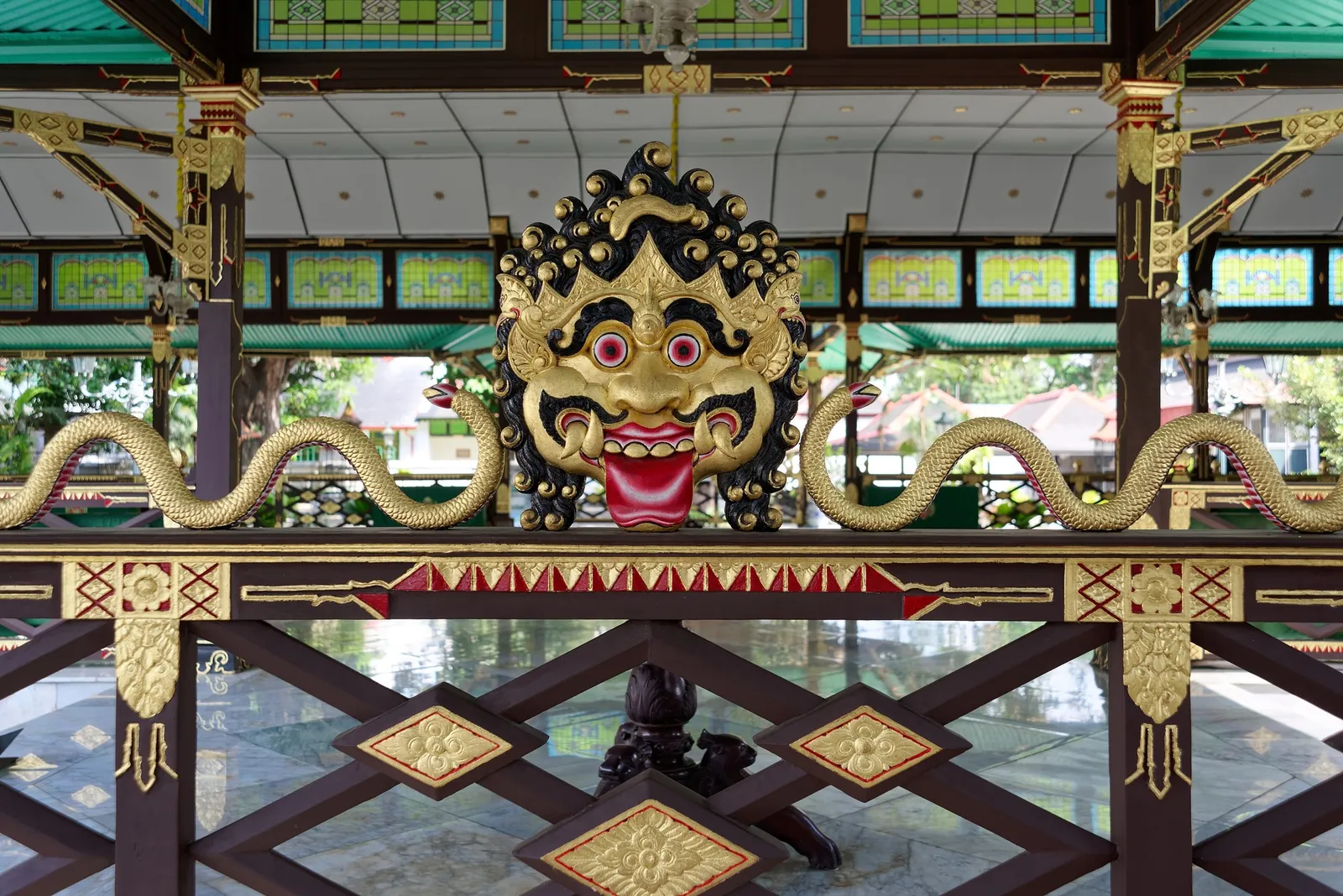
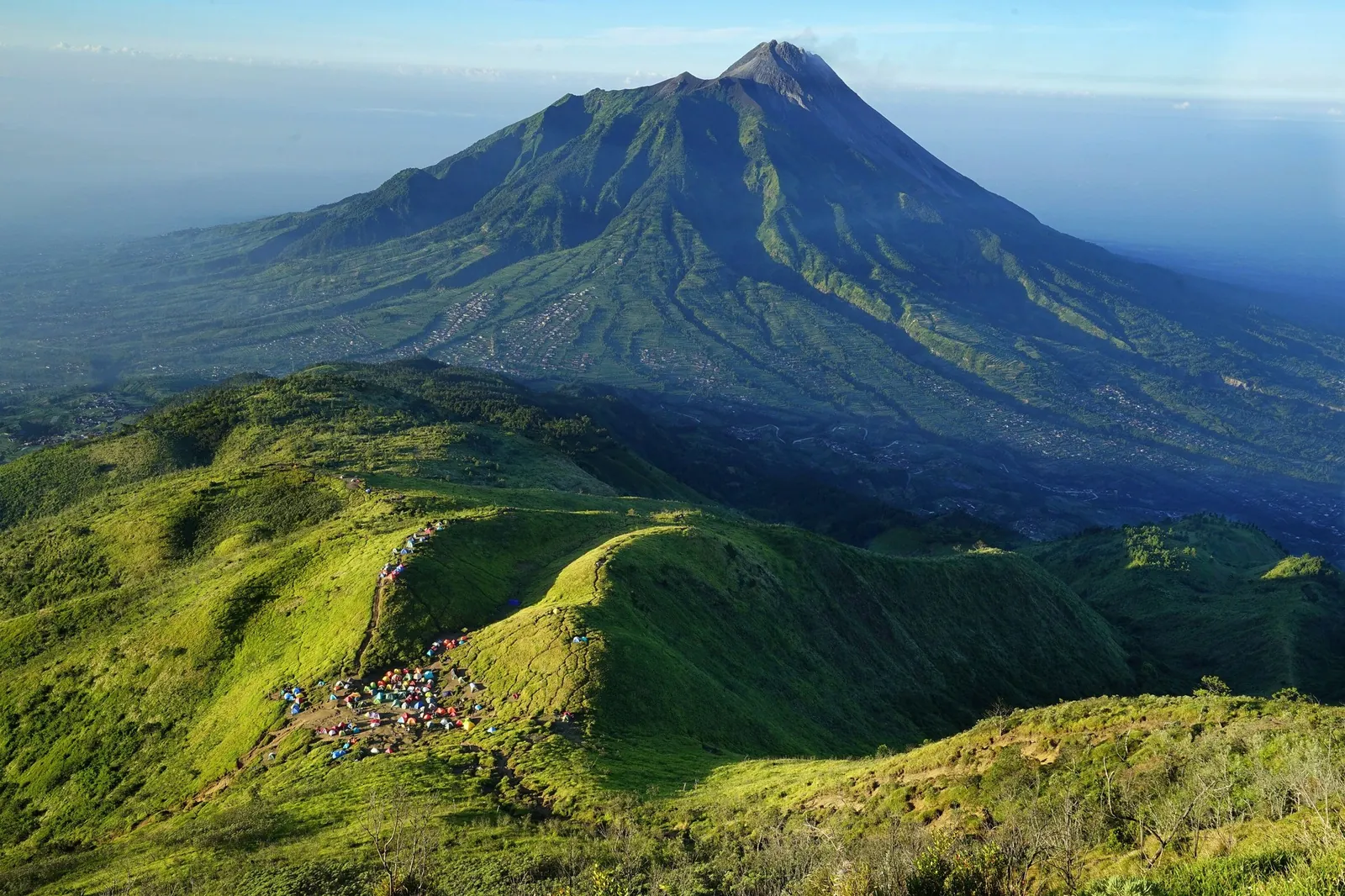
Yogyakarta sits on the southern plain of central Java at roughly 7.8°S and about 113 metres above sea level, in the shadow of Mount Merapi, one of the most active volcanoes in the world. It is Indonesia's cultural heartland: still a sultanate with its own Kraton palace, home to Gadjah Mada University, and within an hour of both Borobudur and Prambanan.
For retirees the practical case is cost and healthcare together. Dr. Sardjito General Hospital is the teaching hospital of Gadjah Mada University and the main referral centre for the region, supported by Panti Rapih and Siloam Hospitals Yogyakarta on the private side. One-bedroom apartments rent from around $220 a month, and a comfortable single retirement runs roughly $400-$800 — the lowest figures of any city on this site outside Cambodia.
This is a genuine alternative to Bali rather than a variation on it. There is no beach and no resort infrastructure; what there is instead is a functioning Indonesian city with a student population, a serious arts scene, and prices set by locals rather than by tourism. Yogyakarta International Airport (YIA) is about 45 kilometres west at Kulon Progo.
What Yogyakarta actually looks like
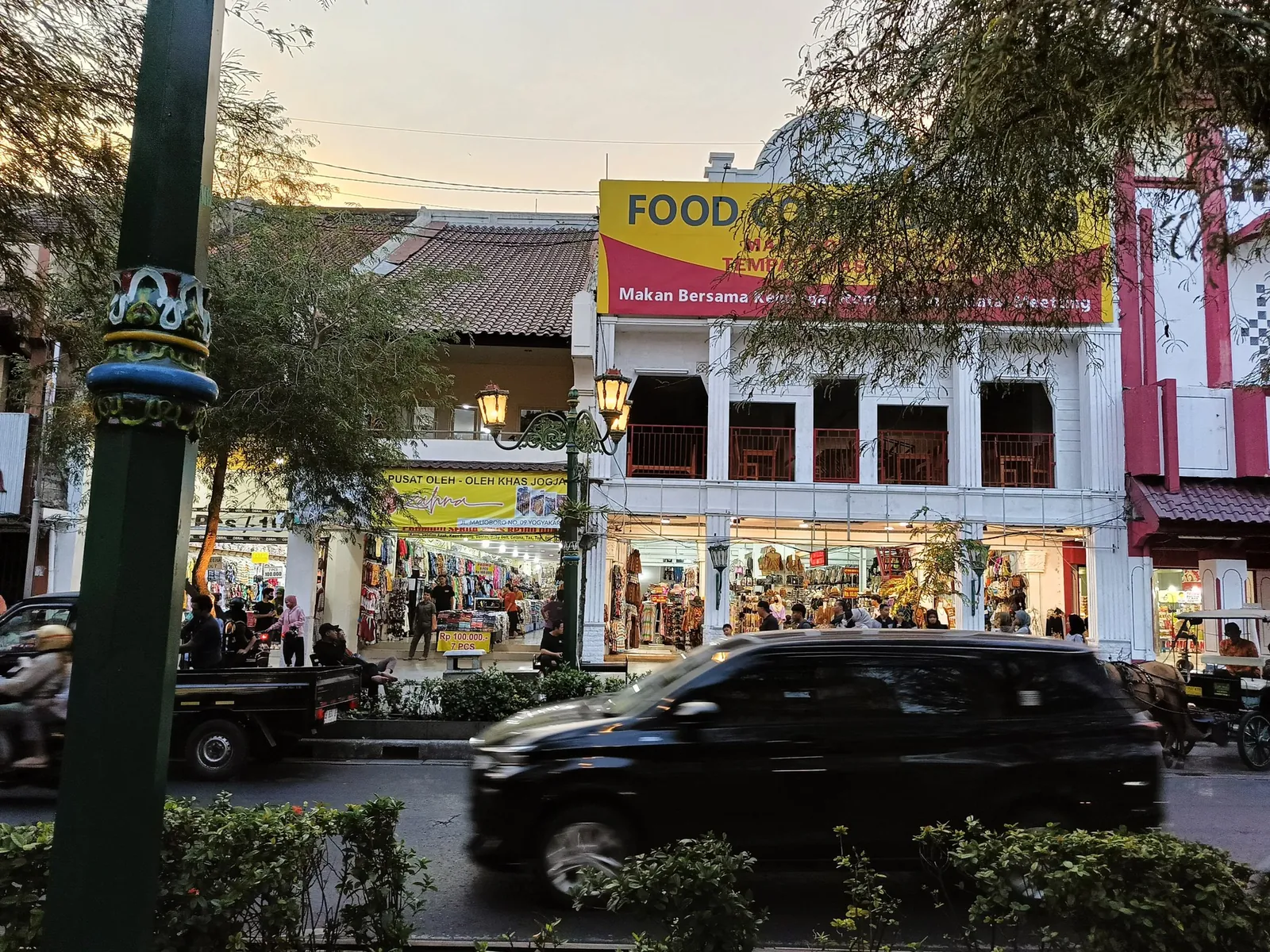
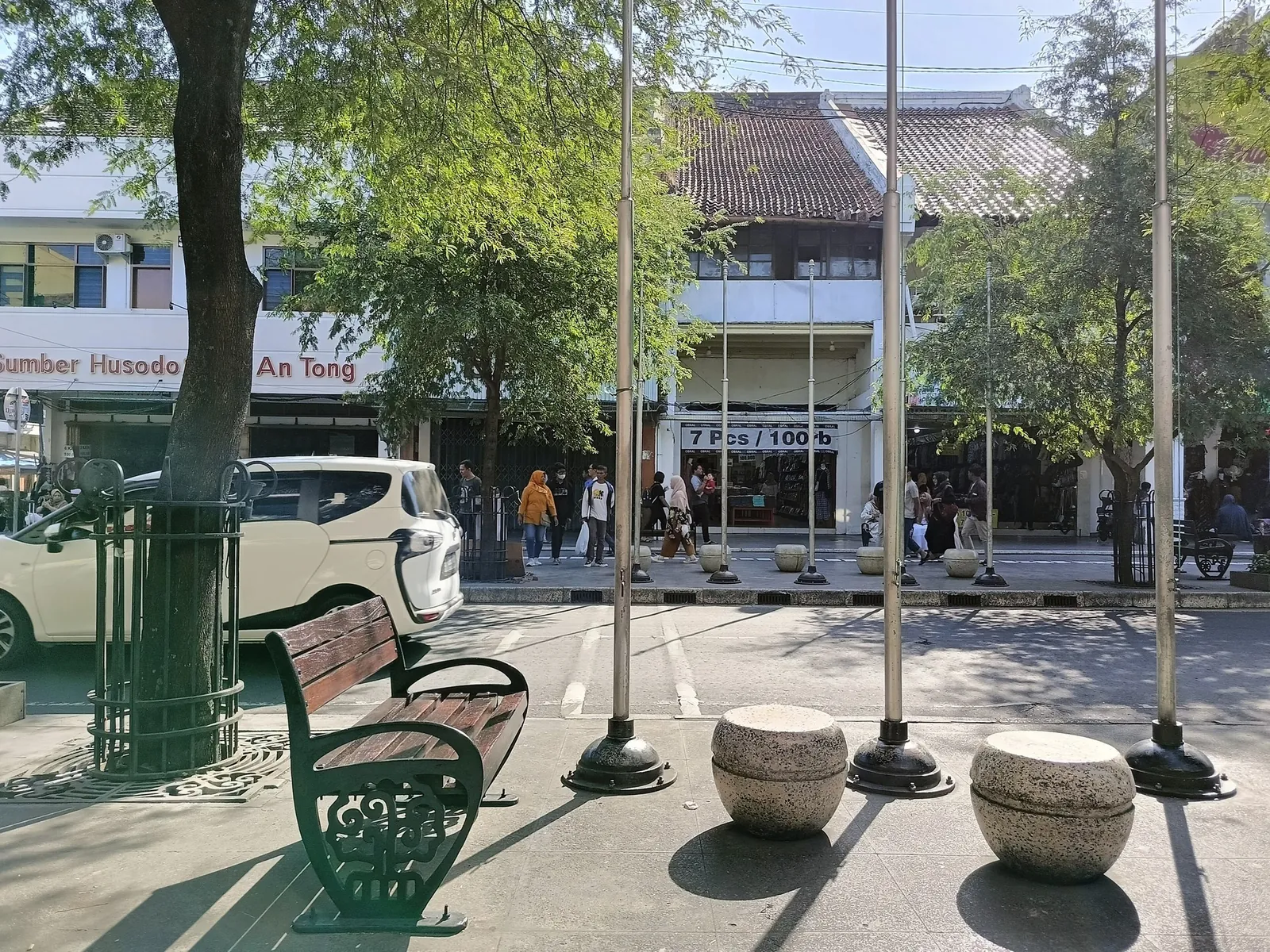
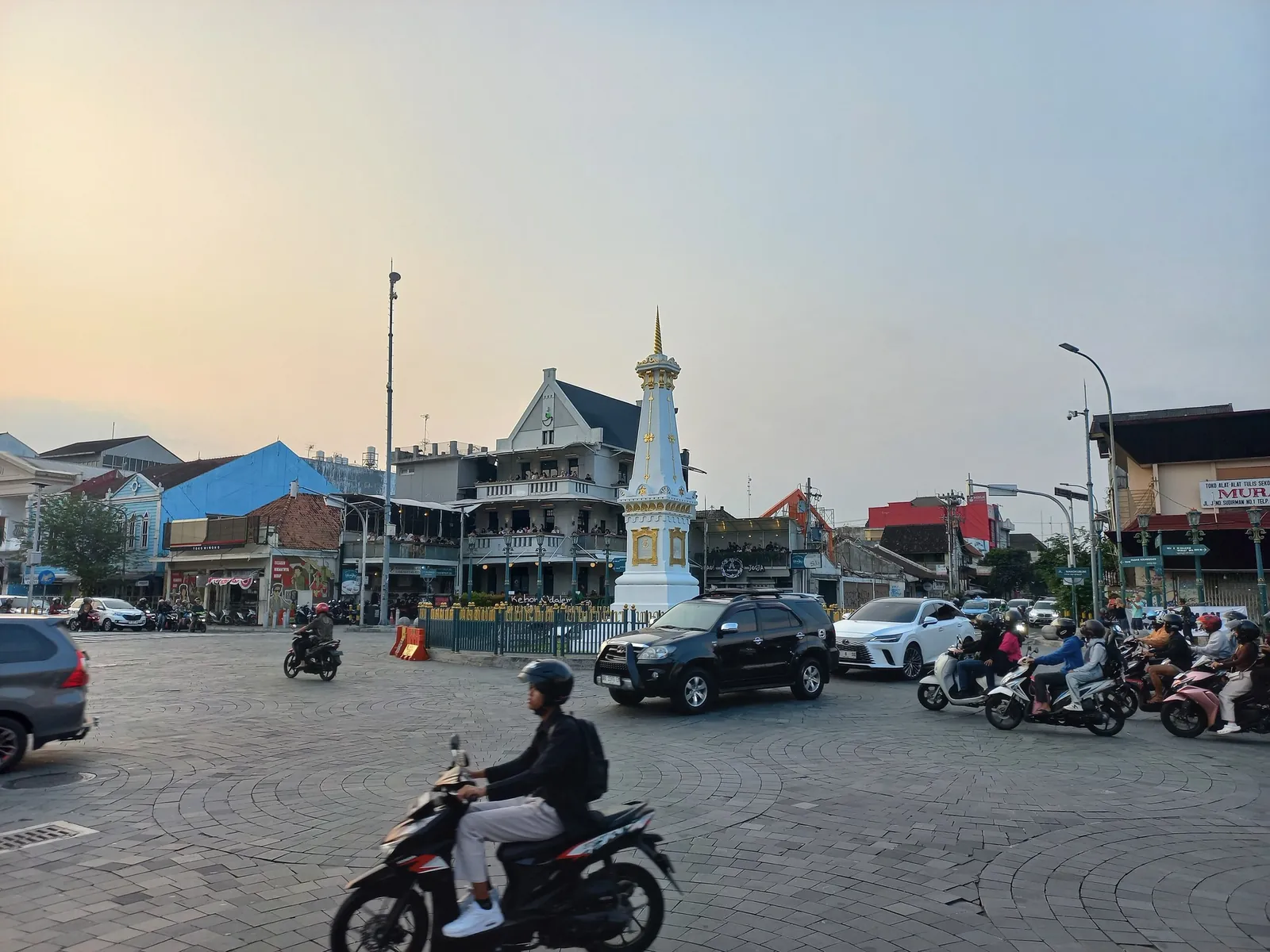
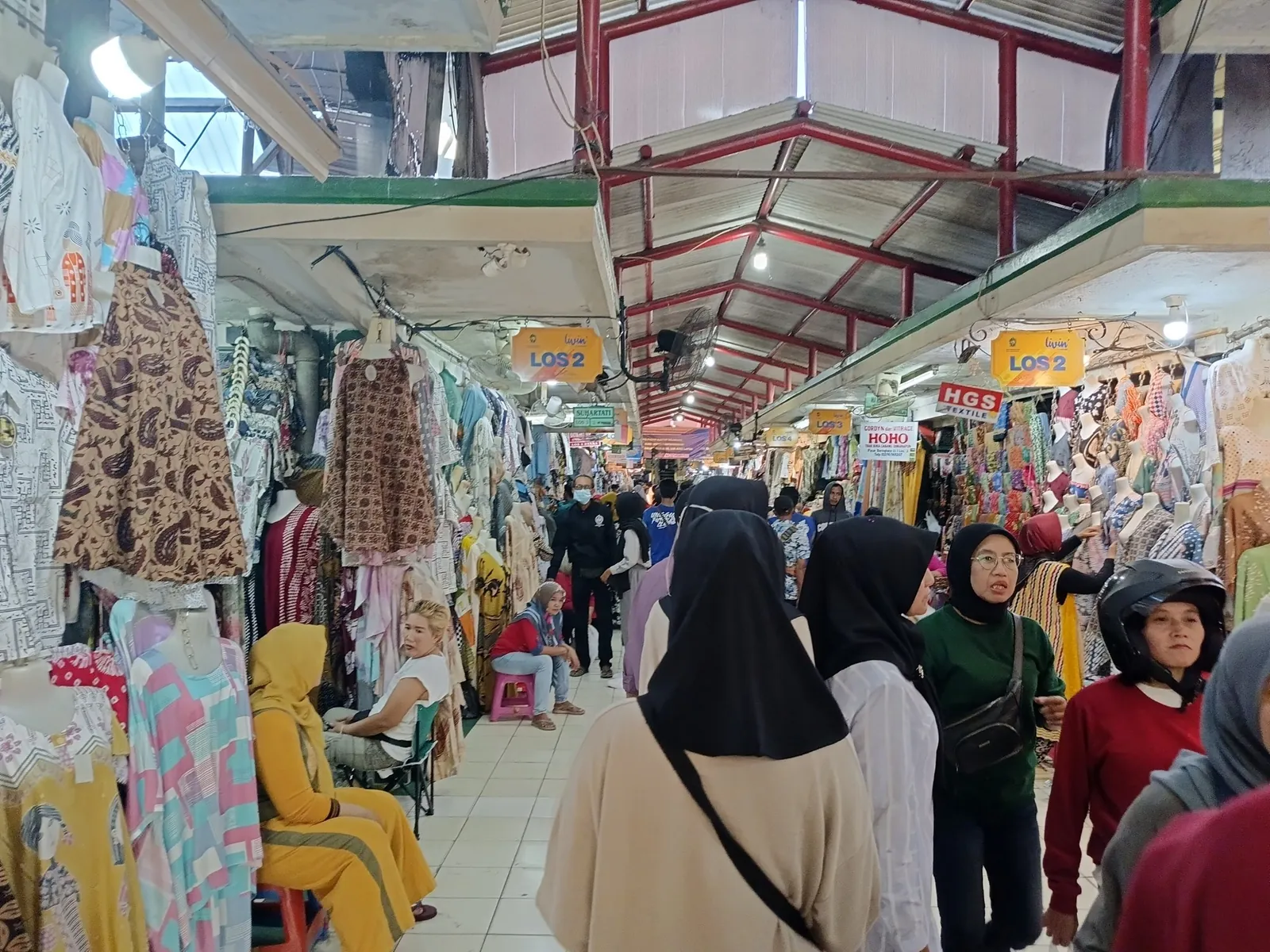
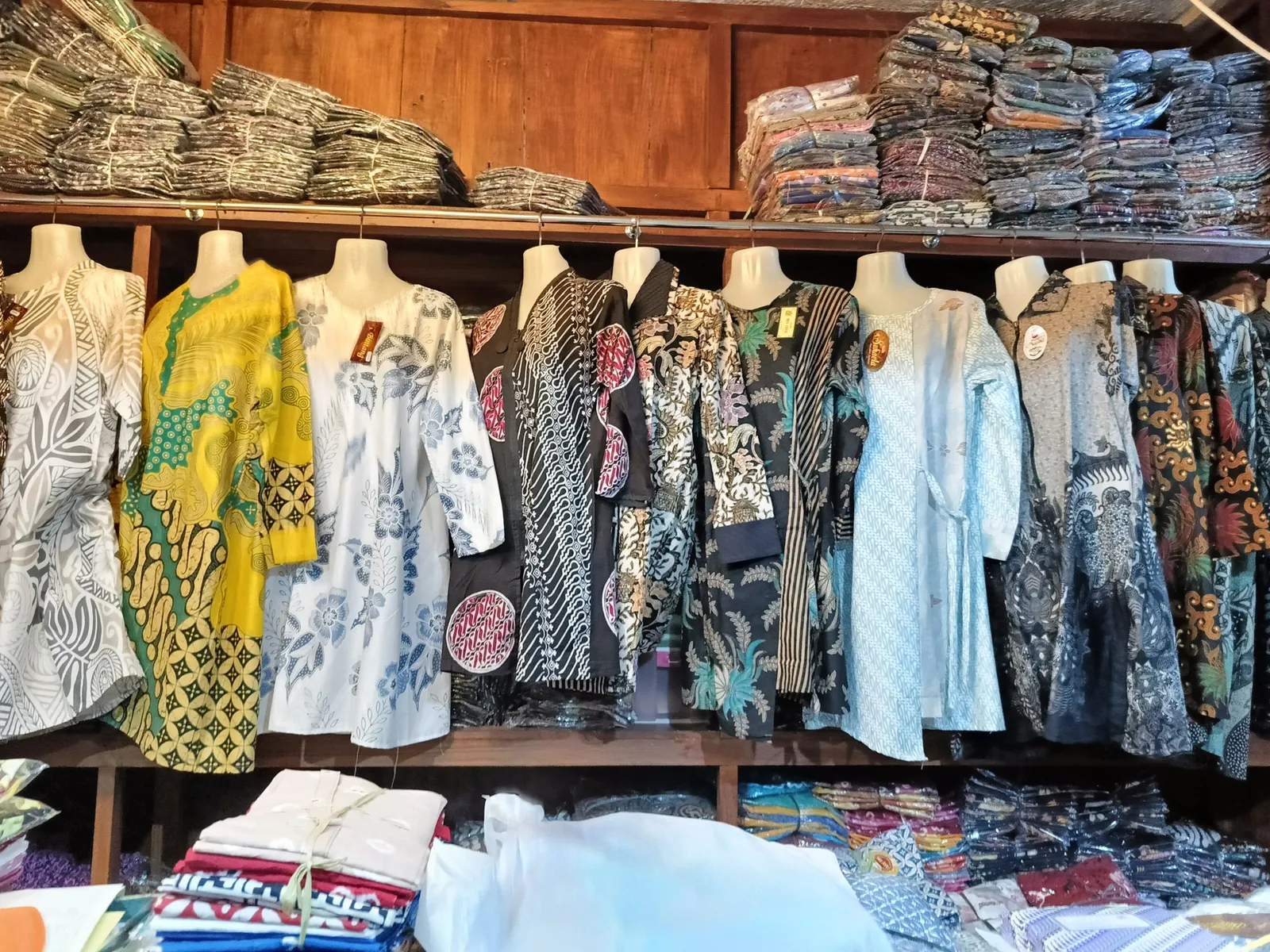
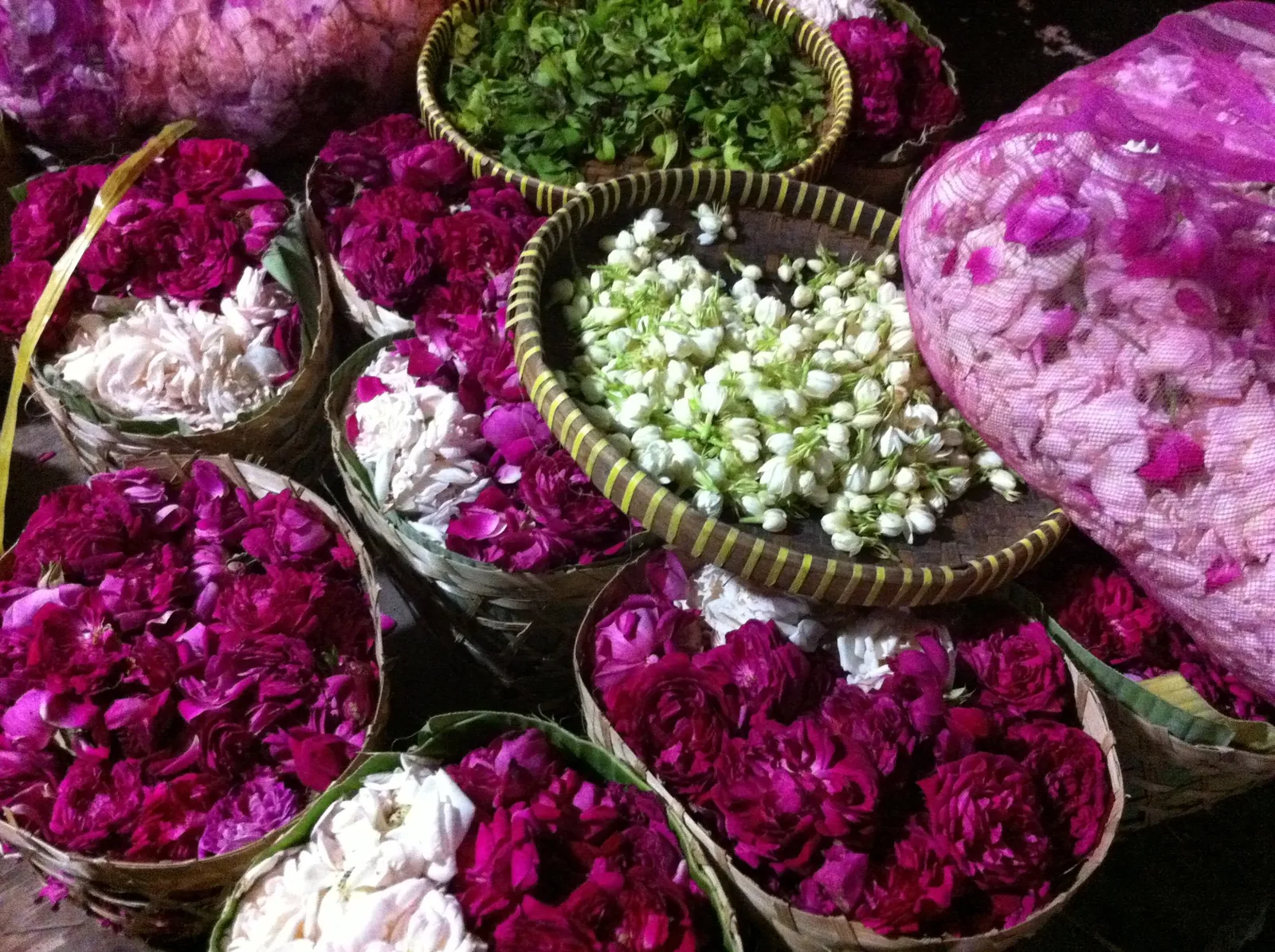
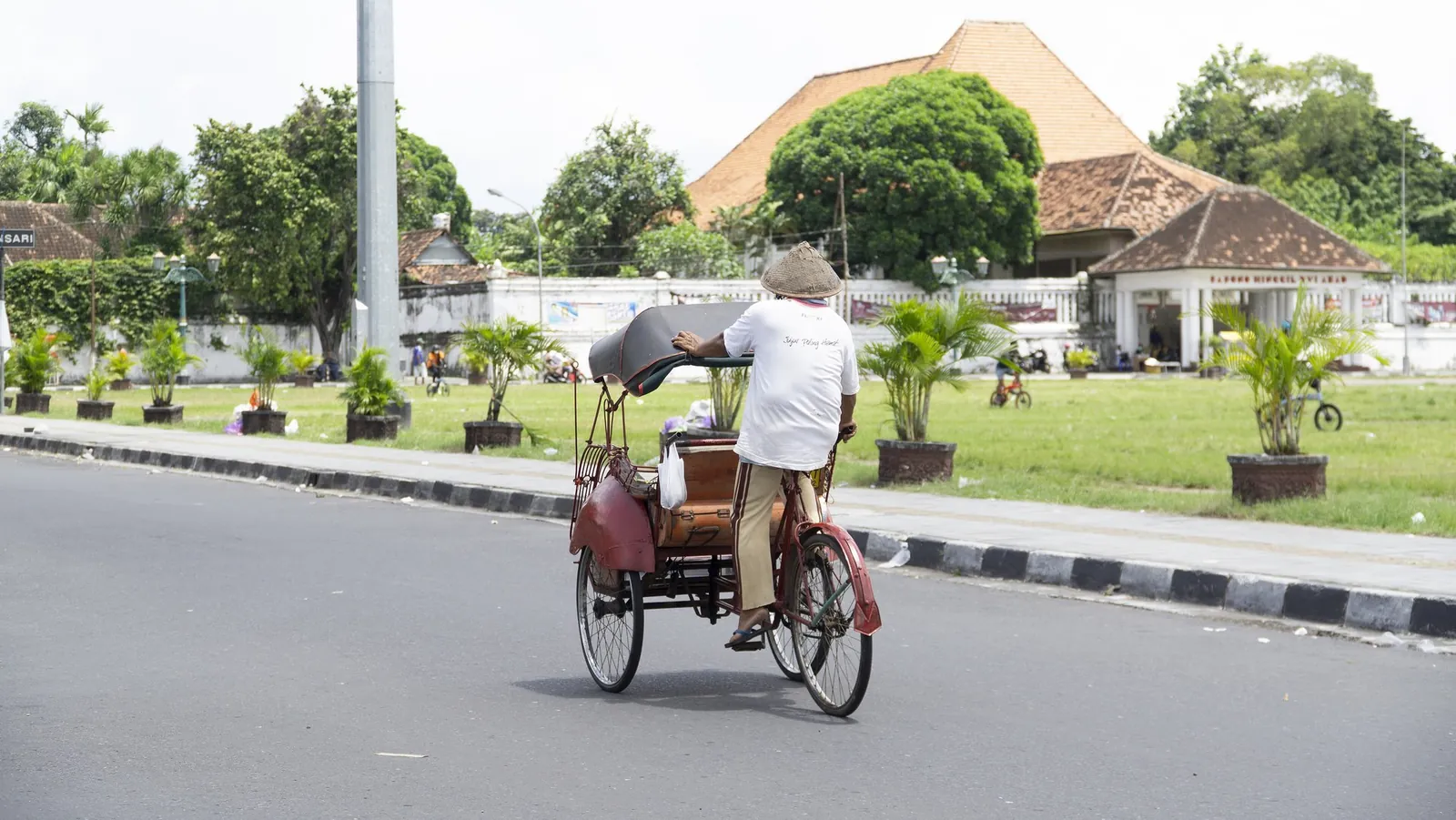
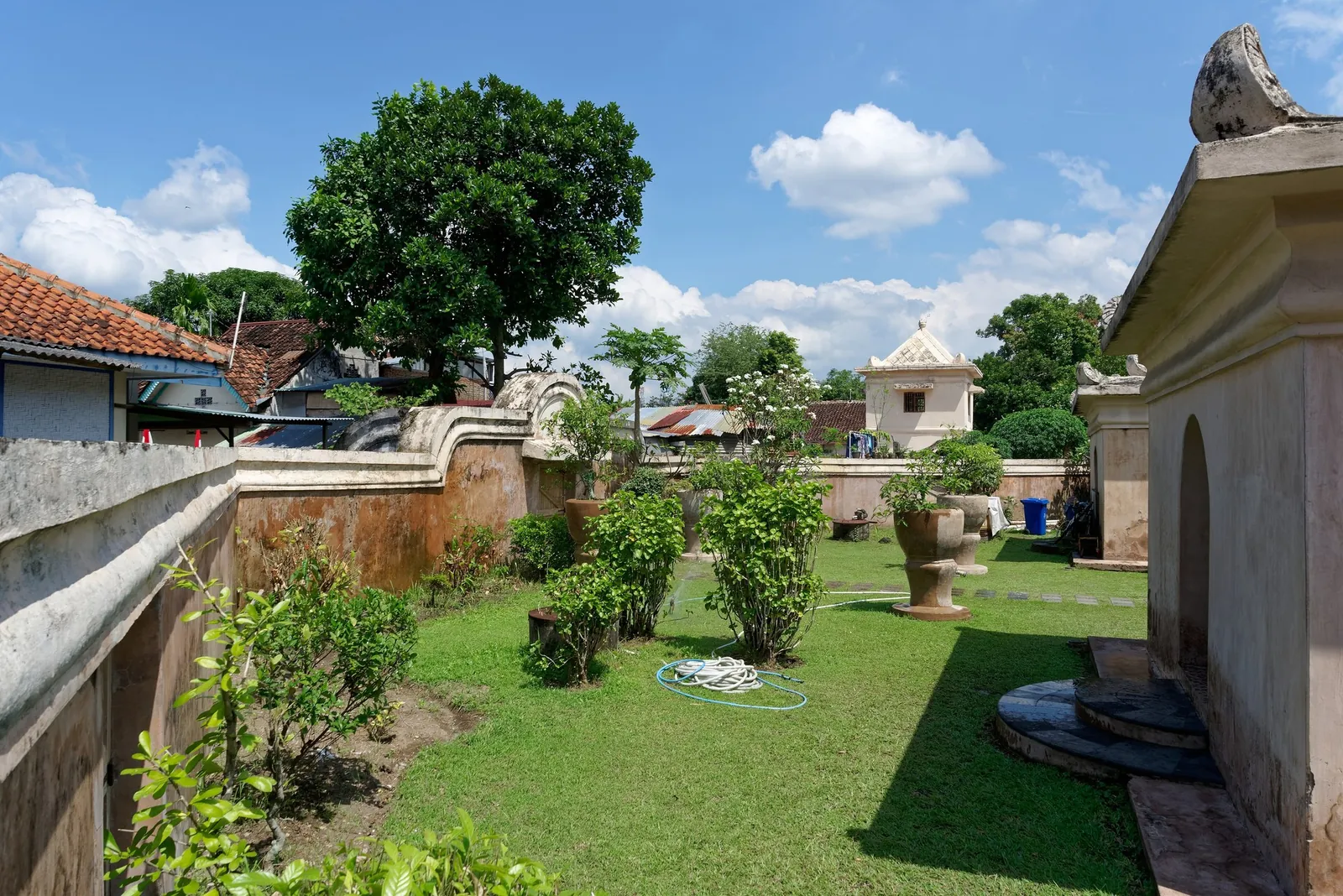
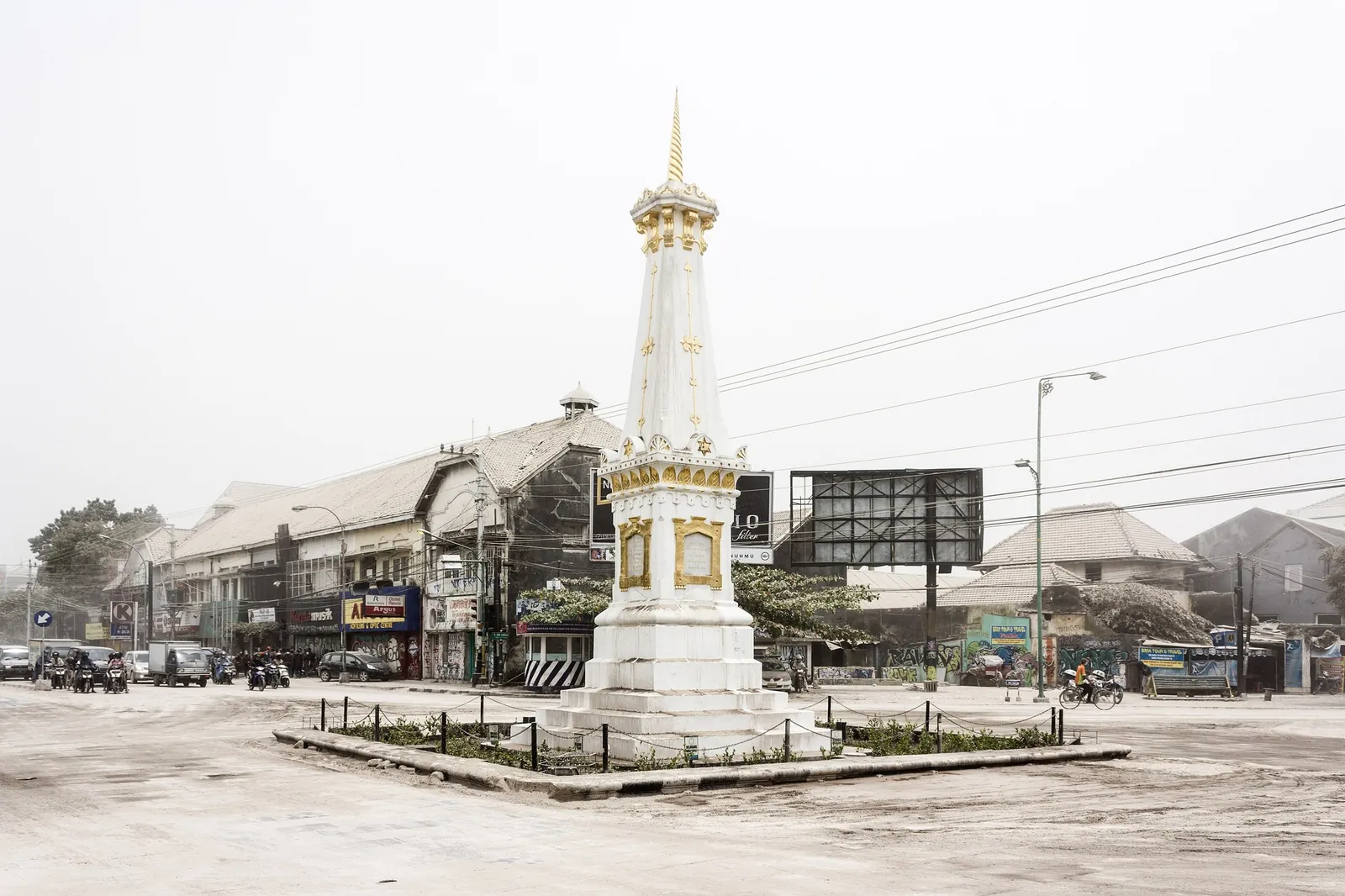
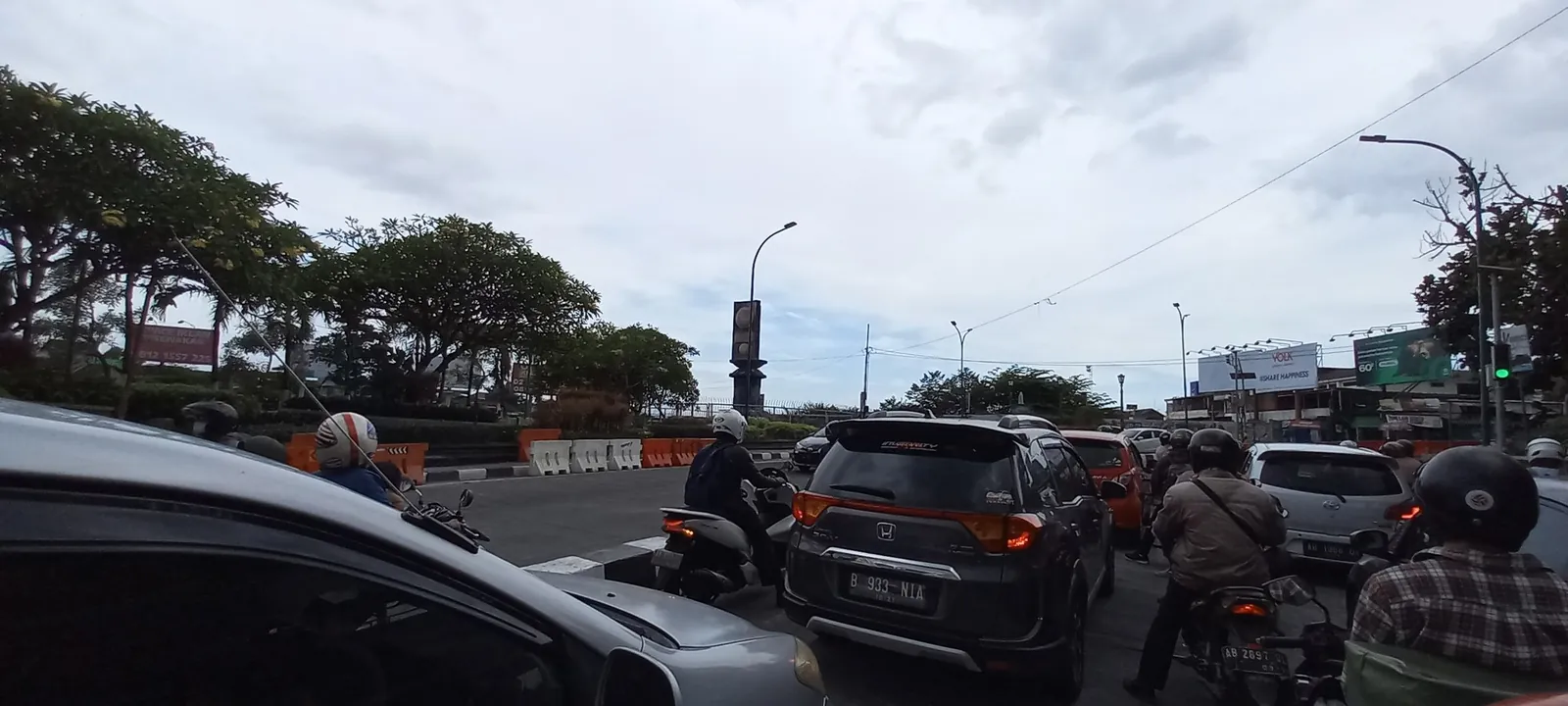
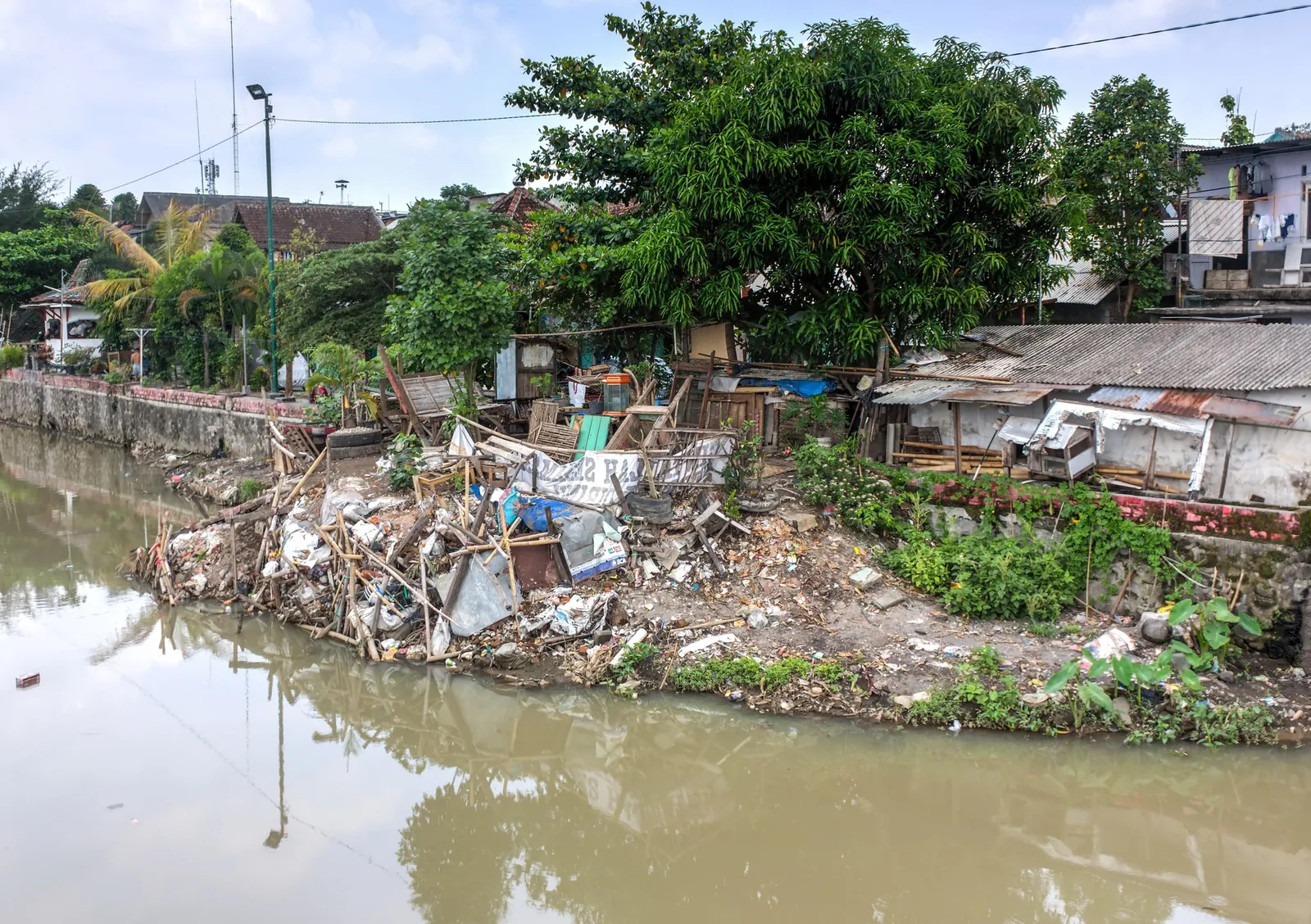
Authentic, unedited photos of Yogyakarta by residents and visitors, taken on ordinary days rather than chosen by a tourist board. Each one shows when it was taken. Browse photos of all 83 cities →










The other side



Cost of Living in Yogyakarta
1-Bedroom Rent
$200-$400/month
Local Restaurant Meal
$1.50-$4 at local warungs
Cup of Coffee
$1-$2.50
Estimated Monthly Total
$600-$1,100
Want a personalized estimate? Use our cost of living calculator
Healthcare in Yogyakarta
Yogyakarta has some of the best healthcare on Java outside Jakarta and Surabaya. Dr. Sardjito General Hospital is the Gadjah Mada University teaching hospital and the regional referral centre, with full specialist departments. On the private side, Panti Rapih Hospital and Siloam Hospitals Yogyakarta are used by most international residents and have some English-speaking staff, though not to the standard of Bangkok or Kuala Lumpur. Routine consultations run $15-$40 and comprehensive health insurance for a retiree costs roughly $500-$1,500 a year. For anything highly specialised, residents travel to Jakarta or, as many Indonesians and expatriates do, to Singapore or Kuala Lumpur. The BPJS national scheme is available to holders of a KITAS but private cover is the norm for international residents.
Daily Life and Lifestyle in Yogyakarta
Yogyakarta runs on students, batik, and gamelan. The city has a large young population from Gadjah Mada and a dozen other institutions, which supports an arts and café scene unusual for a city of this cost. Malioboro Street is the commercial spine, the Kraton and Taman Sari water castle sit at the historic centre, and daily life is cheap enough that eating out is routine rather than an occasion. The pace is markedly gentler than Jakarta. Retirees who settle here tend to be people who want cultural immersion rather than a beach — this is a place to learn Bahasa Indonesia, take up batik or gamelan, and be one of very few foreigners in the neighbourhood. Roads are congested at peak hours but the city is compact, and the surrounding countryside of rice terraces and volcanoes starts within twenty minutes.
Climate and Weather in Yogyakarta
Yogyakarta has a tropical monsoon climate, warm year-round at 23-32°C with high humidity. The dry season runs May to September with clear skies and slightly cooler nights; the wet season runs October to April, with heavy afternoon and evening rain. At only 113 metres the city gets no altitude relief — it is consistently hot, and air conditioning is normal in bedrooms. Mount Merapi, 30 kilometres north, is among the most active volcanoes in the world and erupts regularly; ash fall reaches the city occasionally and evacuation zones apply to villages on the slopes rather than to Yogyakarta itself. Java is also seismically active, and the 2006 earthquake caused significant damage in the region.
Pros and Cons of Retiring in Yogyakarta
Pros
- Among the lowest costs of any destination on this site
- University teaching hospital plus two established private hospitals
- Indonesia's cultural capital — arts, batik, gamelan, and two UNESCO temple complexes nearby
- A real Indonesian city rather than a resort economy, with prices set by locals
- Compact and walkable in the centre, with countryside twenty minutes away
Cons
- No beach and no resort infrastructure — this is inland Java
- Mount Merapi is one of the world's most active volcanoes, 30 km north
- Seismically active region; the 2006 earthquake caused major regional damage
- Hot and humid year-round with no altitude relief at 113 m
- Very small international community and limited English outside hospitals and universities
Who Is Yogyakarta Best For?
Retirees who want genuine cultural immersion at the lowest costs in Indonesia, with better hospital access than Bali, and who do not need a beach or an established expat community.
Where to Live in Yogyakarta
Kotabaru & city centre
The colonial-era district near Malioboro and the Kraton, with tree-lined streets and older houses. One-bedrooms run $200-$400/month. Walkable to markets, cafés, and hospitals — the practical base for car-free living.
Condongcatur & Sleman (north)
The university belt towards Merapi, with newer housing and a young population. Rents run $180-$350/month. Slightly cooler and greener, close to Sardjito hospital and the campuses.
Bantul (south)
Rice-field countryside towards the south coast, where many artists and craftspeople live. Rents run $150-$300/month, usually for houses. Very quiet and very cheap; a motorbike or car is essential.
Hospitals and Healthcare Facilities in Yogyakarta
Dr. Sardjito General Hospital
The Gadjah Mada University teaching hospital and the main referral centre for central Java. Full specialist departments including cardiology, oncology, and neurosurgery — the strongest public provision of any Indonesian city on this site outside Jakarta.
Panti Rapih Hospital
Long-established private Catholic hospital in the city, widely used for general medicine, surgery, and maternity. Shorter waits than the public system and some English-speaking staff.
Siloam Hospitals Yogyakarta
Part of Indonesia's largest private hospital group, with modern diagnostics and emergency care. The usual first choice for international residents needing private treatment.
Facility details may change. Verify accreditation status and services directly with each hospital before making healthcare decisions.
Dining and Food Scene in Yogyakarta
Yogyakarta food is distinctly Javanese and noticeably sweeter than Sumatran or Balinese cooking. Gudeg — young jackfruit slow-cooked in palm sugar and coconut milk, served with rice, egg, and chicken — is the city dish, eaten at any hour and costing $1.50-$3. Bakpia, small mung bean pastries, are the local souvenir food.
Street warungs and the lesehan mats along Malioboro serve full meals for under $2, and the student population supports an unusually good café scene for the price level, with specialty coffee from Java, Sumatra, and Flores at $1.50-$3 a cup. Beringharjo market handles fresh produce, batik, and spices.
Weekly groceries for two run $25-$45, the lowest of any Indonesian city on this site. Imported Western goods are limited compared with Bali or Jakarta — there are supermarkets stocking them, but the selection is thinner and the premium higher, so most residents adapt to local ingredients rather than importing their previous diet.
Is Yogyakarta Right for You?
Take our free 3-minute retirement quiz to see how Yogyakarta and Indonesia compare to other destinations based on your preferences, budget, and needs.
Take the Retirement QuizFrequently Asked Questions About Retiring in Yogyakarta
How does Yogyakarta compare with Bali for retirement?
They are opposites. Bali has beaches, a large established international community, and a tourism economy that prices accordingly; Yogyakarta has no beach, very few foreigners, and prices set by locals — roughly half Bali's cost. Healthcare is arguably better in Yogyakarta thanks to the Gadjah Mada teaching hospital. The choice comes down to whether you want an international community and coastline, or cultural immersion and low costs.
Is Mount Merapi a real risk?
Merapi is genuinely one of the most active volcanoes in the world and erupts every few years. The practical effect on Yogyakarta city, 30 kilometres south, is occasional ash fall and flight disruption rather than danger — exclusion zones apply to villages on the slopes. It is a real consideration but not a reason to rule the city out; the seismic risk across Java, demonstrated by the 2006 earthquake, is the more serious structural concern.
What visa do retirees use in Indonesia?
Indonesia offers a retirement KITAS for applicants aged 55 and over, which requires proof of pension income, health and life insurance, accommodation in Indonesia, and the employment of an Indonesian domestic worker. It is renewable annually and can lead to permanent residency (KITAP) after several years. The requirements are the same in Yogyakarta as in Bali, though agents and support services are far more numerous in Bali.
Sources & References
- Dr. Sardjito General Hospital — Teaching hospital services, specialist departments, and regional referral role for central Java
- Indonesian Directorate General of Immigration — Retirement KITAS requirements, renewal, and the KITAP permanent residency pathway
- Indonesian Center for Volcanology and Geological Hazard Mitigation — Mount Merapi activity status and exclusion zone definitions
- Numbeo — Cost of living index and price data for Yogyakarta — rent, groceries, and restaurants