
City Retirement Guide
Retire in Bandung, Indonesia
Highland city on Java at 768 m, cooler than the coast and half the price of Bali
Bandung at a Glance
- Elevation & setting
- ~768 m in a volcanic basin, West Java; ~140 km south-east of Jakarta; ~6.9°S
- Annual temperature
- 22-28°C by day, 18-20°C at night; tropical highland, wet season October-May
- Nearest international airport
- Husein Sastranegara (BDO) with limited services; Jakarta (CGK) ~3 h by toll road for international connections
- Nearest major hospital
- Hasan Sadikin General Hospital (Universitas Padjadjaran teaching hospital), in the city
- Primary retirement visa
- Indonesian retirement KITAS, age 55+; requires pension income, insurance, accommodation, and employing a domestic worker
- Language environment
- Bahasa Indonesia and Sundanese; English limited outside hospitals, universities, and the café scene
Lembang, immediately north of Bandung, is Indonesia's dairy centre — which is why fresh milk and yoghurt are cheap and easy to find here and hard to find almost anywhere else in the country.
Overview of Bandung for Retirees
Bandung is the capital of West Java, set in a mountain basin at about 768 metres and ringed by volcanoes, roughly 140 kilometres south-east of Jakarta at 6.9°S. The altitude is the point: daytime temperatures run 18-28°C rather than the 30-34°C of the Indonesian coast, and nights are cool enough to sleep without air conditioning — the closest thing Java has to Da Lat or Baguio.
The Dutch built it as a hill retreat and called it Paris van Java, and the art deco architecture along Jalan Braga survives from that era. Today it is Indonesia's third-largest metropolitan area, with Bandung Institute of Technology and Universitas Padjadjaran, whose teaching hospital — Hasan Sadikin — is the main referral centre for West Java.
Monthly all-in costs run roughly $600-$1,200, well under Bali. The trade-off is traffic: Bandung is a large, congested Indonesian city, and weekend visitors from Jakarta make it substantially worse. Husein Sastranegara Airport handles limited services, with most international connections going through Jakarta, about three hours away by toll road or train.
What Bandung actually looks like
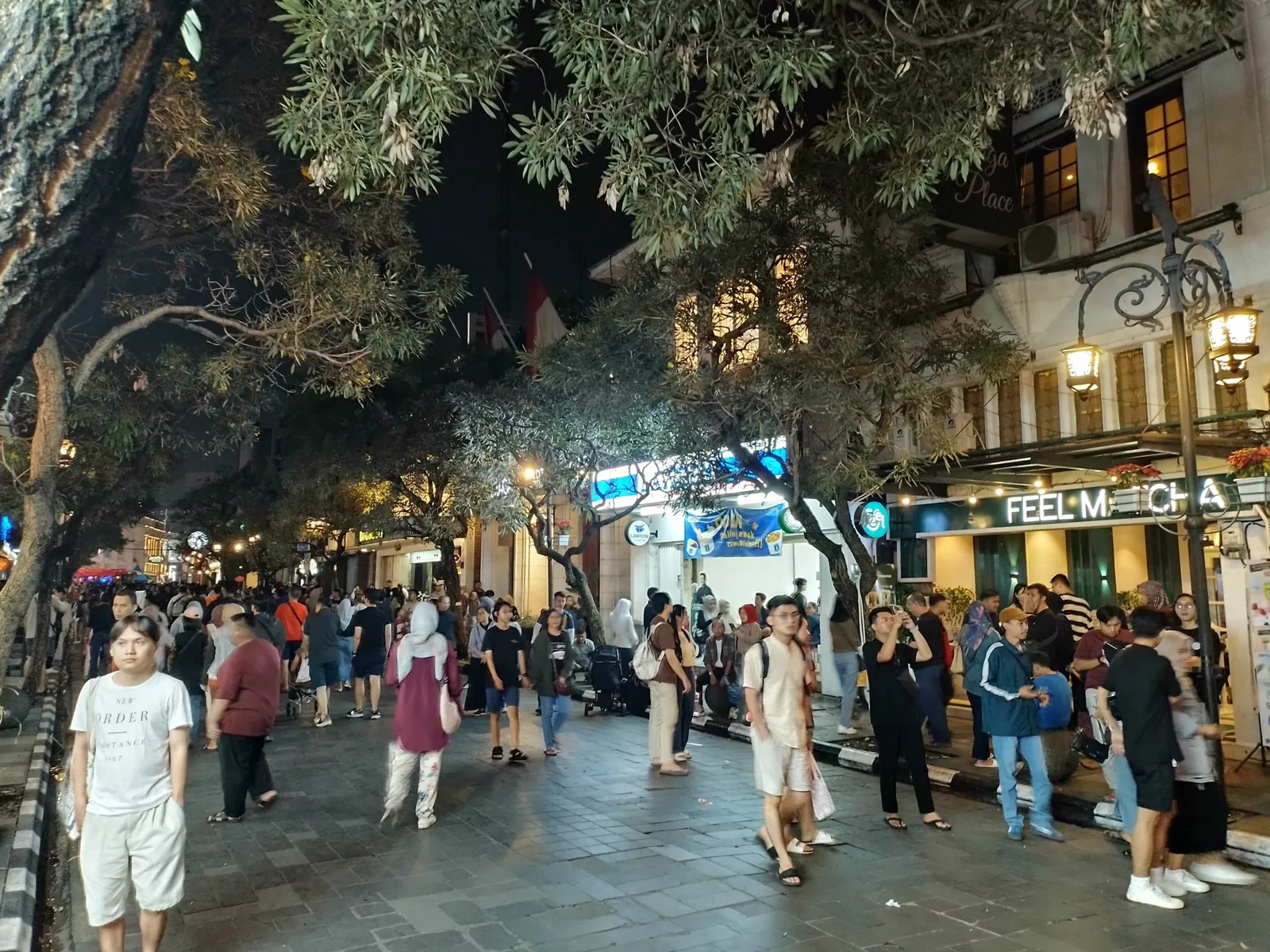
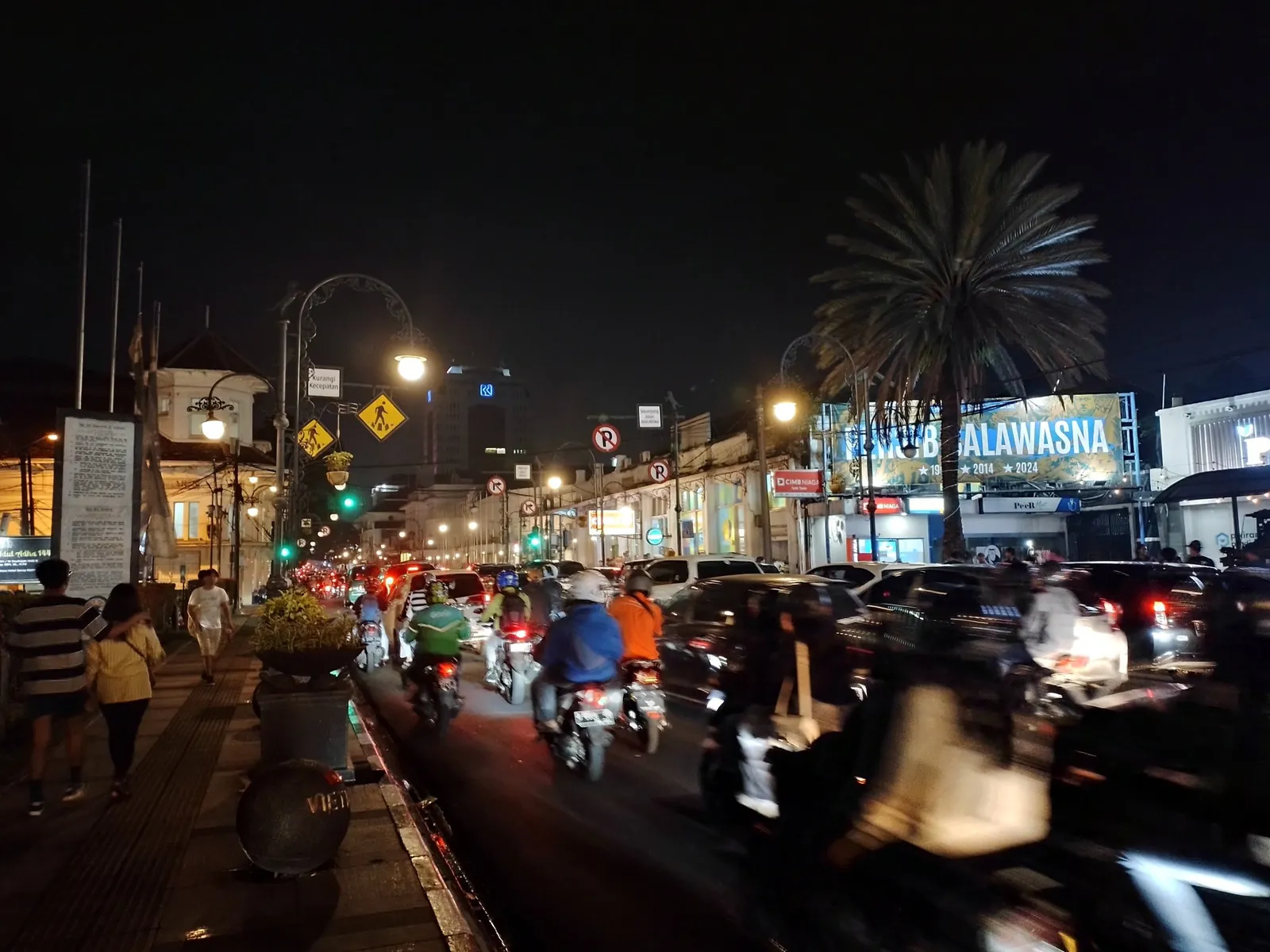
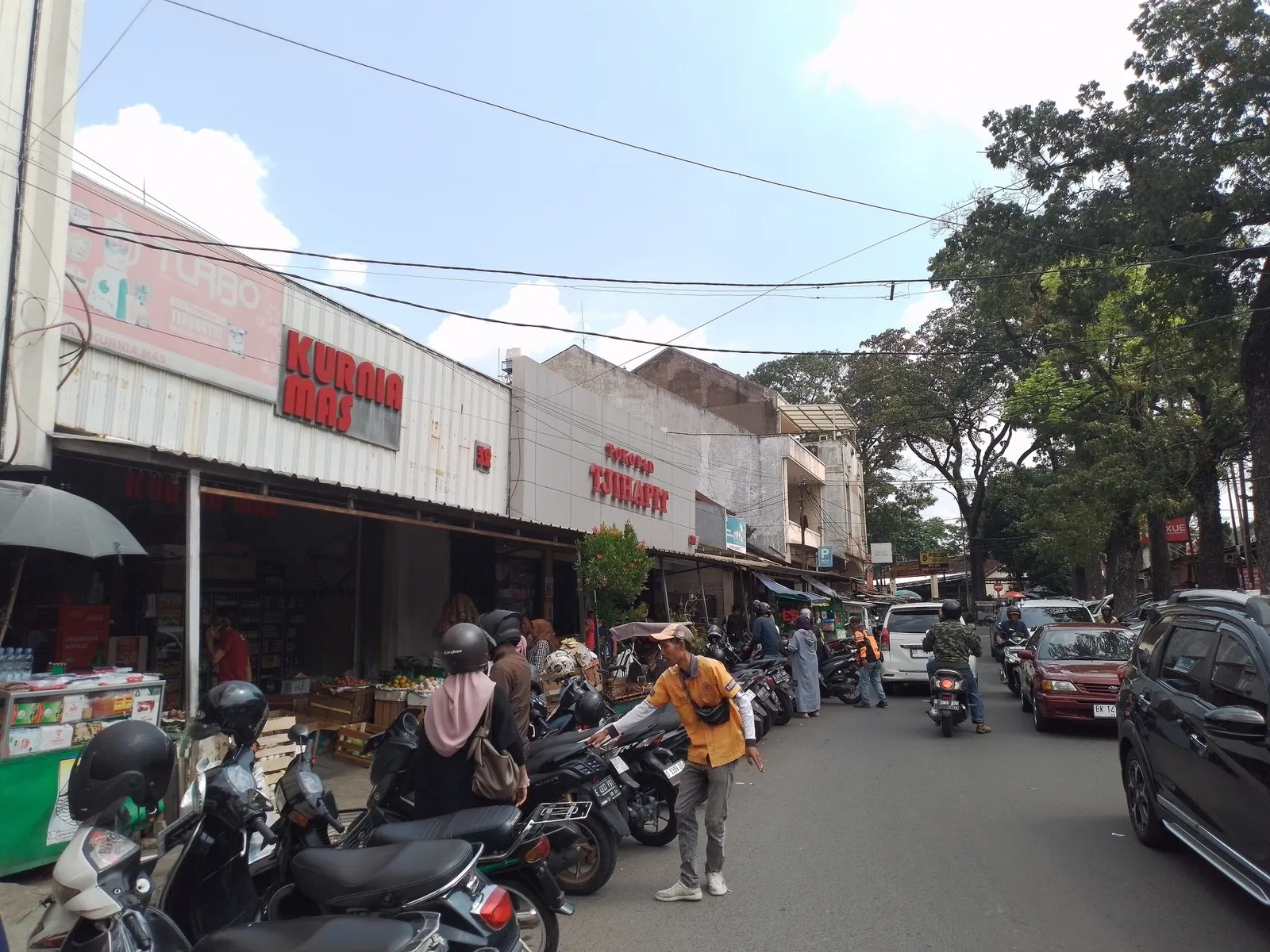
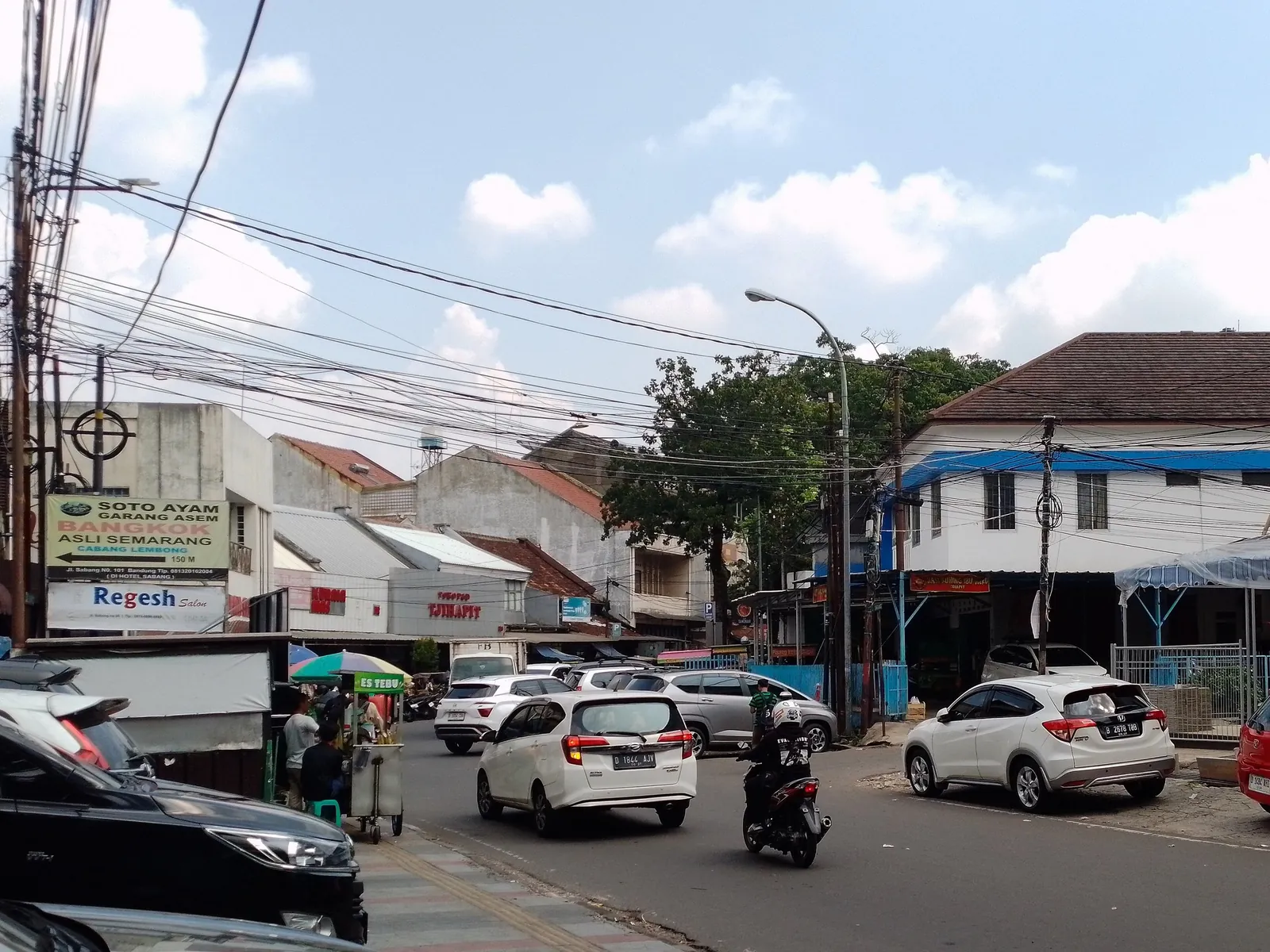
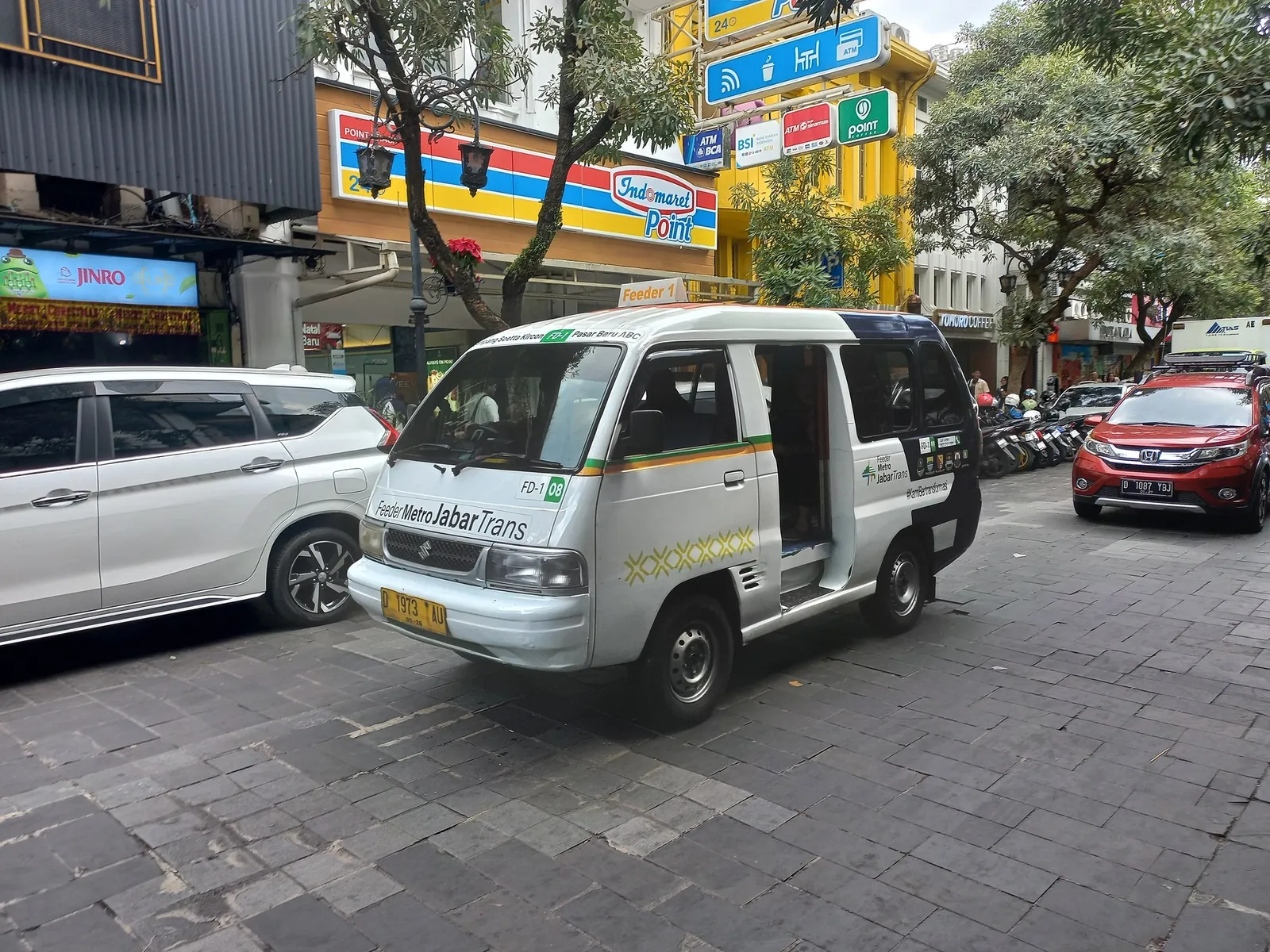
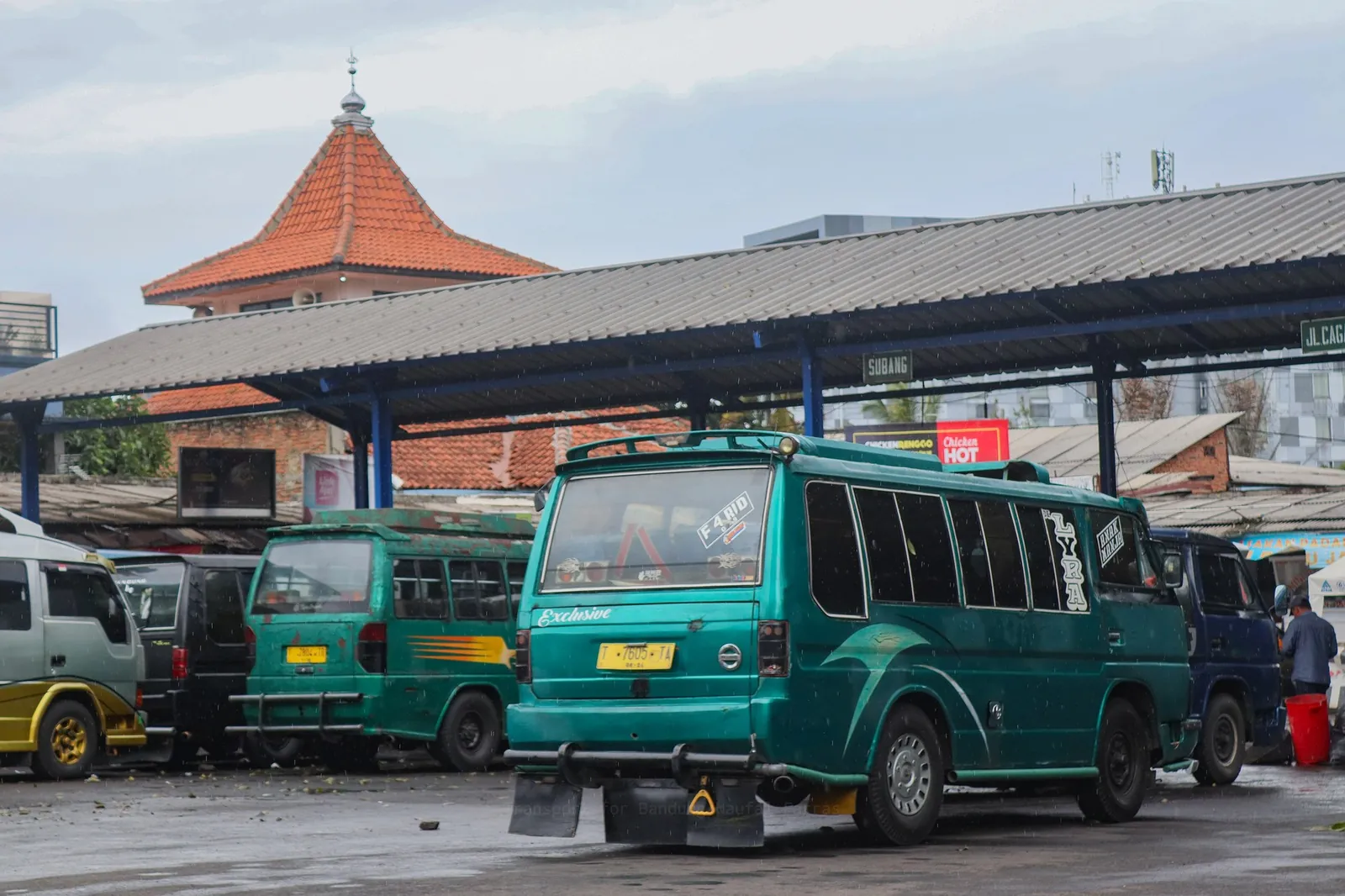
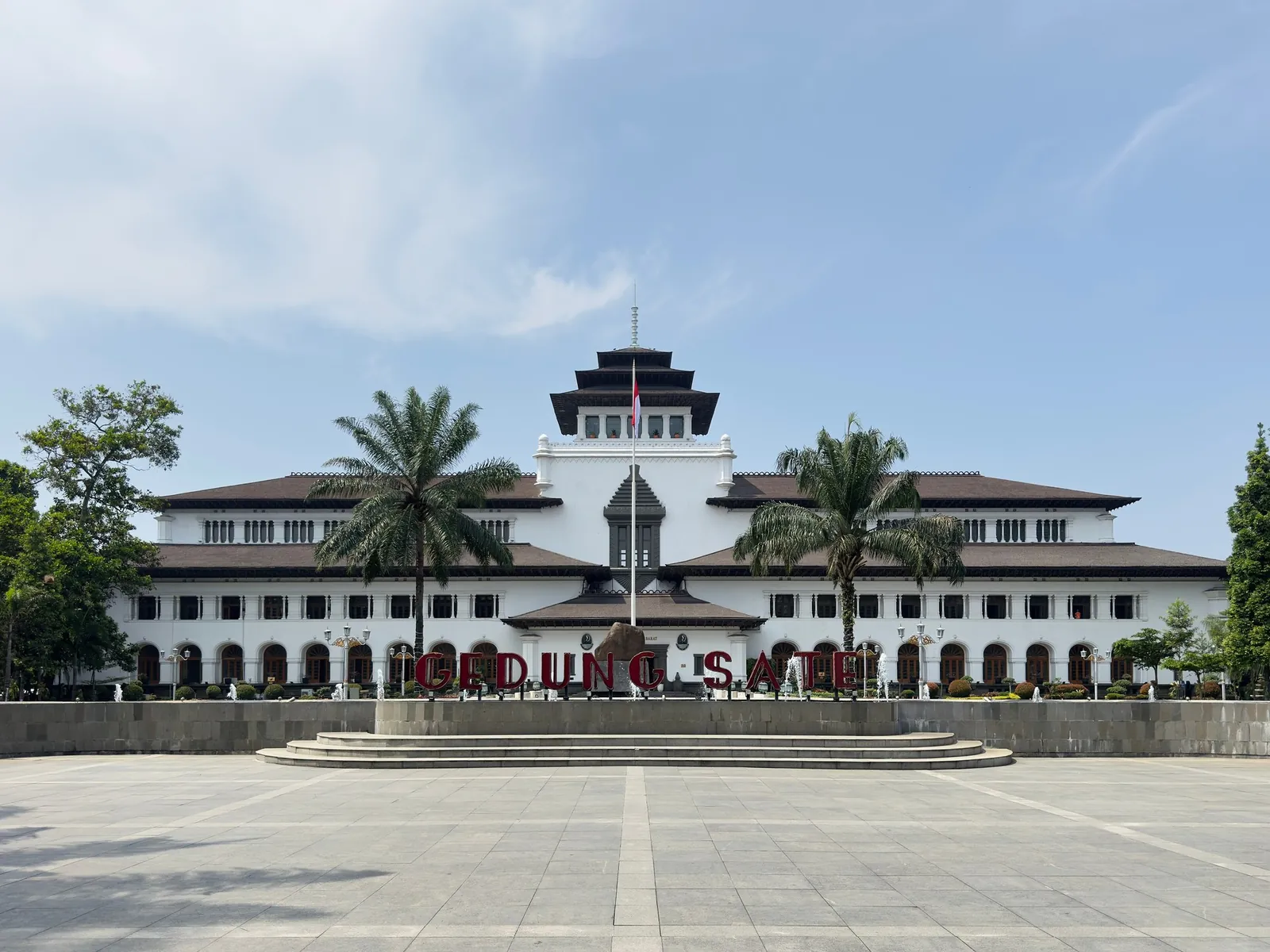
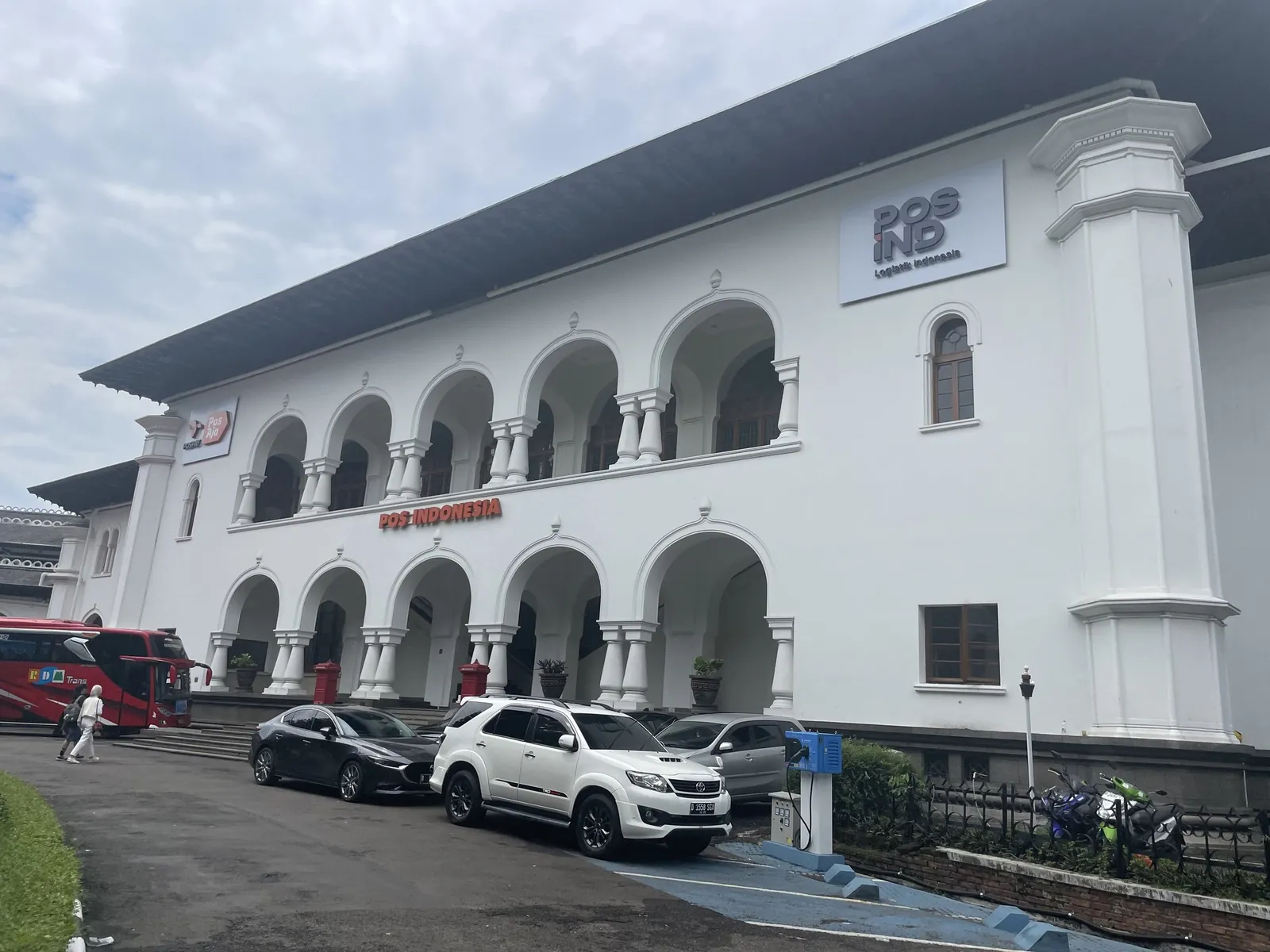
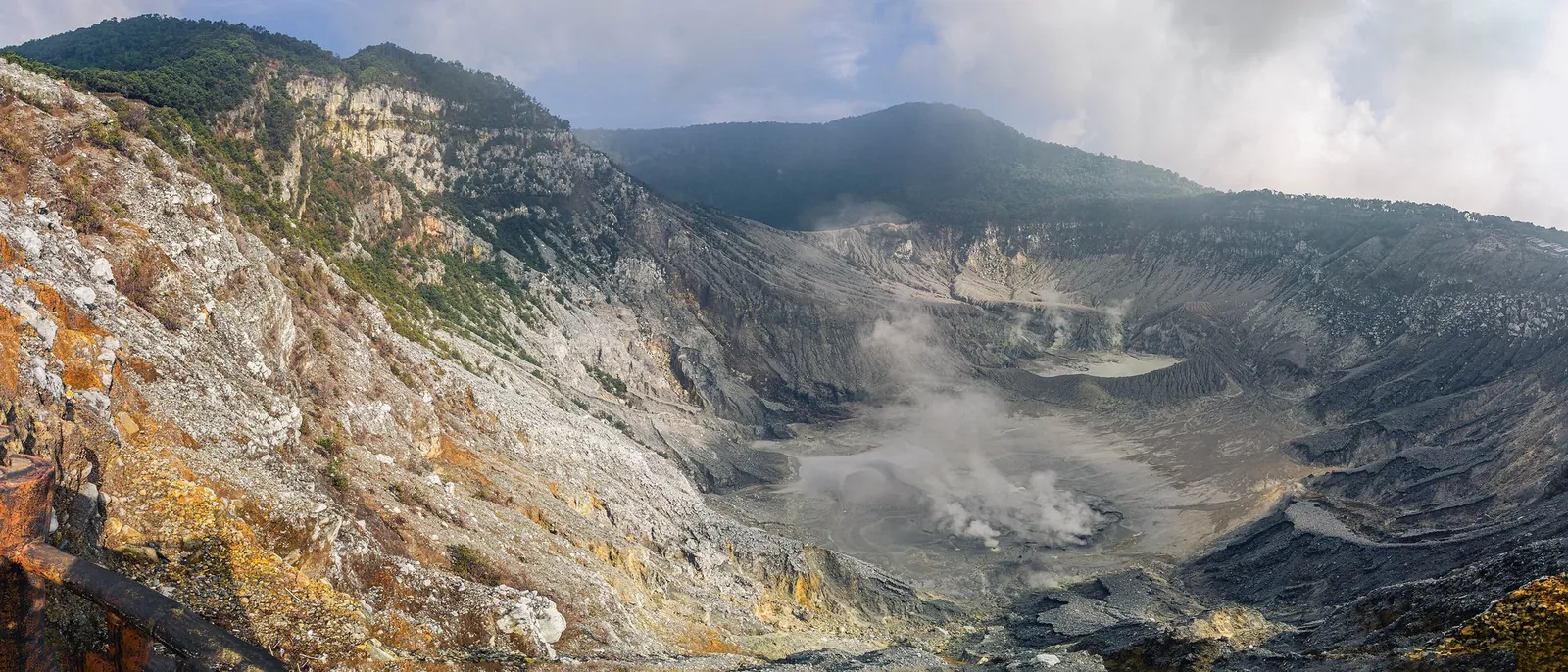
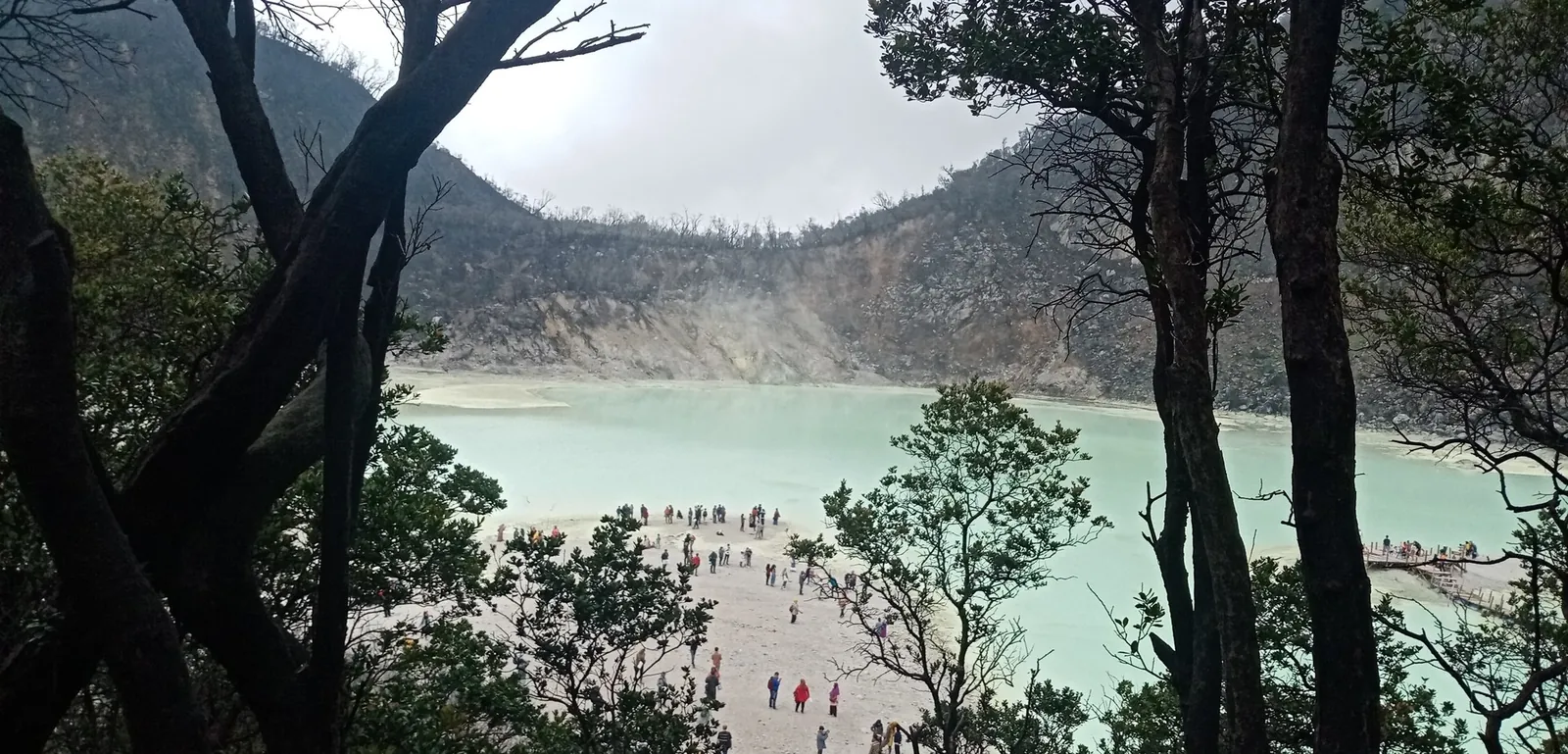
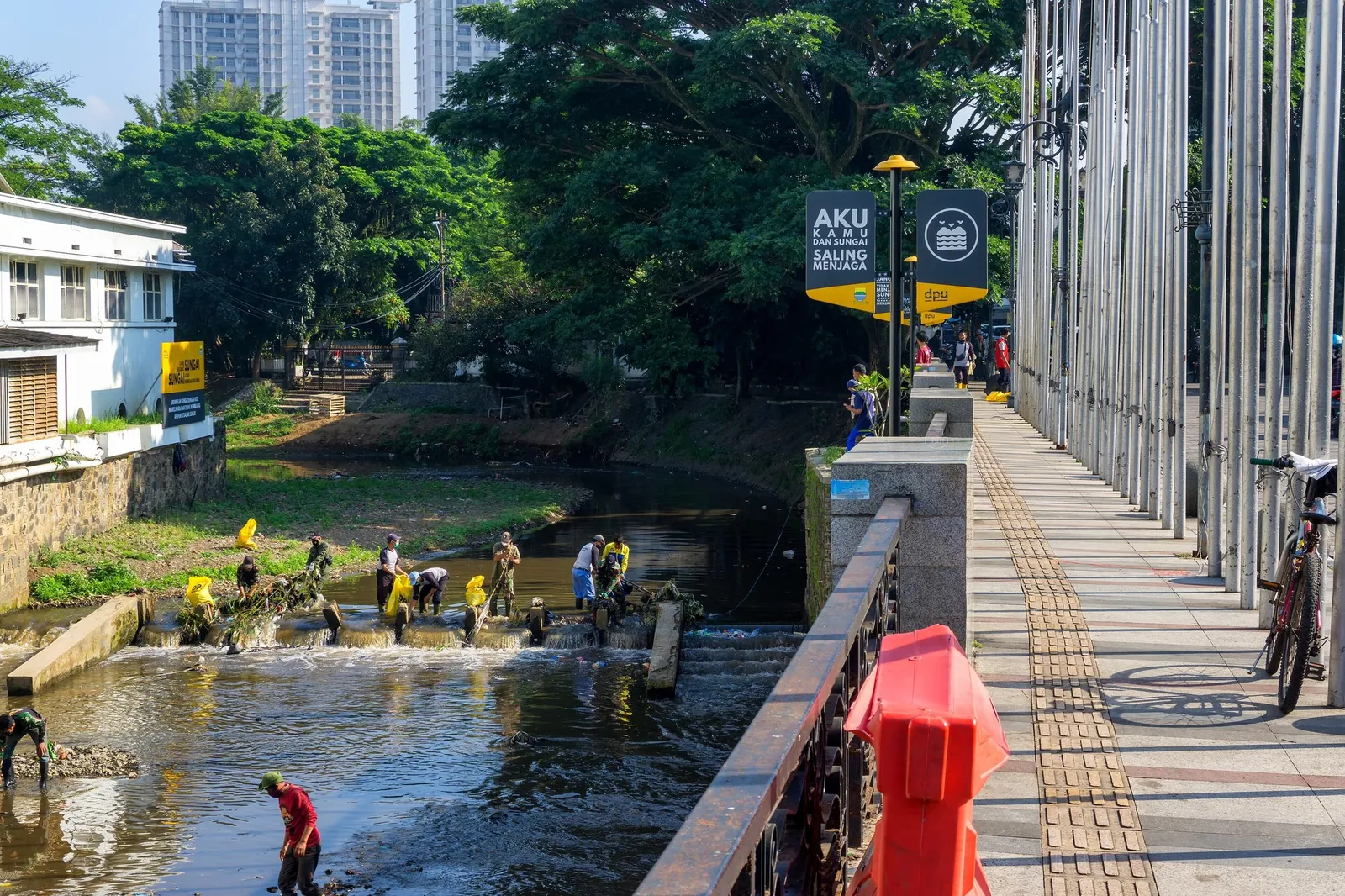
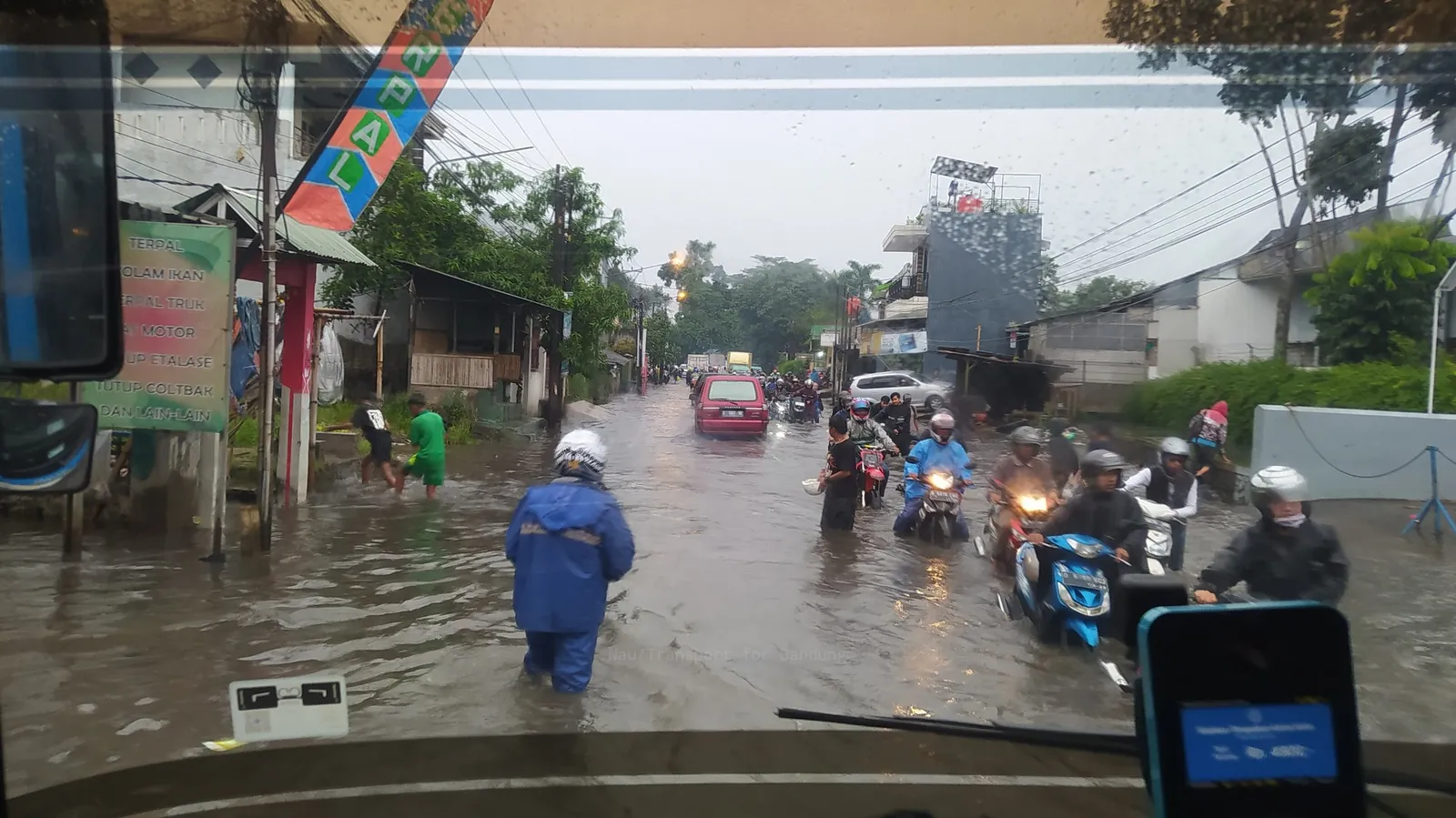
Authentic, unedited photos of Bandung by residents and visitors, taken on ordinary days rather than chosen by a tourist board. Each one shows when it was taken. Browse photos of all 83 cities →
.jpg)

.jpg)
.jpg)






The other side

.jpg)
Cost of Living in Bandung
1-Bedroom Rent
$220-$450/month
Local Restaurant Meal
$2-$5 at local restaurants
Cup of Coffee
$1.50-$3
Estimated Monthly Total
$700-$1,300
Want a personalized estimate? Use our cost of living calculator
Healthcare in Bandung
Hasan Sadikin General Hospital is the Universitas Padjadjaran teaching hospital and the principal referral centre for West Java, covering the full range of specialties. Santo Borromeus Hospital is the long-established private alternative in the city centre, and there are several other private hospitals with English-speaking doctors. Routine consultations run $15-$40, and annual health insurance for a retiree costs roughly $500-$1,500. Bandung's healthcare is materially better than Bali's outside Denpasar, and Jakarta's international-standard hospitals are about three hours away by toll road for anything requiring them. As elsewhere in Indonesia, residents with complex needs often plan to travel to Singapore or Kuala Lumpur for major procedures.
Daily Life and Lifestyle in Bandung
Bandung's cool climate shapes everything about it. Outdoor cafés work year-round, walking is comfortable at any hour, and the surrounding highlands — tea plantations at Ciwidey, the Tangkuban Perahu crater, hot springs — are a normal weekend rather than an expedition. The city has a strong student and design culture from ITB, which supports a café and independent-retail scene that is genuinely good and genuinely cheap. Jalan Braga and the Asia-Africa Conference area hold the art deco core. The counterweight is congestion: traffic is heavy on weekdays and severe at weekends when Jakarta empties into the city, and getting across town can take an hour. Most retirees who settle here live in the northern districts, which are higher, quieter, and cooler than the basin floor.
Climate and Weather in Bandung
Bandung has a tropical highland climate created by its 768 m elevation in a mountain basin. Daytime temperatures run 22-28°C and nights drop to 18-20°C, cool enough that air conditioning is generally unnecessary and a light layer is welcome in the evening. The dry season runs June to September, the wet season October to May with heavy afternoon rain — Bandung is noticeably wetter than Yogyakarta or the north Java coast. Mornings in the higher northern districts can be genuinely chilly at 15-17°C. The basin traps air, so haze and pollution build up over the city on still days, which is the main air-quality concern.
Pros and Cons of Retiring in Bandung
Pros
- Highland climate at 768 m — 18-28°C, generally no air conditioning needed
- University teaching hospital and the main referral centre for West Java
- Roughly half Bali's cost of living
- Tea plantations, crater lakes, and hot springs within an hour
- Strong café, design, and student culture from ITB and Padjadjaran
Cons
- Heavy traffic congestion, severe at weekends with Jakarta visitors
- Wetter than most Indonesian cities — long rainy season from October to May
- Air quality suffers when the mountain basin traps haze
- Very small international community, limited English
- Limited direct international flights — most connections via Jakarta, 3 hours away
Who Is Bandung Best For?
Retirees who want a cool highland climate in Indonesia with real hospital access and low costs, and who can tolerate the traffic and congestion of a large Indonesian city.
Where to Live in Bandung
Dago & the northern slopes
The higher, cooler districts running up the hillside north of the centre, with the best air and the most greenery. One-bedrooms run $250-$500/month. Popular with academics and the small international community.
Braga & the city centre
The art deco core around Jalan Braga and the Asia-Africa Conference building. Rents run $220-$450/month. Walkable, dense, and closest to Santo Borromeus hospital, but the noisiest and most congested part of the city.
Setiabudi & Lembang road
The northern corridor towards Lembang and the volcanoes, with houses and small compounds. Rents run $250-$550/month. Cooler still and semi-rural, but a car is needed and weekend traffic on this road is heavy.
Hospitals and Healthcare Facilities in Bandung
Hasan Sadikin General Hospital (RSHS)
The Universitas Padjadjaran teaching hospital and the principal referral centre for West Java, covering the full range of specialties including cardiac surgery and oncology.
Santo Borromeus Hospital
Long-established private hospital in the city centre with modern facilities, shorter waits than the public system, and some English-speaking doctors. The usual first choice for private treatment.
Jakarta international hospitals
For care requiring international standards, residents travel to Jakarta — about three hours by toll road — where Siloam, Mayapada, and Pondok Indah offer English-speaking specialist services.
Facility details may change. Verify accreditation status and services directly with each hospital before making healthcare decisions.
Dining and Food Scene in Bandung
Sundanese food defines Bandung and differs from Javanese cooking in being fresher and less sweet: raw vegetables with sambal (lalapan), grilled fish, fermented soy tempeh, and sour tamarind soups. A full meal at a Sundanese restaurant runs $2-$5, often eaten in open pavilions over fish ponds in the northern hills.
The city's student population supports a specialty coffee scene that is among the best in Indonesia, using beans from the surrounding West Java highlands, with a good cup at $1.50-$3. Jalan Braga has the older cafés and bakeries dating from the Dutch period.
Weekly groceries for two run $30-$50. The highland location means unusually good vegetables, strawberries, and dairy — Lembang, just north of the city, is Indonesia's dairy centre, so fresh milk and yoghurt are cheap and widely available, which is not the case in most of the country.
Is Bandung Right for You?
Take our free 3-minute retirement quiz to see how Bandung and Indonesia compare to other destinations based on your preferences, budget, and needs.
Take the Retirement QuizFrequently Asked Questions About Retiring in Bandung
Is Bandung really cool enough to skip air conditioning?
For most people, yes. At 768 metres the daytime range is 22-28°C and nights drop to 18-20°C, so fans are normally sufficient and the higher northern districts can feel genuinely cold in the early morning at 15-17°C. It is not as cool as Da Lat at 1,500 m or Baguio at 1,540 m, but it is a substantial change from Jakarta or the Indonesian coast, where 30-34°C and heavy humidity are the year-round norm.
How bad is the traffic in Bandung?
Bad, and worse at weekends. Bandung is Indonesia's third-largest metropolitan area and its road network was not built for the current volume; crossing the city can take an hour on a weekday. Weekends are the real problem, when large numbers of visitors drive down from Jakarta. Most retirees respond by living in one district and staying in it, which works because individual neighbourhoods are well served.
Why choose Bandung over Yogyakarta?
Climate, mostly. Bandung sits at 768 m and runs 18-28°C; Yogyakarta is at 113 m and runs 23-32°C with high humidity. Bandung is bigger, wetter, more congested, and slightly more expensive. Yogyakarta is cheaper, more culturally distinctive, and hotter. Both have university teaching hospitals. Retirees who feel the heat should look at Bandung first.
Sources & References
- Hasan Sadikin General Hospital (RSHS) — Teaching hospital services and referral role for West Java
- Indonesian Agency for Meteorology, Climatology and Geophysics (BMKG) — Temperature and rainfall normals for the Bandung basin
- Indonesian Directorate General of Immigration — Retirement KITAS requirements, renewal, and the KITAP permanent residency pathway
- Numbeo — Cost of living index and price data for Bandung — rent, groceries, and restaurants