
City Retirement Guide
Retire in Rhodes, Greece
The mildest winters in Greece, with a medieval walled town and year-round infrastructure
Rhodes at a Glance
- Elevation & setting
- Rhodes Town near sea level; Mount Attavyros 1,215 m inland; Dodecanese, ~36.4°N
- Annual temperature
- Jan avg ~12°C / Jul avg ~27°C; hot-summer Mediterranean (Köppen Csa), 300+ sunny days
- Nearest international airport
- Rhodes 'Diagoras' (RHO), ~14 km south-west of Rhodes Town
- Nearest major hospital
- General Hospital of Rhodes 'Andreas Papandreou', Rhodes Town
- Primary retirement visa
- Greece FIP (Financially Independent Person) visa; 2026 minimum ~€3,500/month income
- Language environment
- Greek official; English very widely spoken in Rhodes Town and the east coast, much less so in the southern villages
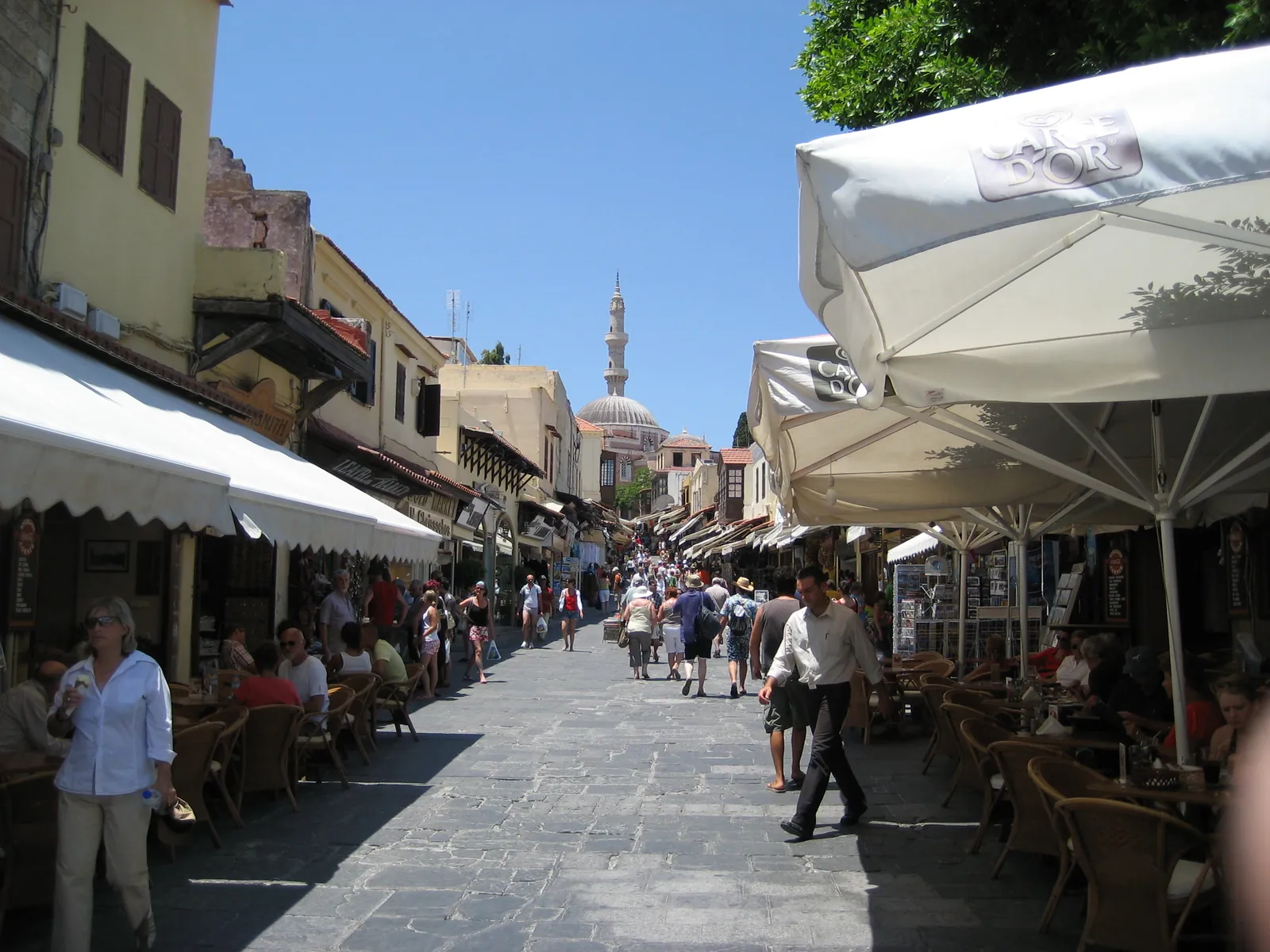
Rhodes Town's medieval quarter is the largest inhabited medieval town in Europe — people still live inside the walls built by the Knights of St John, not just visit them.
Overview of Rhodes for Retirees
Rhodes is the largest of the Dodecanese islands at about 1,400 km², lying off the south-west coast of Turkey at roughly 36.4°N — far enough south that it shares with Crete the mildest winters in Greece. Rhodes Town's medieval quarter is a UNESCO World Heritage site and the largest inhabited medieval town in Europe, still enclosed by the walls and gates built by the Knights of St John.
For retirees the practical draw is infrastructure rather than scenery. The General Hospital of Rhodes "Andreas Papandreou" is the largest medical facility in the Dodecanese, serving roughly 160,000 people across twelve inhabited islands from a 39-acre site. Rhodes International Airport "Diagoras" (RHO) sits about 14 kilometres south-west of town and carries extensive seasonal European services alongside year-round domestic flights to Athens.
Rhodes records over 300 sunny days a year. Two-bedroom apartments in Rhodes Town rent for roughly €400-€650, with the southern and western parts of the island noticeably quieter and cheaper. As on all Greek islands, fuel and imported goods cost more than on the mainland, which is worth building into a budget.
What Rhodes actually looks like
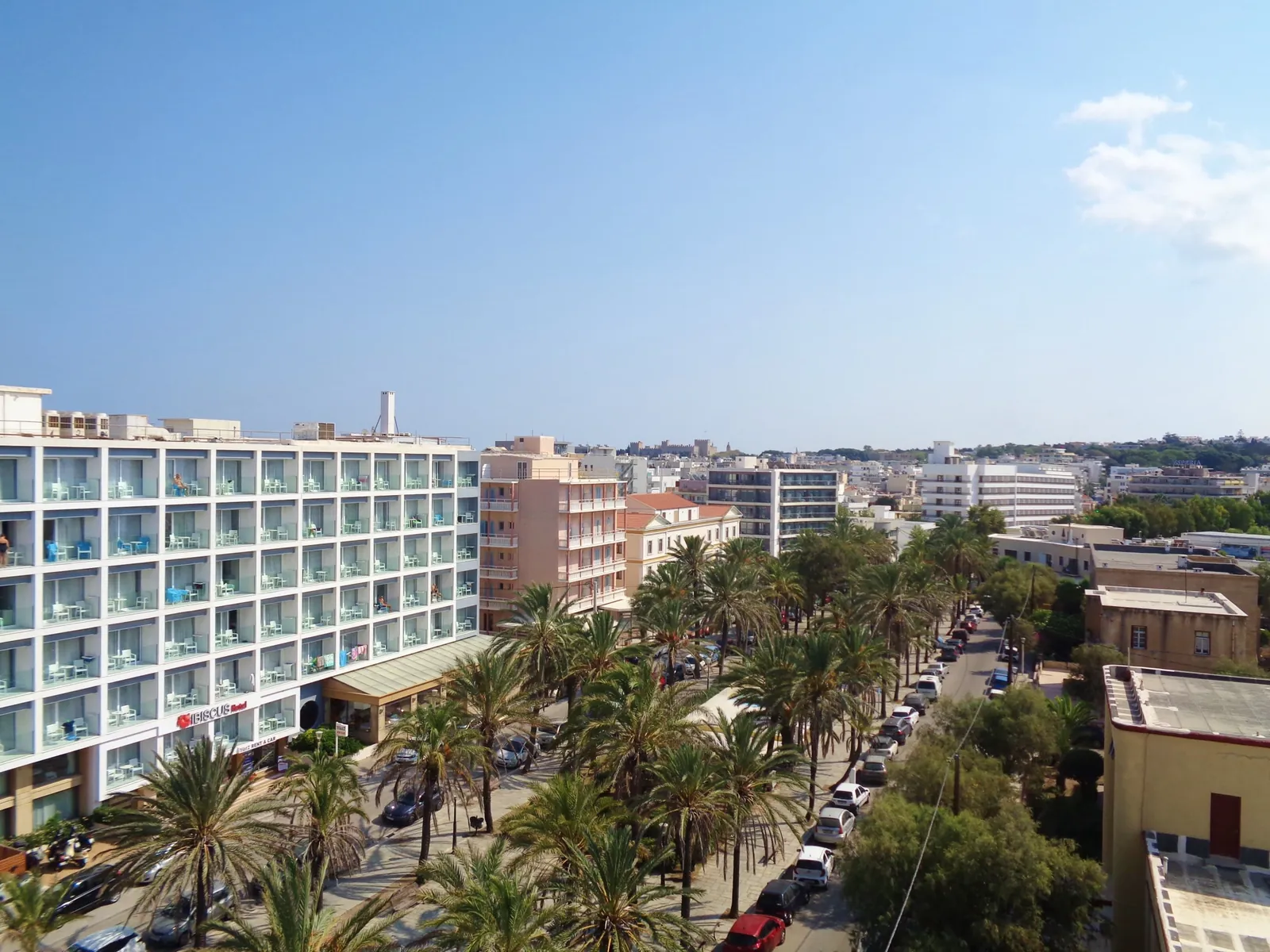
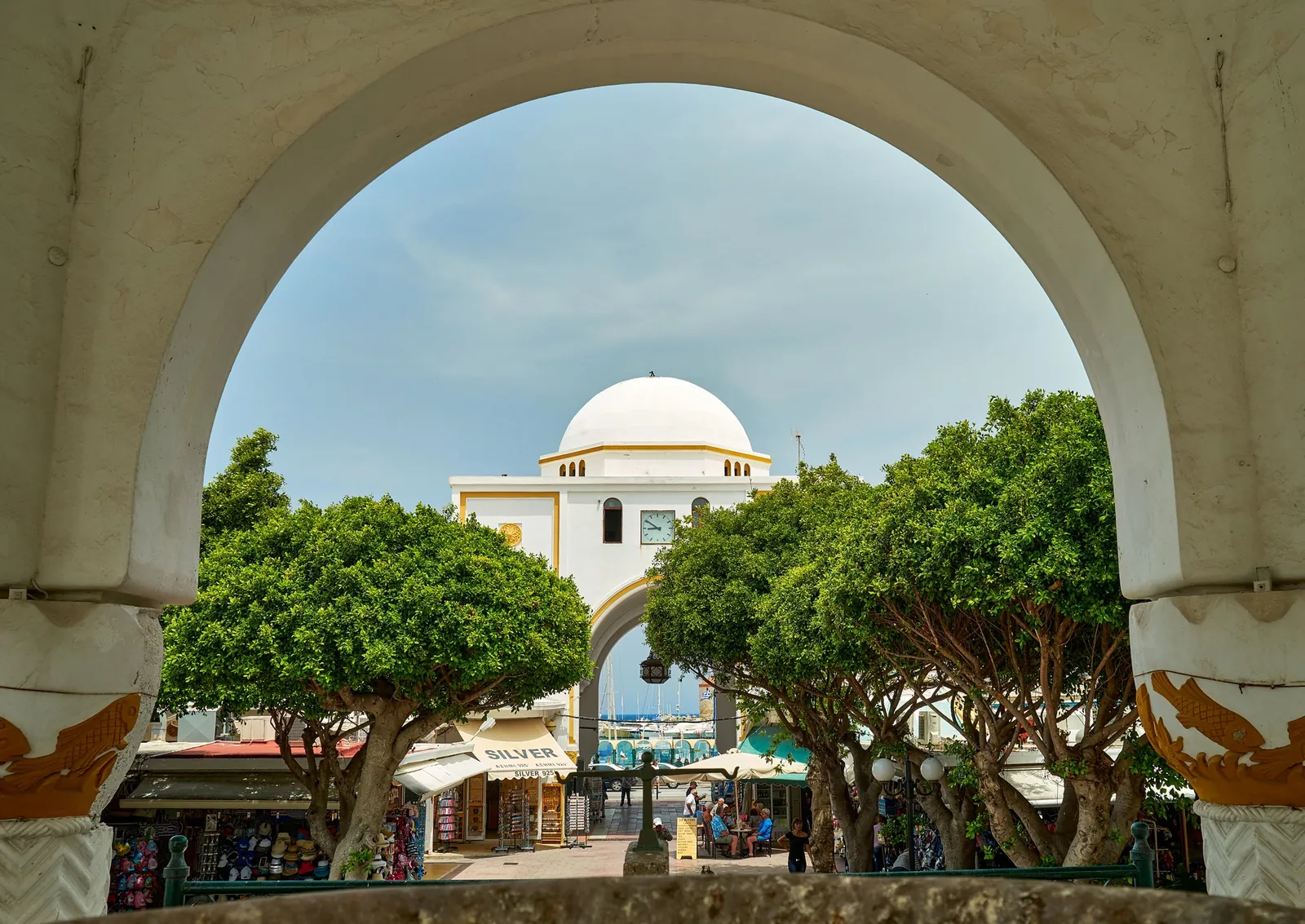
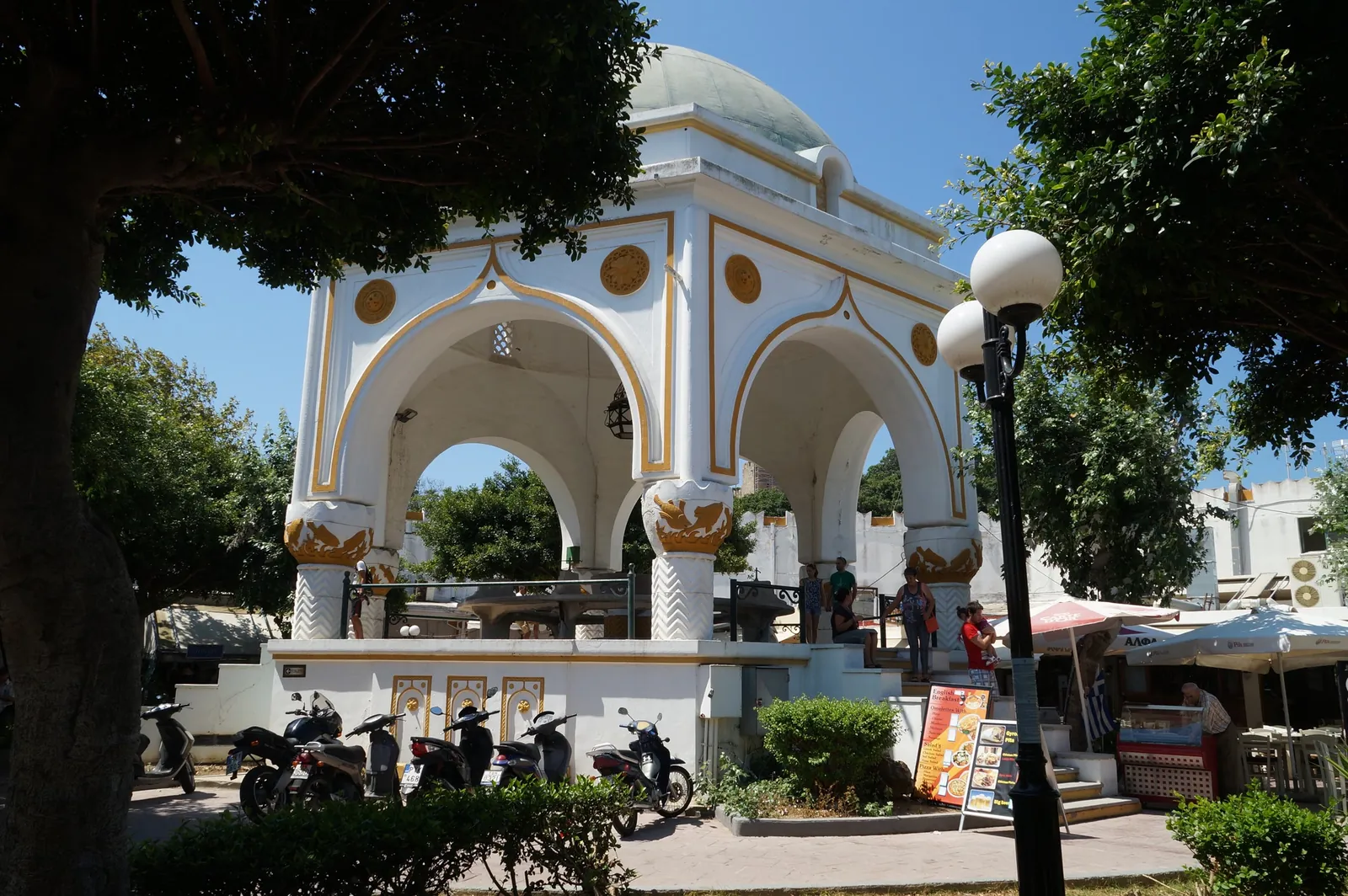
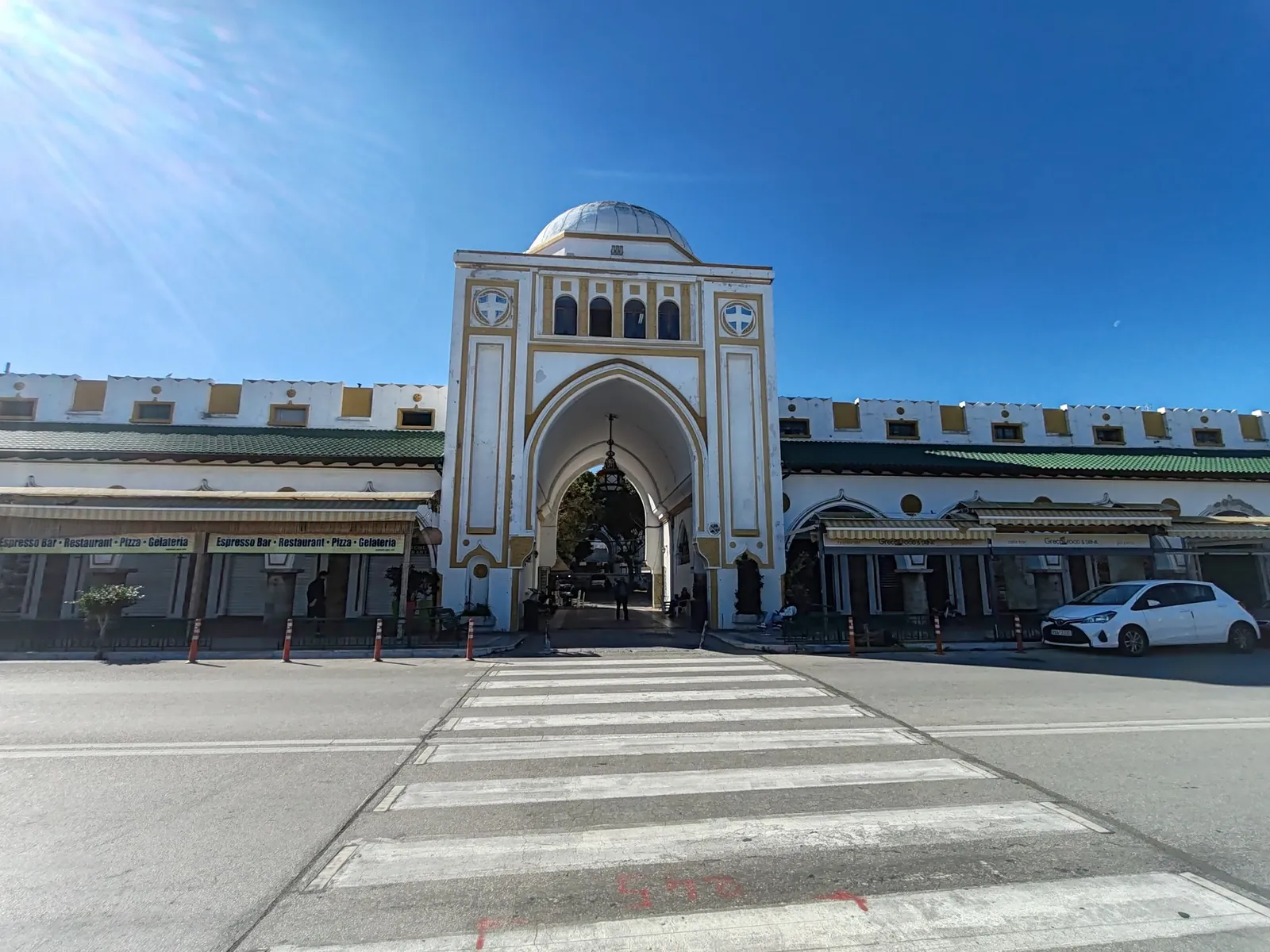
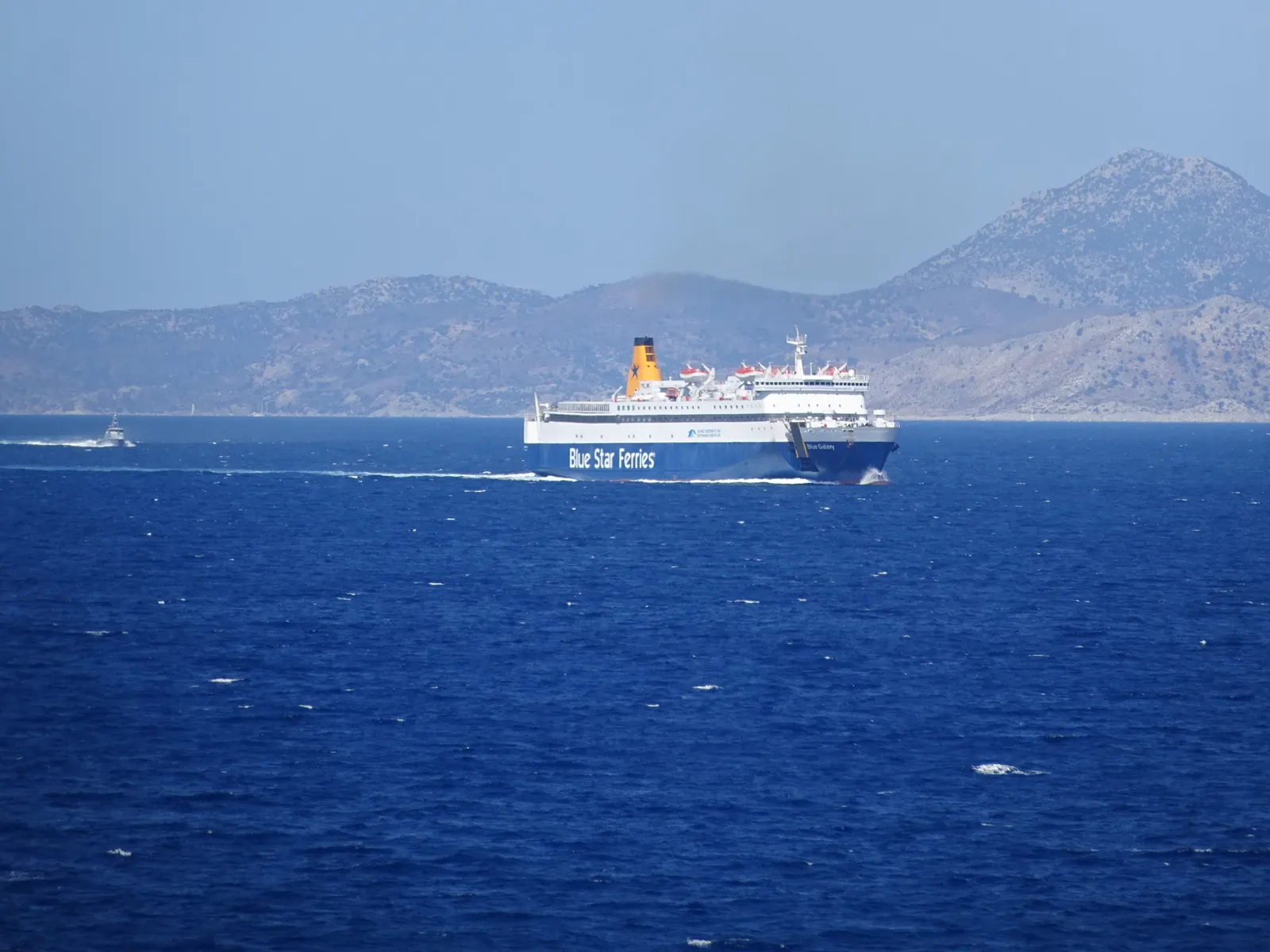
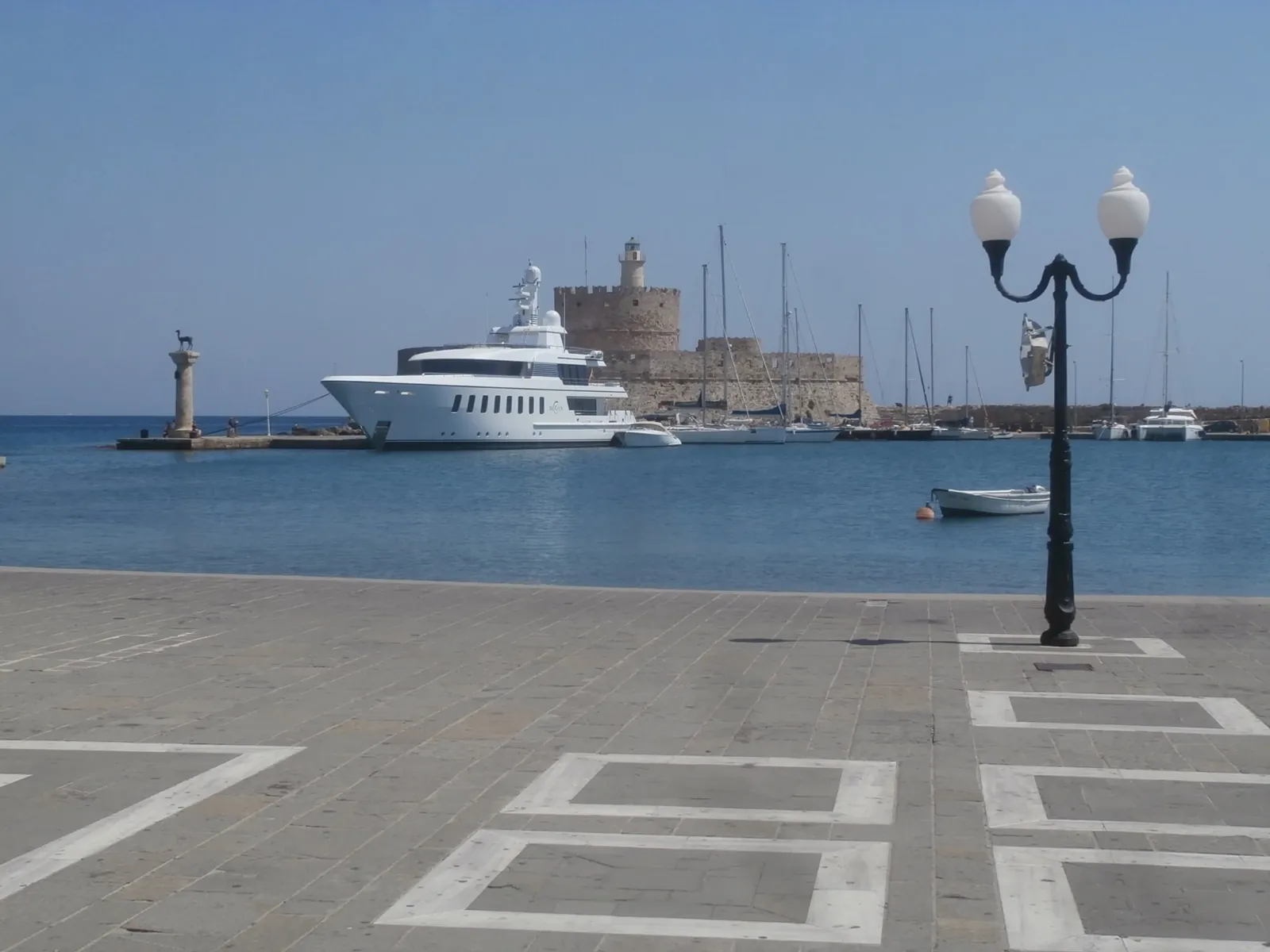
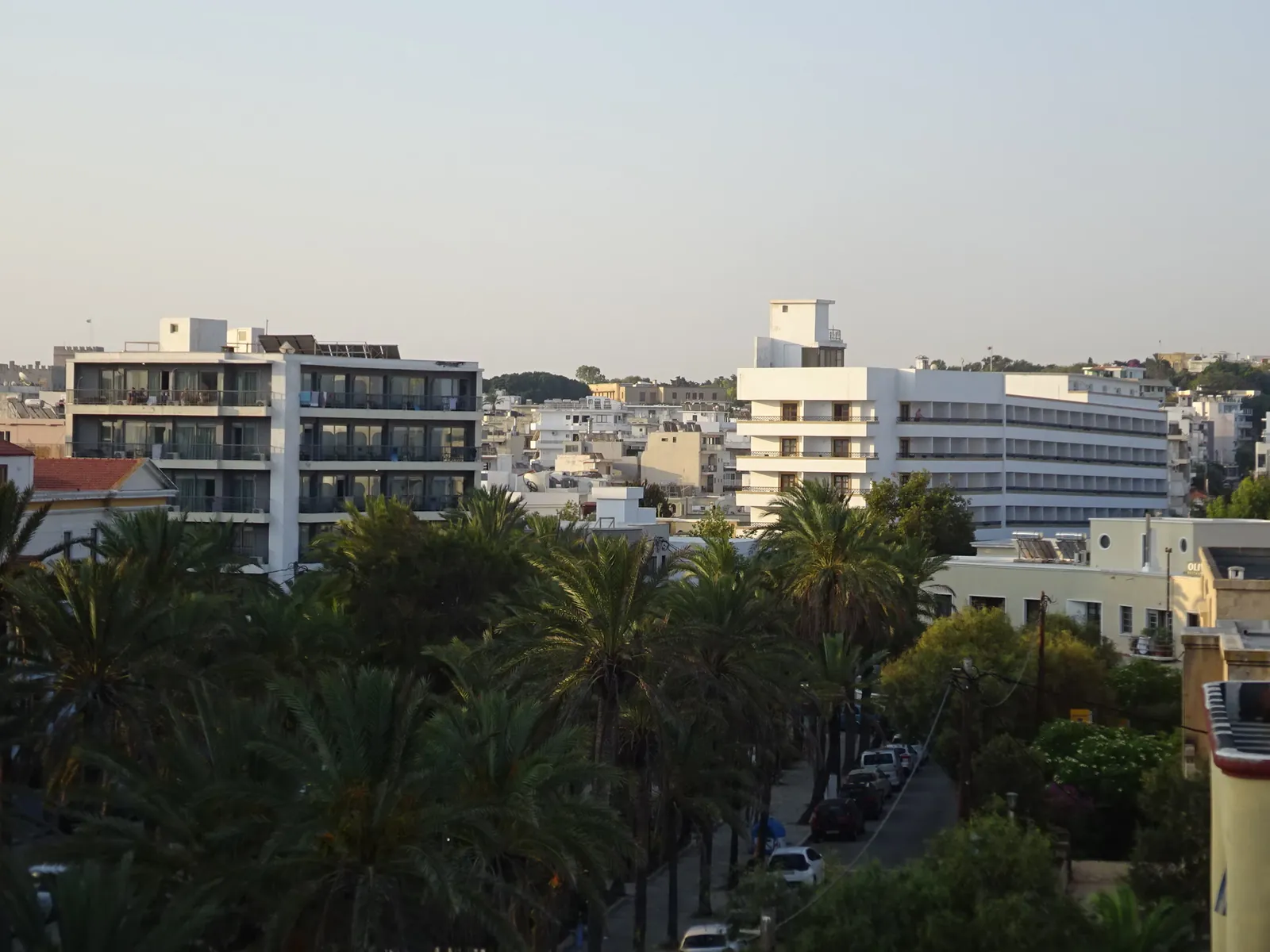
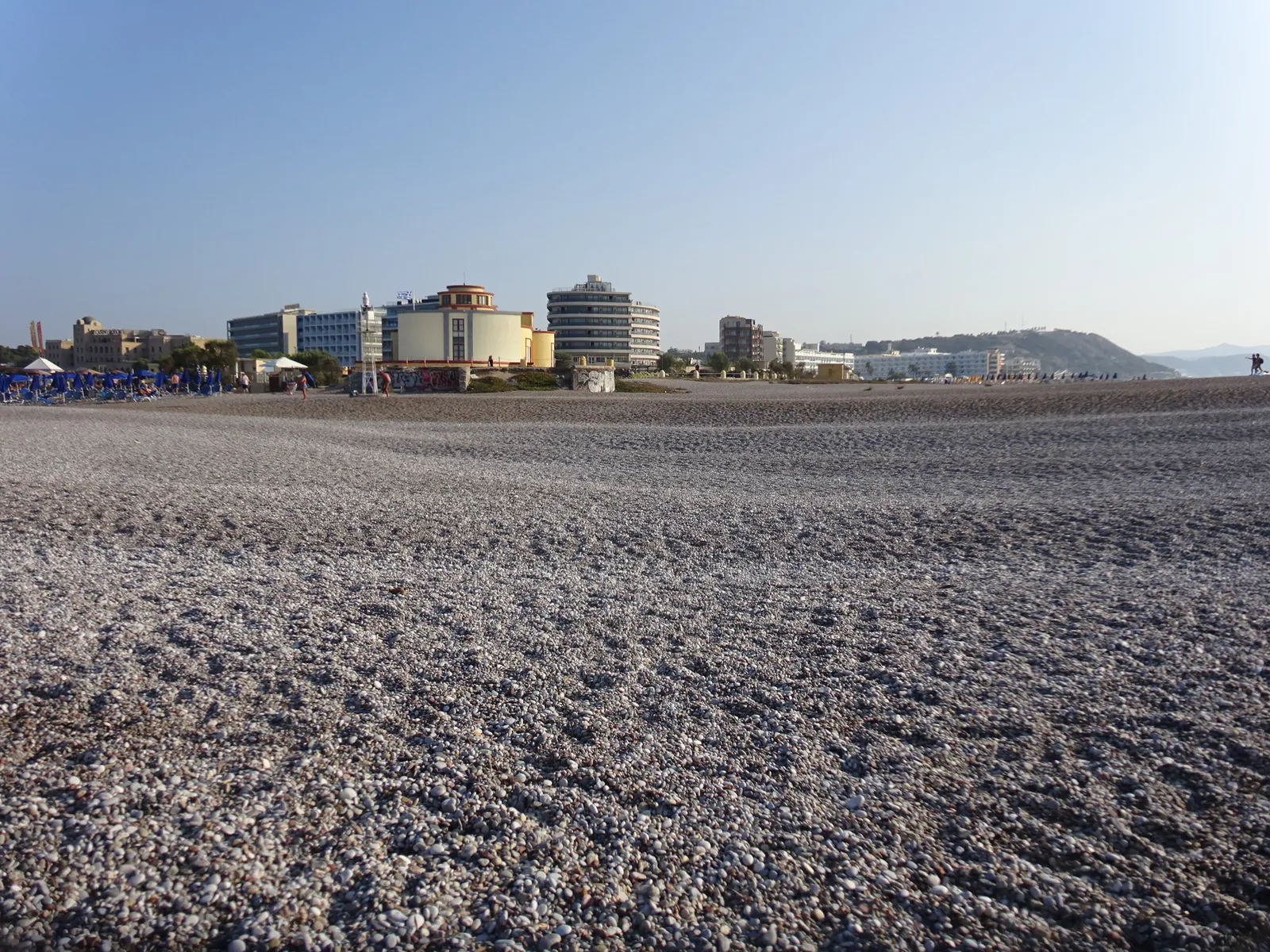
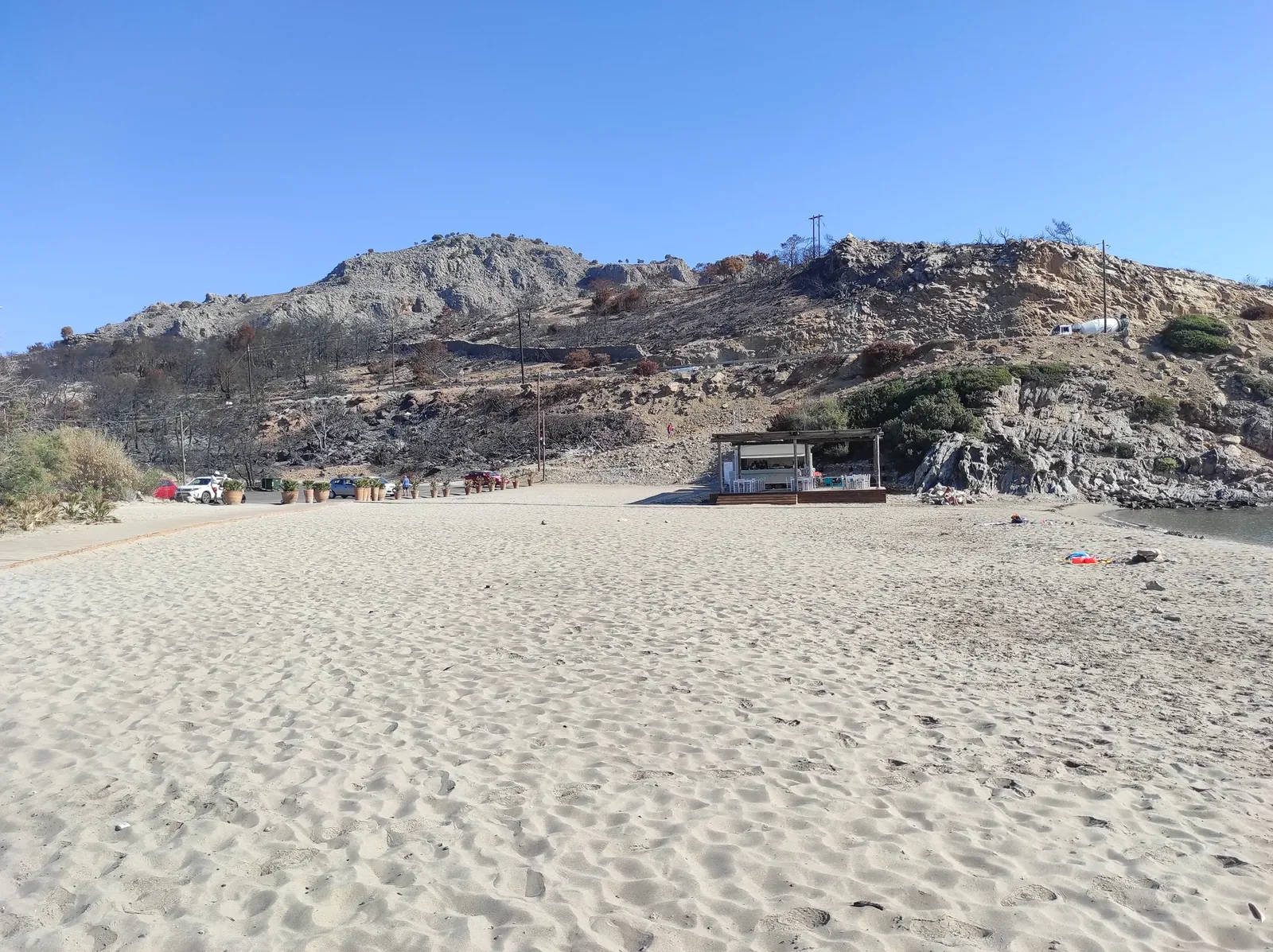
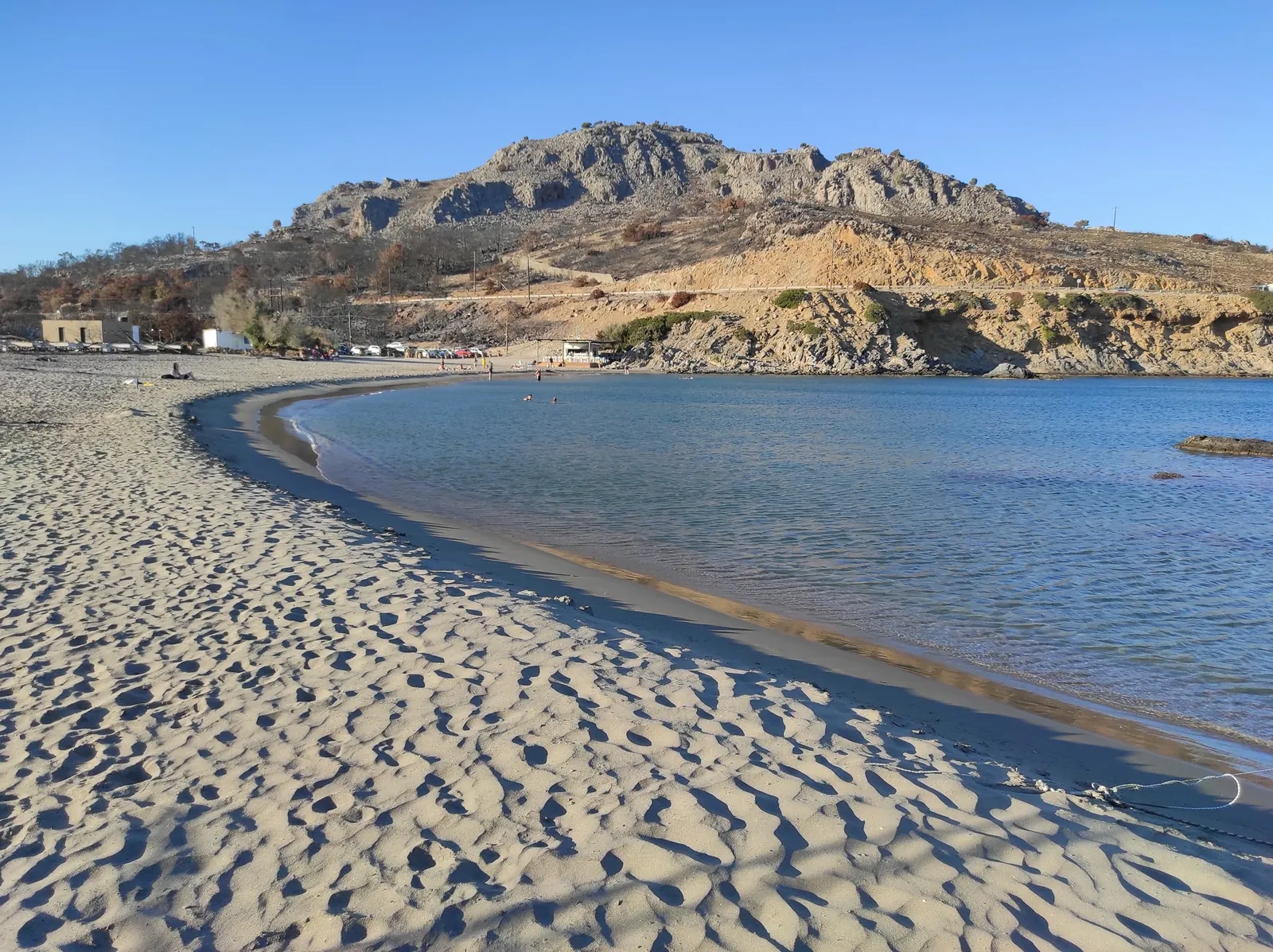
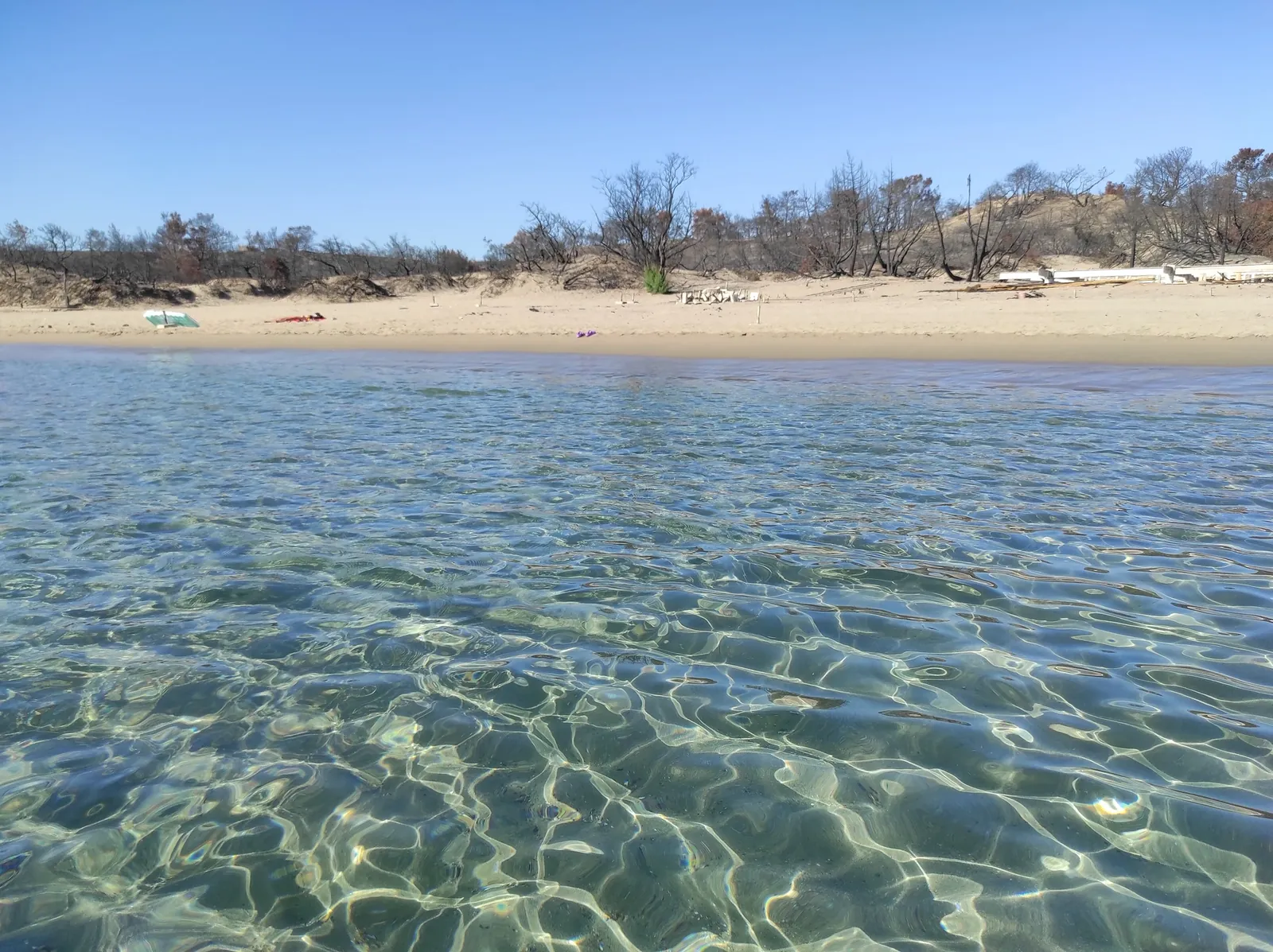
Authentic, unedited photos of Rhodes by residents and visitors, taken on ordinary days rather than chosen by a tourist board. Each one shows when it was taken. Browse photos of all 83 cities →
.jpg)


_-_panoramio.jpg)





.jpg)
The other side
.jpg)
.jpg)
Cost of Living in Rhodes
1-Bedroom Rent
$380-$650/month
Local Restaurant Meal
$8-$14 at local tavernas
Cup of Coffee
$2-$3.50
Estimated Monthly Total
$1,200-$2,000
Want a personalized estimate? Use our cost of living calculator
Healthcare in Rhodes
The General Hospital of Rhodes "Andreas Papandreou" is the referral centre for the entire Dodecanese, which gives Rhodes better hospital provision than its population alone would justify — smaller islands in the group send their patients here. It covers emergency care, general surgery, internal medicine, orthopaedics, and obstetrics across a large modern site. Private clinics and diagnostic centres in Rhodes Town handle routine work, with consultations at $35-$70 and typical private insurance running $1,200-$3,000 per year for a retiree. Complex oncology and advanced cardiac procedures still mean Athens, about an hour by air with multiple daily flights year-round.
Daily Life and Lifestyle in Rhodes
Rhodes Town splits neatly into the medieval walled town and the modern new town, and most retirees settle in the latter or in the suburbs of Ialysos and Kallithea. The new town has a full year-round service economy — supermarkets, banks, clinics, a covered market — which is what distinguishes Rhodes from smaller islands that empty out in November. Mandraki harbour and the long seafront promenade give an easy daily walk, and the town's flat centre suits residents who would rather not deal with hills. Away from town, Lindos is the postcard village with its acropolis above white houses, while the south of the island around Gennadi and Lachania is farming country where prices drop sharply and English is much less common.
Climate and Weather in Rhodes
Rhodes has a hot-summer Mediterranean climate with over 300 days of sunshine and the mildest winters in Greece alongside Crete. Summers (June-September) run 28-34°C, hot but moderated on the west coast by the meltemi wind, which blows reliably through July and August. Winters (December-February) average 12-16°C by day and rarely drop near freezing; rainfall is concentrated between November and February and totals well under half what Corfu receives. Spring and autumn are the best months, at 18-26°C. The south and east of the island are drier and calmer than the windward west coast.
Pros and Cons of Retiring in Rhodes
Pros
- Mildest winters in Greece — daytime highs of 12-16°C in midwinter
- Dodecanese referral hospital, better than the island's size alone would support
- Over 300 sunny days a year
- Large year-round town with full services, not a seasonal resort
- International airport with extensive seasonal European connections
Cons
- Very heavy summer tourism in Rhodes Town and the east coast resorts
- Meltemi winds can blow hard on the west coast through July and August
- Island premium on fuel and imported goods
- Complex medical care still requires flying to Athens
Who Is Rhodes Best For?
Retirees who want the warmest winters in Greece with real year-round town infrastructure and a regional hospital, and who are prepared to share the island with heavy summer tourism.
Where to Live in Rhodes
Rhodes New Town
The modern commercial centre north of the medieval walls, with Mandraki harbour, the covered market, banks, and clinics. One-bedrooms run $450-$750/month. Flat, walkable, and fully functional through the winter — the default choice for retirees.
Ialysos & Kallithea
Coastal suburbs 6-10 km from Rhodes Town with apartment blocks, supermarkets, and beach access. Rents run $400-$650/month. Quieter than the centre with good bus links and quick hospital access.
Southern Rhodes (Gennadi & Lachania)
Farming villages on the quiet southern end of the island, roughly an hour from Rhodes Town. Rents run $300-$500/month. Very calm and much cheaper, but a car is essential and English is far less widely spoken.
Hospitals and Healthcare Facilities in Rhodes
General Hospital of Rhodes "Andreas Papandreou"
The largest medical facility in the Dodecanese, serving roughly 160,000 residents across twelve inhabited islands from a 39-acre site. Emergency department, general surgery, internal medicine, orthopaedics, and obstetrics.
Private clinics, Rhodes Town
Several private diagnostic centres and outpatient clinics in the new town handle routine consultations, imaging, and laboratory work, typically at $35-$70 per visit with little or no waiting.
Facility details may change. Verify accreditation status and services directly with each hospital before making healthcare decisions.
Dining and Food Scene in Rhodes
Rhodian food leans Dodecanese rather than mainland: pitaroudia (chickpea fritters), melekouni (a sesame and honey bar traditionally served at weddings), and plenty of grilled fish. A taverna main runs $8-$14, and the island produces its own wine around Embonas on the slopes of Mount Attavyros.
In Rhodes Town, the tavernas of the medieval quarter are geared to visitors and priced accordingly; the better everyday value is in the new town backstreets and the covered market, where locals eat. Fish is landed daily at Mandraki and Kamiros Skala.
Village tavernas in the south serve full meals with local wine for $10-$15 per person. Weekly groceries for two run $50-$80. As on all Greek islands, staples that arrive by ferry cost more than on the mainland, while local vegetables, olive oil, honey, and citrus are cheap and excellent.
Is Rhodes Right for You?
Take our free 3-minute retirement quiz to see how Rhodes and Greece compare to other destinations based on your preferences, budget, and needs.
Take the Retirement QuizFrequently Asked Questions About Retiring in Rhodes
How mild are winters in Rhodes really?
Rhodes and southern Crete have the mildest winters in Greece. December through February typically run 12-16°C by day and 8-11°C at night, with frost effectively unknown at sea level. Rain falls mainly between November and February. It is warm enough to eat outside on many winter days, but not warm enough to swim — the sea drops to about 16-17°C by February.
Is Rhodes overrun with tourists?
In the summer, parts of it are. Rhodes Town's medieval quarter, Faliraki, and the east coast resorts are extremely busy from June to September. The interior and the southern third of the island — Gennadi, Lachania, Mesanagros — stay quiet all year, and prices there are substantially lower. Most retirees who settle long-term choose the new town, Ialysos, or the south rather than the resort strip.
Does Rhodes have year-round flights?
Yes to Athens, which runs year-round with multiple daily services, giving reliable access to mainland hospitals. Direct European flights are largely seasonal and concentrated between April and October, so winter travel to northern Europe usually means connecting through Athens. This is the main practical difference between Rhodes and a mainland base like Thessaloniki or Kalamata.
Sources & References
- General Hospital of Rhodes "Andreas Papandreou" — Facility scale, catchment population, and departmental services across the Dodecanese
- Rhodes International Airport (Diagoras) — Route network, seasonal European services, and year-round domestic connections
- Hellenic National Meteorological Service — Temperature, sunshine, and rainfall normals for Rhodes
- Hellenic Ministry of Migration and Asylum — Residence permit requirements and procedures for non-EU retirees in Greece