
City Retirement Guide
Retire in Kalamata, Greece
Mainland seafront city with a modern grid, a general hospital, and the lowest costs in Greece
Kalamata at a Glance
- Elevation & setting
- City at sea level on the Messenian Gulf; Taygetus range behind, Profitis Ilias 2,404 m; ~37.0°N
- Annual temperature
- Jan avg ~11°C / Jul avg ~28°C; hot-summer Mediterranean (Köppen Csa)
- Nearest international airport
- Kalamata International (KLX), ~10 km west; mainly seasonal. Athens ~2.5 h by A7 motorway for year-round flights
- Nearest major hospital
- General Hospital of Kalamata, in the city
- Primary retirement visa
- Greece FIP (Financially Independent Person) visa; 2026 minimum ~€3,500/month income
- Language environment
- Greek official; English limited outside tourism and private medical services — basic Greek makes a real difference
Kalamata was rebuilt on a grid after the 1986 earthquake, which is why it has flat, wide, walkable streets — unusual in Greece and a genuine practical advantage for older residents.
Overview of Kalamata for Retirees
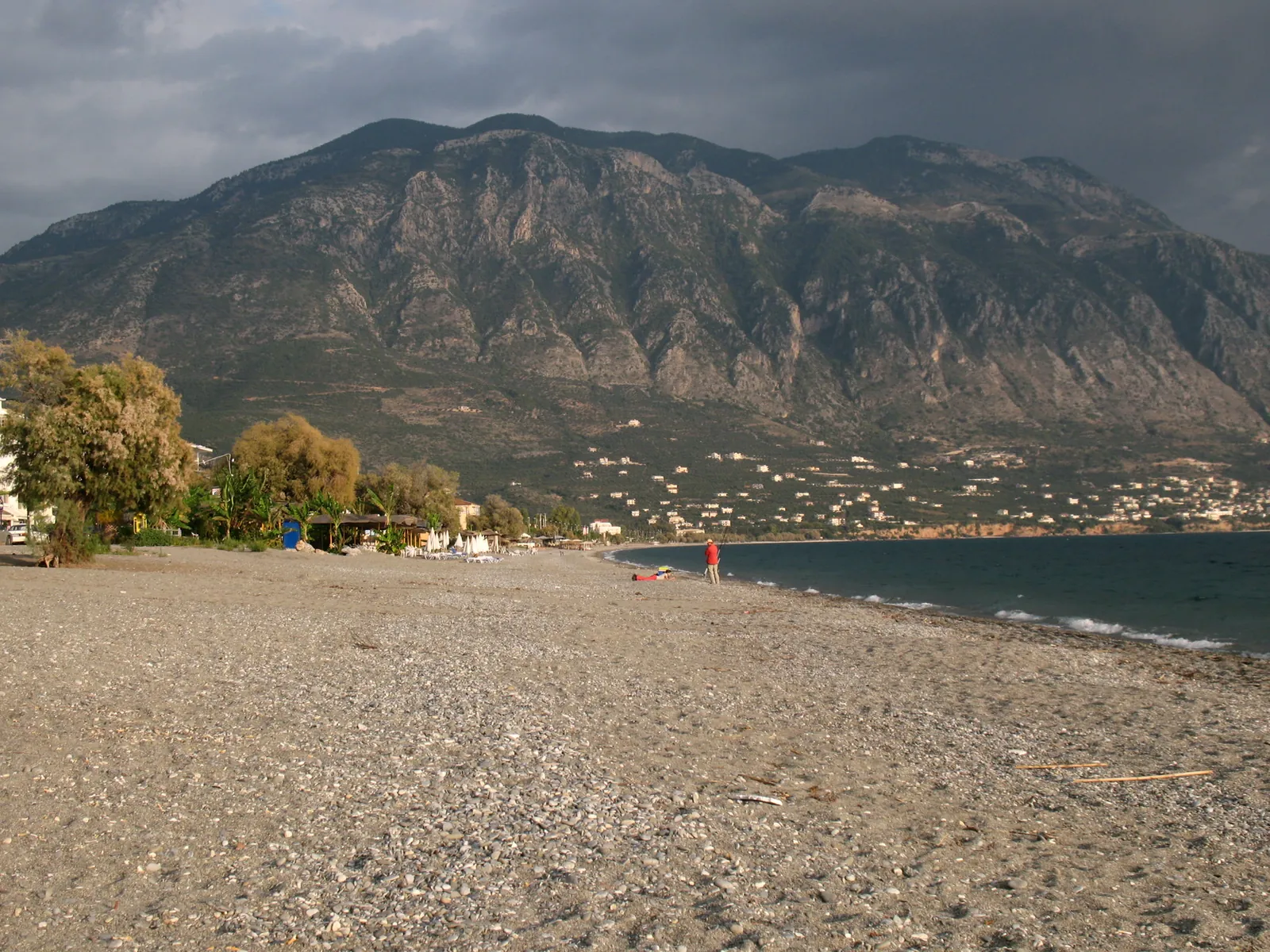
Kalamata sits at the head of the Messenian Gulf in the southern Peloponnese at roughly 37.0°N, the second-largest city in the Peloponnese, with the Taygetus range rising steeply behind it to Profitis Ilias at 2,404 metres. The city was largely rebuilt after the 1986 earthquake, which is why it has something unusual for Greece: wide streets, modern buildings, and a genuinely accessible flat centre — a practical advantage that matters more with age than charm does.
The General Hospital of Kalamata gives the city healthcare provision that towns at a similar price point rarely match, and being on the mainland means Athens is about two and a half hours by car on the A7 motorway rather than a flight. Kalamata International Airport (KLX) lies roughly 10 kilometres west of the city and handles mostly seasonal summer services.
Kalamata is among the cheapest places in Greece with real infrastructure. One-bedroom apartments start around €300 and typically run €400-€600, and a couple can live comfortably on €1,200-€1,500 a month including rent. The city is best known for its olives and olive oil, and the surrounding Messenia region is one of the most productive agricultural areas in Greece.
What Kalamata actually looks like
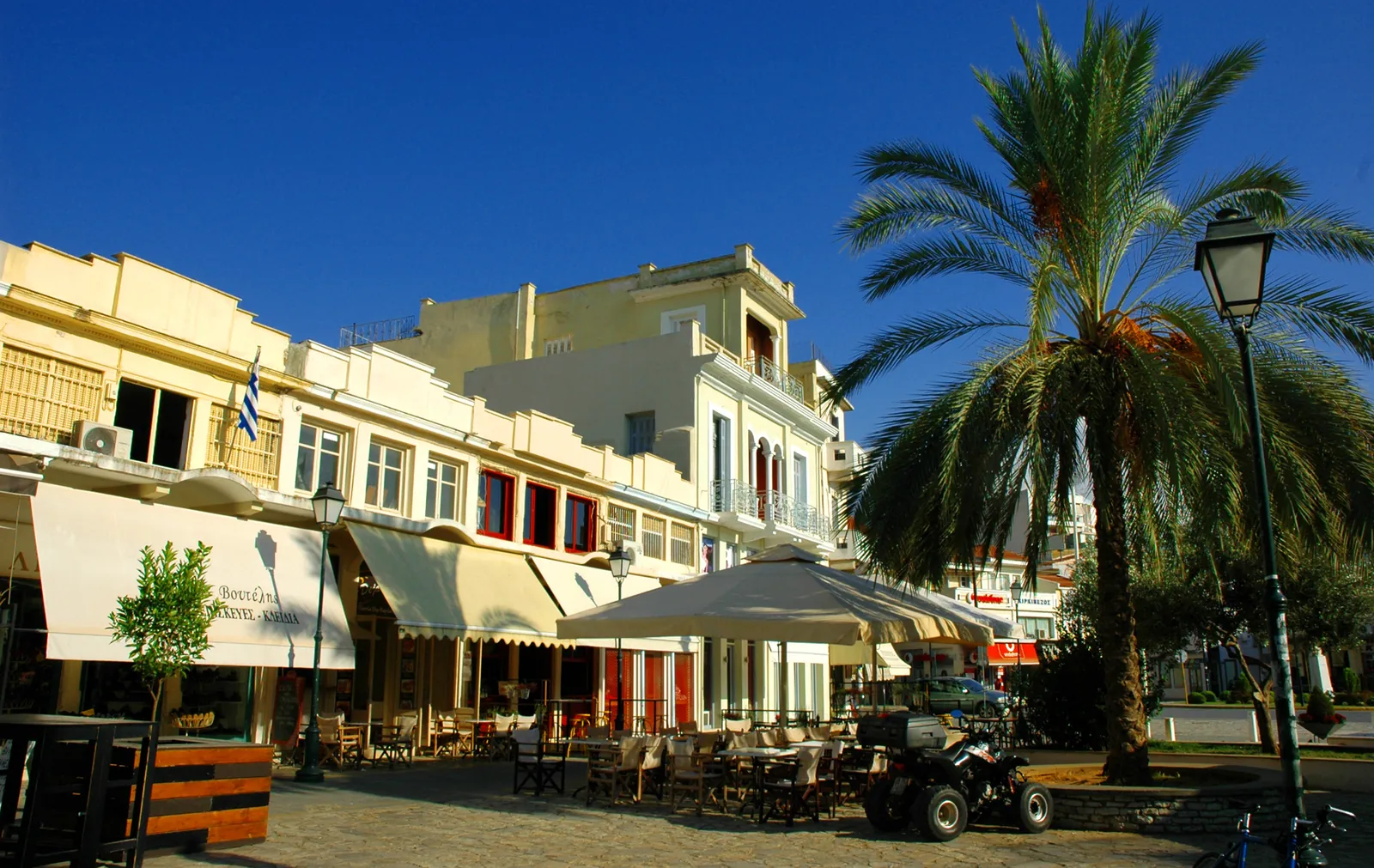
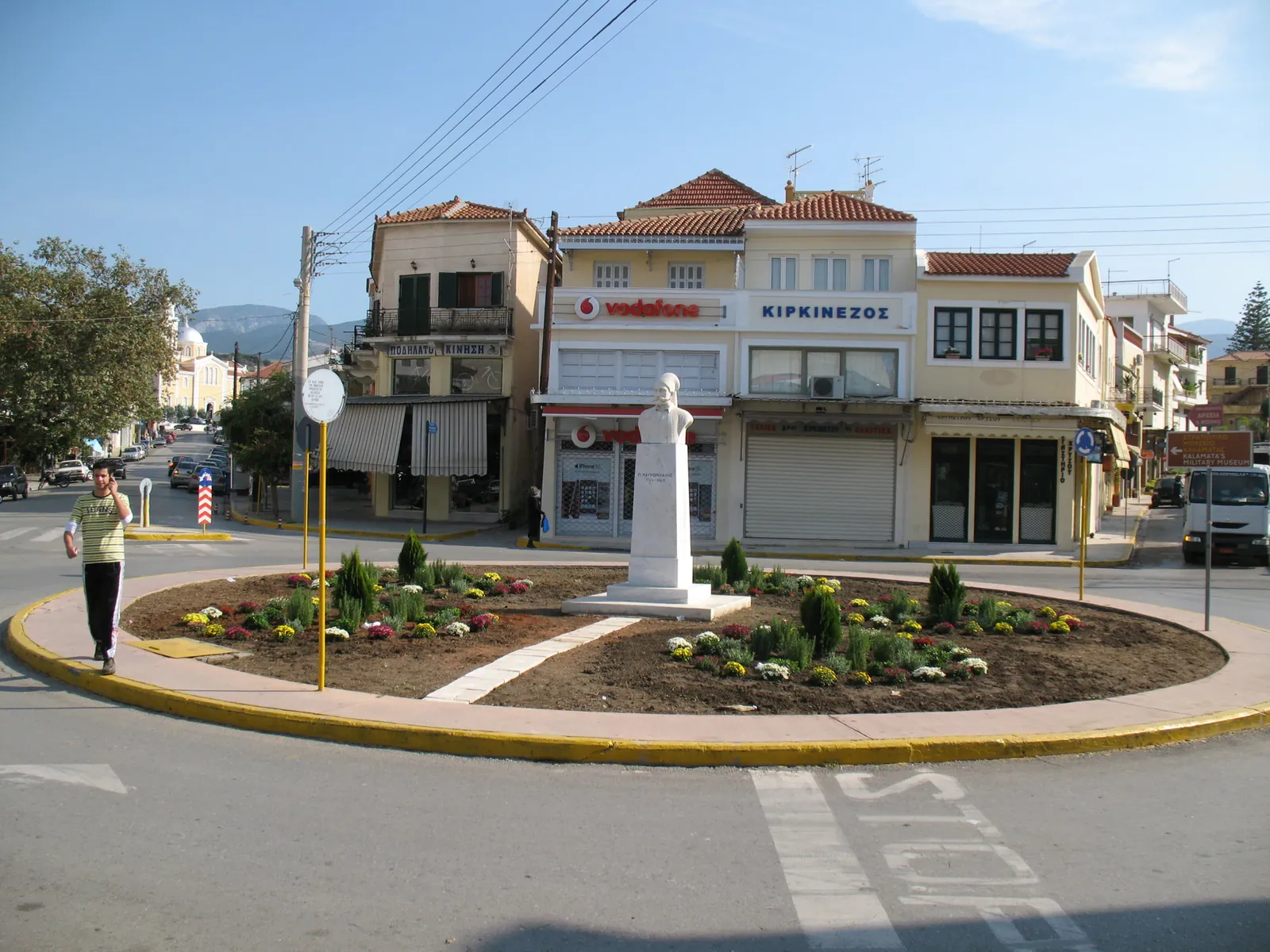
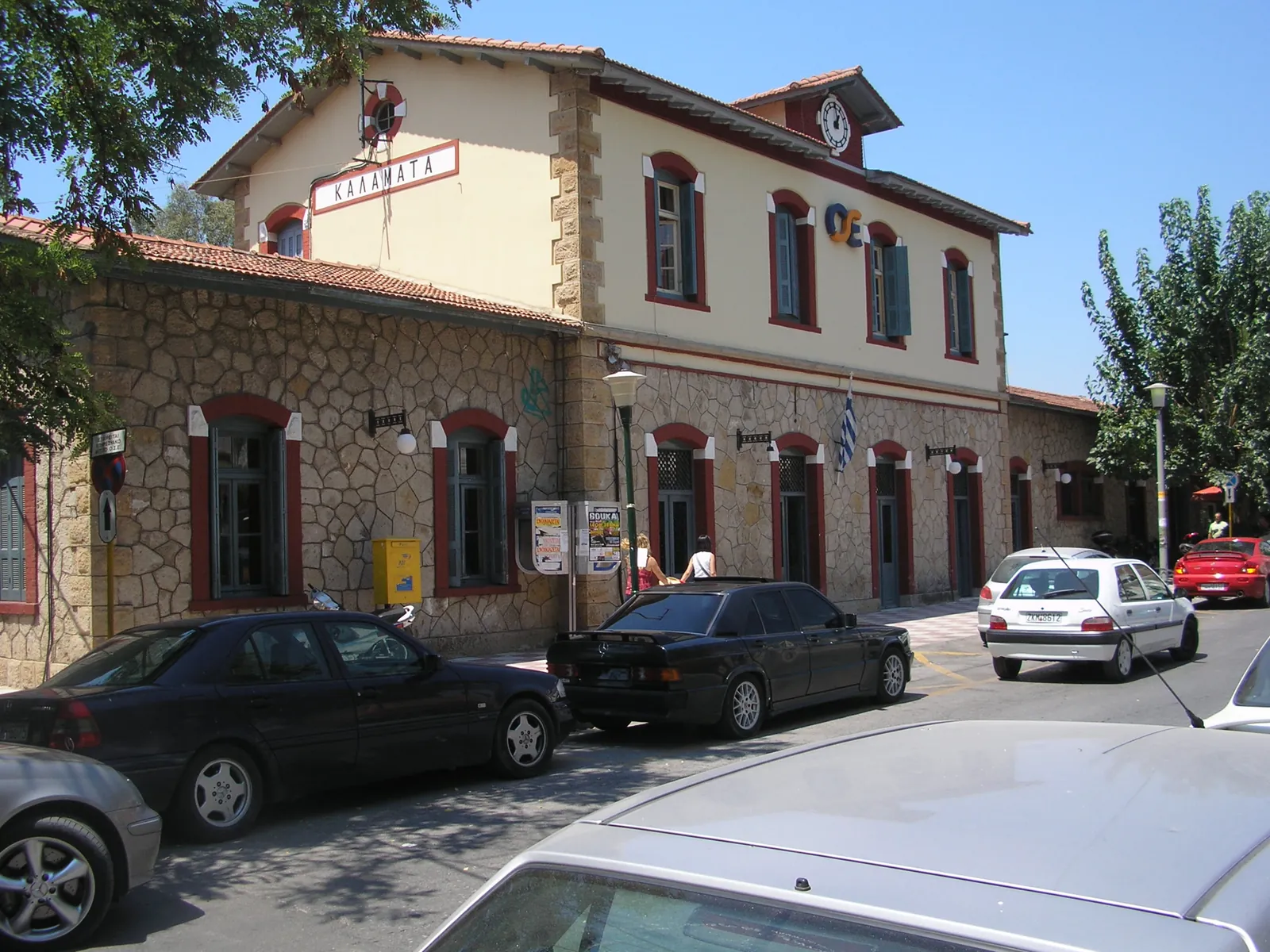
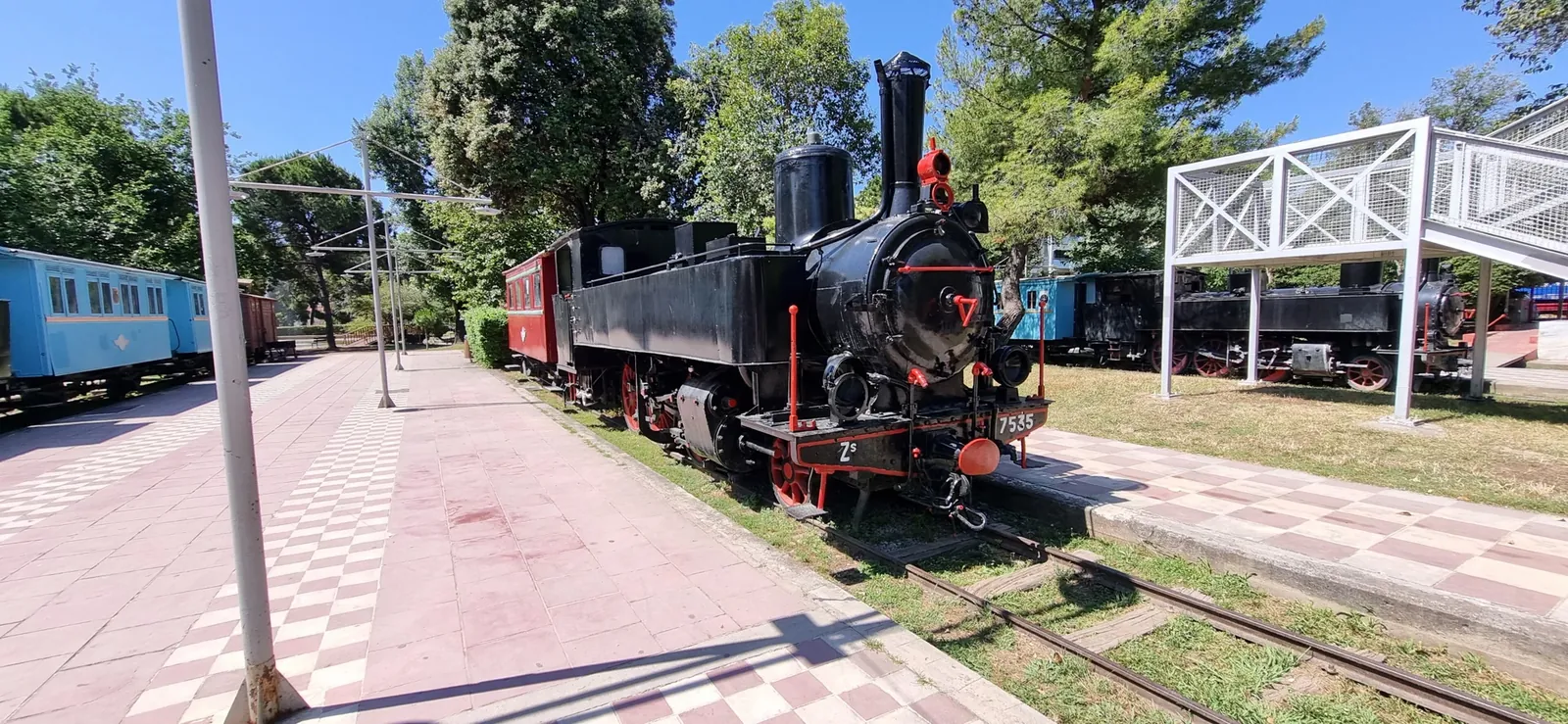
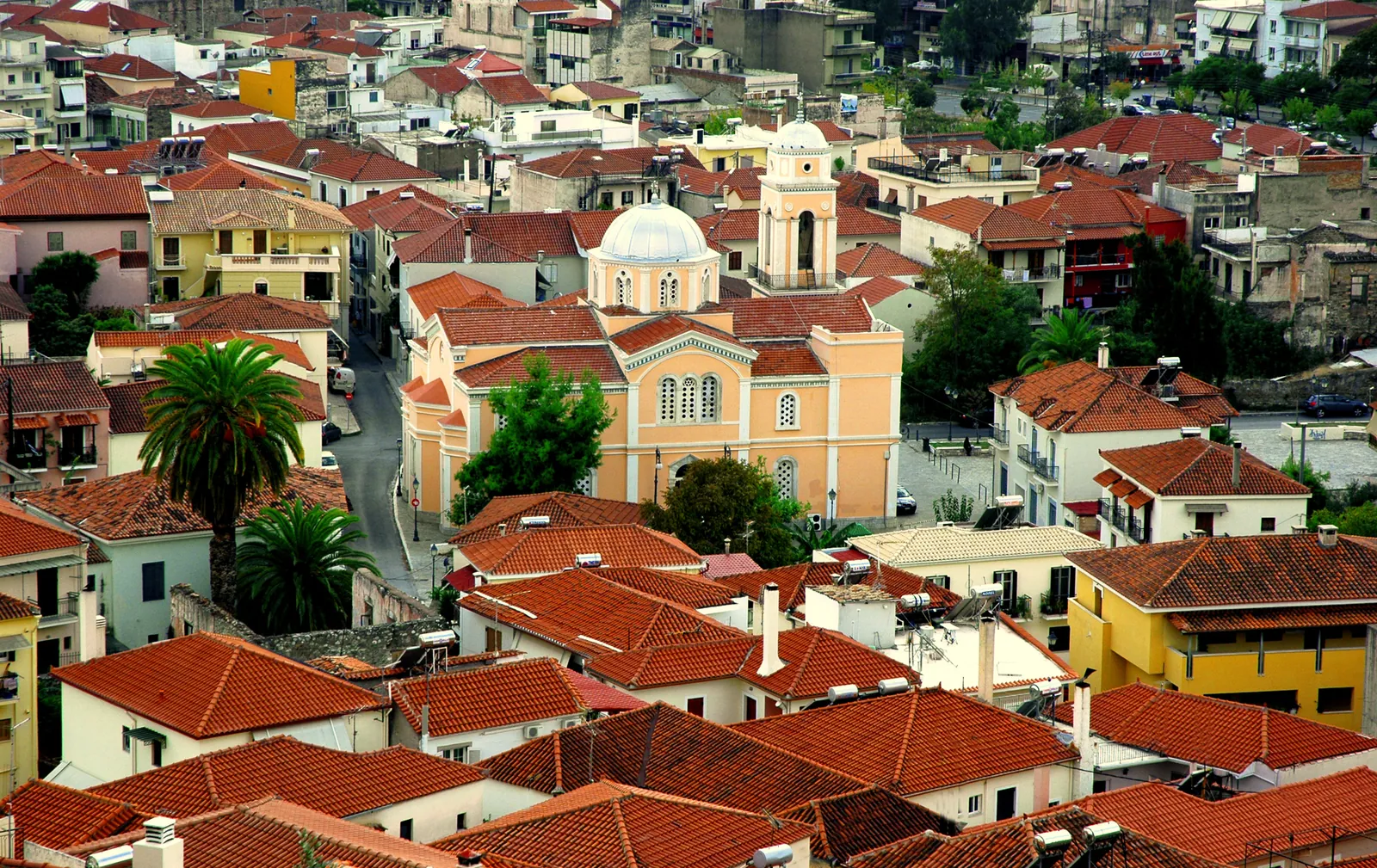
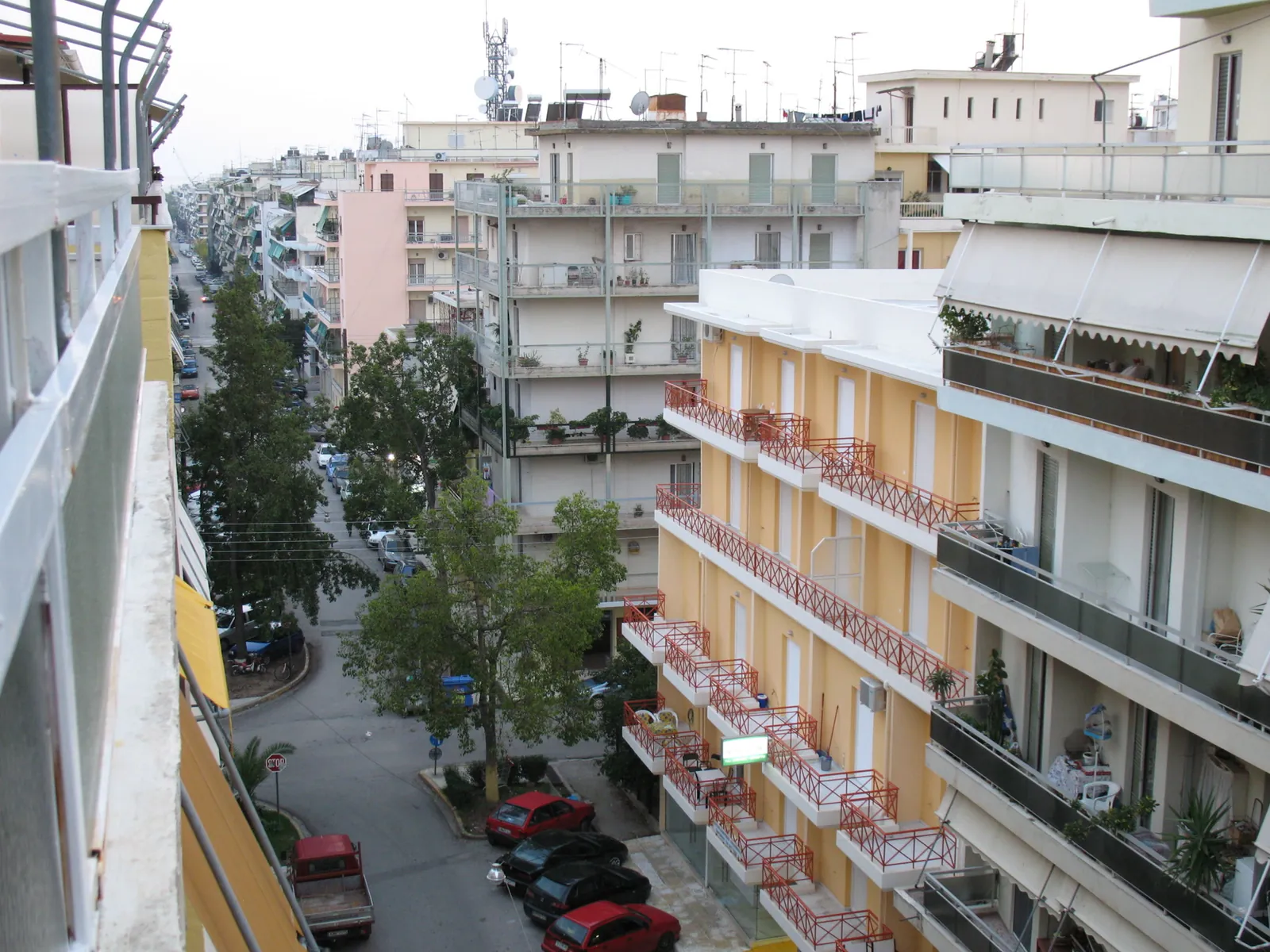
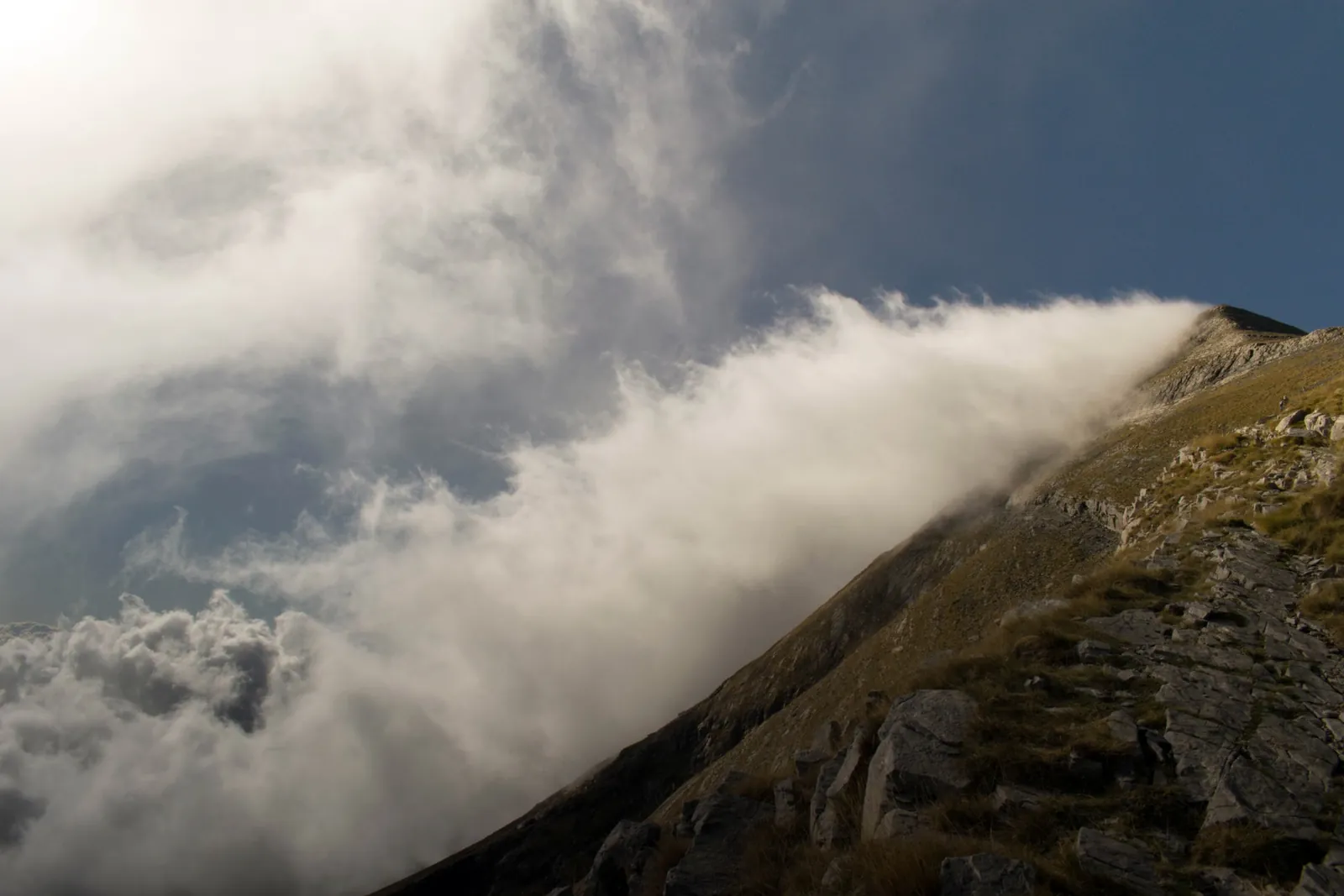
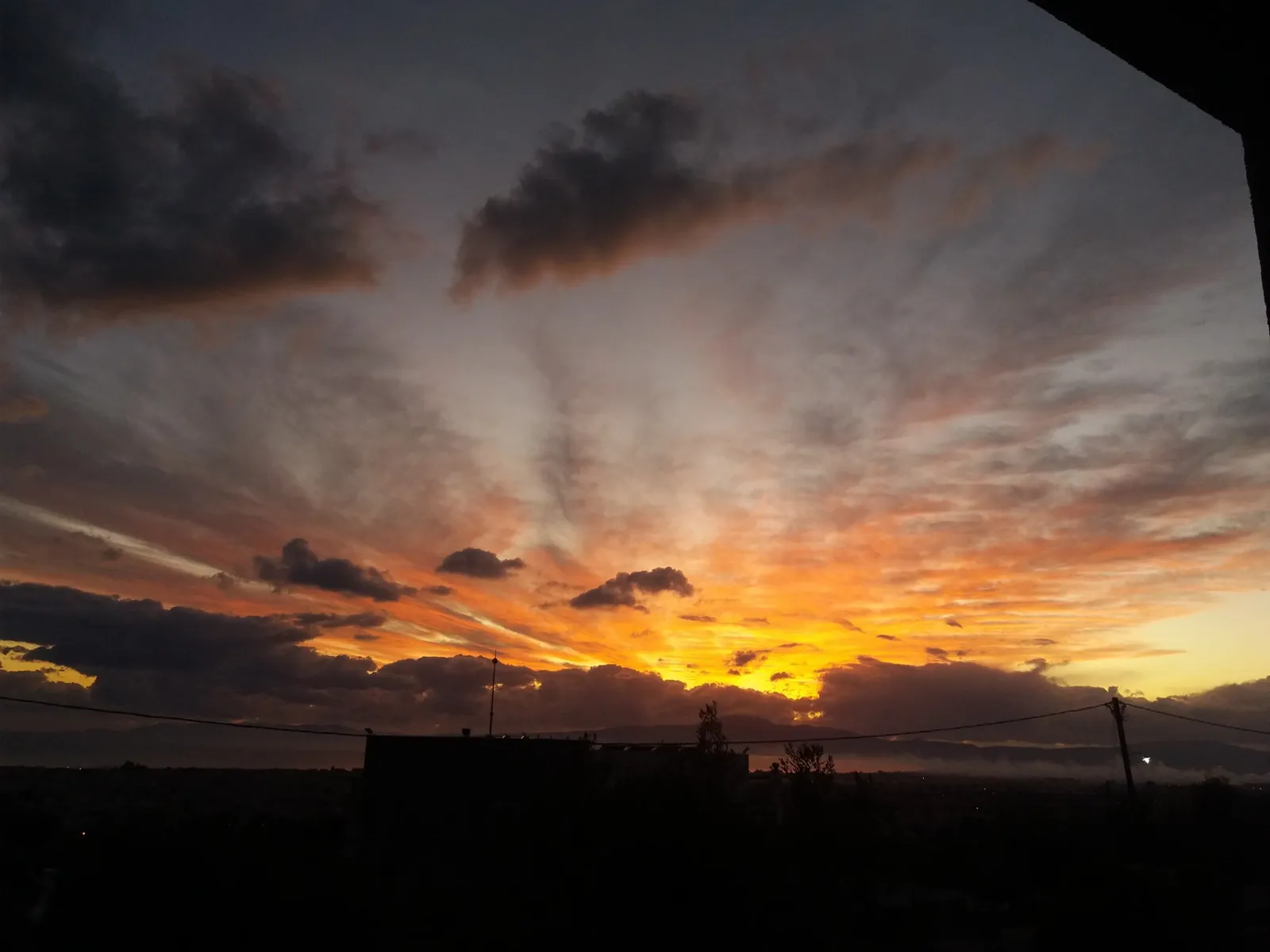
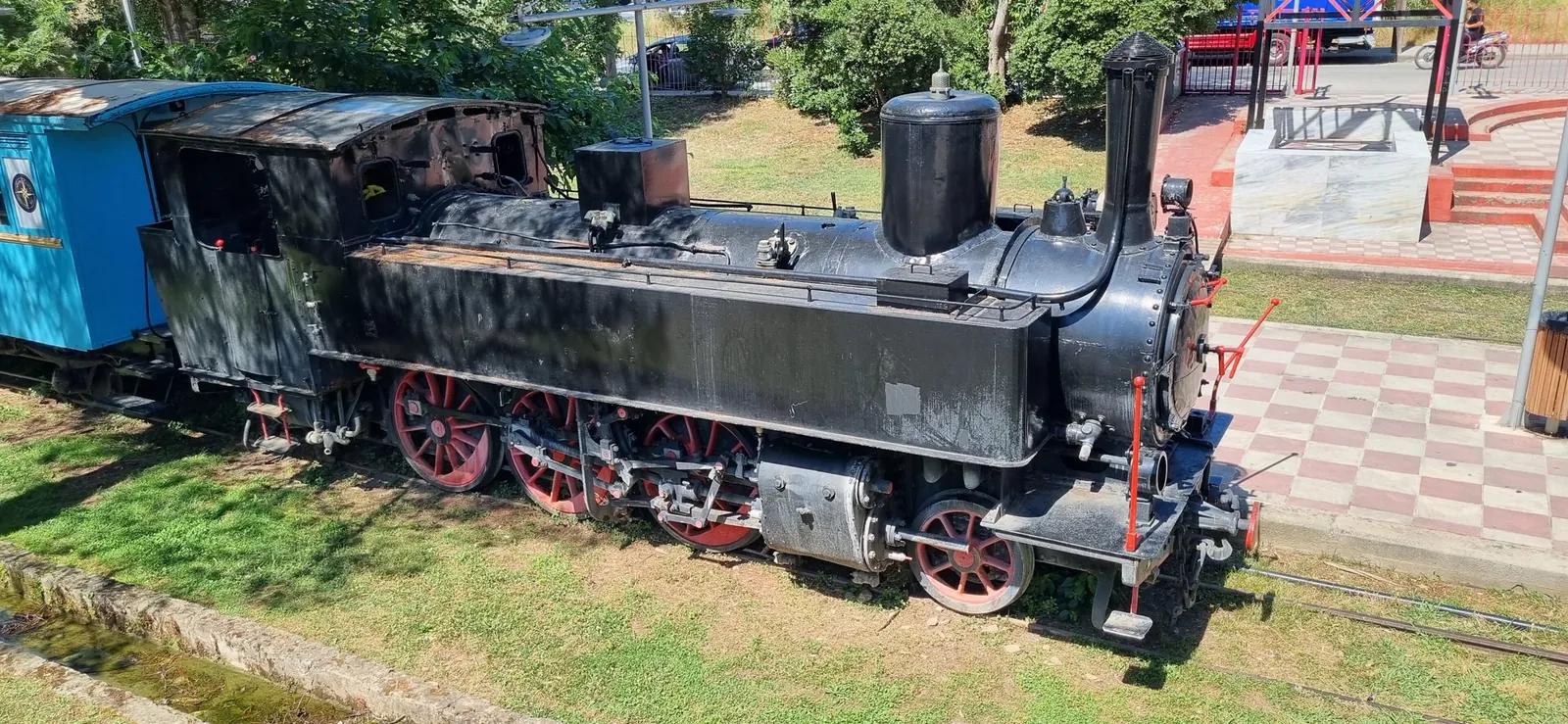
Authentic, unedited photos of Kalamata by residents and visitors, taken on ordinary days rather than chosen by a tourist board. Each one shows when it was taken. Browse photos of all 83 cities →


Cost of Living in Kalamata
1-Bedroom Rent
$330-$600/month
Local Restaurant Meal
$7-$12 at local tavernas
Cup of Coffee
$1.50-$3
Estimated Monthly Total
$1,100-$1,900
Want a personalized estimate? Use our cost of living calculator
Healthcare in Kalamata
The General Hospital of Kalamata serves Messenia and the wider southern Peloponnese, covering emergency care, general surgery, internal medicine, cardiology, and orthopaedics. Its real advantage is not scale but road access: Athens and its major hospitals are about two and a half hours away by motorway, so a transfer for complex care does not depend on flight or ferry schedules the way it does from Crete, Corfu, or Rhodes. Private clinics in the city handle routine consultations at $30-$60, usually with same-week appointments. Most international retirees carry private insurance at $1,200-$3,000 per year for faster specialist access. Pharmacies are well distributed through the flat city centre.
Daily Life and Lifestyle in Kalamata
Kalamata is a working Greek city rather than a resort, and daily life reflects that. The three-kilometre seafront promenade along Navarinou is the social spine of the city, busy with walkers from early evening, and the marina and beach sit directly at the end of the main avenue. The rebuilt centre is flat and laid out on a grid, so shops, the market, banks, and the hospital are all reachable on foot or by short bus ride. The historic quarter around the castle survived the earthquake and holds the older tavernas and the Sunday market. Beyond the city, Messenia offers the Mani peninsula, Ancient Messene, and the beach at Voidokilia, and the Taygetus mountains give serious walking within half an hour of the seafront. English is less widely spoken than on the tourist islands — this is a place where learning some Greek genuinely changes daily life.
Climate and Weather in Kalamata
Kalamata has a hot-summer Mediterranean climate, sheltered from the north by the Taygetus range. Summers (June-September) are hot and dry at 30-36°C, among the warmer figures on the Greek mainland, though the sea breeze off the Messenian Gulf takes the edge off the evenings. Winters (December-February) are mild and wet at 8-15°C, with rain concentrated between November and March and frost rare at sea level. Spring and autumn are long and pleasant at 18-27°C. Snow falls on the Taygetus peaks above the city most winters and is visible from the seafront, but essentially never settles in the city itself.
Pros and Cons of Retiring in Kalamata
Pros
- Among the lowest costs in Greece for a city with a real general hospital
- Flat, modern, walkable centre — rebuilt on a grid after the 1986 earthquake
- Mainland location: Athens is 2.5 hours by motorway, no flight or ferry needed
- Three-kilometre seafront promenade with beach and marina in the city
- Mountains, ancient sites, and the Mani peninsula all within easy reach
Cons
- Much less English spoken than on the tourist islands
- Airport handles mainly seasonal summer flights
- Summers are hot, regularly 30-36°C in July and August
- Smaller international community than Athens, Crete, or Corfu
Who Is Kalamata Best For?
Retirees who want the lowest realistic costs in Greece without giving up hospital access, prefer a flat walkable city to a hill village, and are willing to learn some Greek in exchange for living somewhere that is not built around tourism.
Where to Live in Kalamata
City centre (Aristomenous & the grid)
The rebuilt commercial core running inland from the seafront, flat and laid out on a grid. One-bedrooms run $350-$600/month. Shops, banks, the market, and bus links all within walking distance — the most practical base for car-free living.
Paralia (seafront)
The beach and marina district at the end of Navarinou, with the promenade and most of the city's cafés and restaurants. Rents run $400-$700/month. Popular with retirees who want a daily sea walk and evening social life on the doorstep.
Old Town & Castle quarter
The pre-earthquake historic quarter beneath the Frankish castle, with narrow streets, the Sunday market, and traditional tavernas. Rents run $300-$550/month. More character and lower prices, but steeper streets and older buildings.
Hospitals and Healthcare Facilities in Kalamata
General Hospital of Kalamata
The main public hospital for Messenia and the southern Peloponnese. Emergency department plus general surgery, internal medicine, cardiology, and orthopaedics. Complex cases are referred to Athens, roughly 2.5 hours away by motorway.
Private clinics, Kalamata
Several private diagnostic and outpatient clinics in the city centre offer consultations at $30-$60, generally with same-week availability and shorter waits than the public system.
Facility details may change. Verify accreditation status and services directly with each hospital before making healthcare decisions.
Dining and Food Scene in Kalamata
Messenian cooking is built on the region's own produce: Kalamata olives and olive oil, figs, citrus, and lalagia (fried dough strips traditionally made at Christmas). A taverna main runs $7-$12, among the cheapest in Greece for a city of this size.
The Sunday market in the old town is the local institution, selling Messenian oil, honey, cheese, and vegetables at farm prices. Along the seafront, fish tavernas serve the day's catch from the Messenian Gulf, generally $12-$20 for a fish plate. The cafés along Navarinou fill from early evening and are where most of the city's social life happens.
Weekly groceries for two run $45-$70 — noticeably below the islands, because Kalamata sits in one of the most productive agricultural regions in Greece and almost nothing has to arrive by ferry. Olive oil in particular is bought locally by the tin and costs a fraction of retail prices elsewhere in Europe.
Is Kalamata Right for You?
Take our free 3-minute retirement quiz to see how Kalamata and Greece compare to other destinations based on your preferences, budget, and needs.
Take the Retirement QuizFrequently Asked Questions About Retiring in Kalamata
Why is Kalamata cheaper than the Greek islands?
Two reasons. It is on the mainland, so goods arrive by road rather than ferry, which removes the island premium on fuel and groceries. And it is not a mass tourism destination, so rents are set by local demand rather than by holiday lets. One-bedroom apartments start around €300 and typically run €400-€600, against €450-€750 on Corfu. The trade-off is a smaller international community and less English.
Is the airport useful for getting back to northern Europe?
Only in summer. Kalamata International Airport handles mostly seasonal services between roughly April and October. Outside that window, most residents drive or take the bus to Athens — about two and a half hours on the A7 motorway — and fly from there. For a retiree who values year-round flight access above all else, Athens or Thessaloniki is a better base.
How good is the hospital in Kalamata?
The General Hospital of Kalamata covers emergency care, surgery, internal medicine, cardiology, and orthopaedics for the southern Peloponnese. It is a regional hospital, not a teaching hospital, so complex oncology or advanced cardiac work is referred to Athens. The key practical advantage over an island is that referral means a two-and-a-half-hour drive on a motorway, available at any hour, rather than waiting for a flight or a ferry.
Sources & References
- General Hospital of Kalamata — Departments, emergency provision, and referral pathways for Messenia
- Kalamata International Airport (KLX) — Seasonal route network and operating pattern
- Hellenic Statistical Authority — Population, housing, and regional cost data for Messenia
- Hellenic Ministry of Migration and Asylum — Residence permit requirements and procedures for non-EU retirees in Greece