
City Retirement Guide
Retire in Toulouse, France
The pink city — one of France's largest university hospitals, at well under Riviera prices
Toulouse at a Glance
- Elevation & setting
- ~146 m on the Garonne, south-western France; Pyrenees ~90 minutes south; ~43.6°N
- Annual temperature
- 3-11°C December-February, 26-33°C June-September; transitional oceanic-Mediterranean, ~650 mm rain
- Nearest international airport
- Toulouse-Blagnac (TLS), ~8 km north-west, connected by tram
- Nearest major hospital
- CHU de Toulouse (Purpan and Rangueil sites), in the city
- Primary retirement visa
- France long-stay visitor visa (VLS-TS); 2026 minimum ~€1,450/month, roughly net SMIC
- Language environment
- French; English limited outside the university and aerospace sectors — functional French is close to essential
Toulouse is built in pink terracotta brick rather than stone because the Garonne valley had clay and no quarries — which is why the whole city glows at sunset and is called la ville rose.
Overview of Toulouse for Retirees
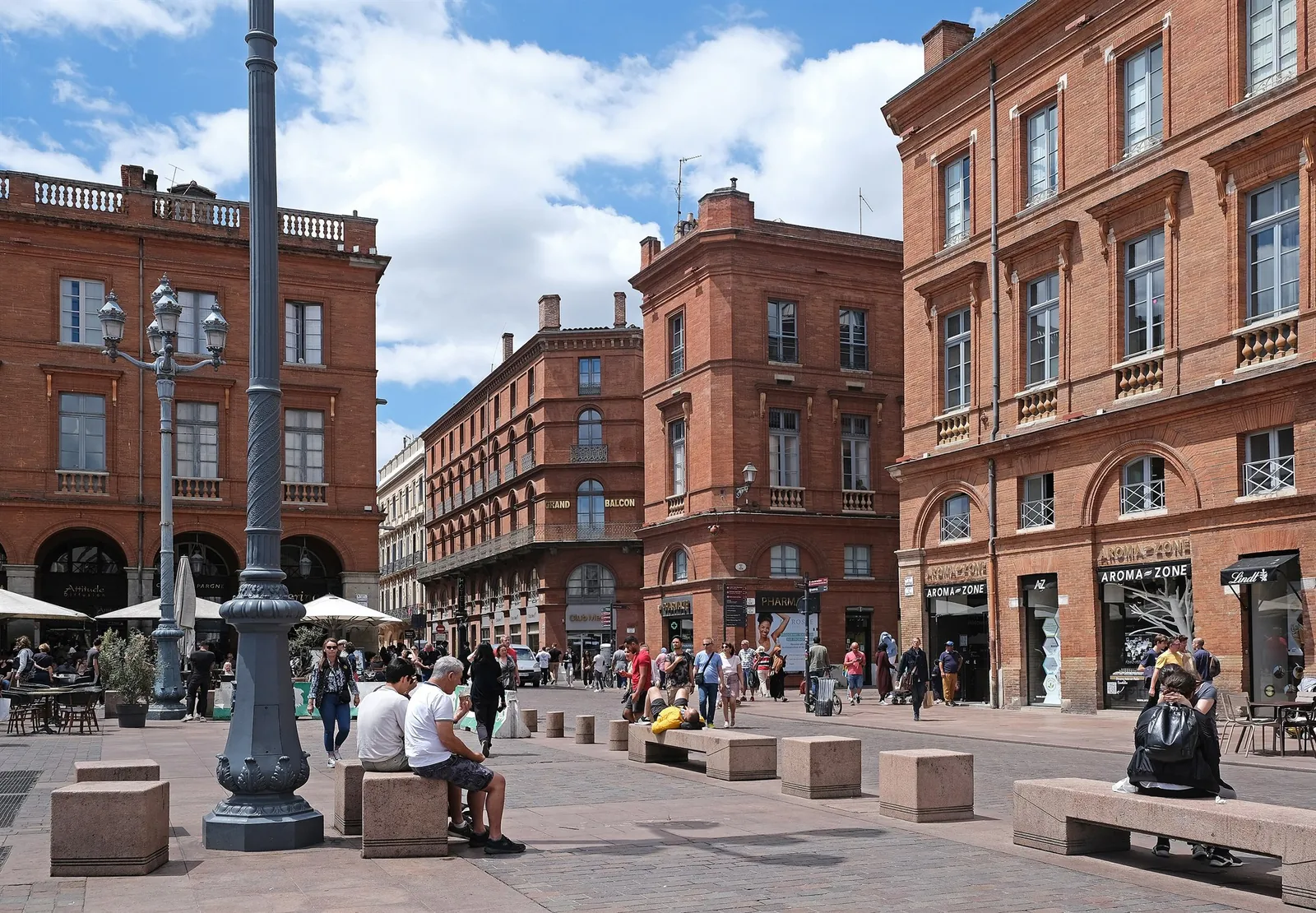
Toulouse sits on the Garonne in south-western France at about 43.6°N and 146 metres, roughly midway between the Atlantic and the Mediterranean and an hour from the Pyrenees. It is built in pink terracotta brick rather than stone, which gives it its name — la ville rose — and a warmth that survives grey weather.
For retirees the practical case rests on healthcare and value. The CHU de Toulouse is one of the largest university hospital groups in France, with the Purpan and Rangueil sites covering the full range of tertiary specialties for the whole south-west. And Toulouse costs substantially less than Nice or Paris: this is a working city built on aerospace — Airbus is headquartered here — rather than a resort or a capital.
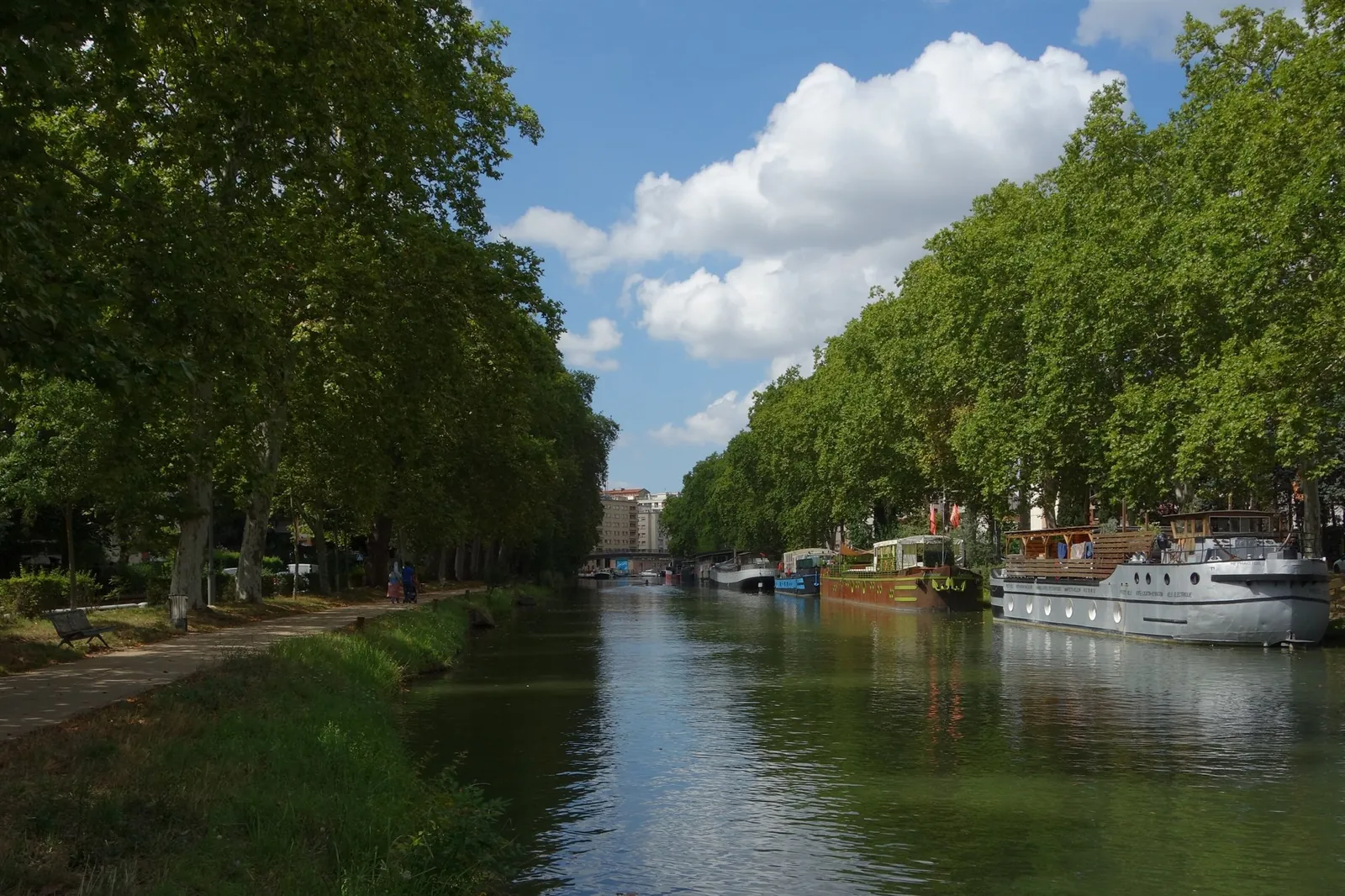
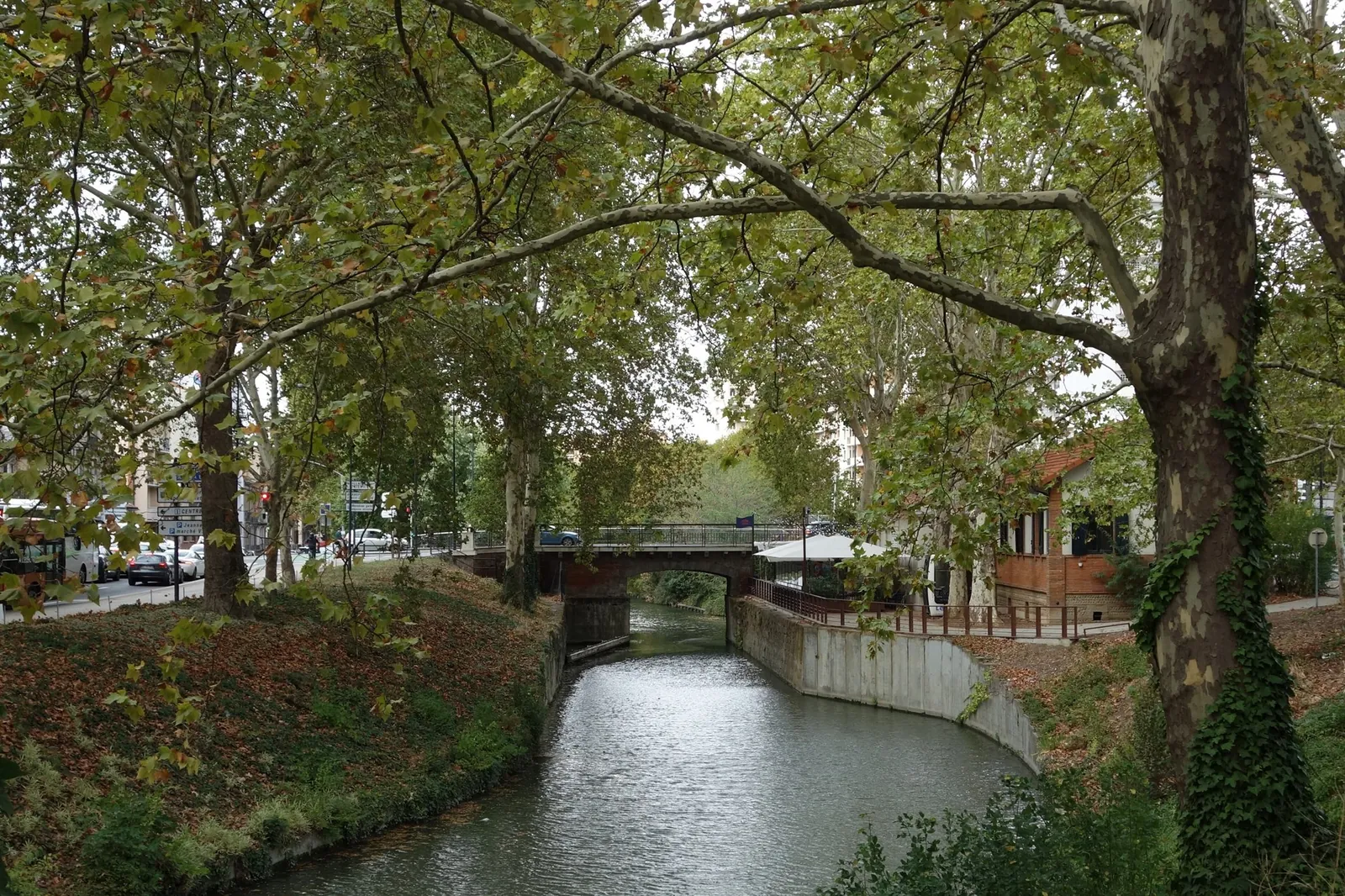
The city is compact for its size, with a walkable brick-built centre around the Capitole, the Canal du Midi running through it, and a metro that makes car-free living practical. What it does not have is a coast, a large international retiree community, or the Mediterranean climate of the south-east — Toulouse is Atlantic-influenced, with real rain.
What Toulouse actually looks like
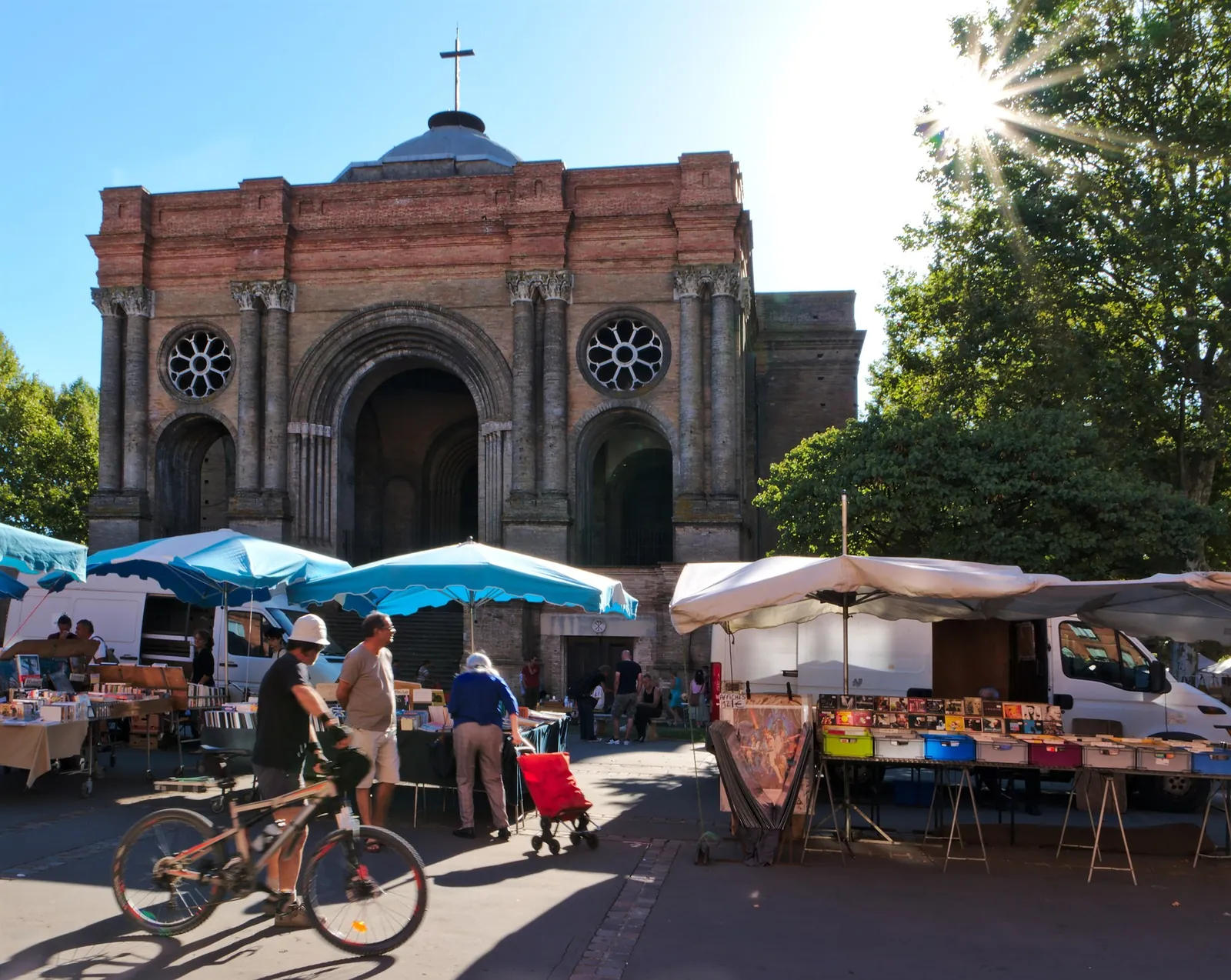
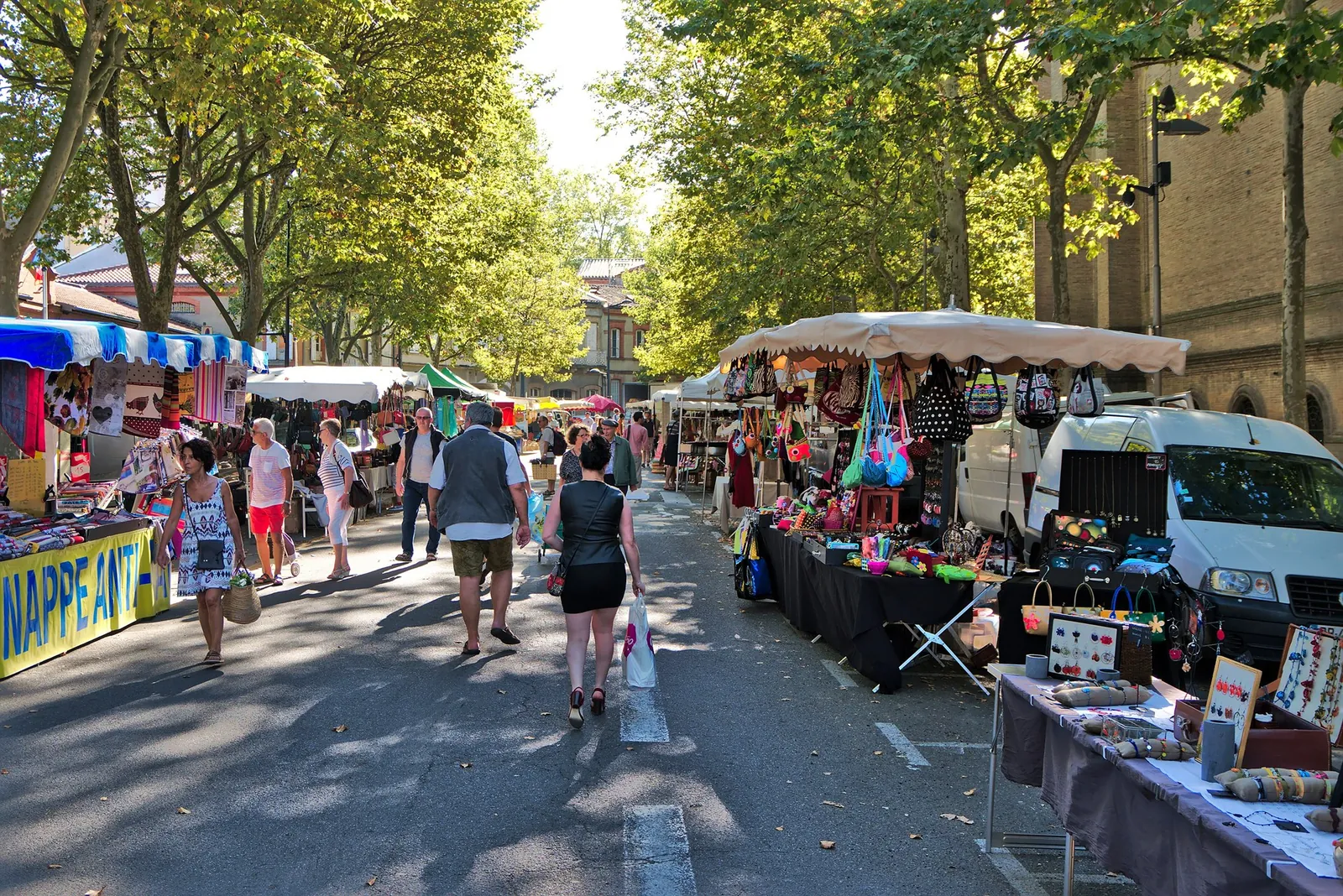
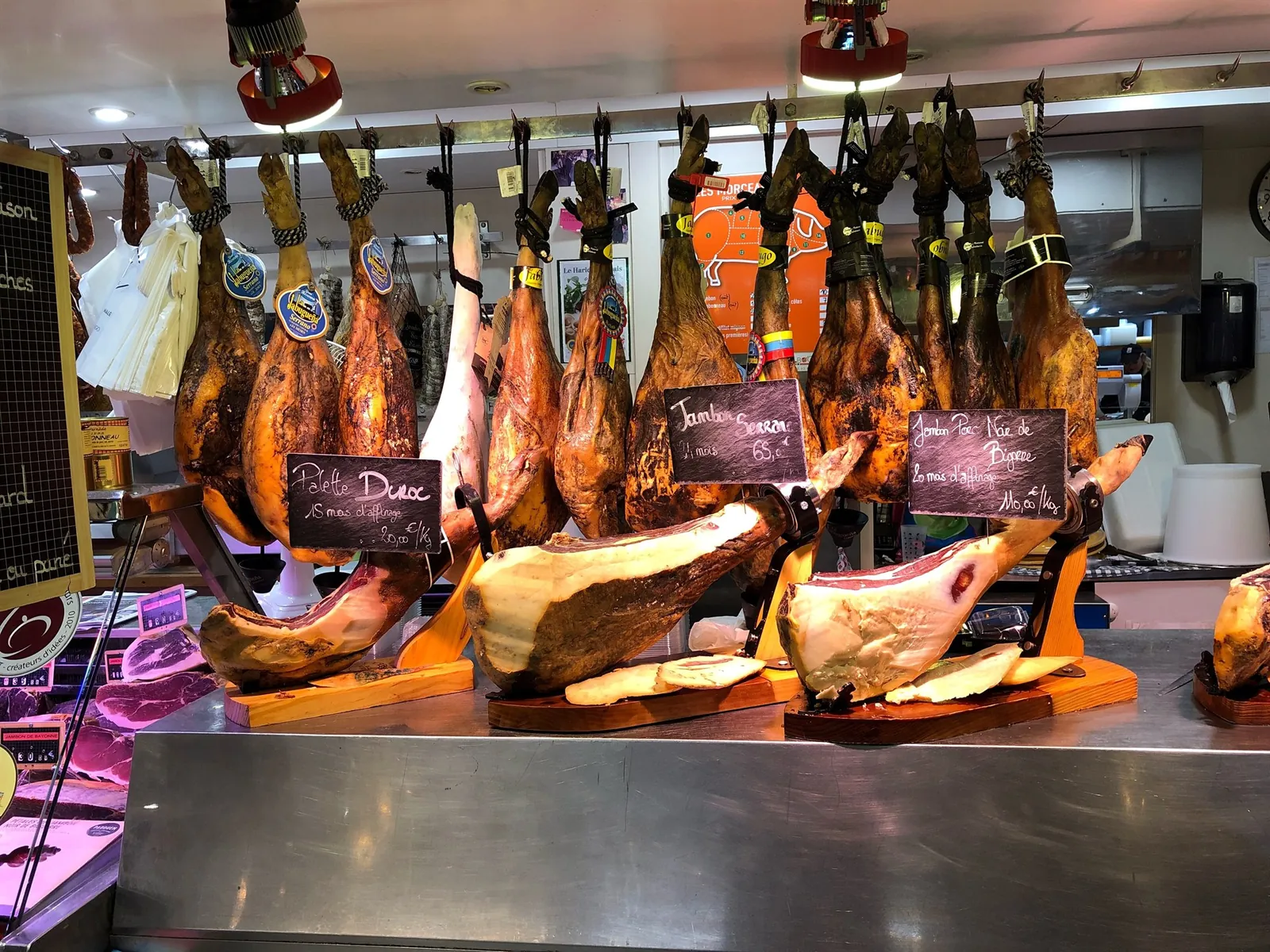
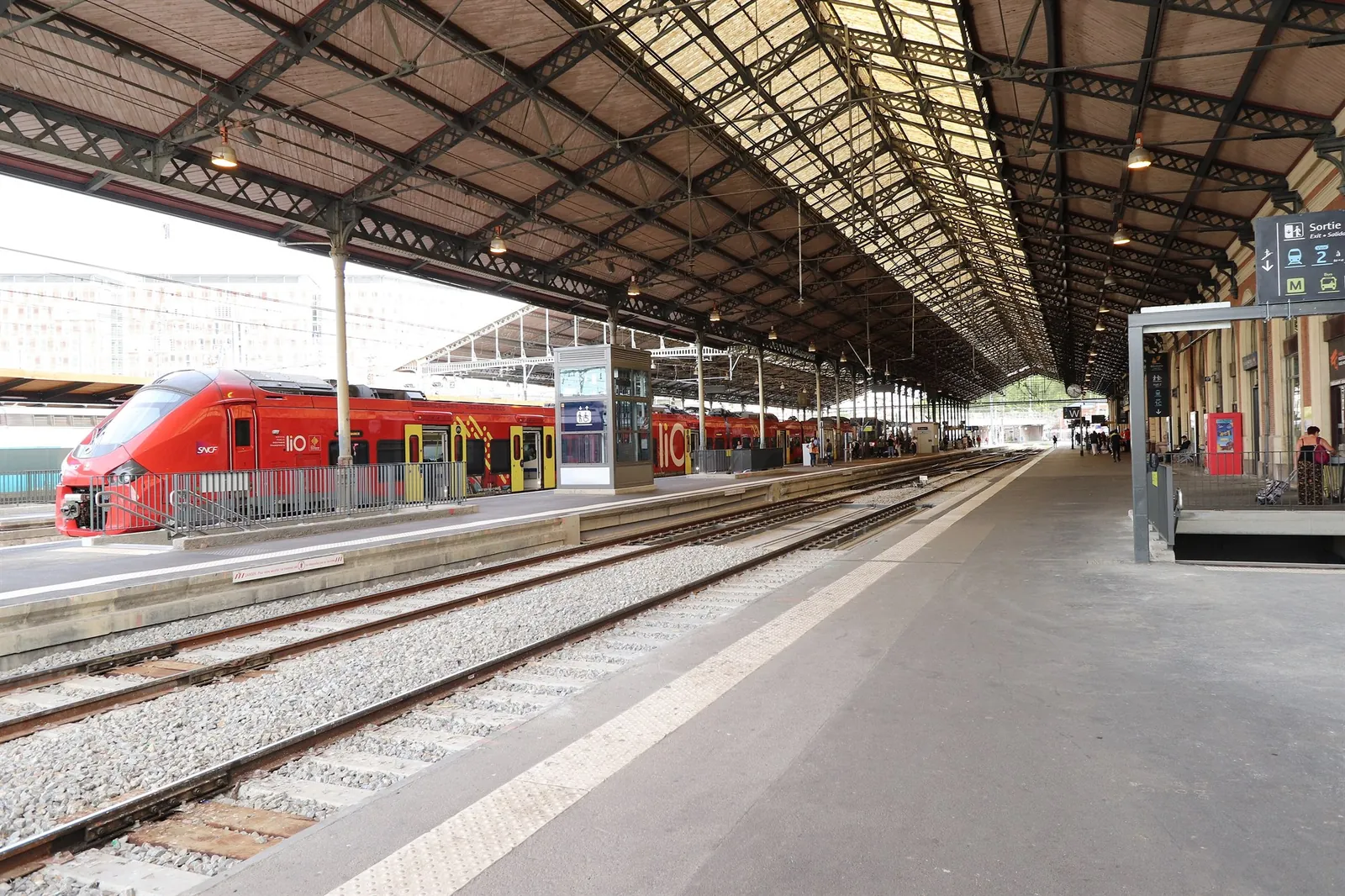
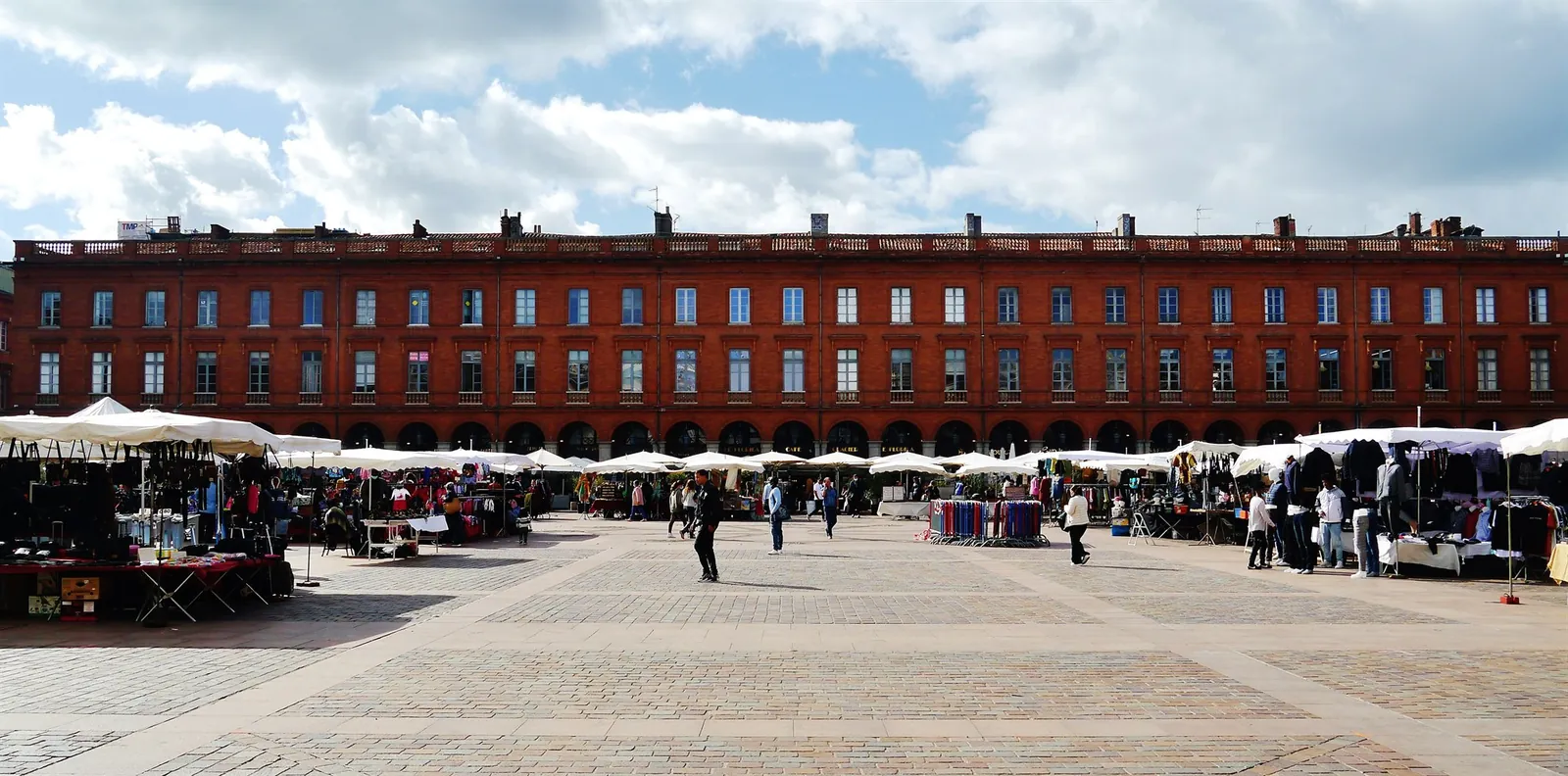
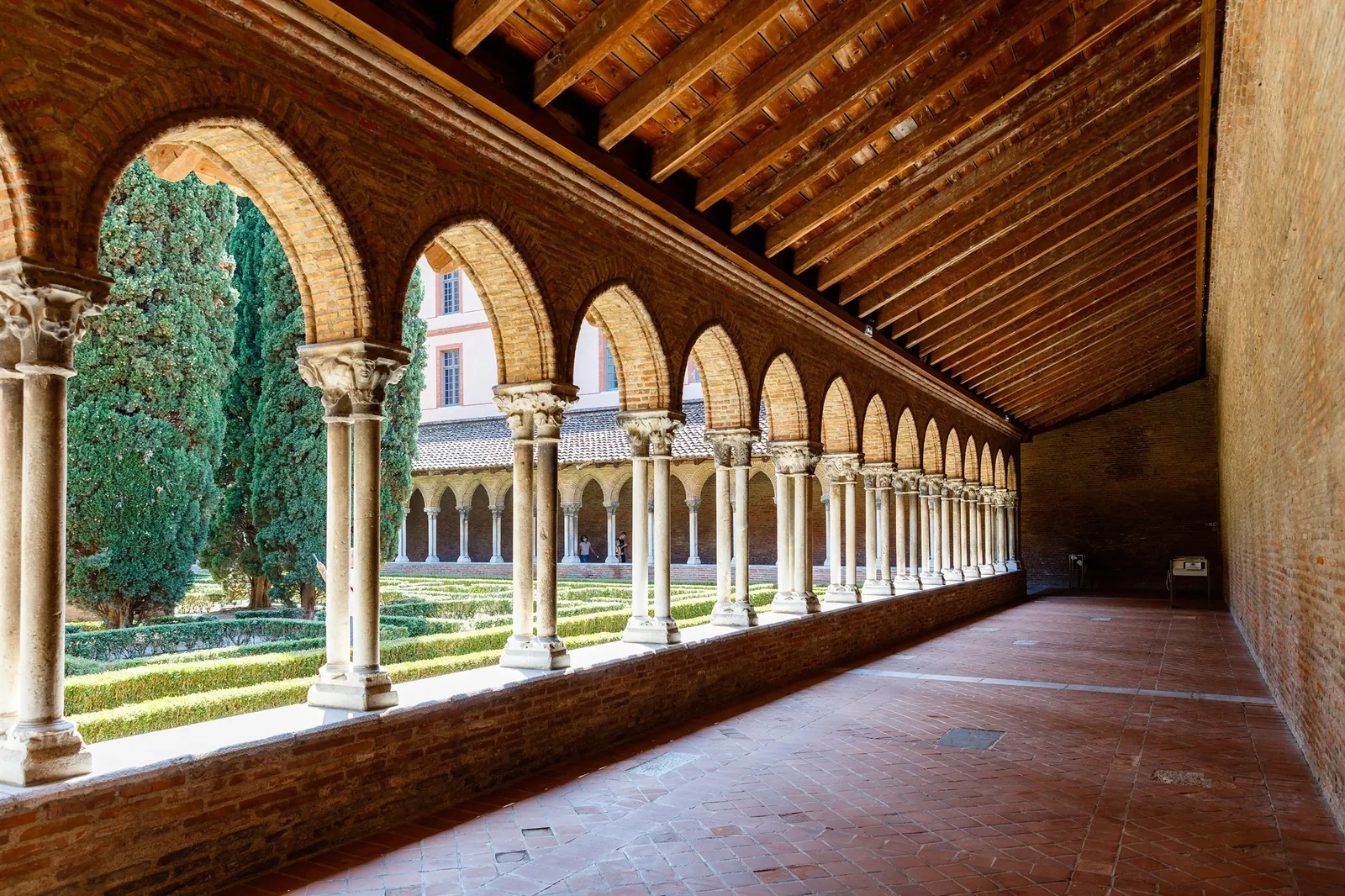
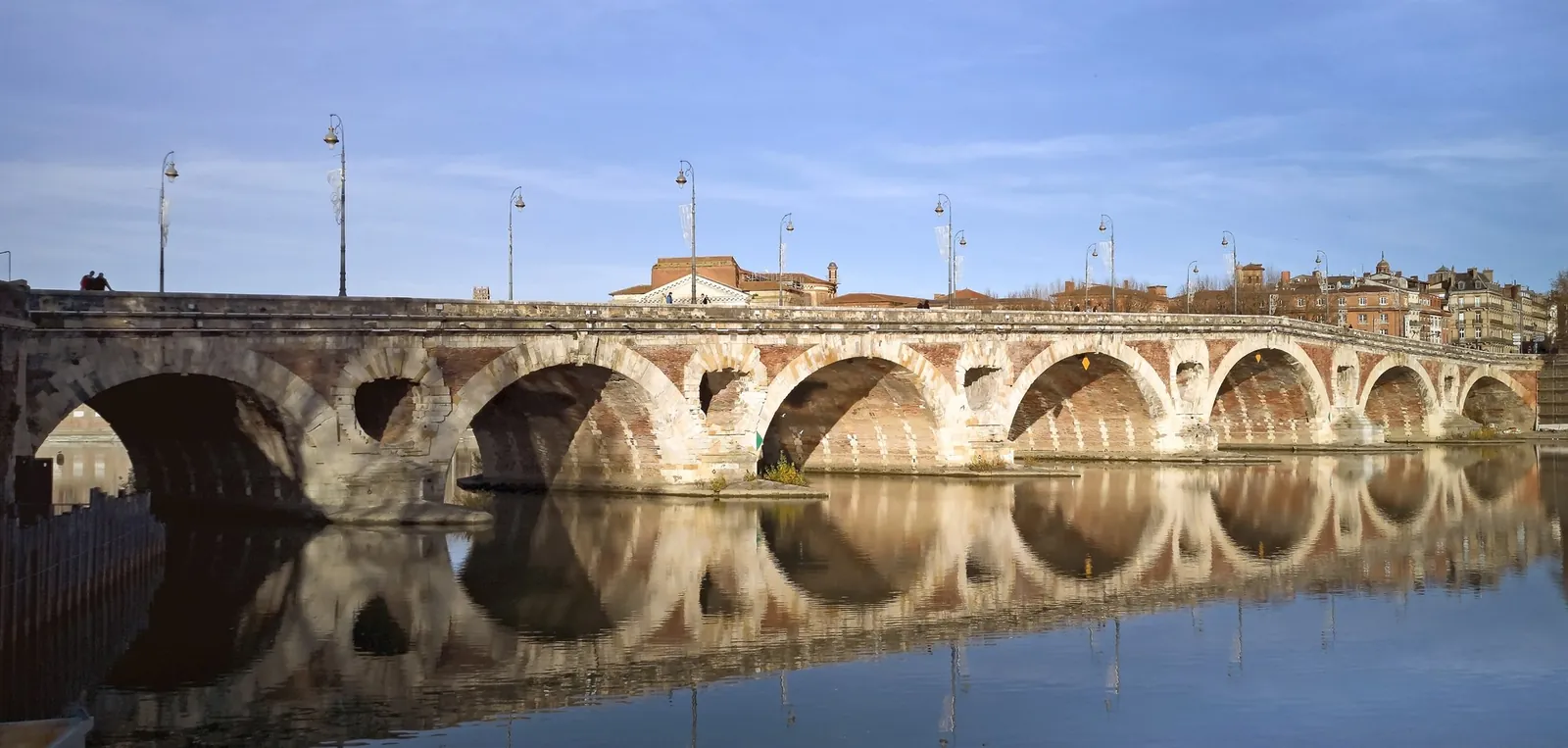
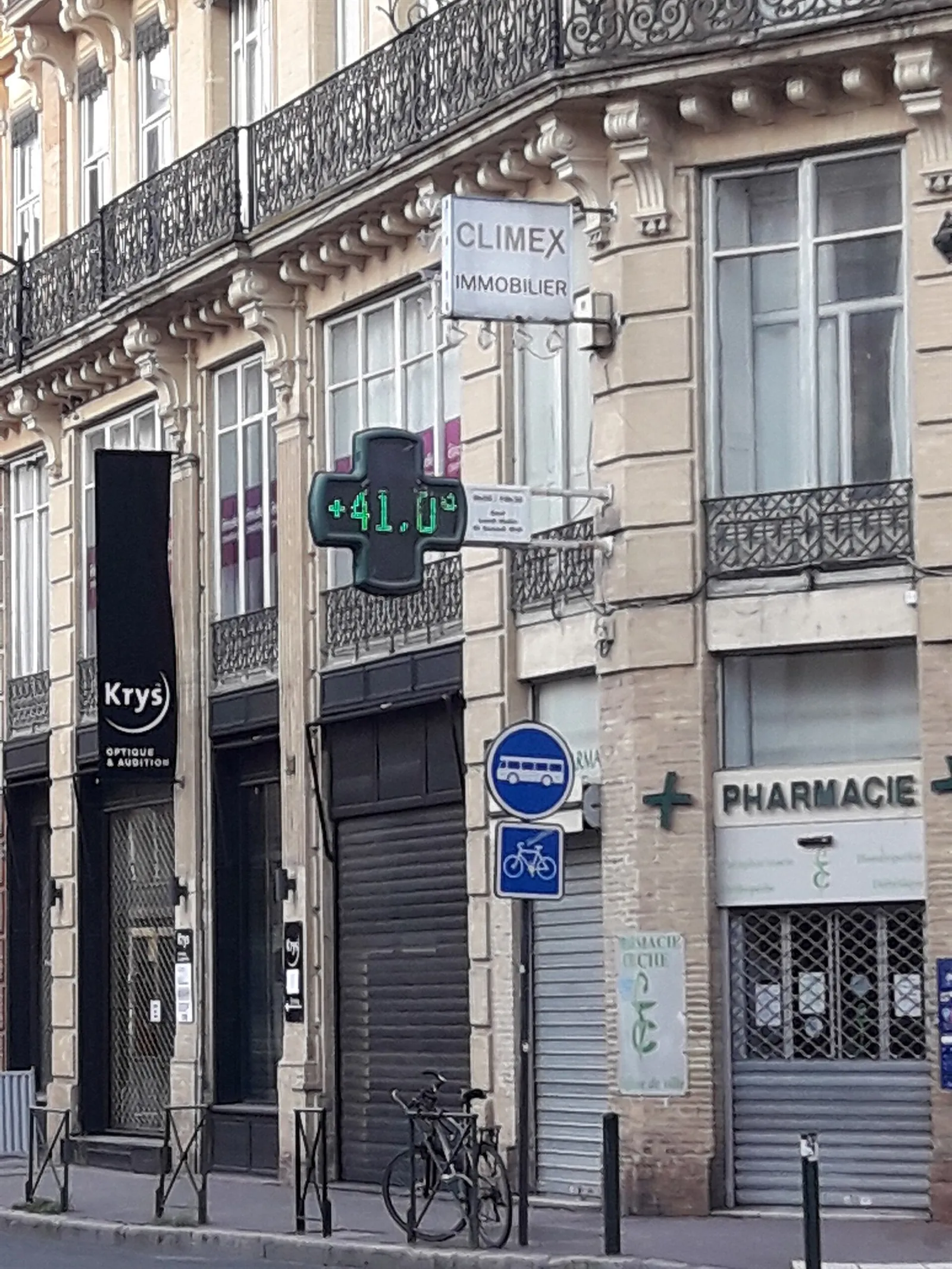
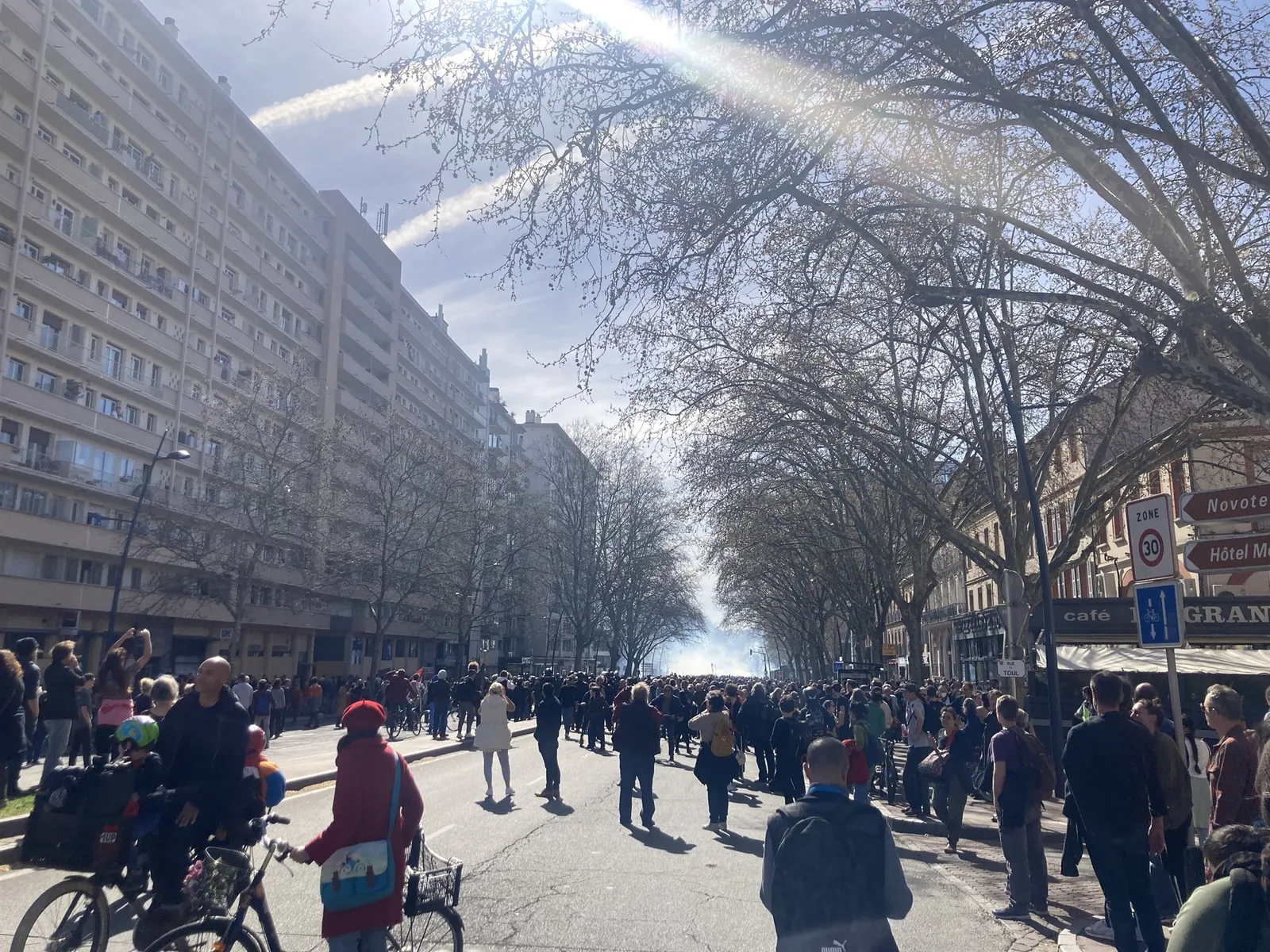
Authentic, unedited photos of Toulouse by residents and visitors, taken on ordinary days rather than chosen by a tourist board. Each one shows when it was taken. Browse photos of all 83 cities →






.jpg)

.jpg)
.jpg)
The other side

.jpg)
Cost of Living in Toulouse
1-Bedroom Rent
$750-$1,300/month
Local Restaurant Meal
$16-$28 at local restaurants
Cup of Coffee
$2-$3.50
Estimated Monthly Total
$1,900-$2,900
Want a personalized estimate? Use our cost of living calculator
Healthcare in Toulouse
The CHU de Toulouse is one of the largest university hospital groups in France, operating the Purpan and Rangueil sites among others, and serves as the tertiary referral centre for the entire Occitanie region — cardiology, oncology, neurosurgery, and transplantation are all handled locally rather than referred elsewhere. France's health system consistently ranks at or near the top of international comparisons, and legal residents access it through PUMA after three months of residence, with a complementary mutuelle costing roughly $80-$180 a month covering the remaining share. Private consultations under the standard system run $30-$60 with most of that reimbursed. For a retiree, Toulouse offers close to the best healthcare available anywhere on this site, at a cost of living well below Nice or Paris — which is the core of its argument.
Daily Life and Lifestyle in Toulouse
Toulouse is a student and engineering city, which keeps it young and lively without being a tourist destination. The Place du Capitole anchors a compact brick centre that is genuinely walkable, the Saturday market at Victor Hugo is one of the best in France, and the Canal du Midi provides a flat tree-lined towpath running through the city for walking and cycling. The rugby is serious. Culturally the city has the Bemberg and Augustins museums, a well-regarded opera, and the Cité de l'Espace reflecting the aerospace industry. The Pyrenees are ninety minutes south for walking and snow, the Mediterranean two hours east, and the Atlantic two and a half west. The international community is largely professional rather than retired, so daily life is French — which suits people who want integration and frustrates those who want an English-speaking circle.
Climate and Weather in Toulouse
Toulouse has a climate transitional between oceanic and Mediterranean, and it is not the reliable sunshine of the south coast. Summers (June-September) are warm to hot at 26-33°C with occasional spells above 35°C, drier than the Atlantic coast but wetter than Provence. Winters (December-February) are mild at 3-11°C, with frost on clear mornings and snow rare. Rain falls year-round with peaks in spring and autumn — around 650 mm annually, well below Bordeaux but far above Nice. The autan, a warm dry wind from the south-east, blows regularly and is a local feature. Spring and autumn are the best seasons at 14-24°C. Retirees moving for southern French sun should understand that Toulouse is genuinely greyer than the Mediterranean coast.
Pros and Cons of Retiring in Toulouse
Pros
- One of the largest university hospital groups in France, covering all tertiary specialties
- Substantially cheaper than Nice, Paris, or Bordeaux
- Compact, walkable brick centre with a metro — car-free living is practical
- Pyrenees 90 minutes south; Mediterranean and Atlantic both about two hours
- French healthcare through PUMA with a mutuelle at $80-$180 a month
Cons
- No coast, and genuinely greyer and wetter than the Mediterranean south-east
- Small international retiree community — daily life is thoroughly French
- Summers reach 33°C and occasionally above 35°C
- French bureaucracy applies in full
- The autan wind blows regularly and is not to everyone's taste
Who Is Toulouse Best For?
Retirees who want top-tier French healthcare and a walkable real city at well below Riviera or Paris prices, and who will function in French rather than seek an English-speaking community.
Where to Live in Toulouse
Capitole & Carmes
The historic brick centre around the main square, dense and fully walkable with the metro and markets. One-bedrooms run $850-$1,400/month. The obvious choice for living without a car.
Saint-Cyprien & Croix de Pierre
The left bank across the Garonne, cheaper and more mixed, with its own market and good river access. Rents run $700-$1,150/month. Well connected by metro and increasingly popular.
Côte Pavée & Jolimont
Quiet eastern residential districts with houses and gardens. Rents run $900-$1,500/month. Green and calm, popular with families and older residents; further from the centre but on good bus routes.
Hospitals and Healthcare Facilities in Toulouse
CHU de Toulouse (Purpan & Rangueil)
One of the largest university hospital groups in France, providing tertiary referral care for the whole of Occitanie including cardiology, oncology, neurosurgery, and transplantation.
Institut Universitaire du Cancer Toulouse (IUCT-Oncopole)
Major regional cancer centre combining treatment and research, providing specialist oncology care within the Toulouse hospital network.
Private clinics, Toulouse
Several private clinics across the city provide consultations, diagnostics, and elective surgery within the French reimbursement system, generally with short waits.
Facility details may change. Verify accreditation status and services directly with each hospital before making healthcare decisions.
Dining and Food Scene in Toulouse
South-western French cooking is the richest in the country and the least concerned with restraint: cassoulet — the bean, duck, and sausage dish that Toulouse claims as its own — confit de canard, foie gras, and the coarse Toulouse sausage. A cassoulet runs $18-$28 and is genuinely a meal for the day.
The Marché Victor Hugo is among the best covered markets in France, with restaurants on the upper floor serving the produce bought below — lunch there is a Toulouse institution at $20-$30. The city sits between Gascony, the Pyrenees, and the Languedoc, so the raw ingredients are exceptional.
Weekly groceries for two run $80-$120. Toulouse is cheaper than Paris and considerably cheaper than Nice for eating out, with a menu du jour at $16-$22 standard on weekdays. The surrounding vineyards of Fronton, Gaillac, and Cahors produce good wine at everyday prices, and Armagnac comes from an hour west.
Is Toulouse Right for You?
Take our free 3-minute retirement quiz to see how Toulouse and France compare to other destinations based on your preferences, budget, and needs.
Take the Retirement QuizFrequently Asked Questions About Retiring in Toulouse
Why choose Toulouse over Nice or Montpellier?
Cost and hospitals. Toulouse is meaningfully cheaper than Nice and somewhat cheaper than Montpellier, and the CHU de Toulouse is one of the largest university hospital groups in France, covering all tertiary specialties for the whole south-west. What you give up is the Mediterranean: Toulouse is two hours from the coast, greyer, wetter, and without the guaranteed winter sunshine that draws retirees to the Riviera.
How does French healthcare work for a retiree?
Legal residents access the public system through PUMA after three months of stable residence, which covers roughly 70 per cent of most costs; a complementary insurance policy called a mutuelle covers the remainder and costs about $80-$180 a month for a retiree. Consultations are $30-$60 with most reimbursed. France consistently ranks at or near the top of international health system comparisons, and there are no waiting-list problems of the kind found in some other European systems.
Is Toulouse workable without French?
Less so than the Riviera or the Dordogne. Toulouse's international population is largely aerospace professionals rather than retirees, so there is no established English-speaking retiree infrastructure. Hospitals and universities have English speakers; shops, administration, and daily life do not. France also requires substantial paperwork for residency, health cover, and taxes, all of it in French. Functional French is close to essential here.
Sources & References
- CHU de Toulouse — University hospital group scale, sites, and tertiary referral specialties for Occitanie
- Assurance Maladie (French health service) — PUMA eligibility, reimbursement rates, and mutuelle requirements for resident retirees
- Météo-France — Temperature, rainfall, and autan wind data for Toulouse and the Garonne valley
- French Ministry of the Interior — Long-stay visitor visa (VLS-TS) requirements and income thresholds for retirees