
City Retirement Guide
Retire in Nosara, Costa Rica
Nicoya Blue Zone surf and wellness town — beautiful, expensive, and two hours from a hospital
Nosara at a Glance
- Elevation & setting
- Near sea level on the Pacific coast of the Nicoya peninsula, Guanacaste; dry tropical forest; ~9.98°N
- Annual temperature
- 26-35°C year-round; tropical dry (Köppen Aw), dry season December-April with severe dust, green season May-November
- Nearest international airport
- Daniel Oduber Quirós (LIR), Liberia, ~2.5 h by road; local airstrip for domestic flights
- Nearest major hospital
- Clinics only; Hospital de Nicoya ~1.5 h, any major facility over 2 h, largely on unpaved roads
- Primary retirement visa
- Costa Rica Pensionado; $1,000/month lifetime pension, with mandatory Caja enrolment
- Language environment
- Spanish official; English widely usable within the international community and in tourism
Nosara sits inside the Nicoya Blue Zone, one of a handful of regions worldwide with unusual numbers of people living past 90 — a feature of the long-established local population rather than something that transfers to new arrivals.
Overview of Nosara for Retirees
Nosara sits on the Pacific coast of the Nicoya peninsula in Guanacaste at about 9.98°N, a scattered settlement of dirt roads through dry tropical forest behind Playa Guiones and Playa Pelada. It has become Costa Rica's best-known wellness destination, built around surfing, yoga, and a large international community that arrived for both.
Nosara also sits inside the Nicoya peninsula, one of the world's designated Blue Zones — regions identified as having unusually high concentrations of people living past 90. That is a real demographic observation about the local Costa Rican population rather than a property of the town's international residents, but it shapes how Nosara presents itself.
Two things must be weighed honestly. Costs are high by Costa Rican standards at roughly $1,800-$2,600 a month, with air conditioning alone running $150-$350 in the hot months. And the healthcare position is the weakest of any Costa Rican destination here: local provision is clinics, and any major hospital is more than two hours away over roads that are largely unpaved.
What Nosara actually looks like
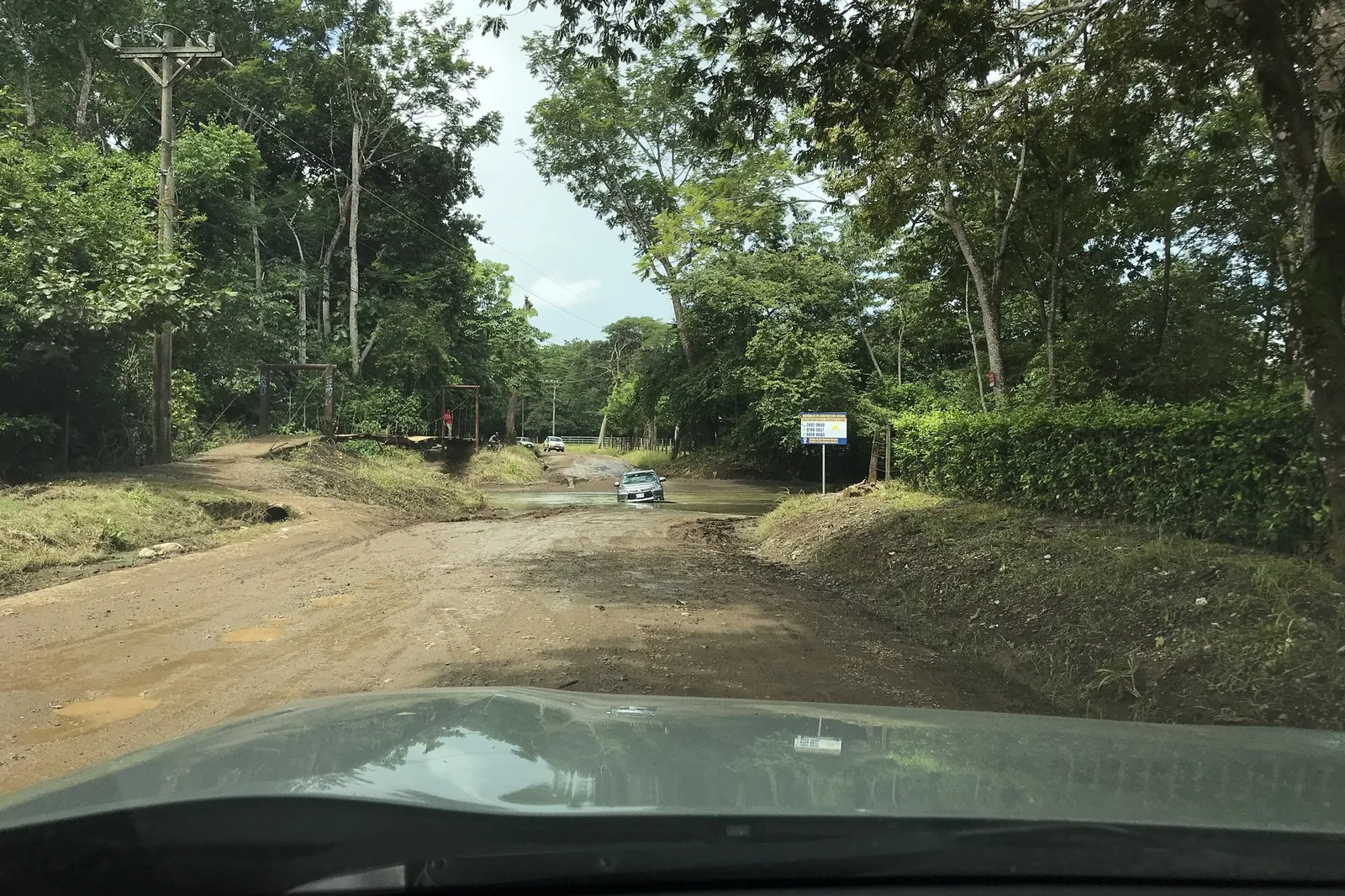
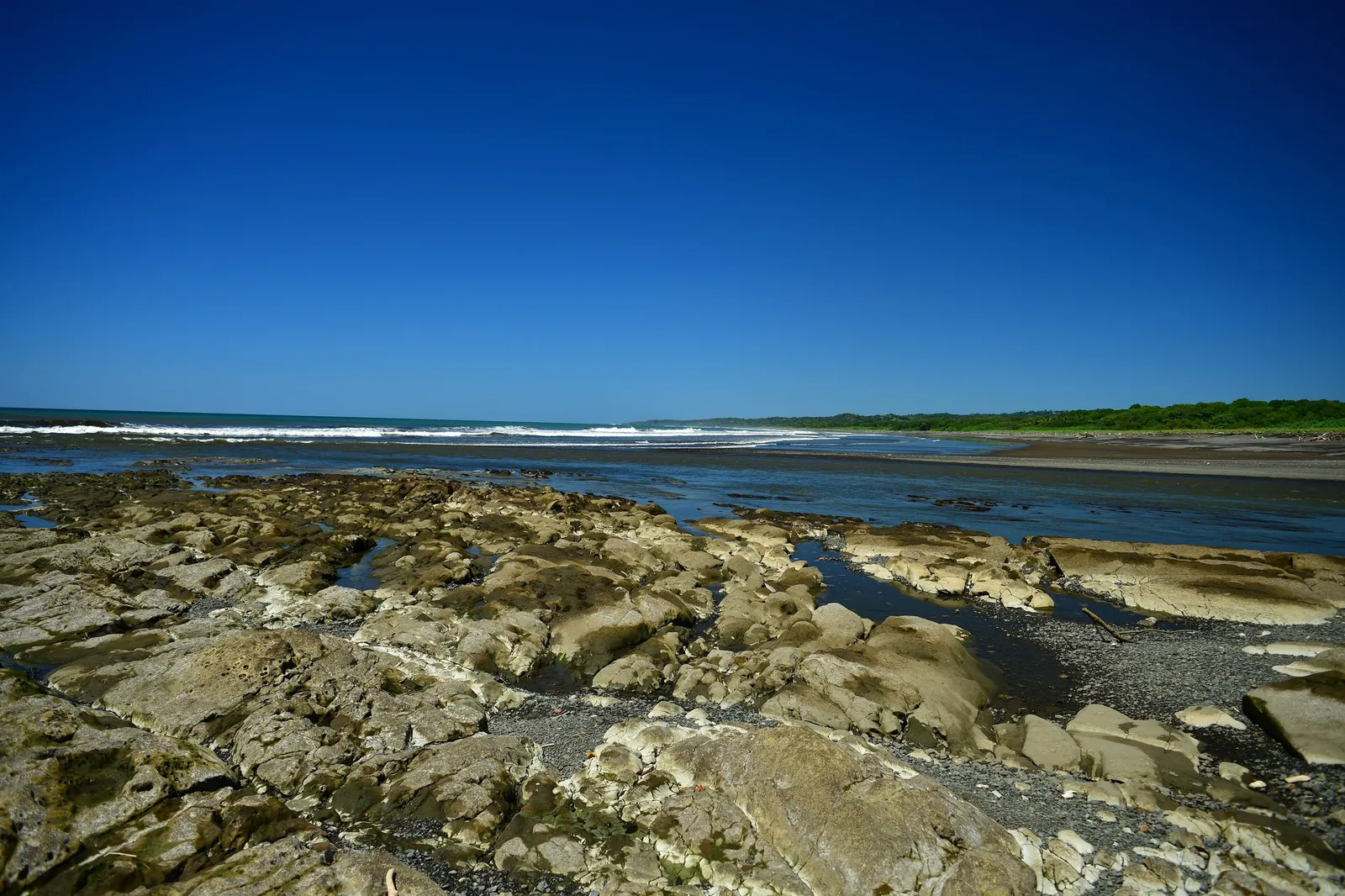
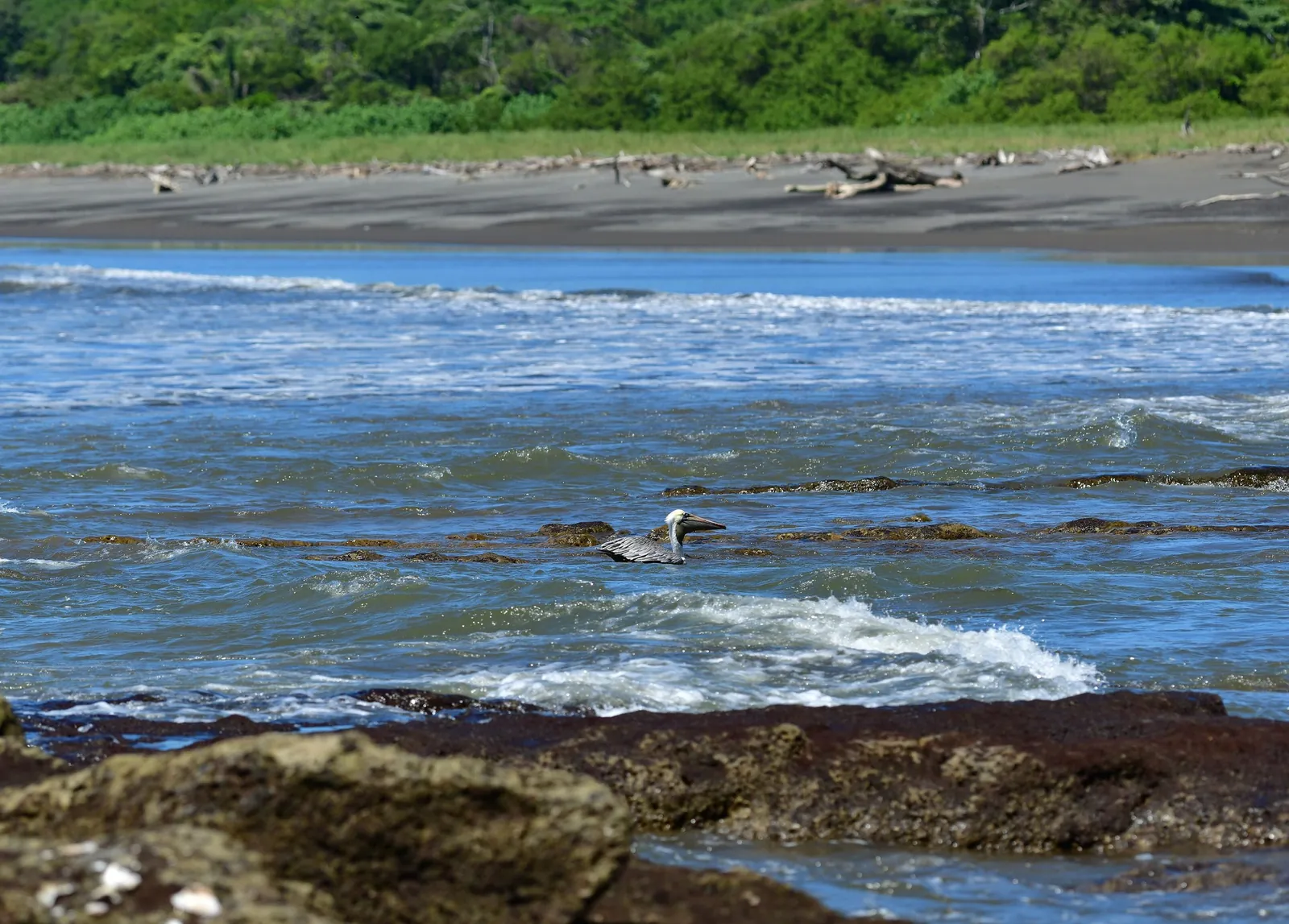
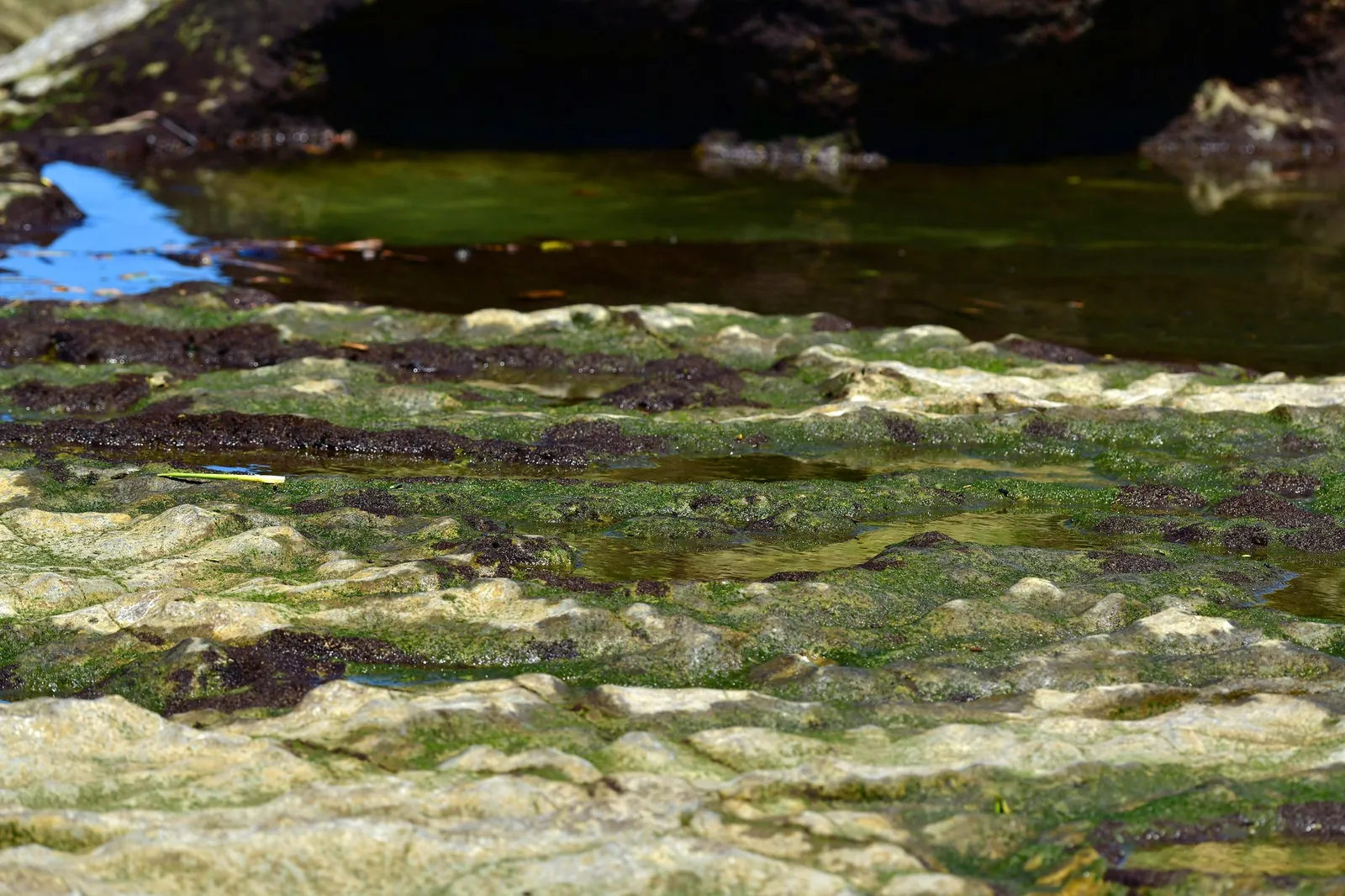
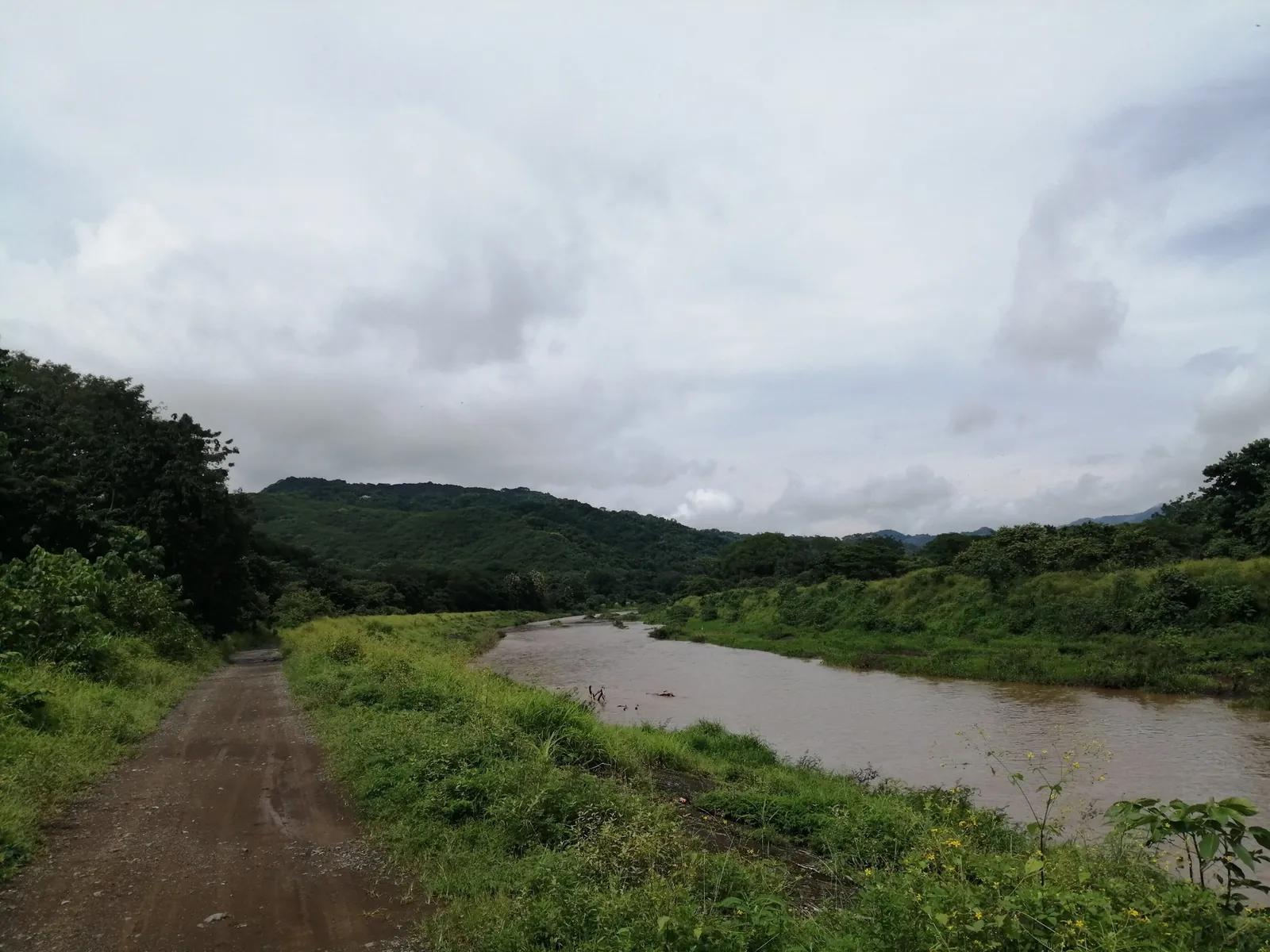
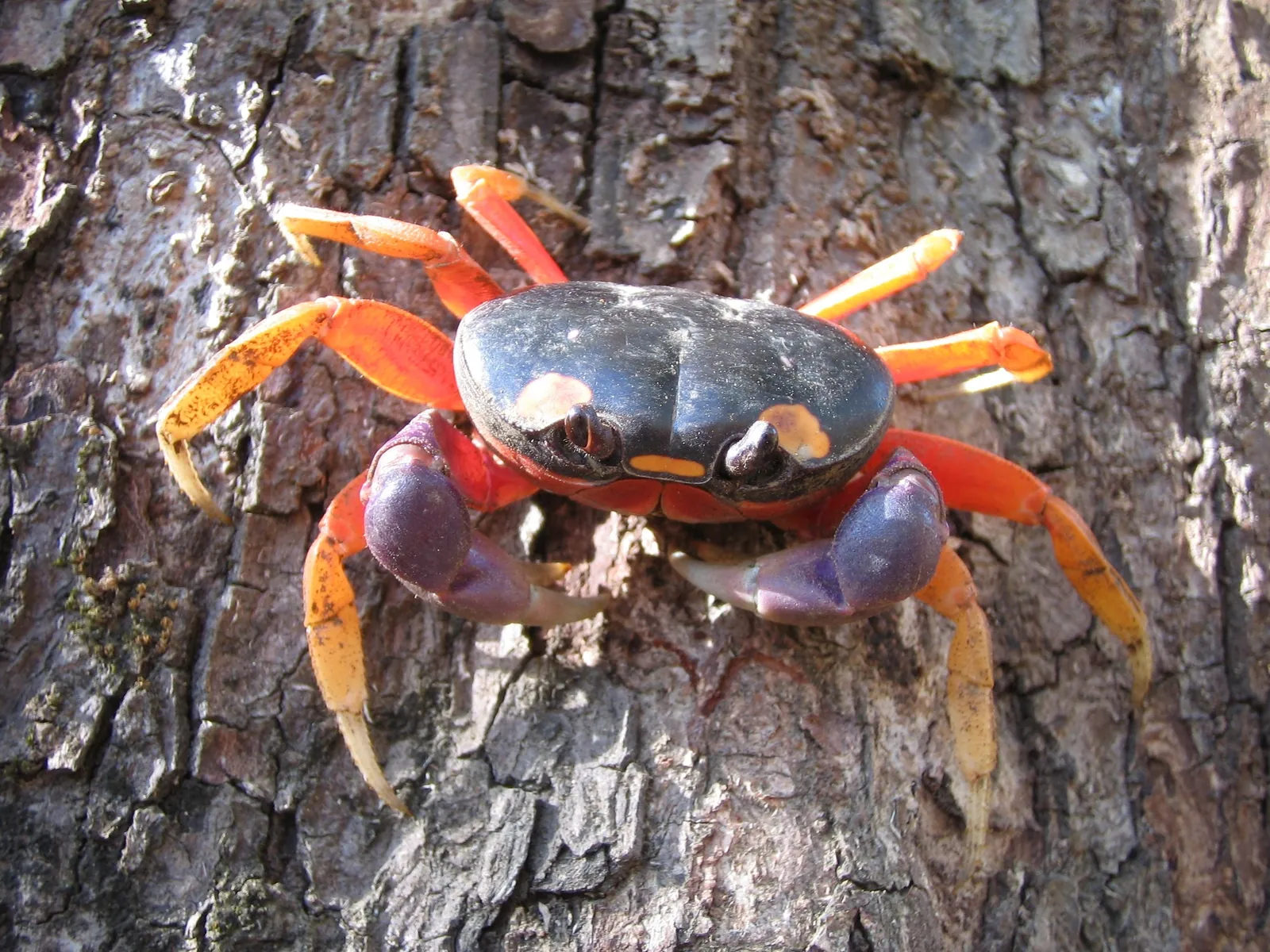
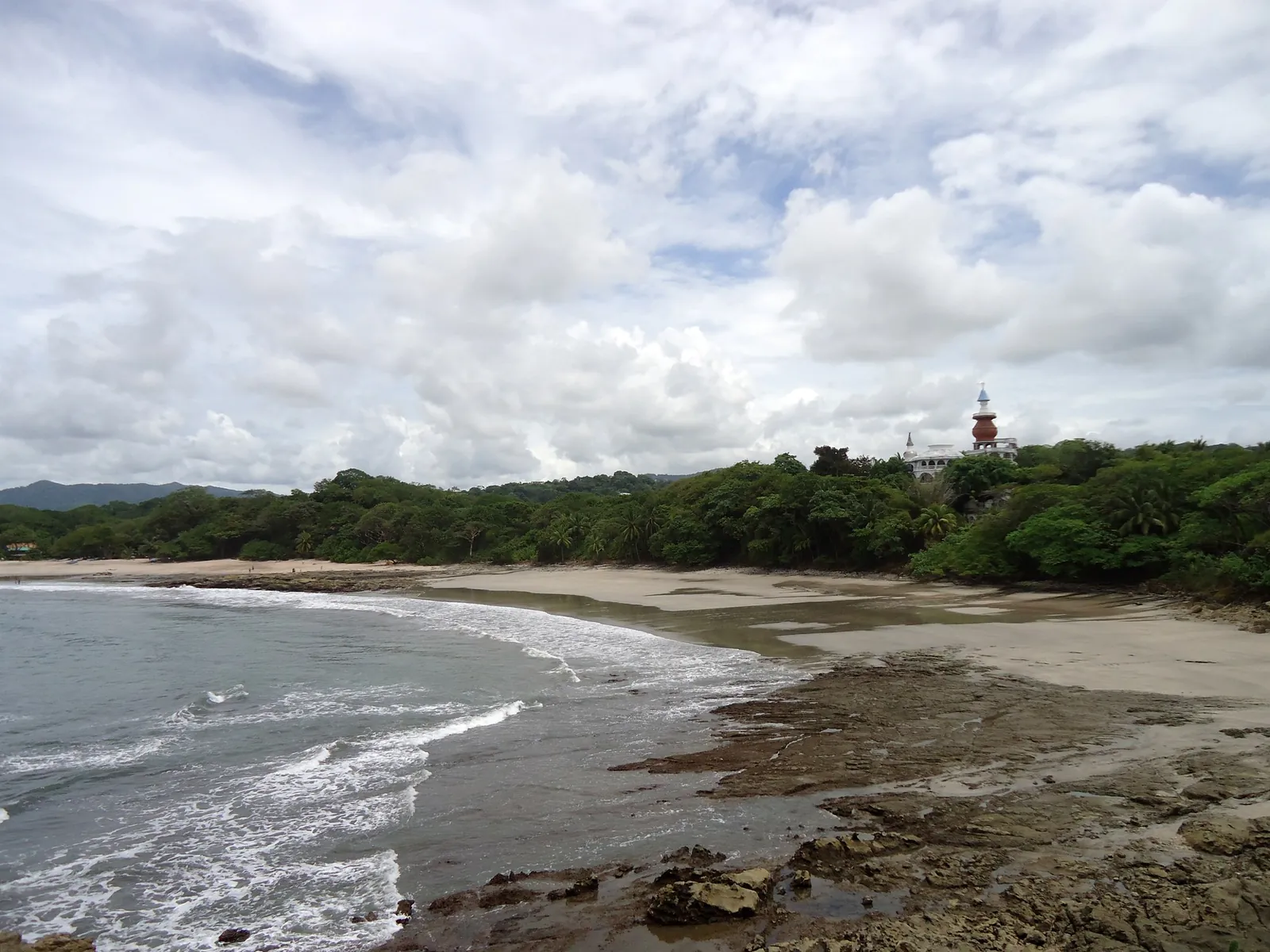
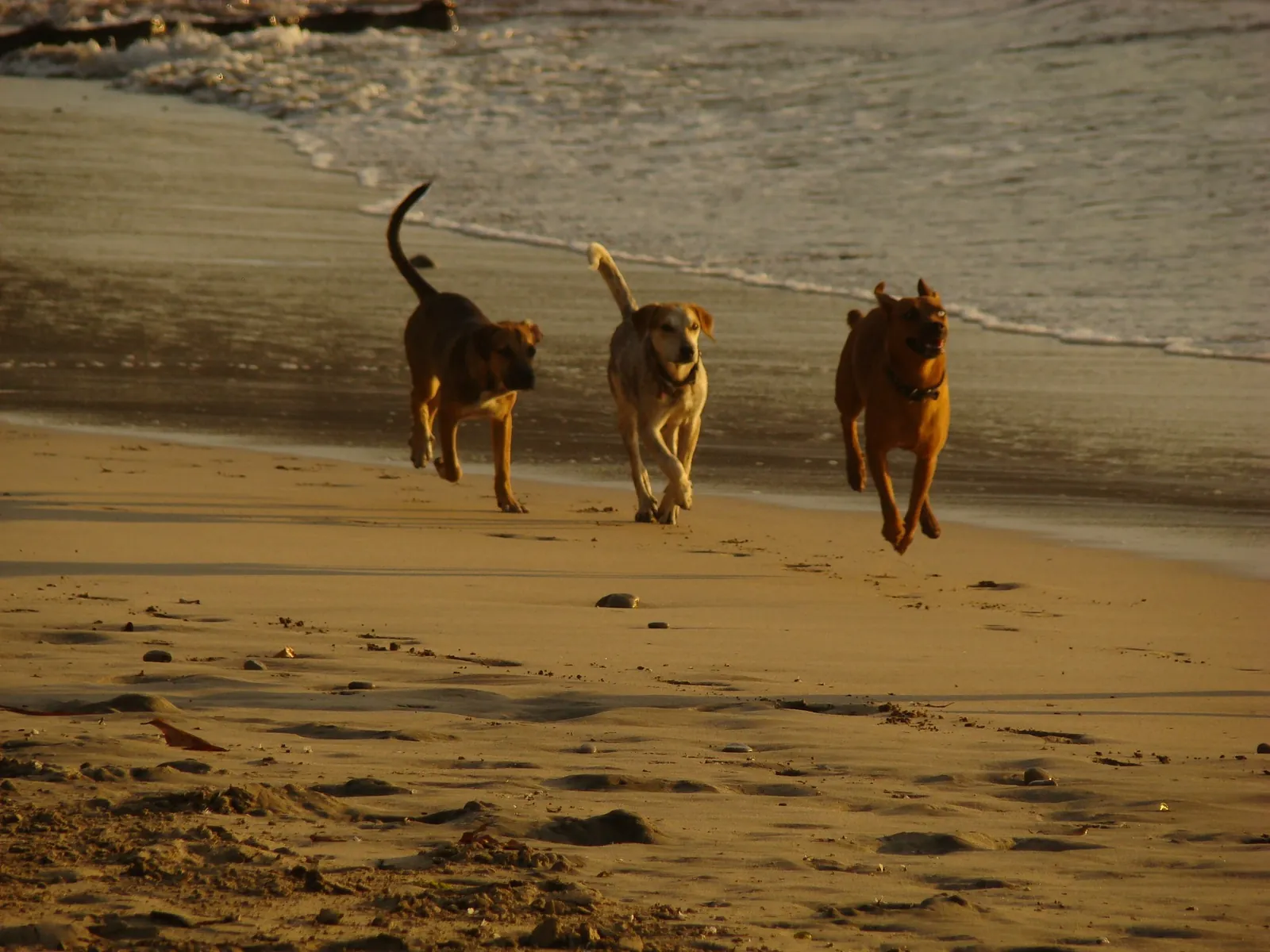
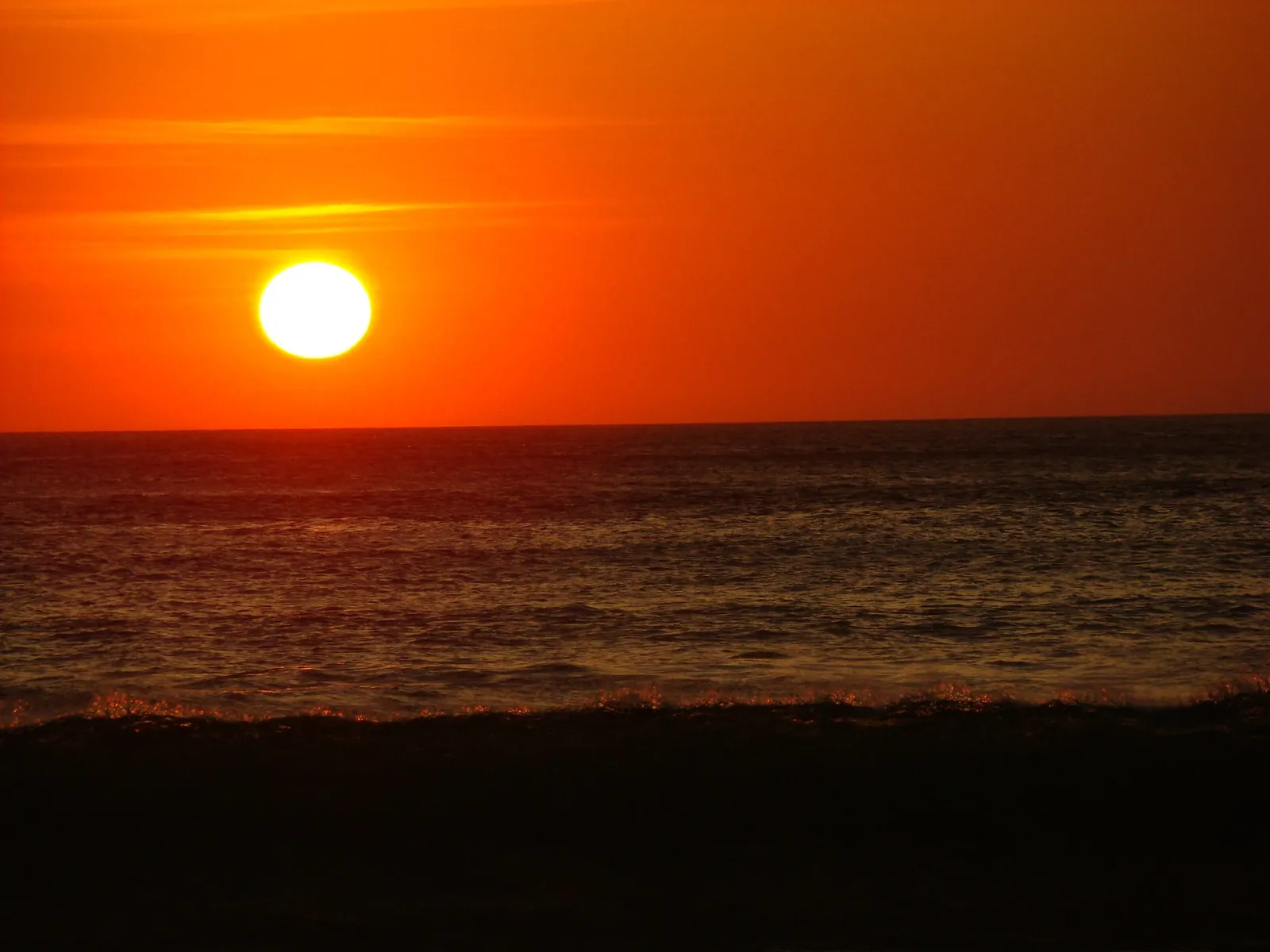
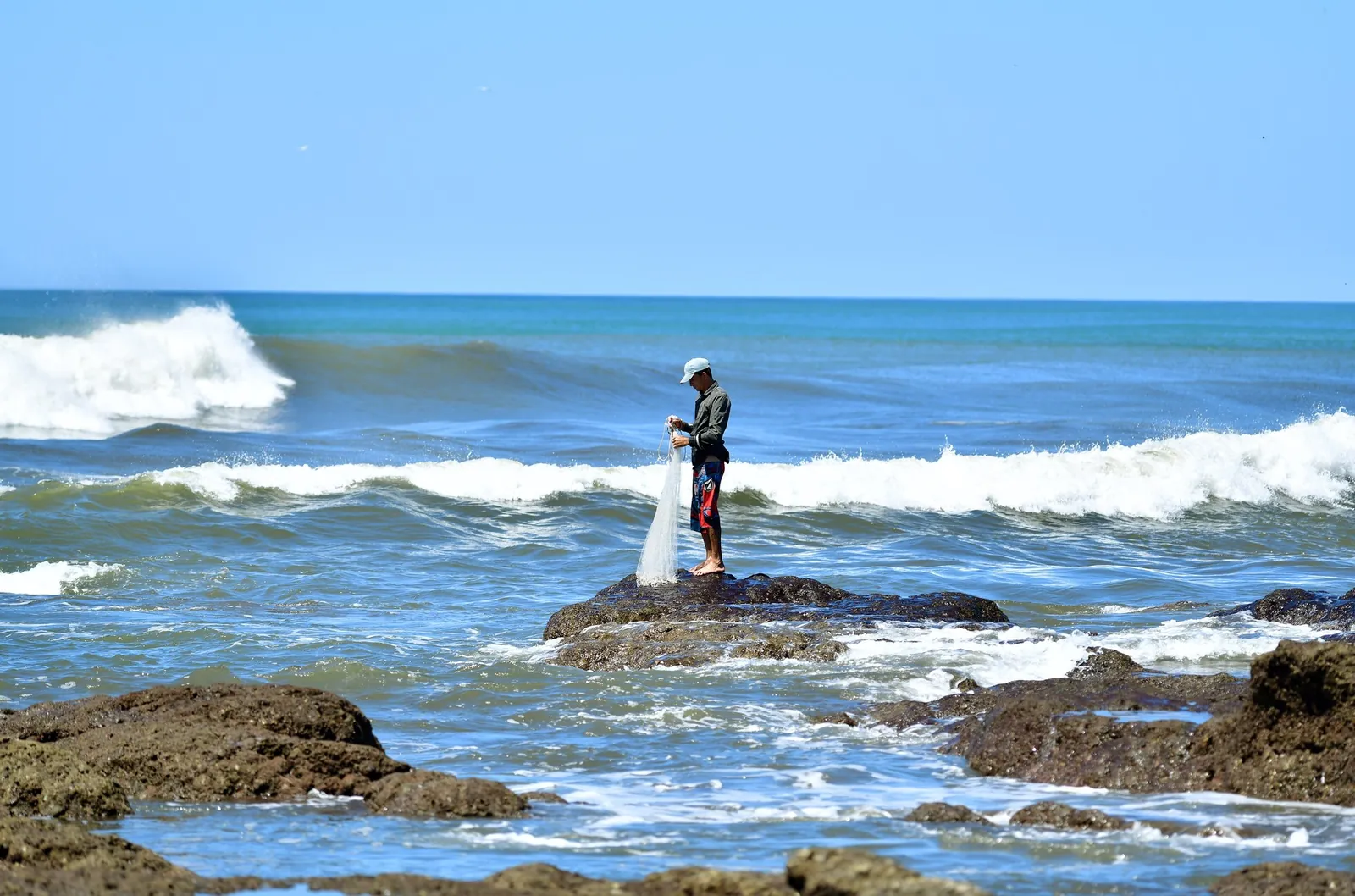
Authentic, unedited photos of Nosara by residents and visitors, taken on ordinary days rather than chosen by a tourist board. Each one shows when it was taken. Browse photos of all 83 cities →





.jpg)




The other side


Cost of Living in Nosara
1-Bedroom Rent
$800-$1,600/month
Local Restaurant Meal
$12-$25 at local restaurants
Cup of Coffee
$3-$5
Estimated Monthly Total
$1,800-$2,900
Want a personalized estimate? Use our cost of living calculator
Healthcare in Nosara
This is the deciding factor for most people. Nosara has private clinics and doctors covering routine consultations, minor injuries, and basic diagnostics at $60-$100, plus a Caja EBAIS clinic — and nothing else. The nearest hospitals of any size are in Nicoya, roughly an hour and a half away, and any major facility is more than two hours, over roads that are substantially unpaved and considerably slower in the green season. There is no realistic scenario in which a cardiac emergency in Nosara is handled quickly. Legal residents enrol in the Caja for $50-$150 a month, and most international residents also carry private cover, but insurance does not shorten the drive. Retirees with any significant medical history are far better served in the Central Valley, and many people who live in Nosara in their sixties relocate inland later.
Daily Life and Lifestyle in Nosara
Nosara is organised around surfing, yoga, and the beach, and its international community is younger and more active than most retirement destinations — this is a place for people who want to be doing something rather than settling down. Playa Guiones has consistent, forgiving surf that works year-round; the Nosara Yoga Institute and a dense cluster of studios anchor the wellness scene; and the Ostional wildlife refuge nearby hosts arribadas, mass sea turtle nestings, several times a year. Deliberate low-rise, low-density development rules mean the town is scattered through forest rather than built up, and howler monkeys are a daily presence. The trade-off is infrastructure: roads are largely dirt, dust in the dry season is severe, and services are limited and expensive. Spanish is useful but the international community is large enough that English works for most daily needs.
Climate and Weather in Nosara
Nosara has a tropical dry climate, and Guanacaste is the hottest and driest region in Costa Rica. Temperatures run 26-35°C year-round with no cool season. The dry season, December to April, brings relentless sun, brown landscape, and severe dust from the unpaved roads — it is the peak season for visitors and the hardest for residents. The green season, May to November, brings afternoon rain that transforms the forest, lower temperatures, and better air, though roads deteriorate and some become difficult. Humidity is high in the green season and lower in the dry. Air conditioning runs $150-$350 a month in the hot period, which is a meaningful line item that Central Valley residents at 700 to 1,100 metres do not pay at all.
Pros and Cons of Retiring in Nosara
Pros
- Consistent year-round surf at Playa Guiones and an established wellness scene
- Inside the Nicoya Blue Zone, one of the world's designated longevity regions
- Low-rise, low-density development rules keep the town in forest rather than concrete
- Large, active, English-speaking international community
- Ostional turtle arribadas and dry tropical forest wildlife on the doorstep
Cons
- The weakest healthcare of any Costa Rican destination here — over two hours to a major hospital
- Expensive: $1,800-$2,600 a month, with air conditioning at $150-$350 in the hot season
- Largely unpaved roads, with severe dust in the dry season
- Hot year-round at 26-35°C with no cool season
- Limited shopping and services at high prices
Who Is Nosara Best For?
Active retirees in good health who want surf, yoga, and beach forest living, have the budget for Guanacaste prices, and genuinely accept that a serious medical emergency means a two-hour drive.
Where to Live in Nosara
Playa Guiones
The main surf beach and the centre of the international community, with restaurants, yoga studios, and shops among the forest. Rents run $1,000-$1,800/month. Most convenient and most expensive.
Playa Pelada & Beaches area
Quieter coastline just north, with a small cove beach and a calmer scene. Rents run $900-$1,600/month. More residential and slightly cheaper, still within cycling distance of Guiones.
Nosara village & Esperanza
The original Costa Rican town inland from the beaches, where most local residents live. Rents run $600-$1,100/month. Considerably cheaper and more authentic, with the Caja clinic and the airstrip, but a car is essential.
Hospitals and Healthcare Facilities in Nosara
Private clinics, Nosara
Several private doctors and clinics covering routine consultations, minor injuries, and basic diagnostics at $60-$100. No hospital facilities.
EBAIS Nosara (Caja clinic)
The local public clinic providing primary care and prescriptions for residents enrolled in the Caja system.
Hospital de Nicoya
The nearest hospital, roughly an hour and a half away over partly unpaved roads; any major facility is more than two hours from Nosara.
Facility details may change. Verify accreditation status and services directly with each hospital before making healthcare decisions.
Dining and Food Scene in Nosara
Nosara's food scene reflects its wellness identity: poke bowls, smoothie bars, sourdough bakeries, and plant-based menus alongside Costa Rican staples, with mains at $14-$25 — high prices by national standards, driven by remoteness and an affluent international clientele.
Traditional sodas in Nosara village serve casado and gallo pinto for $7-$12 and are where local residents and budget-conscious internationals eat. Fresh fish comes off the boats at Garza and Pelada.
Weekly groceries for two run $90-$140, among the highest in Costa Rica. The local supermarkets are small and expensive because everything arrives by truck over poor roads; residents make periodic runs to Nicoya or Liberia for a proper shop. Fruit and vegetables from the roadside stands and the weekly feria are the exception and are cheap and good.
Is Nosara Right for You?
Take our free 3-minute retirement quiz to see how Nosara and Costa Rica compare to other destinations based on your preferences, budget, and needs.
Take the Retirement QuizFrequently Asked Questions About Retiring in Nosara
How far is Nosara really from a hospital?
Further than most people expect. Local provision is clinics only. The nearest hospitals of any size are in Nicoya, about an hour and a half away, and any major facility is more than two hours — over roads that are largely unpaved and slower still in the green season. For a cardiac event or major trauma, that is a serious limitation, and it is the main reason retirees who love Nosara in their sixties often move to the Central Valley later.
What does the Blue Zone designation actually mean?
The Nicoya peninsula is one of a handful of regions worldwide identified as having unusually high numbers of people living past 90. That is a demographic observation about the long-established local Costa Rican population — linked to diet, physical activity, water mineral content, and strong social ties — rather than something conferred on newcomers. It is a genuine and interesting feature of the region, but moving to Nosara does not import it.
Why is Nosara so expensive for Costa Rica?
Remoteness and demand. Everything has to be trucked in over poor roads, the international community is affluent and largely North American, and low-density development rules limit supply. Add air conditioning at $150-$350 a month in the hot season, which Central Valley residents do not pay at all, and the gap against Atenas or Grecia becomes substantial — roughly $1,800-$2,600 a month against $1,600-$2,200 inland, for fewer services.
Sources & References
- Caja Costarricense de Seguro Social (CCSS) — EBAIS clinic provision in Nosara and hospital coverage for the Nicoya peninsula
- Costa Rica National Meteorological Institute (IMN) — Temperature and seasonal rainfall data for Guanacaste and the Nicoya peninsula
- Costa Rica Directorate General of Migration — Pensionado and Rentista residency requirements and income thresholds
- Numbeo — Cost of living index and price data for Guanacaste coastal communities