
City Retirement Guide
Retire in Escazú, Costa Rica
San José's western suburb — Costa Rica's best hospital and its most international address
Escazú at a Glance
- Elevation & setting
- ~1,100 m on the western edge of the Central Valley, climbing the Cerros de Escazú; ~9.92°N
- Annual temperature
- 22-27°C by day, 16-19°C at night year-round; dry season December-April, green season May-November
- Nearest international airport
- Juan Santamaría International (SJO), ~20 km / 30 minutes north-west
- Nearest major hospital
- Hospital CIMA San José, in Escazú
- Primary retirement visa
- Costa Rica Pensionado; $1,000/month lifetime pension, with mandatory Caja enrolment
- Language environment
- Spanish official; English very widely spoken in Escazú, in private healthcare, and in business
Escazú has Costa Rica's only real medical district — CIMA plus a walkable cluster of specialists, laboratories, and imaging centres, which is why retirees managing a chronic condition pay the country's highest rents to live here.
Overview of Escazú for Retirees
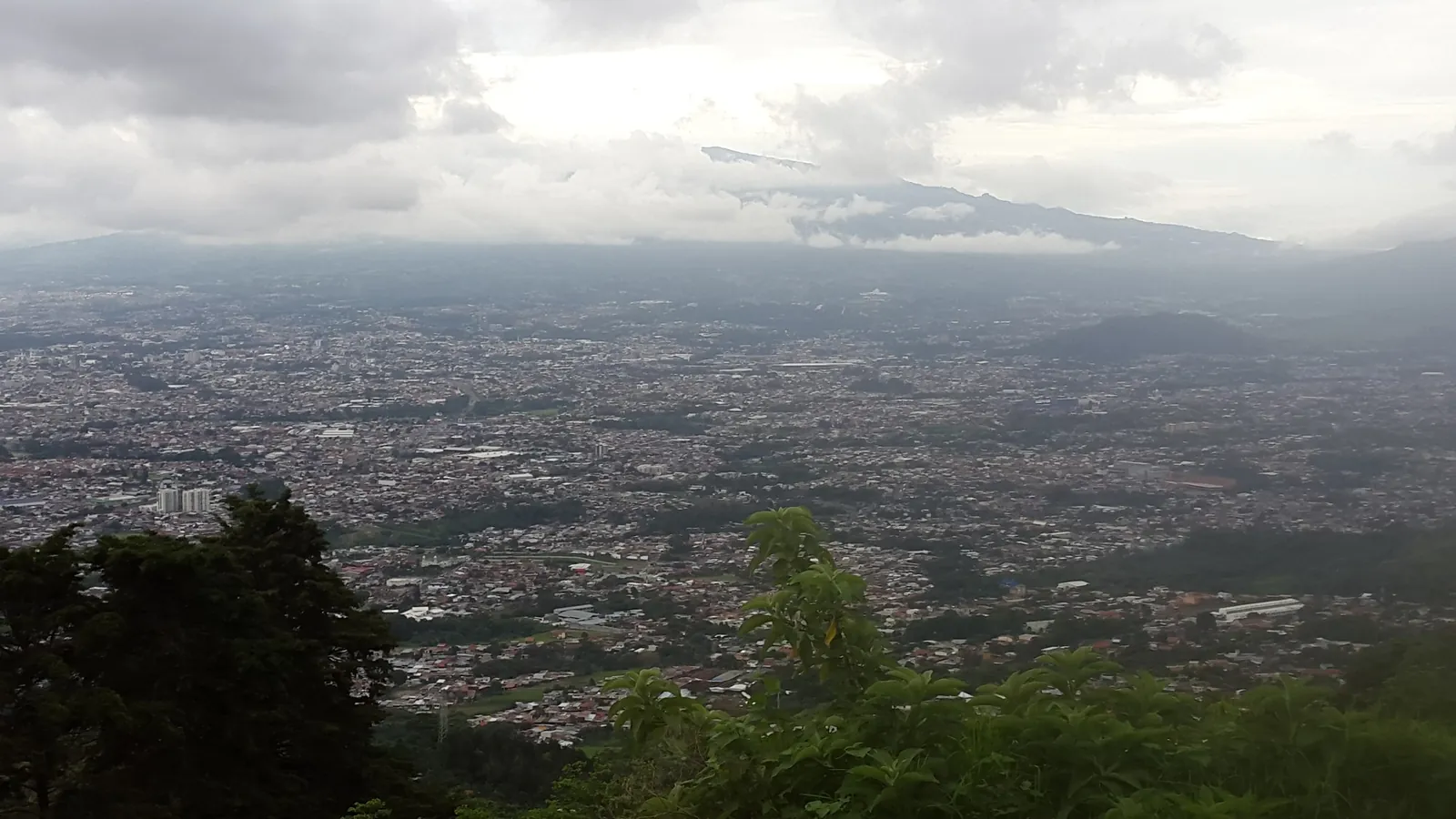
Escazú sits on the western edge of San José at about 9.92°N and roughly 1,100 metres, climbing the slopes of the Cerros de Escazú above the Central Valley floor. It is Costa Rica's most affluent and most international district, and for retirees its case rests on one thing above all: Hospital CIMA.
CIMA is the largest and best-regarded private hospital in Costa Rica, and it sits surrounded by a dense cluster of specialists, laboratories, imaging centres, and ancillary services — the country's only genuine medical district. For a retiree with an ongoing condition, living within minutes of that concentration is worth more than any amount of scenery.
The rest follows from the same affluence: English is widely spoken thanks to the large international population and the multinational offices nearby, the shopping and restaurants are the best in the country, and the Central Valley climate at 1,100 metres runs a comfortable 18-27°C year-round. The costs are Costa Rica's highest — one-bedroom apartments start around $800 and rise steeply — and the character is suburban and mall-oriented rather than Costa Rican.
What Escazú actually looks like
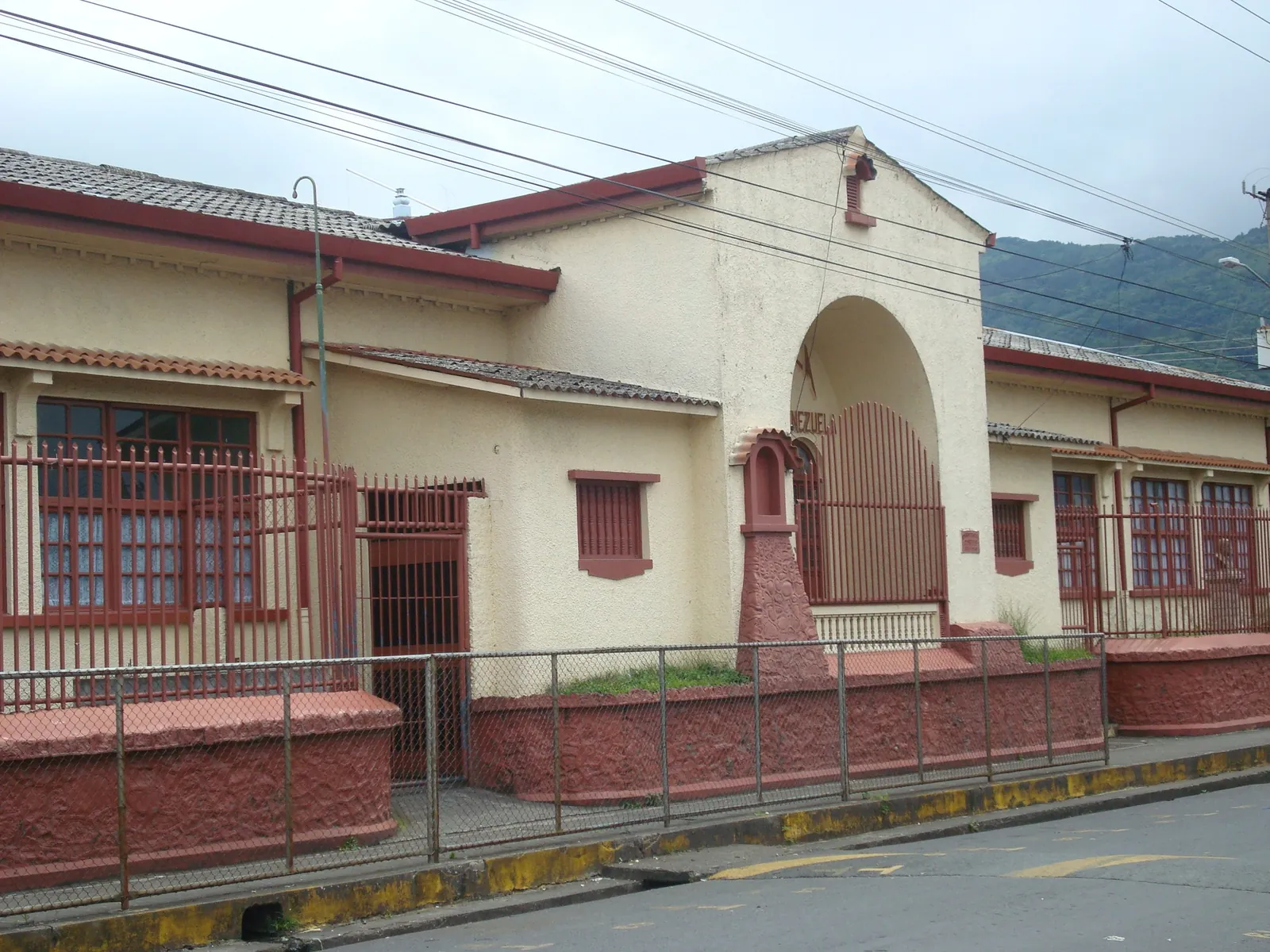
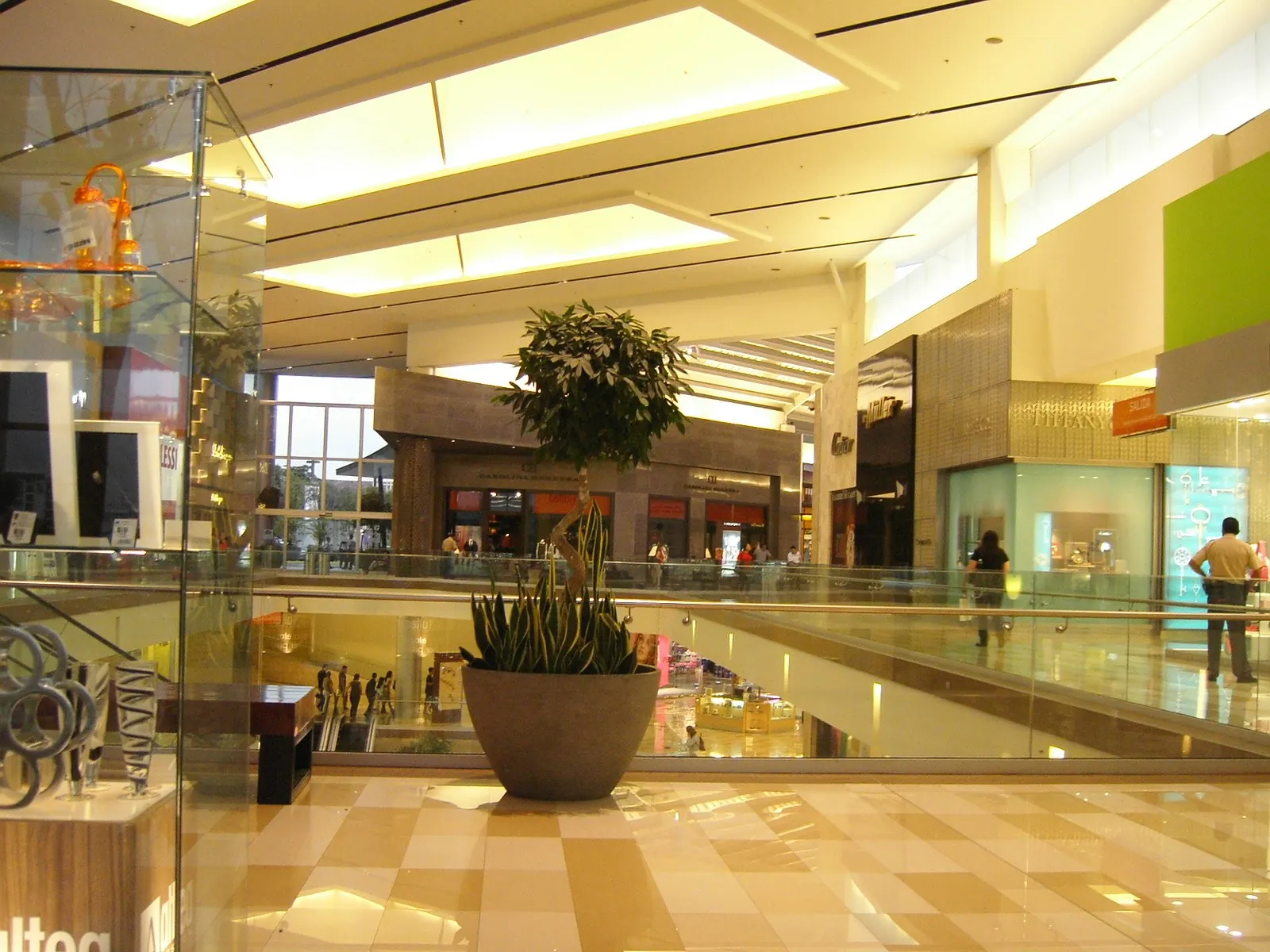
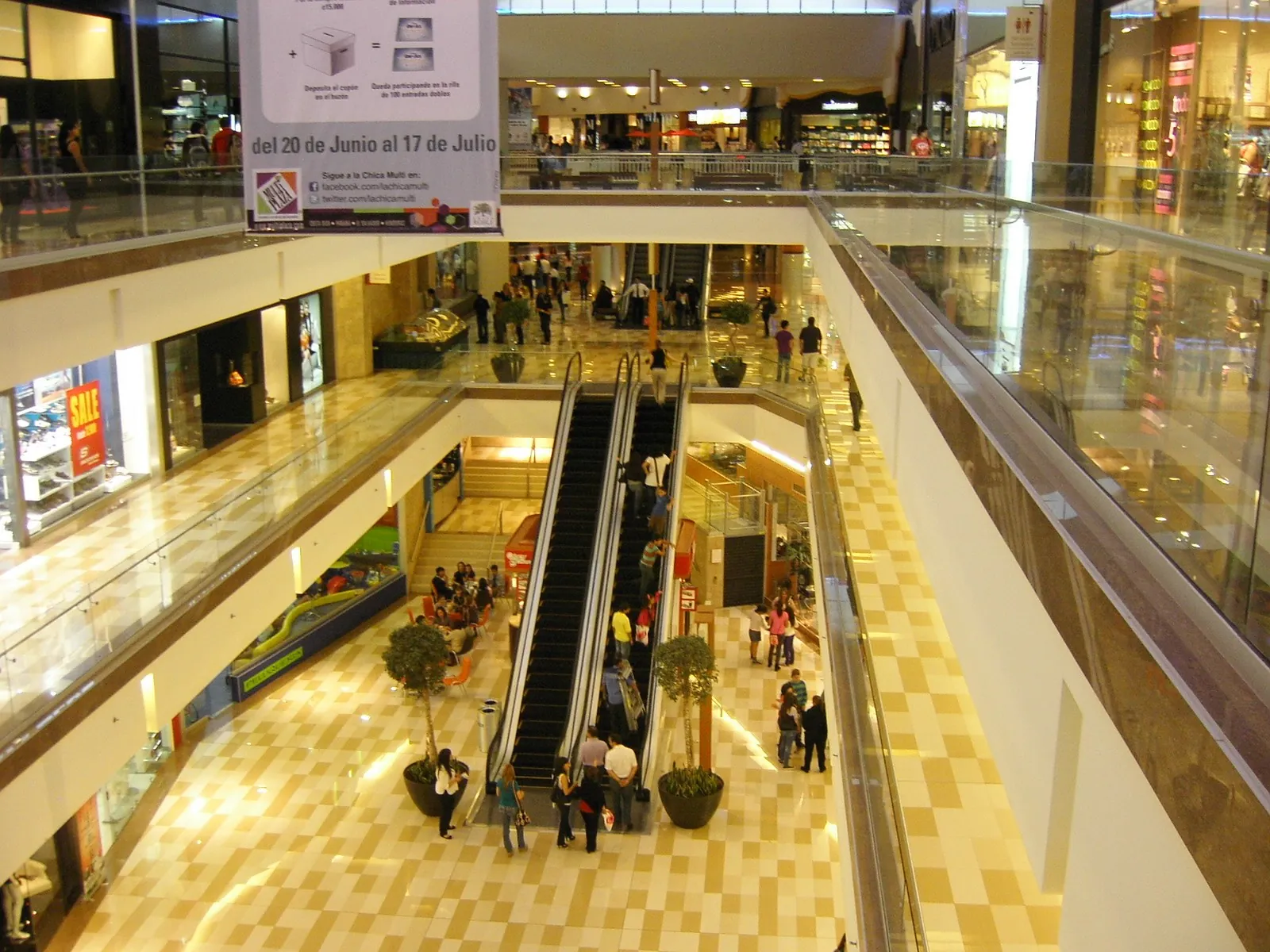
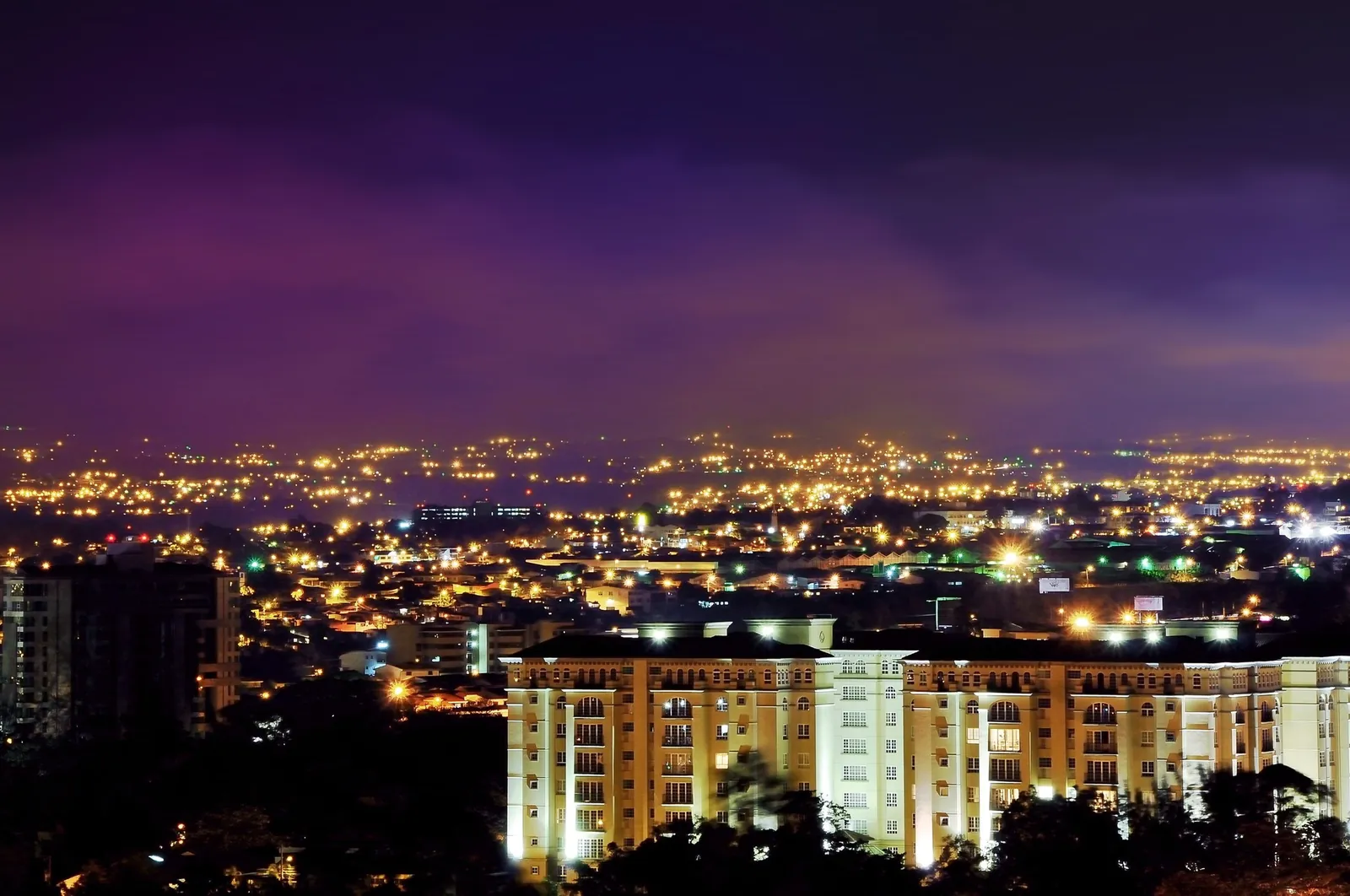
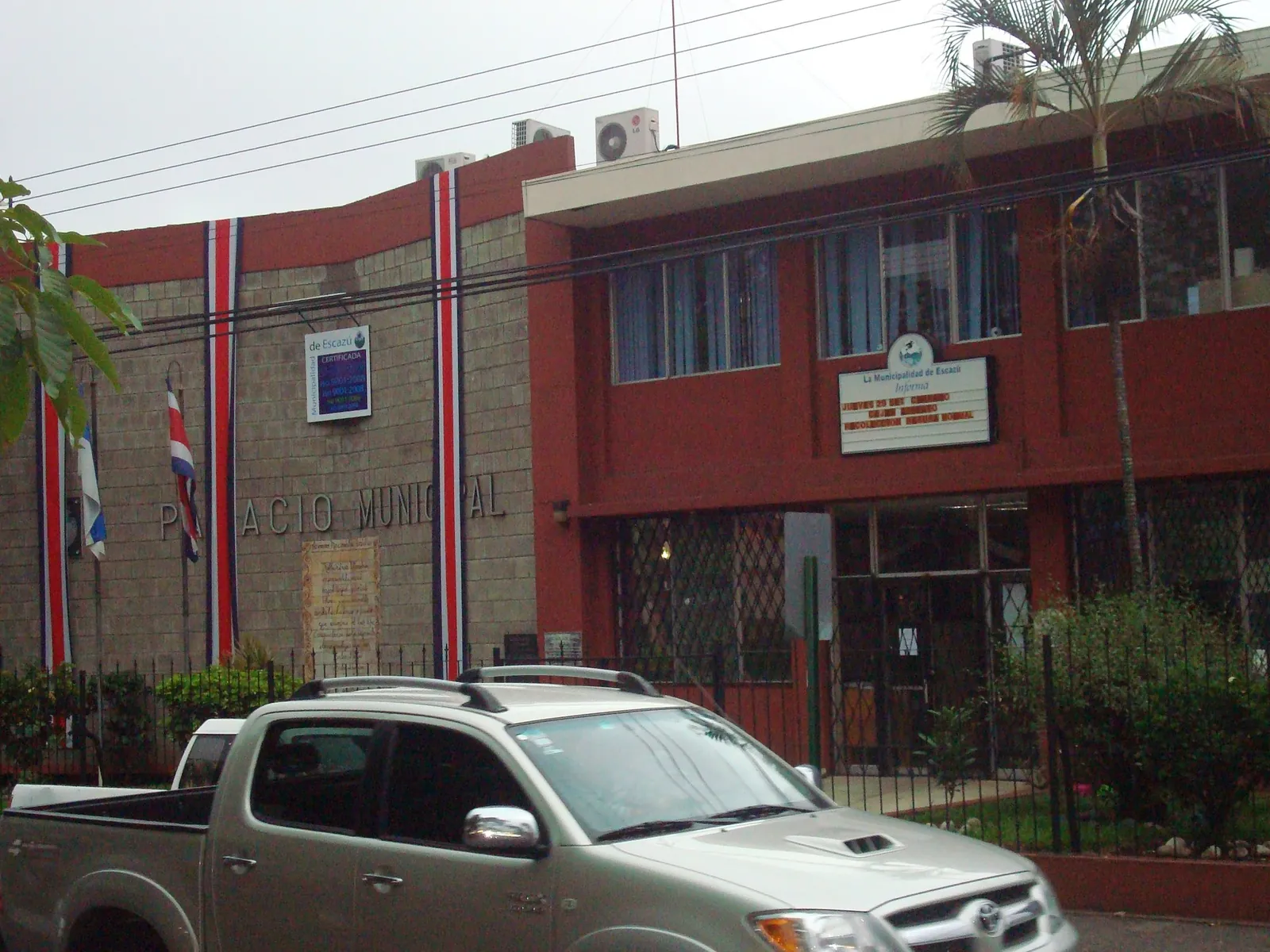
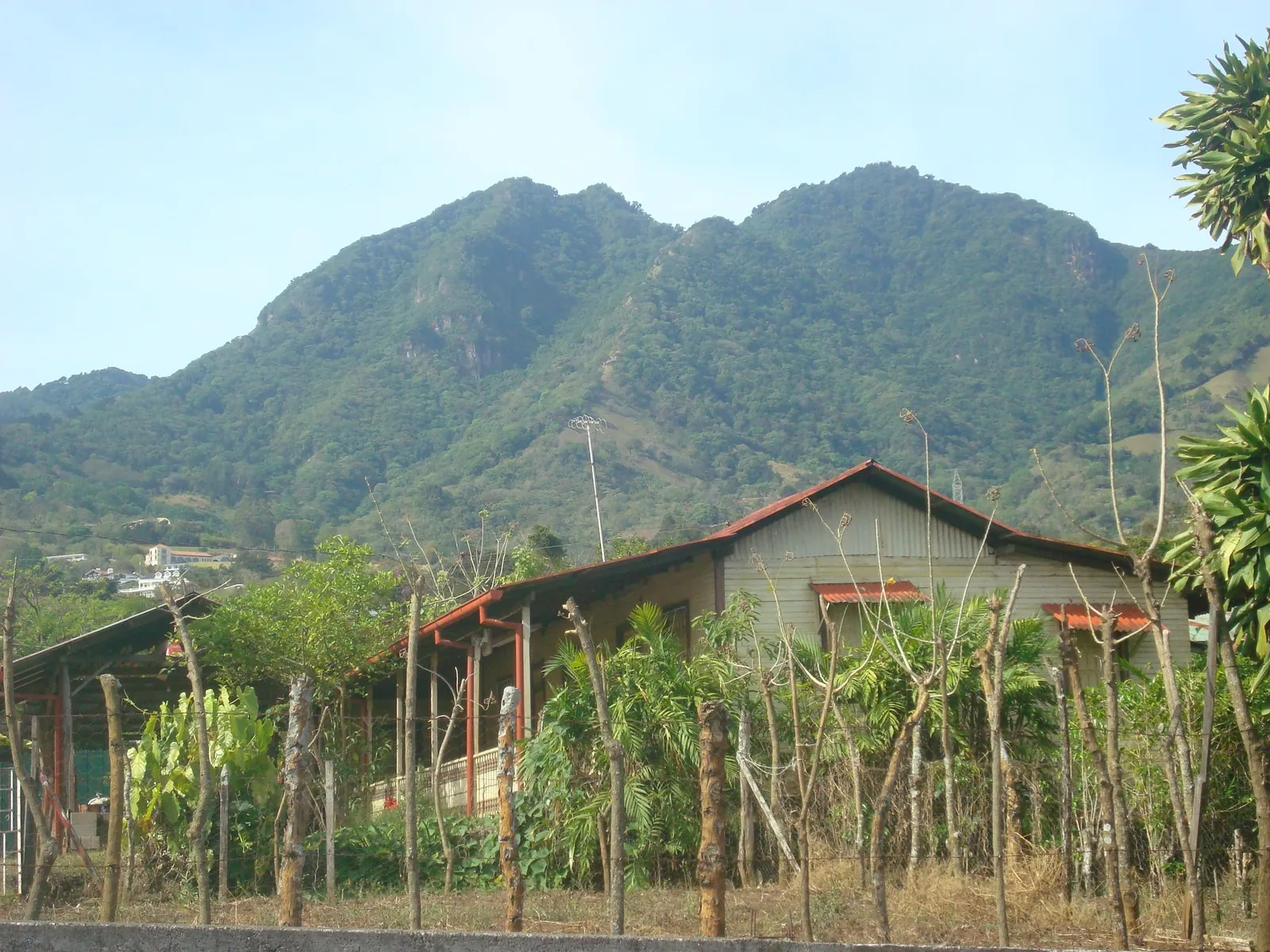
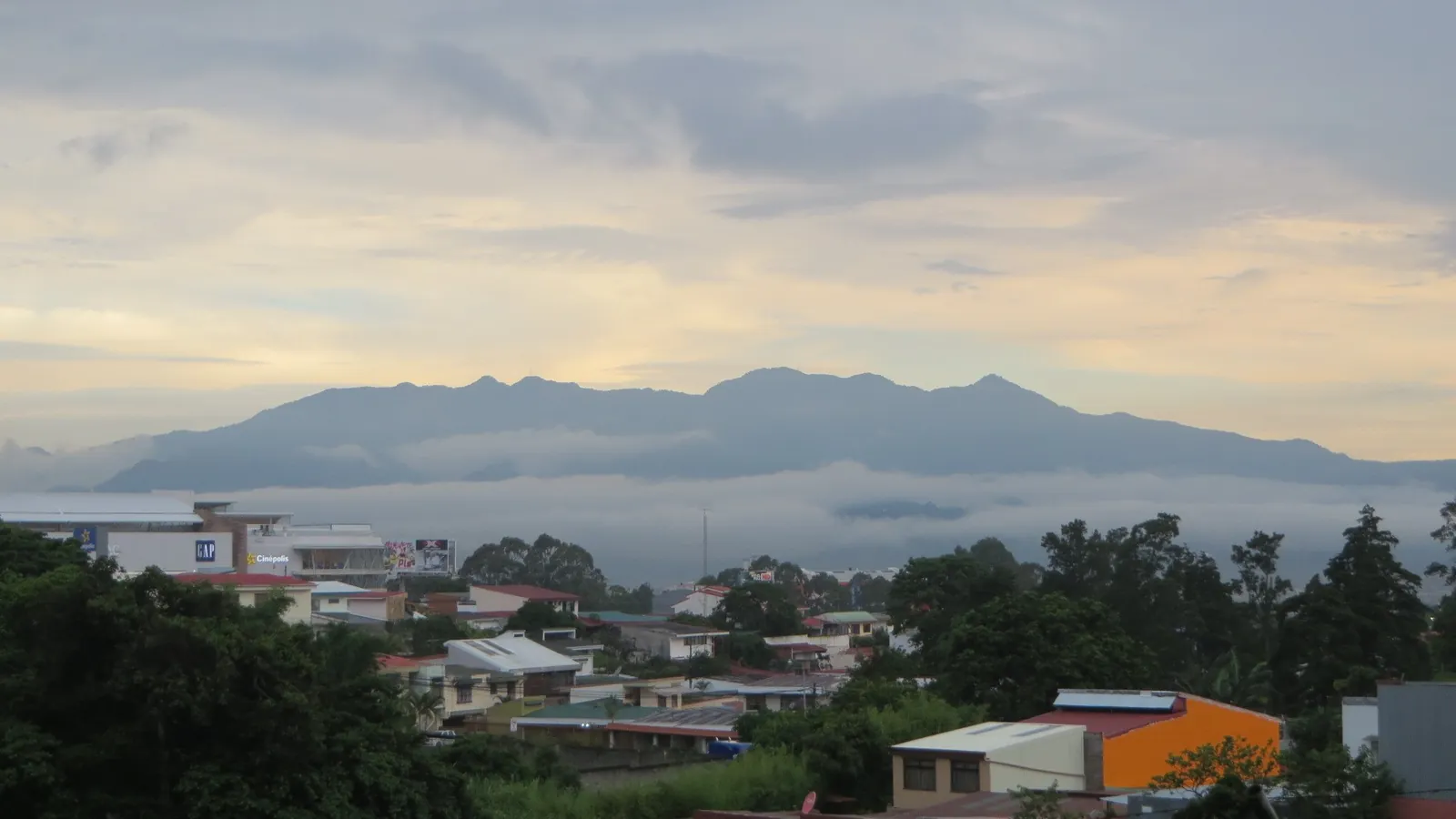
Authentic, unedited photos of Escazú by residents and visitors, taken on ordinary days rather than chosen by a tourist board. Each one shows when it was taken. Browse photos of all 83 cities →

.jpg)
.jpg)





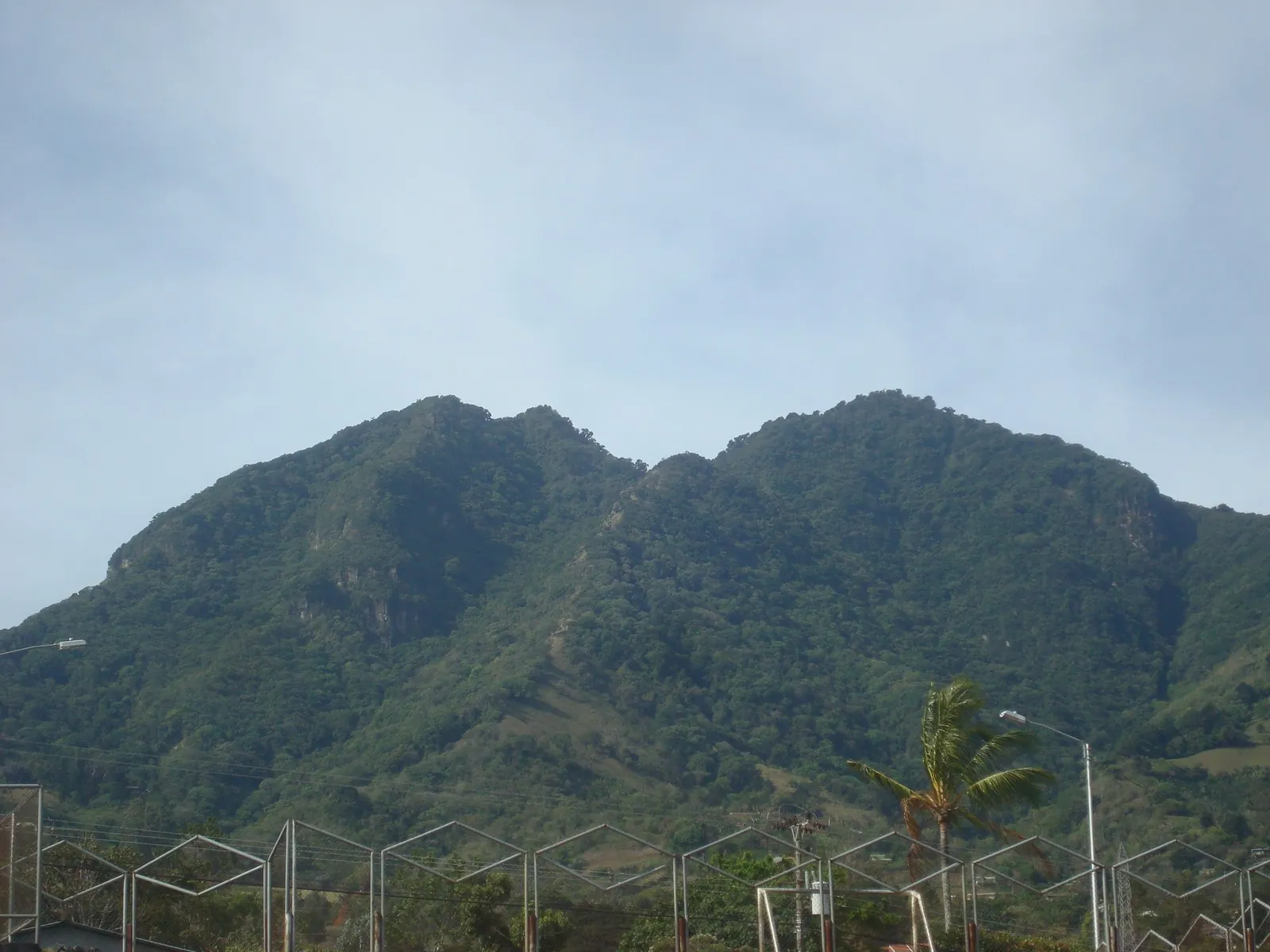
.JPG)
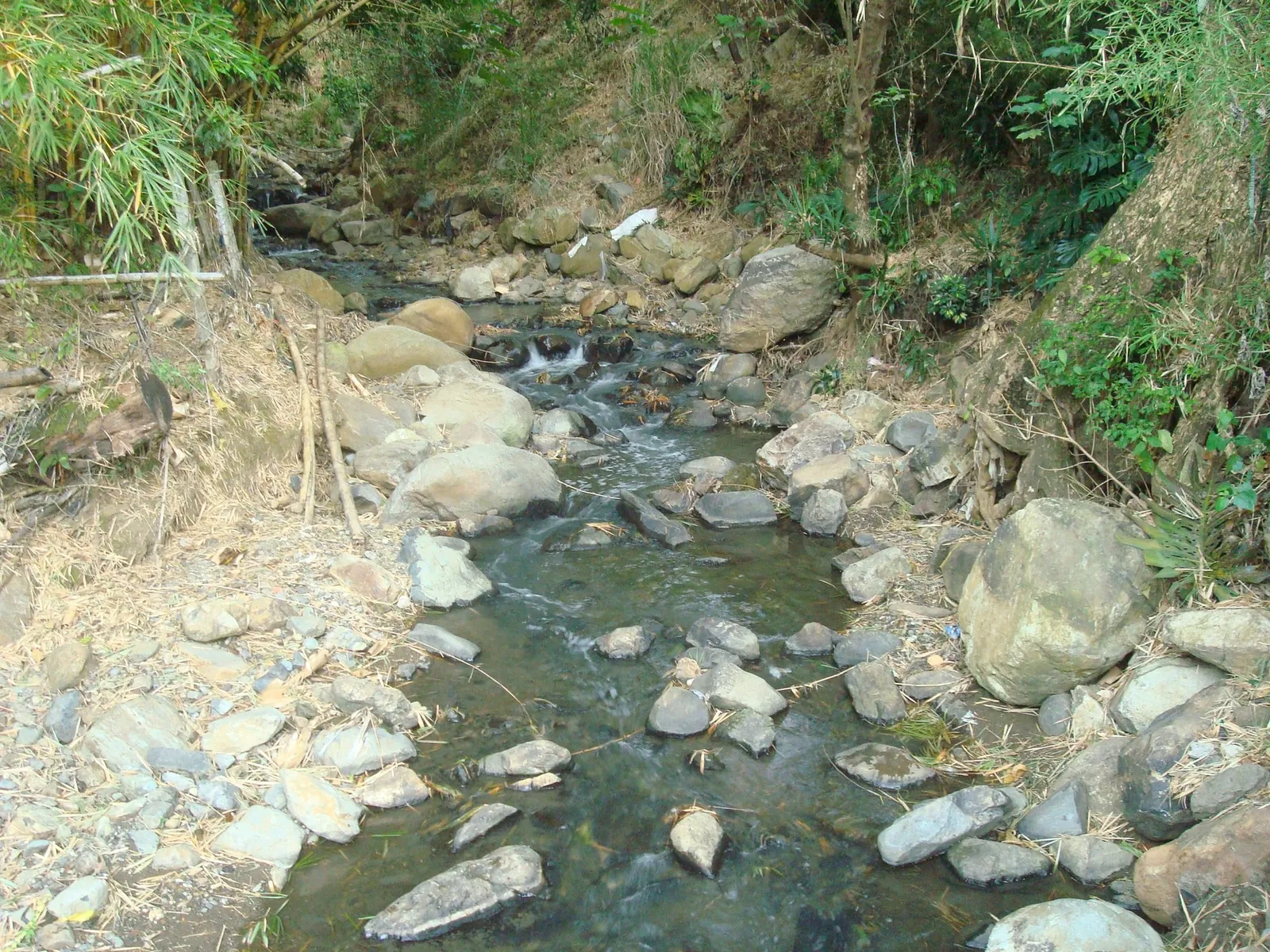

The other side
We don't yet have a licensed photo that shows Escazú's downsides. They are listed in full under pros and cons below.
Cost of Living in Escazú
1-Bedroom Rent
$800-$1,500/month
Local Restaurant Meal
$12-$25 at local restaurants
Cup of Coffee
$2.50-$4
Estimated Monthly Total
$1,900-$3,000
Want a personalized estimate? Use our cost of living calculator
Healthcare in Escazú
Escazú has the best healthcare in Costa Rica and among the best in Central America. Hospital CIMA San José is the country's flagship private hospital, with international accreditation, modern equipment, English-speaking staff throughout, and a surrounding medical district of specialist practices, laboratories, and imaging centres — the concentration is what distinguishes it, because it means a specialist referral is a short walk rather than a journey. Clínica Bíblica and Hospital Metropolitano in San José are 20 to 30 minutes away as further private options. Private consultations run $60-$120. Legal residents can enrol in the public Caja system for a monthly contribution based on income, typically $50-$150, and most international retirees combine Caja enrolment with private cover — using Caja for prescriptions and routine care and CIMA for anything that needs speed.
Daily Life and Lifestyle in Escazú
Escazú is comfortable and convenient rather than characterful. Daily life revolves around Multiplaza and the other shopping centres, a strong restaurant scene, gyms, and clubs, with the older village centres of San Rafael and San Antonio still visible beneath the development. English is widely spoken, which makes banking, medical appointments, and administration far easier than elsewhere in Costa Rica. The Cerros de Escazú rise directly behind, giving hiking and cooler air within minutes, and San José's museums and theatres are 20 minutes east. What Escazú does not offer is immersion: it is the most internationalised place in the country, and residents who want to live in Costa Rica rather than beside it generally choose Atenas, Grecia, or the smaller Central Valley towns. Traffic on the Próspero Fernández motorway into San José is heavy at peak hours.
Climate and Weather in Escazú
Escazú shares the Central Valley climate that gives Costa Rica its reputation, moderated further by elevation — at around 1,100 metres, daytime temperatures run 22-27°C and nights drop to 16-19°C throughout the year, with no heating or air conditioning needed. The dry season, December to April, brings clear warm days and cool evenings and is the most reliable weather in the country. The green season, May to November, brings sunny mornings and heavy afternoon rain, usually clearing by evening, with September and October the wettest months. The hills behind Escazú catch more cloud and rain than the valley floor, so the higher neighbourhoods are cooler and damper than the lower ones — a difference worth checking before choosing a street.
Pros and Cons of Retiring in Escazú
Pros
- Hospital CIMA and Costa Rica's only genuine medical district on the doorstep
- English very widely spoken — administration and medical appointments are straightforward
- Central Valley climate at 22-27°C days and 16-19°C nights, no heating or cooling needed
- The best restaurants, shopping, and services in the country
- San José's museums and theatres 20 minutes away; hills for walking behind
Cons
- The most expensive address in Costa Rica
- Suburban and mall-oriented — the least Costa Rican place in the country
- Heavy traffic into San José at peak hours
- Higher neighbourhoods are noticeably cloudier and damper than the valley floor
- No beach; the Pacific coast is around two hours away
Who Is Escazú Best For?
Retirees who put medical access and everyday convenience above cultural immersion and cost, particularly anyone with an ongoing condition who wants specialists within minutes rather than hours.
Where to Live in Escazú
San Rafael de Escazú
The central district around Multiplaza and CIMA, with apartment towers, restaurants, and services. One-bedrooms run $900-$1,600/month. Closest to the hospital and the most convenient, though the most traffic-affected.
Bello Horizonte & Trejos Montealegre
Established residential streets on the lower slopes, with houses and gardens. Rents run $1,000-$1,800/month. Quieter and greener, minutes from CIMA, popular with long-term international residents.
Santa Ana
The neighbouring canton to the west, slightly lower, warmer and drier, with a real town centre. Rents run $700-$1,300/month. Cheaper than Escazú with a more Costa Rican feel and still 15 minutes from CIMA.
Hospitals and Healthcare Facilities in Escazú
Hospital CIMA San José
Costa Rica's flagship private hospital, internationally accredited, with English-speaking staff and a surrounding medical district of specialists, laboratories, and imaging centres.
Clínica Bíblica
Major private hospital in San José, 20-30 minutes from Escazú, offering a full range of specialist and surgical services with international patient support.
Caja (CCSS) public system
Costa Rica's public health service, available to legal residents for a monthly income-based contribution of roughly $50-$150, providing comprehensive cover including prescriptions.
Facility details may change. Verify accreditation status and services directly with each hospital before making healthcare decisions.
Dining and Food Scene in Escazú
Escazú has the best and most international restaurant scene in Costa Rica — Peruvian, Japanese, Italian, and Argentine alongside contemporary Costa Rican cooking, with mains at $14-$28. That range is unusual in a country where the default is the soda, a simple family restaurant serving casado, the standard plate of rice, beans, plantain, salad, and a protein for $6-$10.
The traditional sodas survive in the older village centres of San Rafael and San Antonio and are where residents eat on ordinary days. Farmers' markets, the ferias, run weekly and are the cheapest source of Costa Rica's excellent fruit and vegetables.
Weekly groceries for two run $85-$130, the highest in Costa Rica, driven by imported goods at Automercado and the other upmarket supermarkets. Buying local produce at the feria and coffee direct from Central Valley growers brings that down substantially. Costa Rican coffee from the Tarrazú and Central Valley regions is world-class and costs a fraction of export prices here.
Is Escazú Right for You?
Take our free 3-minute retirement quiz to see how Escazú and Costa Rica compare to other destinations based on your preferences, budget, and needs.
Take the Retirement QuizFrequently Asked Questions About Retiring in Escazú
Why does Hospital CIMA matter so much?
Because of what surrounds it. CIMA is the largest and best-regarded private hospital in Costa Rica, but the more important point is the medical district that has grown around it — specialist practices, laboratories, and imaging centres concentrated within walking distance. For a retiree managing a chronic condition, that means referrals, tests, and follow-ups happen in one place on one day, rather than as separate journeys. No other location in Costa Rica offers this.
Is Escazú worth the premium over Atenas or Grecia?
It depends entirely on health. Atenas and the other Central Valley towns are 30 to 45 minutes from CIMA, cost 20 to 30 per cent less, and feel far more Costa Rican. If you are well, that is a better deal. If you have a cardiac history, an oncology relationship, or a condition needing frequent specialist review, the difference between minutes and 45 minutes is what you are paying for, and it is a reasonable trade.
How does the Caja public system work for retirees?
Legal residents must enrol in the Caja, Costa Rica's public health system, paying a monthly contribution based on declared income — typically $50-$150 for a retiree. It provides comprehensive cover including prescriptions, but waiting times for non-urgent specialist care and elective surgery can be long. Most international retirees use Caja for medication and routine care and hold private cover or pay out of pocket at CIMA for anything time-sensitive.
Sources & References
- Hospital CIMA San José — Private hospital accreditation, specialist services, and the surrounding medical district
- Caja Costarricense de Seguro Social (CCSS) — Public health system enrolment requirements and contribution rates for resident retirees
- Costa Rica Directorate General of Migration — Pensionado and Rentista residency requirements and income thresholds
- Numbeo — Cost of living index and price data for Escazú and San José