
Städte-Ratgeber zum Ruhestand
Ruhestand in Kep, Kambodscha
Winziger Küstenort mit Krabbenmarkt, Ruinenvillen und einem guten Krankenhaus 30 Minuten entfernt
Kep auf einen Blick
- Höhenlage & Umgebung
- ~10 m an Kambodschas Südküste, ~25 km östlich von Kampot; Bokor-Plateau dahinter; ~10,48° N
- Jahrestemperatur
- Ganzjährig 26–34 °C; tropischer Monsun (Köppen Am), Trockenzeit November–April
- Nächster internationaler Flughafen
- Phnom Penh (PNH), ~3 Straßenstunden; Sihanoukville (KOS) ~2 Std.
- Nächstes großes Krankenhaus
- Sonja Kill Memorial Hospital bei Kampot, ~30 Minuten; Phnom Penh ~3 Std. für ernsthafte Versorgung
- Wichtigstes Rentnervisum
- Kambodscha hat kein eigenes Rentnervisum — Langzeitaufenthalte laufen über verlängerbare gewöhnliche (E-Klasse-)Visa
- Sprachumfeld
- Khmer; Englisch in Gästehäusern und der kleinen internationalen Gemeinschaft nutzbar, sonst begrenzt
Keps Hänge sind übersät mit dachlosen modernistischen Villen, die vor 1970 für Kambodschas Elite gebaut und während der Zeit der Roten Khmer verlassen wurden — ein Architekturruinenfeld, das es sonst nirgends in Südostasien gibt.
Überblick über Kep für Ruheständler
Kep liegt an Kambodschas kurzer Südküste bei etwa 10,48° N auf 10 Metern, rund 25 Kilometer östlich von Kampot. Der Ort wurde 1908 als Seebad für die französische Kolonialelite und später für Kambodschas eigene Oberschicht gebaut, und die modernistischen Villen, die sie hinterließen — während der Roten Khmer verlassen und nie wieder aufgebaut —, liegen verstreut im Hügeldschungel und geben dem Ort eine Atmosphäre, die es sonst nirgends im Land gibt.
Kep ist sehr klein. Das Leben dreht sich um den Krabbenmarkt an der Uferstraße, wo Blaue Schwimmkrabben aus Körben im flachen Wasser geholt und mit Kampot-Pfeffer aus den Plantagen im Hinterland zubereitet werden. Die Kanincheninsel liegt zwanzig Bootsminuten vor der Küste, der Bokor-Nationalpark erhebt sich dahinter.
Für einen kambodschanischen Küstenort ist die medizinische Lage ungewöhnlich vernünftig: Das Sonja Kill Memorial Hospital, eine deutsch finanzierte Einrichtung bei Kampot, liegt rund 30 Minuten entfernt und gehört zu den besseren Krankenhäusern im ländlichen Kambodscha. Alles wirklich Ernste bedeutet weiterhin Phnom Penh, rund drei Straßenstunden, oder Bangkok. Die Kosten gehören zu den niedrigsten dieser Website.
So sieht Kep wirklich aus
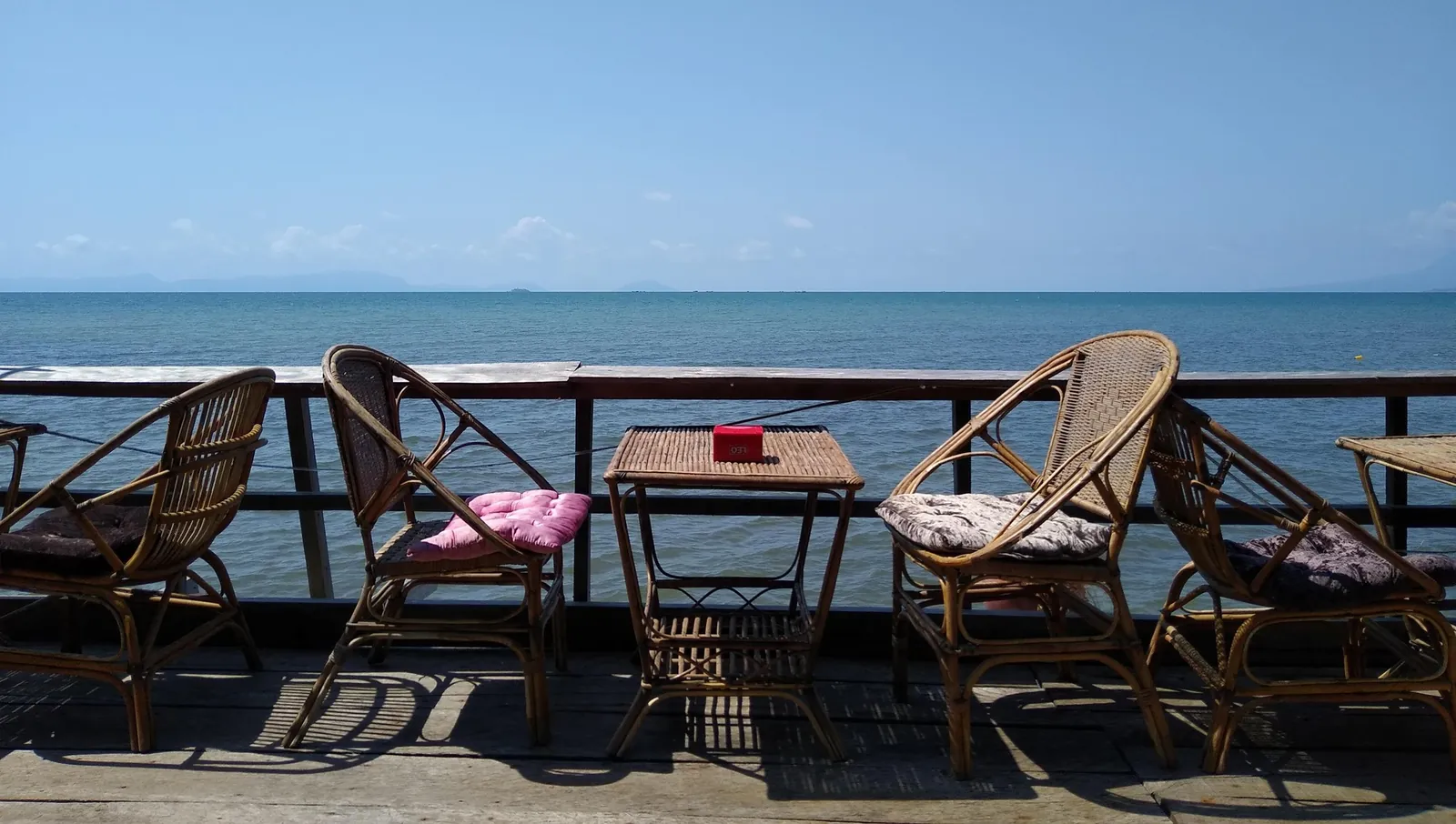
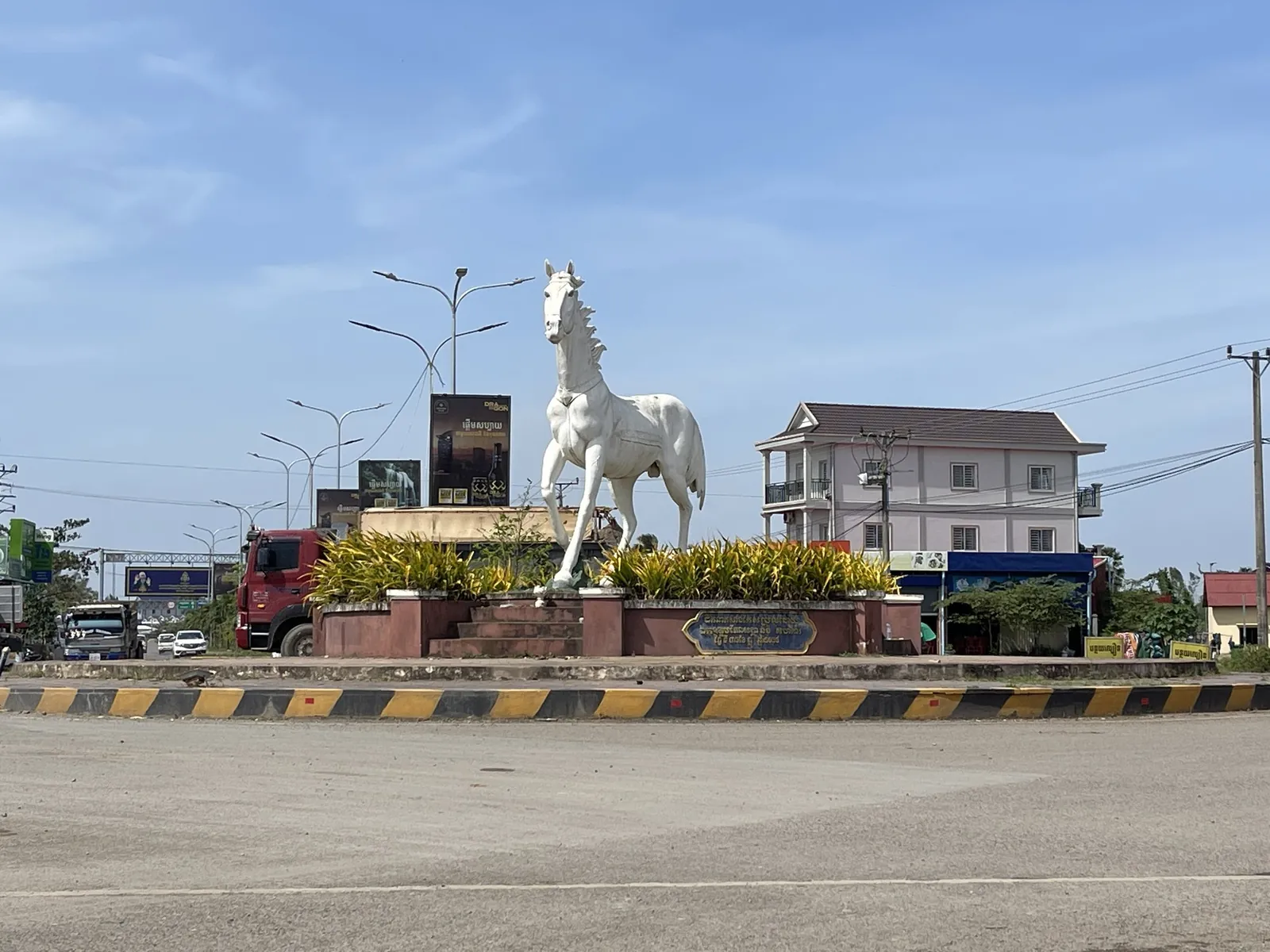
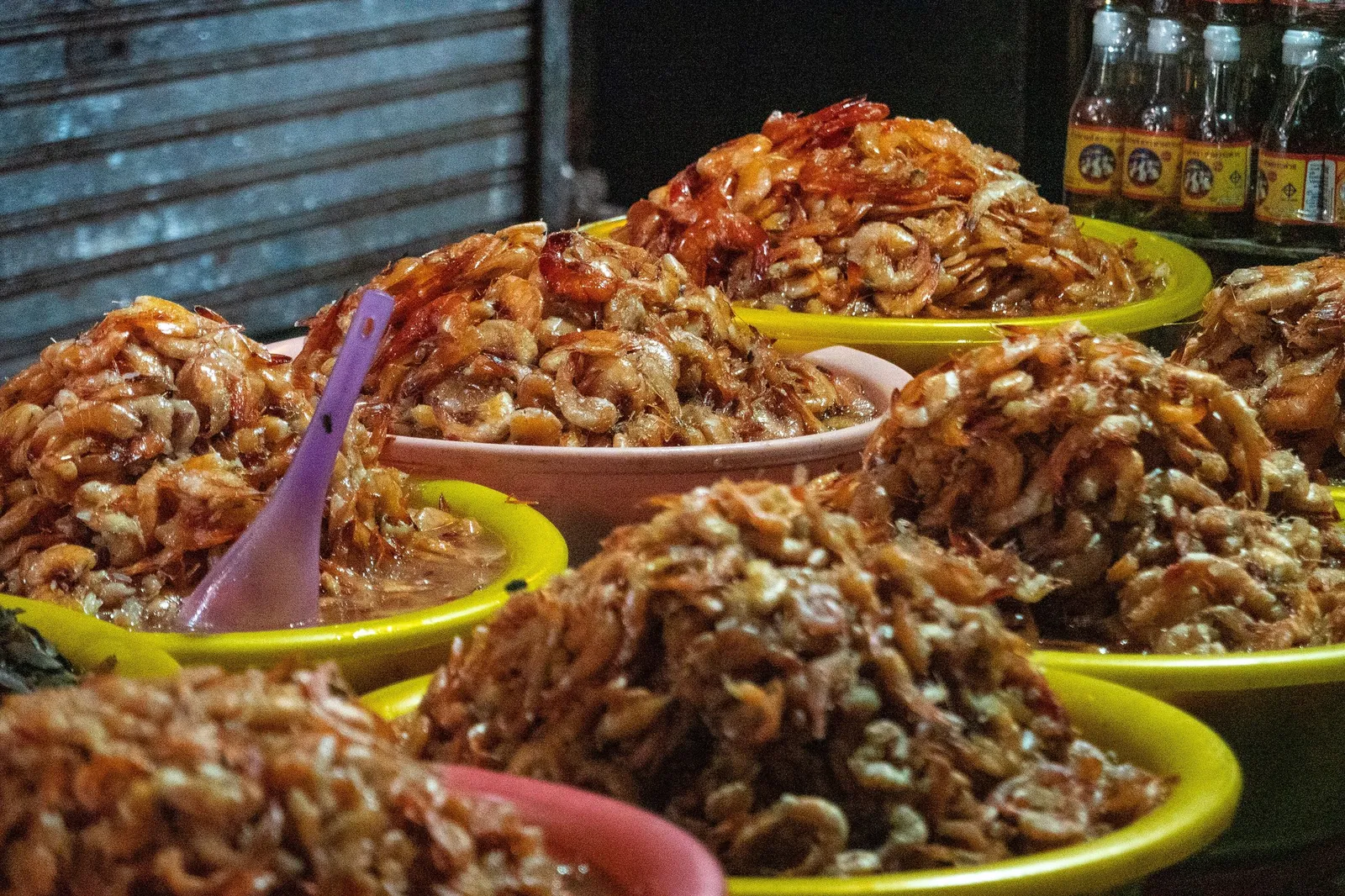
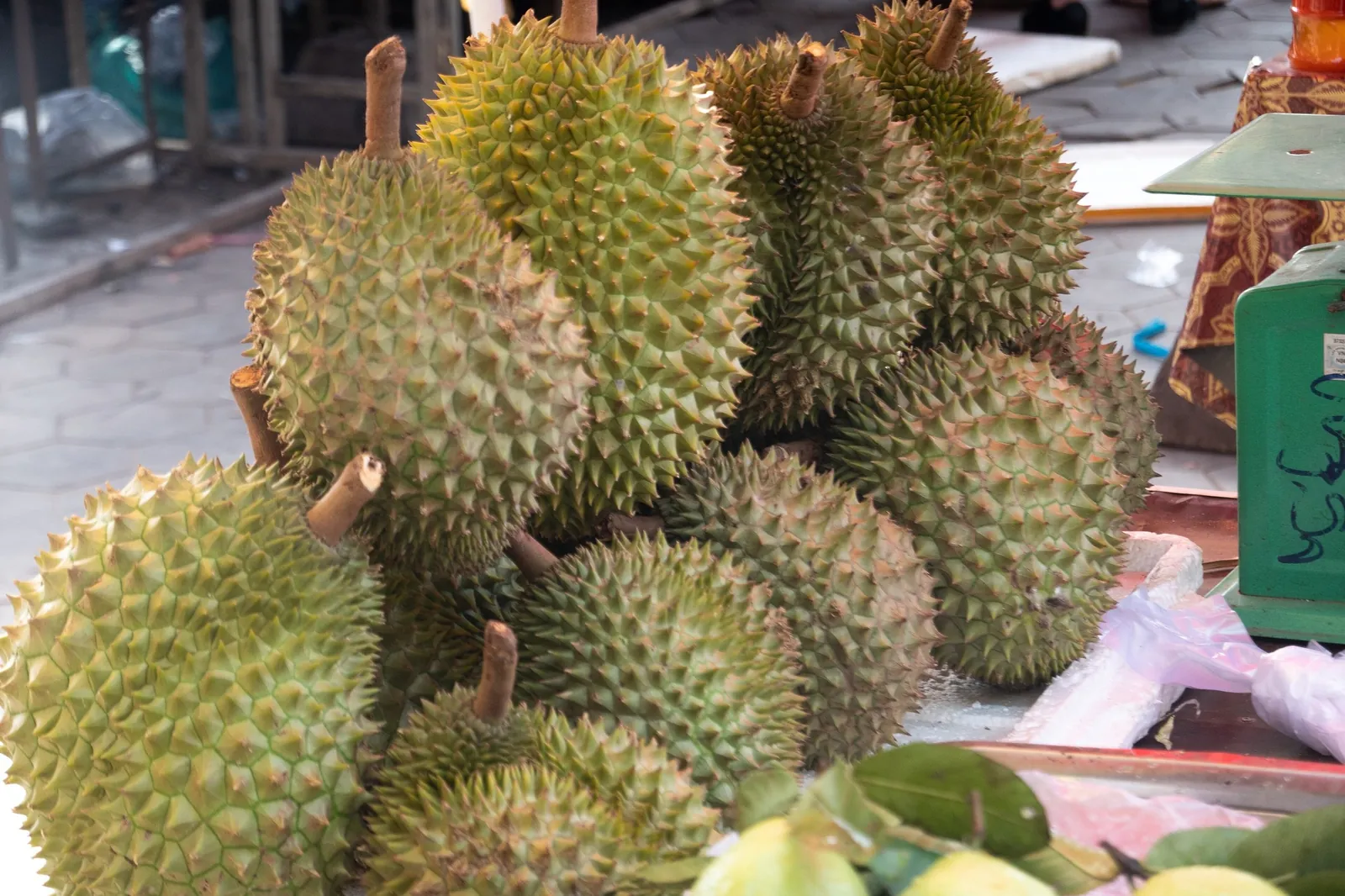
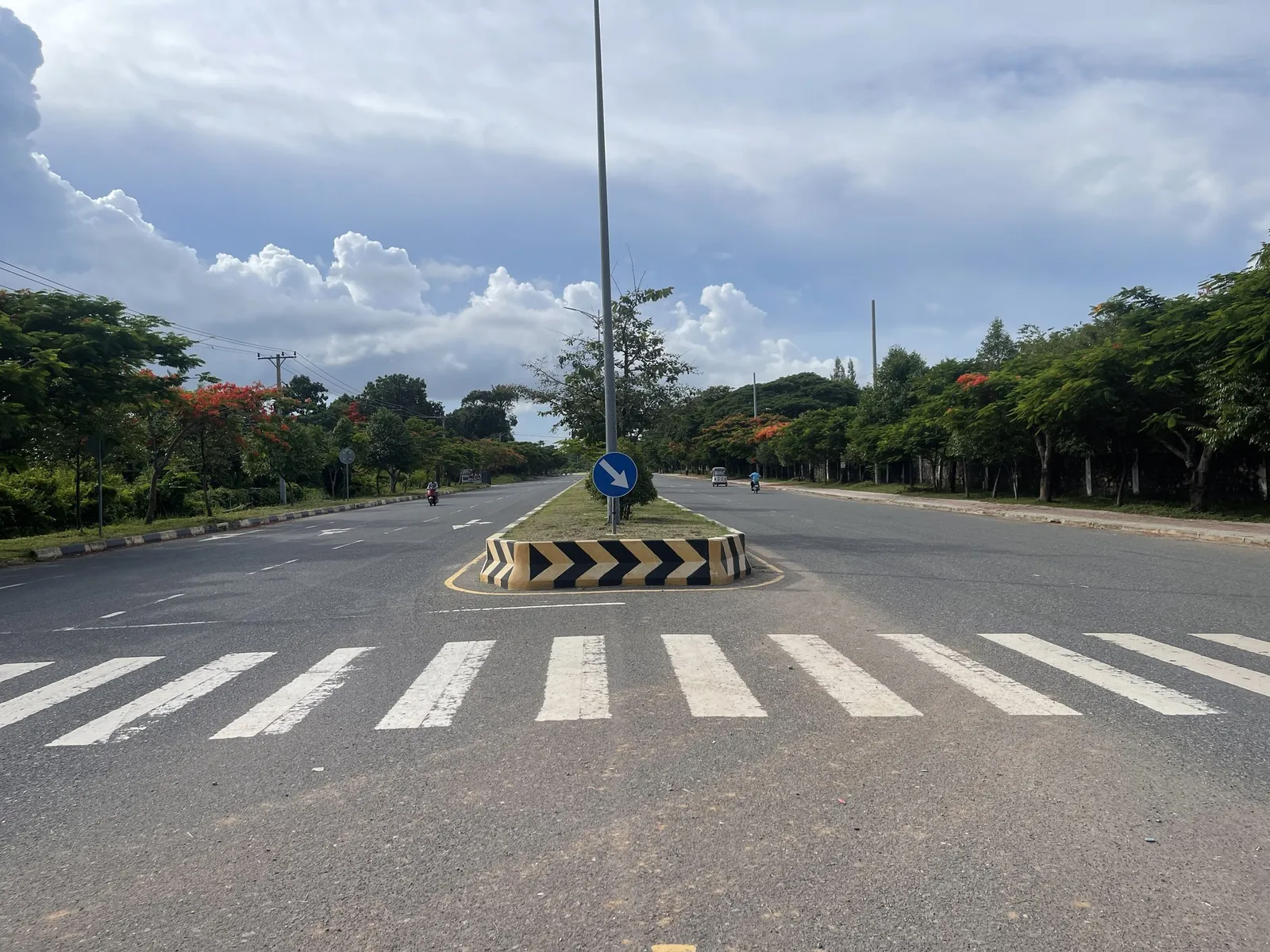
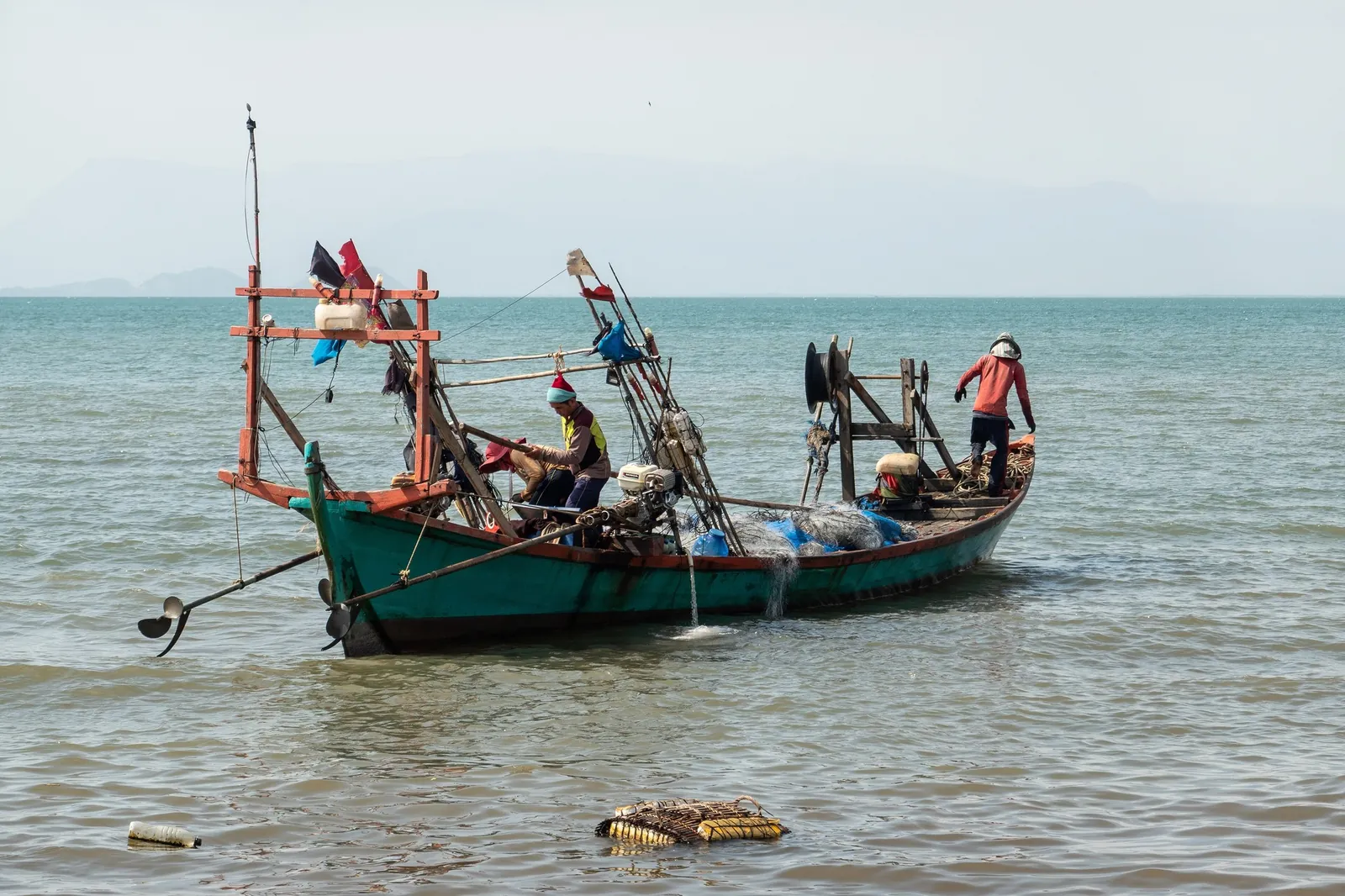
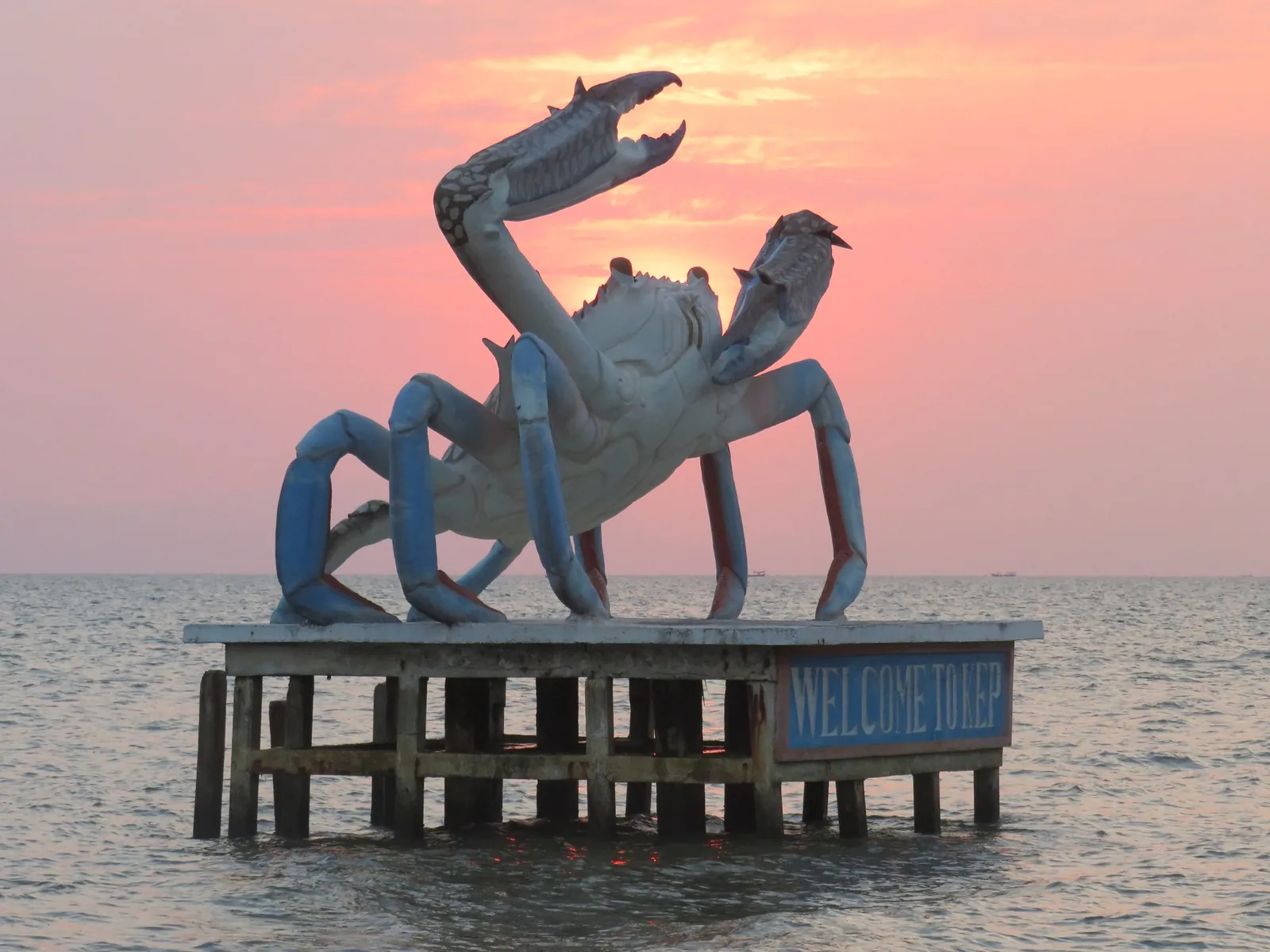
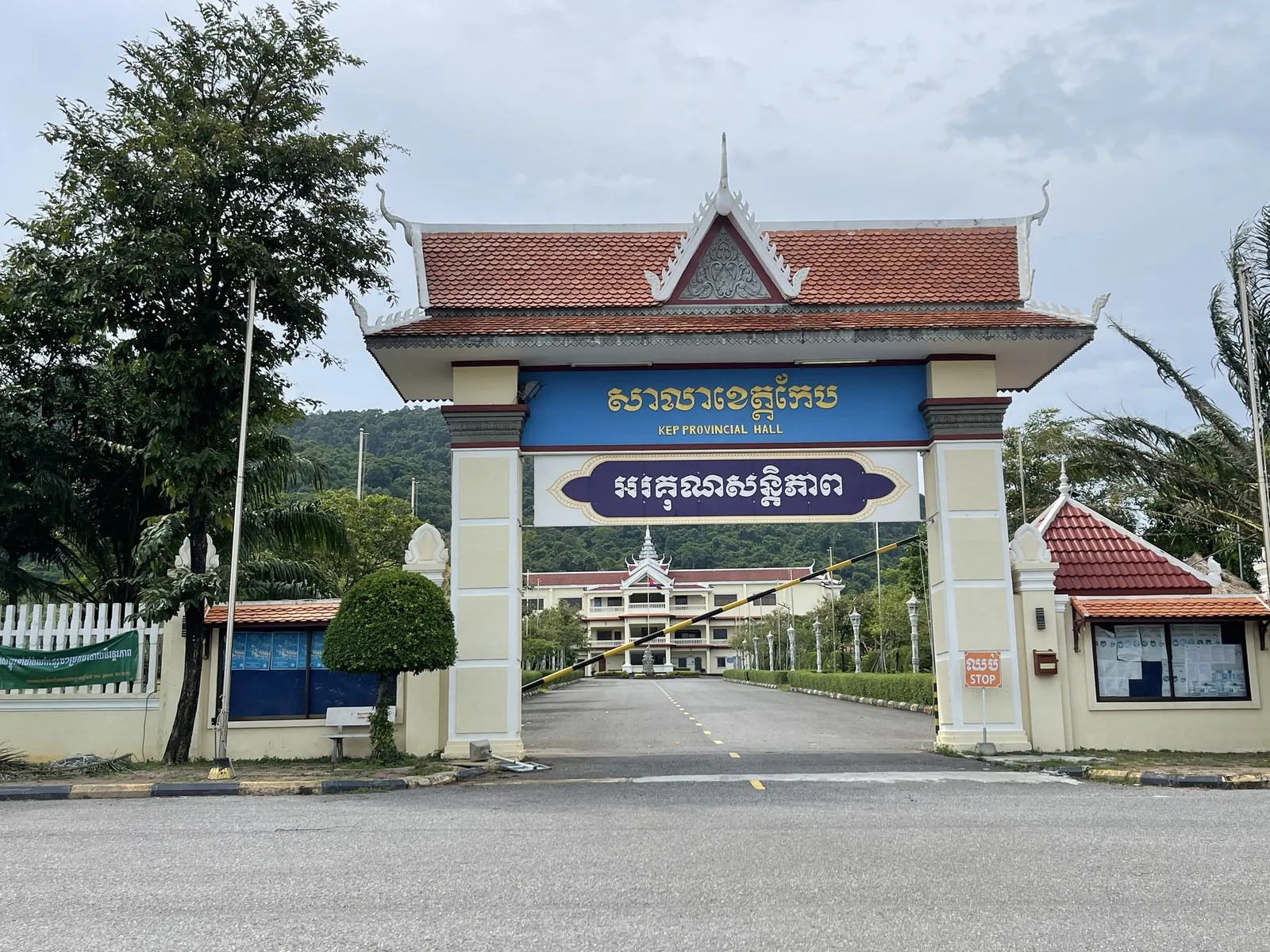
Authentische, unbearbeitete Fotos von Kep, aufgenommen von Einheimischen und Besuchern an gewöhnlichen Tagen – nicht ausgewählt von einem Tourismusbüro. Bei jedem Foto steht, wann es entstanden ist. Fotos aller 83 Städte ansehen →

.jpg)


.jpg)



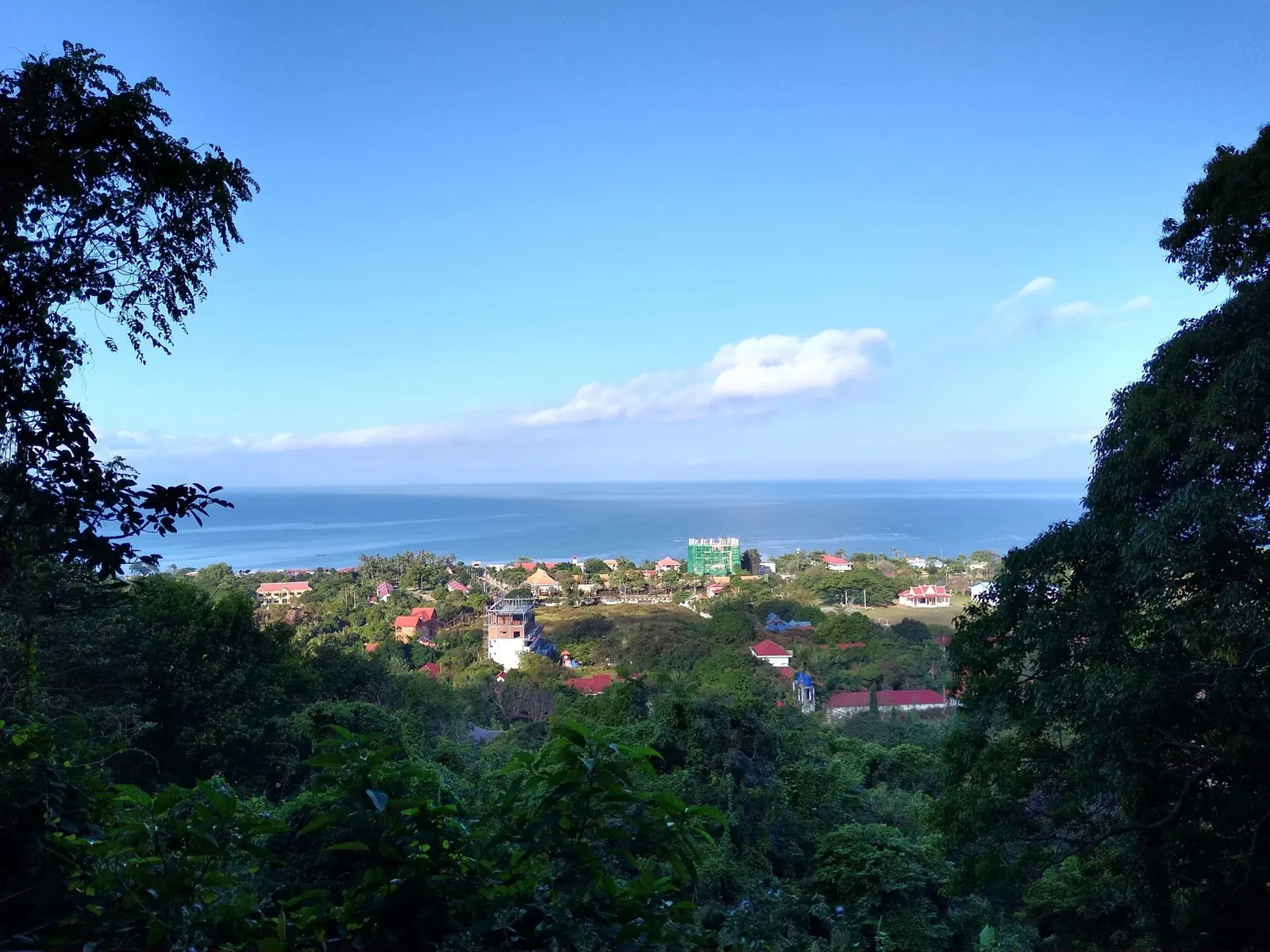

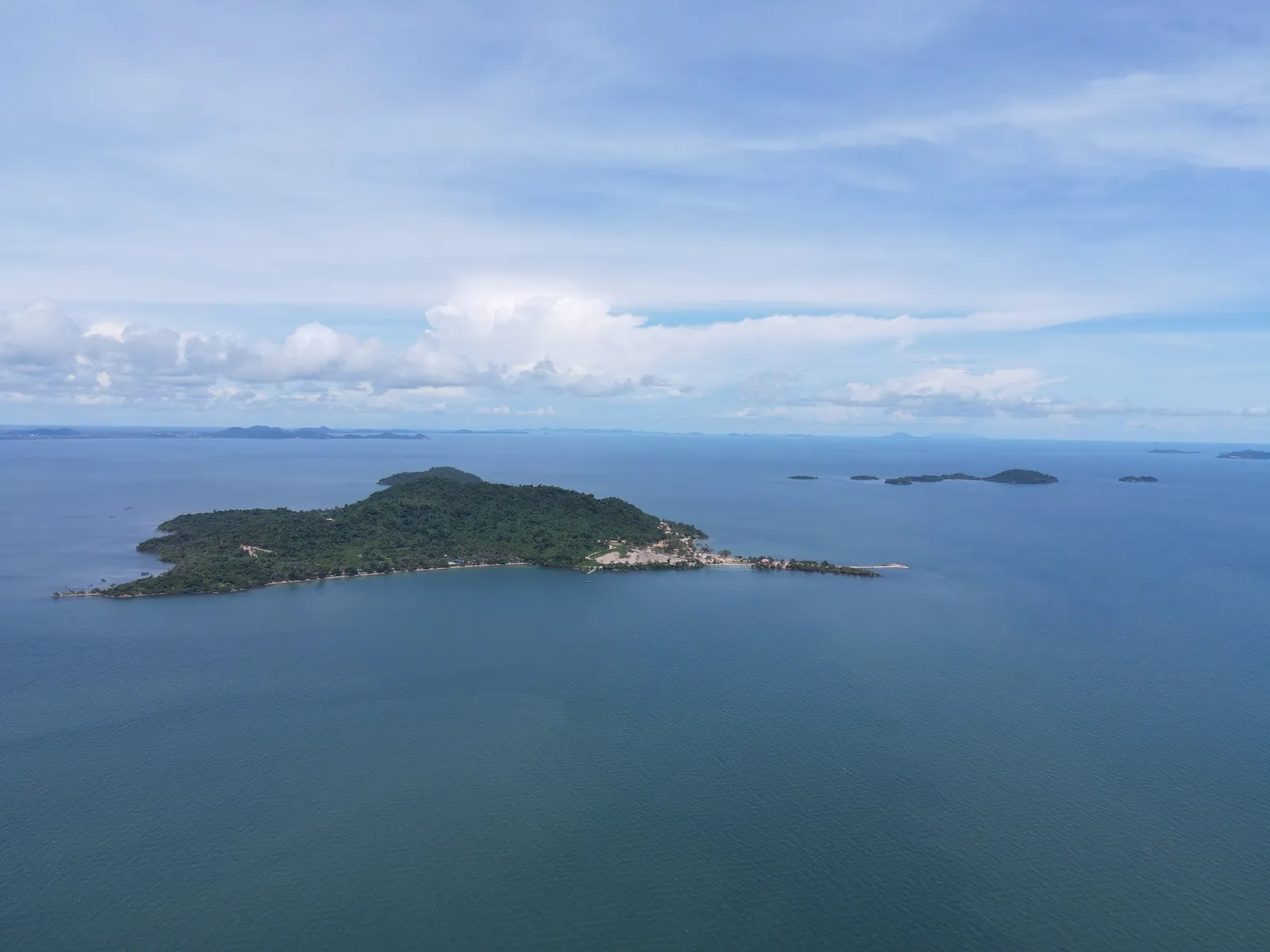

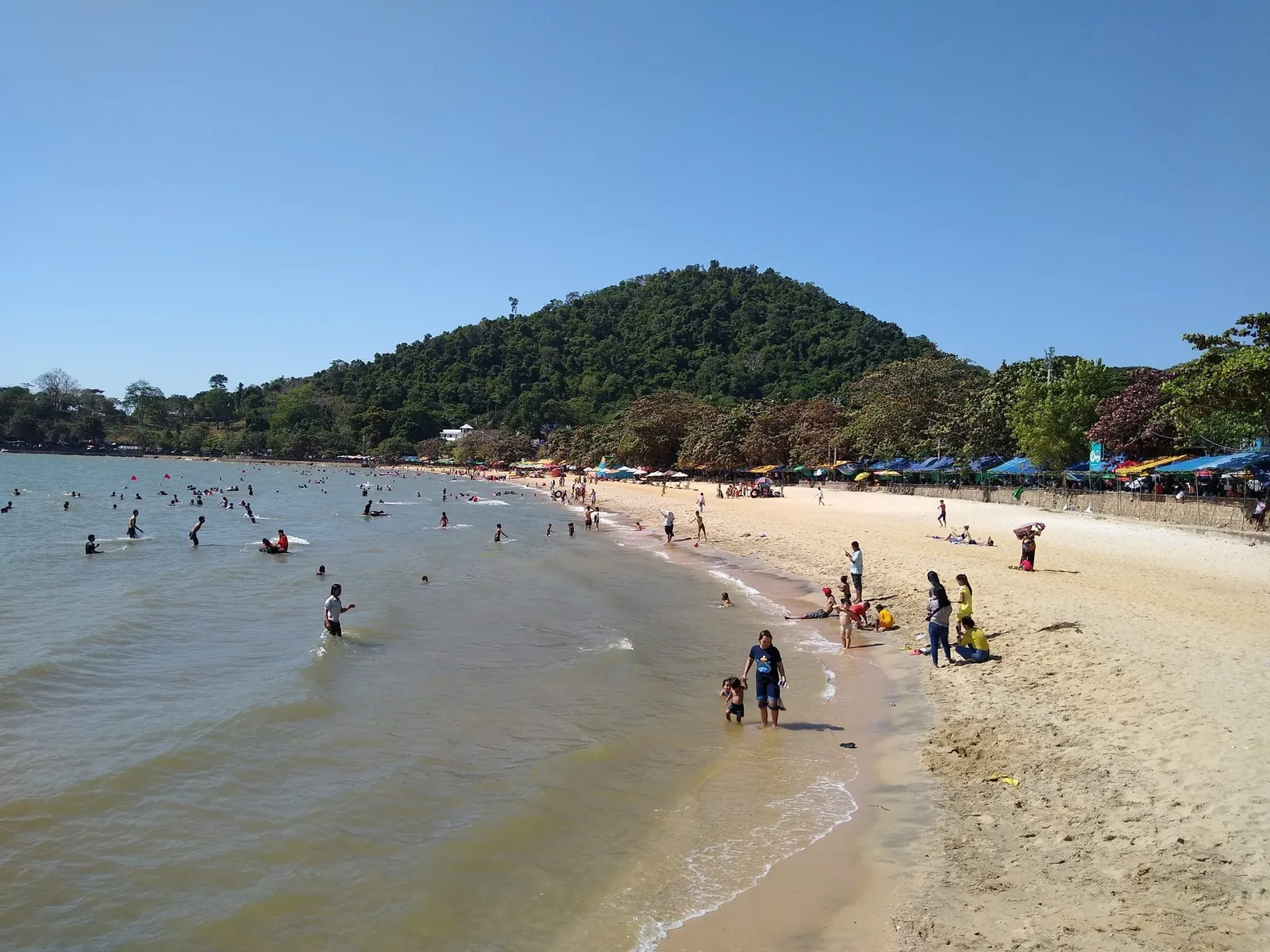

Die andere Seite
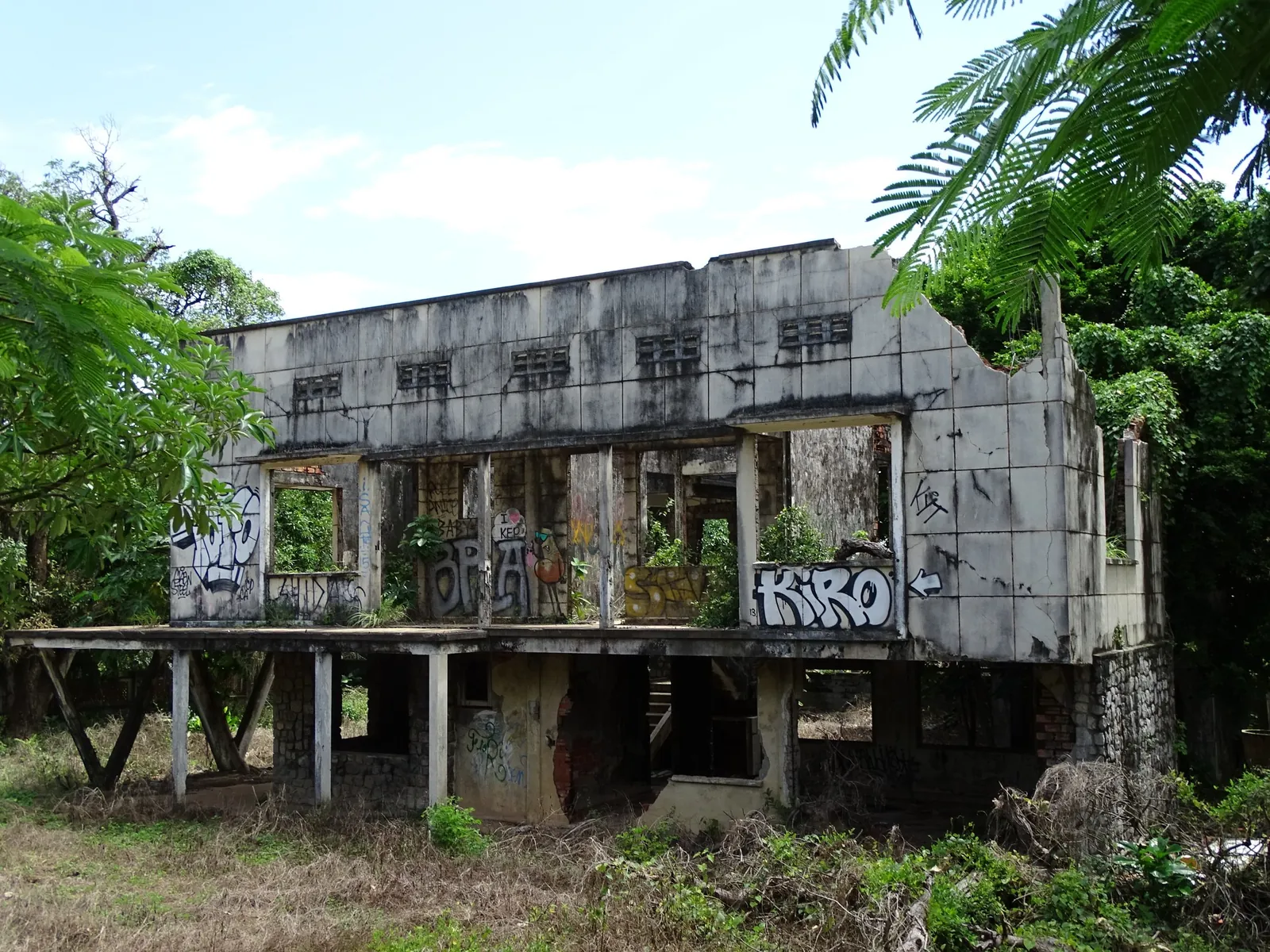
.jpg)
Lebenshaltungskosten in Kep
Miete für 1-Zimmer-Wohnung
150–350 €/Monat
Mahlzeit im lokalen Restaurant
2,50–7 €
Tasse Kaffee
1–2,50 €
Geschätzte monatliche Gesamtkosten
550–900 €
Möchten Sie eine individuelle Schätzung? Nutzen Sie unseren Lebenshaltungskosten-Rechner
Gesundheitsversorgung in Kep
Kep selbst hat nur einfache Kliniken. Was den Ort tragfähig macht, ist das Sonja Kill Memorial Hospital, eine deutsch finanzierte gemeinnützige Einrichtung bei Kampot rund 30 Minuten entfernt, die zu den besseren Krankenhäusern im ländlichen Kambodscha zählt und Notfälle, Allgemeinmedizin, Chirurgie und Geburtshilfe auf einem Niveau deutlich über dem lokalen Standard versorgt. Konsultationen kosten 13–36 €. Darüber hinaus gilt dieselbe Lage wie überall in Kambodscha: Ernsthafte oder fachärztliche Versorgung bedeutet Phnom Penh, rund drei Straßenstunden, und alles wirklich Komplexe Bangkok. Eine Versicherung mit medizinischem Rücktransport ist hier nicht optional — sie ist der Standard für ausländische Bewohner überall in Kambodscha.
Alltag und Lebensstil in Kep
Kep ist ruhig bis zur Verschlafenheit, und genau das ist der Reiz. Der Ort hat kein echtes Zentrum, sondern zieht sich die Küstenstraße entlang und in die Hügel hinauf, und der Tagesrhythmus wird von Gezeiten und Krabbenbooten bestimmt. Sonnenuntergang am Krabbenmarkt, mit einem Teller Krabben in grünem Kampot-Pfeffer, ist die Institution des Ortes. Die internationale Gemeinschaft ist klein — einige Dutzend Langzeitbewohner, meist mit Gästehäusern oder im Ruhestand —, und jeder kennt jeden. Die Kanincheninsel bietet einfache Strandbungalows, der Kep-Nationalpark einen 8 Kilometer langen Rundweg durch die Hügel, und die Kampot-Pfefferplantagen liegen eine halbe Stunde im Landesinneren. Was Kep nicht hat, sind Einkaufsmöglichkeiten, Unterhaltung, Dienstleistungen oder irgendeinen Veranstaltungskalender.
Klima und Wetter in Kep
Kep hat ein tropisches Monsunklima mit ganzjährig 26–34 °C. Die Trockenzeit läuft von November bis April und ist die angenehme Jahreshälfte, wobei Seebrisen die Küste merklich komfortabler machen als das Landesinnere. Die Regenzeit von Mai bis Oktober bringt starken Nachmittagsregen und hohe Luftfeuchtigkeit. Eine kühle Jahreszeit gibt es nicht. Die Küstenlage mildert die Extreme leicht gegenüber Phnom Penh, und das Bokor-Plateau hinter dem Ort ist für einen Tagesausflug mehrere Grad kühler. Die Luftfeuchtigkeit ist durchgehend hoch, und Klimaanlage oder zumindest gute Belüftung ist ganzjährig nötig.
Vor- und Nachteile des Ruhestands in Kep
Vorteile
- Zu den niedrigsten Kosten aller Ziele dieser Website
- Sonja Kill Memorial Hospital, eine der besseren Einrichtungen im ländlichen Kambodscha, 30 Minuten entfernt
- Wirklich ruhiger Küstenort mit ungewöhnlicher Kolonialruinen-Atmosphäre
- Frische Krabben und Kampot-Pfeffer — eine echte lokale Esskultur
- Kep-Nationalpark und Kanincheninsel unmittelbar erreichbar
Nachteile
- Sehr klein, mit fast keinen Einkaufsmöglichkeiten, Diensten oder Unterhaltung
- Ernsthafte Versorgung bedeutet Phnom Penh (3 Std.) oder Bangkok
- Ganzjährig heiß und feucht bei 26–34 °C ohne kühle Jahreszeit
- Winzige internationale Gemeinschaft — einige Dutzend Langzeitbewohner
- Kambodscha hat kein eigenes Rentnervisum; Langzeitaufenthalt bedeutet Verlängerungen
Für wen eignet sich Kep am besten?
Ruheständler bei guter Gesundheit, die das ruhigste und günstigste Küstenleben suchen, eine wirklich kleine Gemeinschaft schätzen und selbstverständlich eine Versicherung mit medizinischem Rücktransport halten.
Wo Sie in Kep wohnen können
Krabbenmarkt & Uferstraße
Der Küstenstraßenabschnitt um den Krabbenmarkt, wo die meisten Restaurants und Gästehäuser liegen. Mieten 180–360 €/Monat. Am nächsten an dem, was als Zentrum gilt, mit Seebrise und Tagesfang.
Kep-Hänge
Die Hänge hinter dem Ort zwischen Ruinenvillen und Nationalparkgrenze. Mieten 225–405 €/Monat, meist Häuser. Kühler, grüner, mit Blick über den Golf; ein Motorrad ist nötig.
Kampot-Straße
Der Korridor westlich Richtung Kampot und Sonja-Kill-Krankenhaus. Mieten 160–315 €/Monat. Am günstigsten, am nächsten an Krankenhaus und Kampots Diensten, aber am weitesten vom Meer.
Krankenhäuser und Gesundheitseinrichtungen in Kep
Sonja Kill Memorial Hospital
Deutsch finanziertes gemeinnütziges Krankenhaus bei Kampot, rund 30 Minuten von Kep, für Notfälle, Allgemeinmedizin, Chirurgie und Geburtshilfe — eine der besseren Einrichtungen im ländlichen Kambodscha.
Kliniken, Kep
Einfache örtliche Kliniken für kleinere Konsultationen und Erste Hilfe für 13–36 €. Nicht für mehr als Routineversorgung ausgestattet.
Phnom Penh & Bangkok
Das Royal Phnom Penh Hospital und das Sunrise Japan Hospital, rund drei Stunden entfernt, für ernsthafte Versorgung; Bangkok für alles wirklich Komplexe, wie im übrigen Kambodscha.
Angaben zu Einrichtungen können sich ändern. Bitte prüfen Sie Akkreditierungsstatus und Leistungen direkt bei jedem Krankenhaus, bevor Sie Entscheidungen zur Gesundheitsversorgung treffen.
Restaurants und Küche in Kep
Kep ist ein Ein-Gericht-Ort, und das Gericht ist Krabbe. Blaue Schwimmkrabben werden in Körben am Ufer lebend gehalten und an den Marktständen auf Bestellung zubereitet — gebraten mit grünem Kampot-Pfeffer noch an der Rispe, die lokale Zubereitung und wirklich eines der besten Dinge, die man in Kambodscha essen kann, für 7–13 € pro Teller für zwei.
Kampot-Pfeffer, auf Plantagen eine halbe Stunde im Landesinneren angebaut, trägt eine geschützte geografische Angabe und zählt zu den angesehensten Pfeffersorten der Welt. Der Direktkauf auf den Farmen kostet einen Bruchteil des europäischen Einzelhandels.
Ansonsten ist das Essen klassisch khmerisch — Amok, Lok Lak, Nudelsuppen — für 2,70–5,40 € in den lokalen Restaurants, dazu einige Gästehausküchen mit westlichem Essen für 5,40–11 €. Wocheneinkäufe für zwei kosten 22–40 €, zu den niedrigsten dieser Website. Einen Supermarkt gibt es in Kep nicht; die Bewohner kaufen in Kampot ein, 30 Minuten westlich.
Ist Kep das Richtige für Sie?
Machen Sie unser kostenloses 3-Minuten-Quiz und erfahren Sie, wie Kep und Kambodscha im Vergleich zu anderen Zielen zu Ihren Vorlieben, Ihrem Budget und Ihren Bedürfnissen passen.
Zum Ruhestands-QuizHäufig gestellte Fragen zum Ruhestand in Kep
Ist Kep zu klein zum Leben?
Für die meisten wahrscheinlich ja. Kep hat einige Dutzend ausländische Langzeitbewohner, kein echtes Ortszentrum und fast keine Einkaufsmöglichkeiten oder Dienste — Kampot, 30 Minuten westlich, ist der Ort für Supermarkt, Bank oder gesellschaftliches Leben. Es passt zu Ruheständlern, die wirklich Ruhe wollen und mit einem sehr kleinen Kreis zufrieden sind. Wer eine organisierte Gemeinschaft will, ist in Kampot, Siem Reap oder Phnom Penh besser aufgehoben.
Wie gut ist das Sonja-Kill-Krankenhaus?
Besser als fast alles andere im ländlichen Kambodscha. Es ist eine deutsch finanzierte gemeinnützige Einrichtung bei Kampot, rund 30 Minuten von Kep, die Notfälle, Allgemeinmedizin, Chirurgie und Geburtshilfe auf einem Niveau deutlich über dem lokalen Standard versorgt. Es ist kein Krankenhaus internationalen Standards im Bangkoker Sinn, und komplexe Herz- oder Krebsmedizin bedeutet weiterhin Phnom Penh oder Bangkok — doch seine Existenz ist der Hauptgrund, warum Kep und Kampot für ausländische Bewohner überhaupt tragfähig sind.
Was hat es mit den Ruinenvillen auf sich?
Kep wurde 1908 als Seebad für die französische Kolonialelite gebaut und blieb bis in die 1960er-Jahre ein Rückzugsort wohlhabender Kambodschaner, als eine markante modernistische Architektur entstand. Die Villen wurden während der Zeit der Roten Khmer verlassen und größtenteils nie restauriert. Dutzende stehen dachlos im Hügeldschungel und geben dem Ort eine Atmosphäre, die es sonst nirgends in Südostasien gibt.
Quellen & Verweise
- Sonja Kill Memorial Hospital — Leistungen der Einrichtung, Finanzierungsmodell und Versorgung der Region Kampot und Kep
- Kambodschanisches Innenministerium — Visakategorien für Langzeitaufenthalte, Verlängerungen und Anforderungen für ausländische Bewohner
- Kambodschanisches Handelsministerium — Geschützte geografische Angabe und Anbaugebiet des Kampot-Pfeffers
- Numbeo — Lebenshaltungskostenindex und Preisdaten für die Provinzen Kampot und Kep